
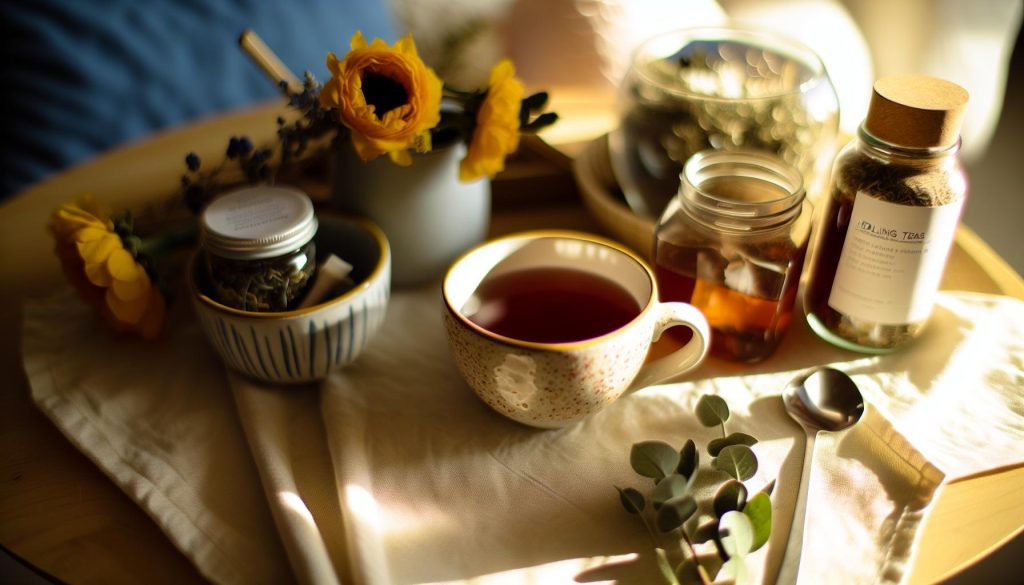

Navigating the postpartum period can be overwhelming, with new moms often feeling physically and emotionally drained. A soothing herbal tea blend can offer much-needed relief and support during this transformative time. Discover a simple DIY recipe to create your own healing tea, packed with ingredients that promote wellness and restore balance for weary moms.
Understanding the Benefits of Herbal Ingredients for Postpartum Healing
Did you know that the postpartum period can be as transformative as pregnancy itself, both physically and emotionally? During this time, many new mothers seek natural solutions to aid their recovery, and herbal ingredients can play a meaningful role in promoting wellness. A carefully crafted postpartum tea recipe can definitely help mothers not only replenish essential nutrients but also soothe physical discomfort, elevate mood, and support breastfeeding.
Herbal Allies for Recovery
Nature has equipped us with a range of herbal ingredients that have been traditionally used to support postpartum healing. Here are some notable herbs and their benefits:
- Raspberry Leaf: Rich in vitamins and minerals, raspberry leaf can support uterine toning and encourage recovery.
- Oat Straw: This gentle herb helps combat fatigue, providing both nutritional support and relaxation.
- Nettle: Packed with iron and other nutrients, nettle helps replenish stores depleted during childbirth.
- Ginger: Known for its anti-inflammatory properties, ginger can ease discomfort and enhance digestion.
- Chamomile: This calming herb can definitely help reduce anxiety and improve sleep quality, which is crucial for new moms.
Each of these herbs can be incorporated into your postpartum tea recipe, creating a blend tailored to your needs. For example, combining raspberry leaf and nettle provides an iron boost while soothing the uterus, making it an excellent choice for those experiencing post-birth recovery.
Creating Your Healing Blend
Crafting your own healing tea blend involves not just choosing the right ingredients but also understanding how to prepare them to maximize their benefits. Here’s a simple guide to create your personalized postpartum tea:
| Ingredient | Benefits | Readiness |
|---|---|---|
| Raspberry Leaf | Enhances uterine health | steep 1 tsp in hot water for 5-10 mins |
| Oat Straw | Boosts energy levels | Add 1 tsp to your blend for steeping |
| Nettle | Restores iron levels | Infuse 2 tsp in boiling water for 7-10 mins |
| Ginger | Reduces inflammation | Add fresh slices while brewing |
| Chamomile | promotes relaxation | Steep 1 tsp for about 5 mins |
Incorporating these herbal ingredients into your postpartum tea recipe not only provides physical benefits but also encourages a mindful and calming ritual during a demanding time.Preparing this tea can become a cherished moment of self-care, allowing new moms to take a break and reflect amidst the joy and challenges of motherhood.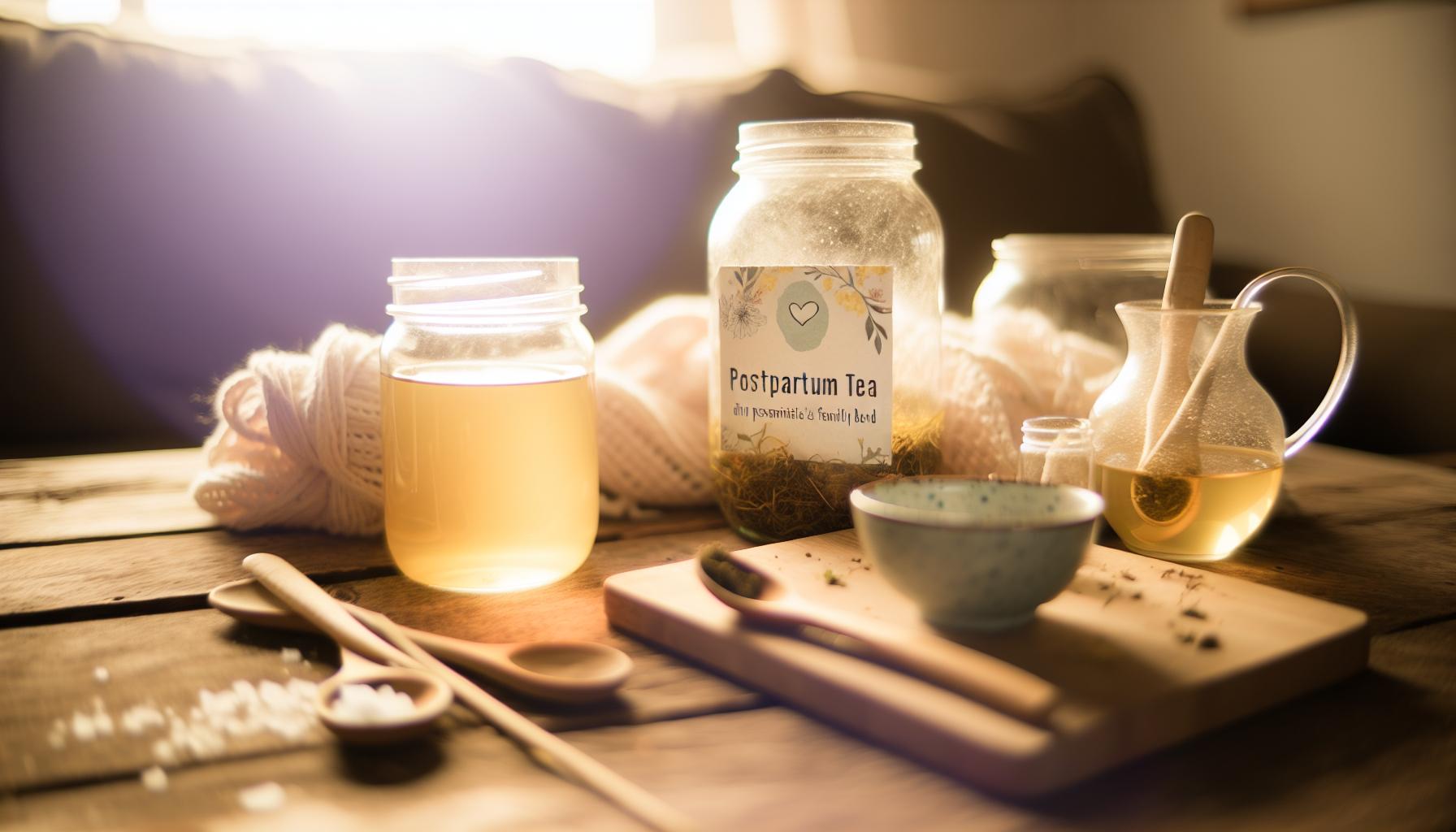
Essential Ingredients for Your DIY Postpartum Tea Blend
Creating a personalized postpartum tea blend can be a game-changer for new mothers looking to nurture their bodies and minds during the transformative period after childbirth. With the right combination of herbs and ingredients, you can craft a healing brew that supports recovery, soothes the spirit, and bolsters milk production. Here’s a dive into the essential ingredients that will make your DIY postpartum tea both effective and enjoyable.
Key Ingredients to Consider
- raspberry Leaf: Known for its high vitamin C content, raspberry leaf is traditionally used to tone the uterus and support postpartum recovery.
- Fennel Seeds: These seeds can help stimulate milk production and relieve digestive discomfort, making them a staple in postpartum tea recipes.
- Chamomile: Renowned for its calming properties, chamomile aids relaxation and sleep, which is essential for healing during the postpartum period.
- Ginger: A powerful anti-inflammatory herb, ginger can help with digestive issues and boost overall energy levels.
- Turmeric: This golden spice possesses potent anti-inflammatory properties, providing comfort and relief to the postpartum body.
- Oatstraw: Rich in calcium and magnesium,oatstraw promotes relaxation and helps to replenish depleted nutrients for new mothers.
Blending Guidelines
When crafting your postpartum tea, it’s significant to consider not only the health benefits of each ingredient but also their flavors and how they blend together. Below is a simple guideline to help you create your own healing tea blend:
| Ingredient | Ratio (per serving) | Benefits |
|---|---|---|
| Raspberry Leaf | 1 tsp | Tones uterus; rich in vitamins |
| Fennel Seeds | ½ tsp | Supports lactation; aids digestion |
| Chamomile | 1 tsp | Promotes relaxation; enhances sleep quality |
| Ginger | ½ tsp (fresh) | Reduces inflammation; increases energy |
| Turmeric | ½ tsp | Anti-inflammatory; supports healing |
| Oatstraw | 1 tsp | Rich in calcium; promotes relaxation |
By experimenting with these ingredients, you can adjust the ratios to fit your taste preferences while ensuring you still receive the therapeutic benefits associated with each herb. This DIY postpartum tea recipe will not only boost your well-being but also provide you with a moment of soothing self-care amidst the bustling life of motherhood.
step-by-Step Guide: How to Prepare Your Healing Tea
The journey into motherhood is a beautiful yet challenging experience, and incorporating natural remedies can be a soothing way to support your postpartum recovery. Crafting your own healing tea not only allows you to customize the flavors and benefits to your liking but also ensures that you are using high-quality, wholesome ingredients.
Gather Your Ingredients
to make a nourishing postpartum tea, you’ll need to source your ingredients thoughtfully. Choose organic herbs whenever possible to enhance the quality of your brew. Here’s a suggested list to get you started:
- Raspberry Leaf: Known for its nurturing properties, it helps tone the uterus.
- Ginger: Aids digestion and can help soothe any inflammation.
- Chamomile: Renowned for its calming effects, perfect for easing stress and promoting relaxation.
- Fennel seeds: Great for milk production and helps alleviate digestive issues.
- Hibiscus: Offers a refreshing flavor and is packed with antioxidants.
Preparing Your Tea
Once you have all the ingredients at hand, the next step is to create the perfect blend. Here’s a simple yet effective process:
1.Measure Your ingredients
Decide on the quantity based on how much tea you want to prepare. A great starting point is:
| Herb/Ingredient | Amount per Cup |
|---|---|
| Raspberry Leaf | 1 tsp |
| Ginger (fresh or dried) | ½ tsp |
| Chamomile | 1 tsp |
| Fennel seeds | ½ tsp |
| Hibiscus | 1 tsp |
2. combine and Steep
Mix all the measured herbs together and store them in an airtight container for future use. When you’re ready to brew, use about 2 tablespoons of your blend for every 4 cups of water.Bring the water to a boil, then remove it from heat and let the mixture steep for about 10-15 minutes. strain the herbs from the liquid and enjoy your warm, soothing tea.
Personalizing Your Brew
Feel free to adjust the ratios according to your taste or desired benefits. For instance,if you prefer a spicier flavor,you can increase the amount of ginger. Or, add a touch of honey to sweeten it naturally. Remember, the goal is to create a delicious and supportive beverage that resonates with your postpartum healing journey. Each sip of your homemade healing tea can be a moment of relaxation and self-care, an essential part of nurturing not just your body but also your spirit during this transformative time.
Tips for Personalizing Your Postpartum Tea Recipe
Customizing Your Healing Blend
Creating a personalized postpartum tea recipe not only enhances its taste but also boosts its effectiveness in supporting your recovery journey. Individualizing your blend allows you to address specific health needs or preferences you might have. Here are some exciting tips to craft a tea that truly resonates with you.
- Choose Your Base Wisely: Start with a base of herbal tea that you enjoy. Options like rooibos or chamomile create a gentle flavor, while green tea provides a refreshing kick. Select a base that aligns with your taste preferences.
- Add Supporting Herbs: Incorporate herbs known for their healing properties. For instance, fenugreek is great for boosting milk supply, while ginger can support digestion and reduce inflammation. Balance your blend with herbs that meet your postpartum needs.
- Sweeten Naturally: Rather of refined sugars, opt for natural sweeteners like honey or maple syrup. These options not only add a touch of sweetness but also bring added health benefits, such as antibacterial properties in honey.
- Experiment with Flavors: Don’t hesitate to mix in spices or citrus. A dash of cinnamon can add warmth and depth, while a squeeze of lemon can brighten up your tea and provide a dose of vitamin C.
Keep It Nutritional
Consider incorporating ingredients that not only enhance flavor but also contribute nutritional benefits. The table below outlines some popular herbal additions and their postpartum advantages:
| Herb/Ingredient | Benefits |
|---|---|
| Fenugreek | May help increase breast milk production. |
| Ginger | Supports digestion and reduces inflammation. |
| Nettle | Rich in vitamins A, C, and K; helps replenish nutrients. |
| Raspberry Leaf | May help tone the uterus and ease recovery. |
| Oregano | Has antibacterial properties and aids digestion. |
By thoughtfully selecting your ingredients, you can craft a postpartum tea recipe that is not only delicious but tailored to your healing process. Enjoy the journey of experimentation and find the perfect blend that rejuvenates both your body and spirit during this transformative time.
When and How Often to enjoy your Healing Tea
Incorporating healing teas into your postpartum routine can offer soothing relief during a time when self-care is crucial yet often overlooked. The key lies not only in what you drink but also in when and how often you enjoy your brew. Understanding the optimal moments for sipping your DIY healing blend can enhance its benefits,helping you to nurture your body and mind effectively.
Timing Is Everything
After giving birth, your body undergoes significant changes that require special attention. To maximize the effects of your postpartum tea,consider the following times to indulge:
- Upon Waking: Start your day with a warm cup to kickstart your metabolism and hydrate your body. The soothing ingredients in your tea will help create a calm morning atmosphere.
- Mid-Morning or Afternoon Break: Enjoying a cup during your mid-morning or afternoon slump can help ward off fatigue and boost your mood, allowing you to tackle the day with renewed energy.
- Post-Nursing: Sipping tea after breastfeeding can aid in digestion and promote relaxation, helping both you and your baby find a moment of peace.
- Before Bed: A calming brew before sleep can definitely help you unwind and improve the quality of your rest, essential for recovery.
Frequency of Enjoyment
To reap the maximum benefits of your postpartum tea, consistency is key. Consider a schedule that fits comfortably into your daily routine. A general guideline could be:
| Time of Day | Tea Consumption | Notes |
|---|---|---|
| Morning | 1 cup | Hydrate and energize for the day ahead. |
| mid-Morning | 1 cup | Provide a gentle boost in the middle of the morning. |
| Afternoon | 1 cup | Refuel and refocus in the afternoon lull. |
| Evening | 1 cup | Relax and prepare for restful sleep. |
Adjust this frequency based on your preferences and your specific healing needs. Some moms might find that they benefit from sipping on multiple cups throughout the day, while others may prefer just one or two. Listen to your body and mind, and let them guide your tea routine.
By thoughtfully integrating your DIY healing blend into your daily life, you’ll not only nourish yourself but also create a ritual of relaxation amidst the joys and challenges of motherhood.
Additional Wellness Practices to Support New Moms
Did you know that having a strong support system and integrating holistic practices can significantly enhance recovery for new mothers? As you navigate the transformative experience of motherhood, complementing traditional healing methods, such as the Postpartum Tea Recipe: DIY Healing Blend for Moms, with other wellness practices can create a more balanced and nurturing environment.
Mindfulness and Meditation
Taking a few moments each day for mindfulness and meditation can help new moms cope with the emotional intensity that often accompanies postpartum life. Research shows that even short mindfulness practices can reduce anxiety and improve overall mood. Consider setting aside 5-10 minutes in a quiet space, focusing on your breath, or using guided meditation apps designed for postpartum wellness. To get started, try these actionable tips:
- find a agreeable position, either seated or lying down.
- Close your eyes and take deep, slow breaths through your nose, allowing your abdomen to expand.
- Focus on releasing tension with each exhale, picturing a calming light surrounding you.
- Use soothing nature sounds or gentle music to enhance the atmosphere.
Physical Activity and Gentle Movement
Incorporating physical activity into your daily routine can hasten physical recovery and foster mental well-being. As you adapt to the demands of motherhood, gentle exercises can be notably beneficial. From taking short walks with your baby to practicing postpartum yoga, these activities promote circulation and help ease postpartum discomfort. consider the following ideas:
- Walking: A simple yet effective way to clear your mind and get some fresh air, even if it’s just around the block.
- Postpartum Yoga: Look for local classes or online sessions specifically designed for new mothers, focusing on stretching and core strengthening.
- Baby and Me Exercises: Pelvic floor exercises can be done with your baby, allowing for bonding while you strengthen your body.
Nutrition Beyond the Tea
While the Postpartum Tea Recipe: DIY Healing Blend for Moms offers a wonderful starting point for nourishment,consider expanding your nutritional repertoire. Whole foods rich in vitamins and minerals can play a vital role in recovery and energy restoration. A balanced diet for postpartum wellness can include:
| Food Group | Examples | Benefits |
|---|---|---|
| Fruits & Vegetables | Leafy greens,berries,bananas | Rich in antioxidants and vitamins. |
| Whole Grains | oatmeal,quinoa,brown rice | Provides sustained energy and fiber. |
| Proteins | Chicken,beans,nuts | Essential for healing and muscle repair. |
Embracing a variety of wellness practices can profoundly enhance your postpartum experience, transforming the blend of physical and emotional challenges into a healthier, more supportive journey through motherhood.
Stories from Moms: The Impact of Herbal Teas on Recovery
The Healing Power of Herbal Teas
Many moms have discovered the delightful and soothing benefits of herbal teas in their postpartum journey. These brews are more than just a warm drink; they possess unique properties that can aid in recovery and promote overall well-being during a time when self-care often takes a back seat. With the right blend, these teas can become an integral part of daily routines, offering both physical and emotional support.
Common Ingredients and Their Benefits
Moms are turning to various herbs known for their healing properties, often shared within their circles for their efficacy. Here are some popular ingredients found in DIY postpartum tea recipes:
- Raspberry Leaf: Rich in vitamins and minerals, this herb helps tone the uterus and may alleviate heavy bleeding.
- Fenugreek: Known to increase milk production, fenugreek also aids digestion, vital for new moms adjusting to their body’s changes.
- Ginger: A natural anti-inflammatory, ginger can definitely help ease postpartum discomfort and boost energy.
- chamomile: This calming herb not only helps with relaxation but can also soothe digestive issues and promote sleep.
Real Stories of Transformation
Moms have reported profound improvements in their physical and emotional states after incorporating herbal teas into their postpartum routines.One mother, Jenna, shared how her specially brewed *Postpartum Tea Recipe: DIY Healing Blend for Moms* facilitated a smoother recovery.“After a long labor, I felt fatigued, and my body was crying out for nourishment. Drinking raspberry leaf and ginger tea daily provided me with the energy boost I desperately needed,” she recounted.
Another mother, Talia, transformed her tea time into a moment of self-care.“It became more than just a drink; it was a ritual. I’d sit quietly,savoring my chamomile tea while the baby napped. it helped me reconnect with my body and mind, fostering a sense of calm during those chaotic early days,” she explained.
Through these shared experiences,it’s evident that the impact of herbal teas extends far beyond their health benefits.They serve as a source of comfort, a signal to pause and care for oneself, and a celebration of motherhood in all its complexities. As these moms continue to innovate their postpartum tea recipes, they contribute to a growing sense of community and support—a cherished resource for new mothers everywhere.
FAQ
What is the Postpartum tea Recipe: DIY Healing Blend for Moms?
The Postpartum Tea Recipe: DIY Healing Blend for Moms is a comforting herbal tea designed to support recovery after childbirth. It often includes ingredients like ginger,nettle leaf,and raspberry leaf which can help with healing and lactation.
This blend is meant to provide emotional and physical healing for new moms. Ingredients known for their anti-inflammatory properties and ability to boost milk production make it an excellent choice. Brewed with love, this tea serves as a warm embrace during a precious yet challenging time.
How do I make the Postpartum Tea Recipe?
To make the Postpartum Tea Recipe: DIY Healing Blend for Moms, combine 1 teaspoon of dried ginger, 2 teaspoons of nettle leaf, and 2 teaspoons of raspberry leaf in a cup. Boil water and steep the herbs for 10-15 minutes, then strain and enjoy!
You can also personalize it by adding a touch of honey or lemon for extra flavor. This recipe can be brewed in larger batches and stored in the fridge for convenience. Feel free to experiment with other beneficial herbs like chamomile, which can help soothe stress.
Why does drinking postpartum tea help new moms?
drinking postpartum tea can help new moms in multiple ways. The blend is not just soothing but is infused with nutritional support to aid in recovery after childbirth. The herbs in this tea can provide vital nutrients and promote healing.
The warm beverage also encourages relaxation, which is essential during the frequently enough chaotic postpartum period. Staying hydrated is crucial too; therefore, incorporating tea serves dual purposes. Embrace this healing ritual as a moment for self-care and nurturing in your busy day as a new parent.
Can I customize my postpartum tea blend?
absolutely! you can customize your Postpartum Tea Recipe: DIY Healing Blend for Moms by adding herbs that specifically target your needs. For energy, consider including peppermint, or for relaxation, try lavender.
Each herb has its own unique benefits, so feel free to mix and match to create what feels good for you. Use high-quality, organic herbs when possible, and experiment to find your perfect combination. Always consult with a healthcare provider if you’re unsure about introducing new ingredients.
When is the best time to drink postpartum tea?
The best time to drink Postpartum Tea Recipe: DIY Healing Blend for Moms is whenever you find a quiet moment. Many moms enjoy a cup during peaceful mornings or while nursing, using it as a moment of calm.
Considering the day’s ebb and flow, it can also be beneficial to sip on tea during moments of stress or fatigue. Remember, postpartum recovery is a journey, and taking small moments for yourself can make a significant difference in your overall well-being.
What are the benefits of postpartum tea for breastfeeding?
Postpartum tea can provide essential support for breastfeeding moms. The ingredients in your Postpartum Tea recipe: DIY Healing Blend for Moms often include herbs known as galactagogues, which may help enhance milk production.
Moreover, staying hydrated is crucial during this stage, and tea can be a delightful way to increase fluid intake. Enjoying a warm cup while nursing can create a peaceful environment, benefiting both you and your baby.
Is postpartum tea safe for all moms?
Generally, postpartum tea is safe for most moms, but it’s essential to check with your doctor before starting any new herbal regimen. The Postpartum Tea Recipe: DIY Healing Blend for Moms often includes herbs that are generally recognized as safe.
Though, some herbs may not be suitable for all situations, especially if you have allergies or specific health concerns.always read the labels and understand the ingredients.Consulting a healthcare professional is a wise step to ensure your blend is right for you.
Closing Remarks
as we wrap up this exploration of the DIY healing blend for postpartum recovery,we hope you feel inspired to create your own comforting cup of postpartum tea. Remember, nurturing yourself is just as important as nurturing your little one. By using simple, natural ingredients, you can support your body’s healing journey in a delicious and soothing way.
It’s perfectly normal to face challenges as a new parent, but incorporating mindful practices, like enjoying a warm cup of tea, can provide moments of peace amidst the chaos. We encourage you to experiment with different combinations and share your own experiences with this healing blend—your insight could inspire another mom on her journey.
Thank you for joining us in this dialog about postpartum wellness. We invite you to explore more tips and recipes designed to empower you during this transformative time. Remember, you are not alone; together, we can embrace the beauty of motherhood with warmth, support, and healing.
Get our latest guides, news, and insights highlighted in your Google Search & AI Overviews.


