

Navigating teh complexities of postpartum care is crucial for nursing professionals tasked with supporting new mothers and their infants. Effective assessment and intervention are vital for reducing complications and fostering recovery. This article explores key insights from a postpartum HESI case study, equipping nurses with essential knowledge for enhancing maternal and newborn health outcomes.
Understanding the postpartum Period: What New Parents Should Know

The postpartum period is a profound and transformative time that extends beyond just physical recovery. After childbirth, women experience a range of emotional and physical changes that can substantially impact their well-being. Awareness and understanding of these changes are crucial for new parents, as they navigate the early weeks following delivery.
Key Physical Changes
In the days and weeks after giving birth,a mother’s body undergoes notable changes. These include:
- Uterine Contraction: The uterus shrinks back to its pre-pregnancy size, a process that can cause cramping known as “afterpains.”
- Lochia: This vaginal discharge, which resembles a heavy period, consists of blood and uterine tissue, typically lasting 4 to 6 weeks.
- Breast Changes: Engorgement can occur as milk comes in, leading to discomfort, which can be alleviated through breastfeeding or pumping.
These physical changes can often lead to discomfort or confusion for new parents. Additionally, understanding common warning signs is vital to ensure prompt medical intervention when necessary.
emotional Adjustments
The emotional landscape of new parenthood can also be turbulent. Hormonal fluctuations combined with the stress of caring for a newborn can lead to conditions such as postpartum depression and anxiety. It is estimated that 1 in 7 women experience postpartum depression, highlighting the importance of monitoring signs and seeking support.
To manage emotional well-being, new parents should consider these strategies:
- Establish a support system with family and friends.
- prioritize open dialog with partners about feelings and expectations.
- Seek professional help if feelings of sadness or anxiety persist.
By recognizing these emotional challenges, parents can foster a healthier transition into their new roles, ensuring they are attentive to their mental health.
| Warning Signs to Monitor | What to Do |
|---|---|
| Severe headache | Seek medical advice immediately. |
| Excessive bleeding | Contact a healthcare professional. |
| Signs of infection (fever, chills) | Get in touch with a doctor. |
| Severe mood swings | Consult with a mental health professional. |
Understanding these aspects of the postpartum period, as outlined in the insights from the Postpartum HESI Case Study, equips new parents to handle this transformative stage more confidently. It is indeed crucial to embrace both the physical and emotional dimensions of recovery for the overall health of both the parent and the newborn.
Recognizing Common Postpartum Challenges: Signs and Symptoms

Understanding the signs and symptoms that can arise in the postpartum period is crucial for healthcare professionals who support new mothers. Many women experience a range of challenges after childbirth, frequently enough significantly affecting their physical and emotional well-being.
Common Postpartum Challenges
Postpartum complications can manifest in several ways, making it essential for nursing professionals to recognize them early. Here are some common challenges:
- Postpartum depression (PPD): This is one of the most prevalent conditions, characterized by feelings of extreme sadness, anxiety, and exhaustion that can hinder a mother’s ability to care for herself and her baby.
- Anxiety Disorders: these may include generalized anxiety, panic attacks, or obsessive-compulsive disorder, which can be exacerbated by the stress of motherhood.
- Physical Complications: Issues such as infection, excessive bleeding, or complications from cesarean deliveries are not uncommon and require diligent monitoring.
- Breastfeeding Issues: Many mothers struggle with latching, pain during feeding, or low milk supply, which can lead to feelings of inadequacy and further emotional distress.
Signs to Watch For
Healthcare providers should be vigilant in monitoring signs that indicate a mother may be struggling postpartum:
| Challenge | Signs/Symptoms |
|---|---|
| Postpartum Depression | Persistent sadness, irritability, feeling overwhelmed, changes in appetite or sleep patterns. |
| Postpartum Anxiety | Increased worry about the baby’s health, panic attacks, physical symptoms like heart palpitations. |
| Physical Complications | Signs of infection (fever, foul-smelling discharge), heavy bleeding, severe abdominal pain. |
| Breastfeeding Difficulties | Painful nursing, engorgement, signs of mastitis (redness, warmth, fever). |
By understanding these common challenges and their associated signs, nursing professionals can better support and guide new mothers through their postpartum journeys. Recognizing these symptoms early on can lead to timely interventions that improve outcomes for both mothers and their infants.
Essential Nursing Interventions for Postpartum Recovery
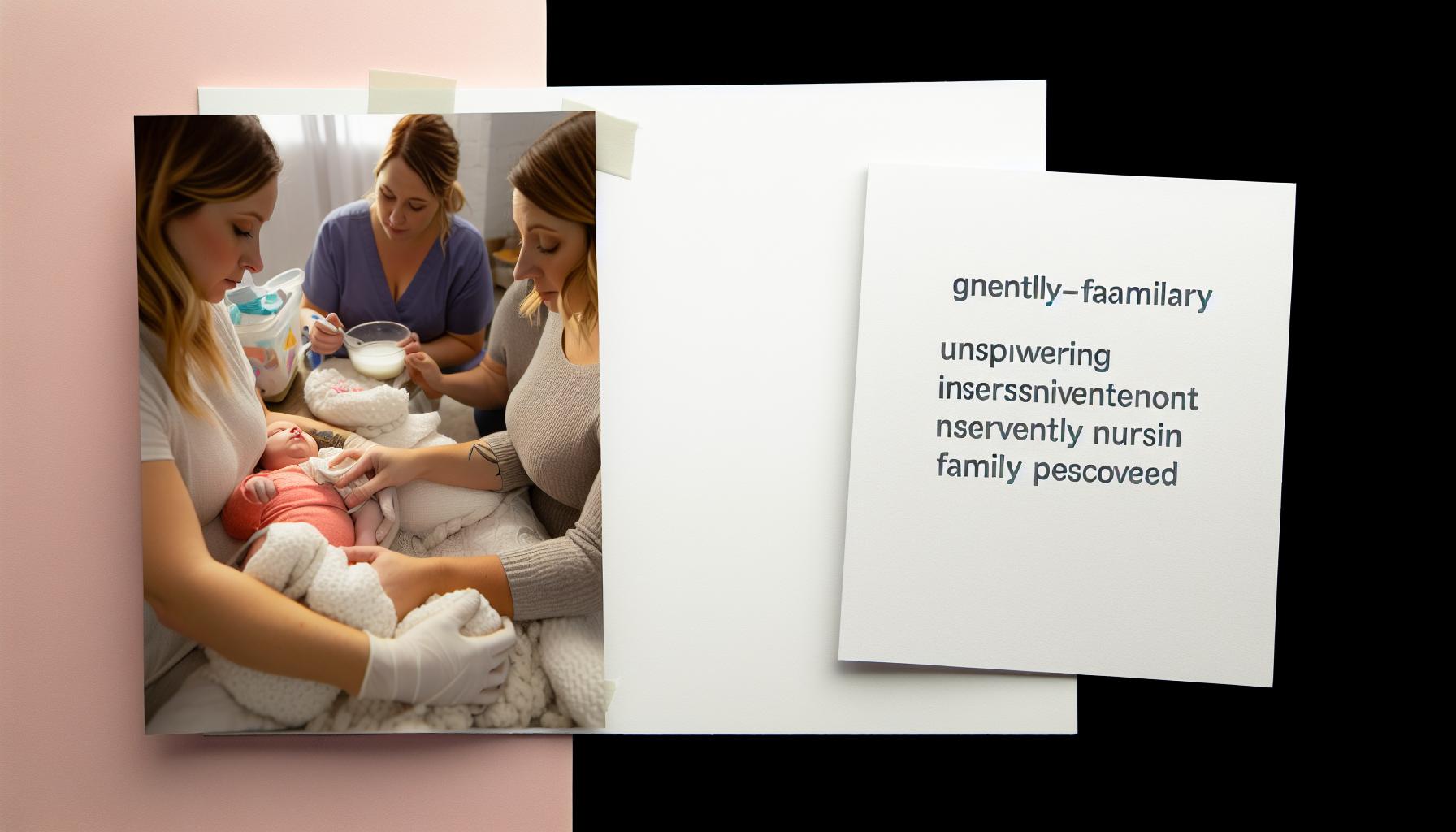
Understanding the Importance of Postpartum Care
Effective postpartum recovery is vital not only for the physical healing of the mother but also for her emotional well-being and adjustment to motherhood. Nursing professionals play a crucial role in providing extensive care and education to ensure that new mothers navigate this transition smoothly. Essential interventions focus on monitoring physical health, promoting mental well-being, and facilitating family dynamics, all of which can significantly enhance the recovery experience.
Monitoring Physical Health
One of the primary nursing interventions involves regular monitoring of the mother’s physical condition post-delivery. Nurses should ensure that mothers undergo at least three postnatal visits, typically scheduled on day 3, between days 7 to 14, and at the 6-week mark. These visits are critical for assessing recovery from labor and delivery, and also identifying any complications such as infection or excessive bleeding [[1]]. During these examinations, it is important to also evaluate the healing status of any perineal incisions or C-section wounds. Encouraging new mothers to regularly check their incisions with a mirror can definitely help them stay aware of their healing progress and identify signs of infection early [[2]].
Promoting Emotional Support
Postpartum recovery is not solely a physical journey; emotional and mental health are equally critically important. Educating mothers about potential mood changes and the signs of postpartum depression is essential. Nurses should implement relaxation techniques such as deep breathing, meditation, and gentle physical activity to support emotional stabilization. These practices help alleviate discomfort and allow mothers to refocus their attention positively [[3]]. Creating a supportive habitat that encourages open discussions about feelings can empower mothers to seek help if needed.
Encouraging Family Involvement
family dynamics play a notable role in the postpartum recovery process.Nurses should actively encourage family members, including partners and older children, to participate in the recovery journey. This can involve offering education about the challenges of postpartum life and how family support can be beneficial. Providing resources for family members to understand their role can foster a team approach to caregiving. As a notable example, arranging for family meetings to discuss roles, responsibilities, and expectations can greatly enhance the support system for the new mother.
| Postpartum Visit Schedule | Purpose |
|---|---|
| Day 3 | Assess physical recovery, monitor complications |
| Days 7-14 | Evaluate emotional health, check incision healing |
| 6 Weeks | Comprehensive evaluation of physical and emotional well-being |
By implementing these essential nursing interventions, healthcare providers can significantly impact the recovery journey of postpartum mothers. The insights gained from the Postpartum HESI Case Study demonstrate the necessity of a holistic approach that encompasses physical, emotional, and relational aspects of care.
Supporting Mental Health in new mothers: strategies for Nurses
One in seven new mothers experiences postpartum depression, highlighting an urgent need for effective support strategies from healthcare professionals.Nurses play a critical role in identifying and addressing mental health concerns during the postpartum period. By implementing targeted interventions, they can significantly improve outcomes for mothers and their families.
Recognizing Symptoms Early
Awareness of the signs of postpartum mental health conditions is vital for nurses. Key symptoms to monitor include:
- Persistent sadness or low mood
- Excessive worrying or anxiety
- Difficulty bonding with the baby
- Changes in sleeping or eating patterns
Nurses should conduct thorough assessments during routine check-ups and encourage new mothers to express their feelings openly. This proactive approach can lead to early intervention and a better support system.
Creating a Supportive Environment
Fostering a nurturing environment for new mothers is essential. Nurses should consider the following strategies:
- Provide education on postpartum mental health to encourage mothers to seek help when needed.
- Facilitate support groups where mothers can share experiences and coping strategies.
- Encourage family involvement, as a strong support network can alleviate feelings of isolation.
Utilizing resources available from the Postpartum HESI Case Study: key Insights for Nursing Professionals can also equip nurses with the tools necessary to address mental health challenges effectively.
Implementing Mindfulness and Self-Care Techniques
Cultivating self-care habits among new mothers is another vital strategy. Nurses can guide them towards:
- Mindfulness practices, such as meditation or deep breathing exercises.
- Physical activity,which can enhance mood and overall well-being.
- Scheduling “me-time” to engage in hobbies or relaxing activities.
By encouraging these practices, nurses can help new mothers build resilience and improve mental health outcomes during the challenging postpartum period.
the Role of Family Support in Postpartum healing
The Vital Importance of Family Support in Postpartum Healing
The transition to parenthood is one of the most profound experiences in life, often accompanied by a whirlwind of emotions and physical challenges. During this critical period, family support can significantly impact a new mother’s recovery and emotional well-being. Research indicates that strong familial bonds can act as a buffer against the risks of postpartum complications, including depression and anxiety, which are highlighted in the “Postpartum HESI case Study: Key Insights for Nursing Professionals.”
Family members play a pivotal role in two primary ways: providing emotional support and assisting with practical tasks. Emotional support from partners, parents, and friends helps new mothers feel valued and understood, which can mitigate feelings of isolation. Regular check-ins and listening ears can foster an environment where mothers feel safe sharing their struggles. Additionally, practical support such as help with household chores, childcare, or meal preparation can alleviate the overwhelming demands placed on new parents, allowing them to focus on recovery and bonding with their newborns.
- Encouraging Open Communication: Families should promote obvious conversations about the challenges of postpartum life. This approach can help identify signs of distress early and lead to timely interventions.
- promoting Self-Care: family members can encourage new mothers to prioritize their self-care, emphasizing the importance of rest and relaxation. When mothers are well-cared for, they’re better positioned to care for their infants.
- Participating in Education: Family units can benefit from attending prenatal and postpartum classes together, gaining insights on how to support the mother effectively.
While the emotional and practical support is crucial, it’s equally important to recognize that some mothers may need professional help. Families should not hesitate to seek guidance from healthcare providers if symptoms of postpartum conditions arise. By being proactive and involved, family members are not just caretakers but are essential partners in the healing process, fostering a nurturing environment conducive to recovery. The insights gleaned from the “Postpartum HESI Case Study” illustrate that holistic support—combining professional help with intimate familial relationships—creates an optimal scenario for wellness during this transformative time.
Educating Patients: Key Topics for Postpartum Care Discussions
Essential Topics for Postpartum Patient Education
Understanding the postpartum period is crucial for new parents. This phase presents unique challenges and opportunities for education regarding maternal and infant health. In the context of the *Postpartum HESI Case Study: Key Insights for Nursing Professionals*, effective communication about key topics can empower new parents and promote better health outcomes.
- Physical Recovery: Discussing the expected physical changes after childbirth is vital. This includes information about perineal care, signs of infection, and recognizing the body’s healing process.Explain the importance of regular follow-up appointments to assess recovery.
- Mental Health Awareness: Many new parents experience mood changes, ranging from the ‘baby blues’ to postpartum depression. Education on recognizing symptoms and seeking help can be lifesaving. Encourage parents to openly discuss feelings and support each other through this transition.
- Feeding Guidance: Whether breastfeeding or formula feeding, providing tips on nutrition, breastfeeding techniques, and feeding schedules can definitely help ease anxiety and ensure adequate infant nutrition. Offer resources for lactation consultants if needed.
- Infant Care Basics: New parents frequently enough feel overwhelmed by caring for a newborn. Discuss fundamental aspects like safe sleeping practices, diapering, and recognizing common health issues in infants which can establish confidence in their new roles.
Supporting Customs and Practices
It’s important to acknowledge diverse cultural practices regarding postpartum care. Healthcare professionals should encourage discussions about individual beliefs and customs that can influence postpartum care. As an example, some cultures may emphasize confinement rituals or specific dietary practices that aid recovery. By respectfully integrating these practices into the care plan, nurses can enhance trust and cooperation.
| Key Area | Education Strategies | Resources |
|---|---|---|
| Physical Recovery | Share self-care practices, pain management strategies | Postpartum recovery pamphlets |
| Mental Health | Encourage open discussions, provide screening tools | Local mental health services directory |
| Feeding | Provide feeding logs, breastfeeding class referrals | Lactation consultant contact info |
| Infant Care | Hands-on demonstrations, infant care workshops | Parenting classes, online resources |
Incorporating these critical discussions into postpartum care enhances parent education, aligns with insights from the *Postpartum HESI Case Study: Key Insights for Nursing professionals*, and ultimately supports a smoother transition into parenthood.
Promoting Healthy Practices: Nutrition and Self-Care After Delivery
Fueling Recovery Through Nutrition
the postpartum period is a critical time for recovery, and maintaining a balanced diet is essential for new mothers. Not only does proper nutrition aid in physical healing, but it also supports mental well-being and energy levels during this demanding time. Breastfeeding mothers, in particular, require an additional 340 to 400 kilocalories per day compared to their pre-pregnancy intake to adequately nourish both themselves and their babies [[3]](https://www.cdc.gov/breastfeeding-special-circumstances/hcp/diet-micronutrients/maternal-diet.html).
Essential Nutrients for Postpartum Health
New mothers should aim to include a variety of nutrient-dense foods in their diets. Key nutrients include:
- Iron: Essential for energy and fatigue prevention—good sources include lean meats,spinach,and fortified cereals.
- Folic Acid: Critically important for recovery and breastfeeding, found in leafy greens, beans, and fortified grains.
- Vitamins E and C: These vitamins are crucial for immune support and skin health; sources include nuts, seeds, citrus fruits, and vegetables.
Interestingly, studies indicate that while calorie intake during the postpartum period may remain stable, certain nutrients like fiber and specific vitamins can decrease when compared to pregnancy [[1]](https://pmc.ncbi.nlm.nih.gov/articles/PMC7285175/). This highlights the importance of intentional dietary choices.
Creating a Balanced Plate
One practical approach to ensuring a well-rounded diet is to follow the “plate method.” Ideally, your meals should consist of:
| Food Group | Portion Size |
|---|---|
| Grains (preferably whole grains) | ¼ of your plate |
| Fruits and Vegetables | ½ of your plate |
| Protein Sources | ¼ of your plate |
This method not only enhances nutrient intake but also supports digestion and energy levels, crucial for mothers caring for newborns [[2]](https://www.nyp.org/womens/pregnancy-and-birth/postpartum-care/postpartum-diet-exercise).
Importance of self-Care
In addition to nutrition, self-care practices play a significant role in postpartum recovery.Taking time for oneself—whether through gentle exercise, relaxation techniques, or engaging in hobbies—can tremendously impact overall health. It can be beneficial for new mothers to build a support network that encourages self-care routines and assists in sharing the responsibilities of newborn care.
Building a Supportive Network: Resources for New Parents
The Importance of a Supportive Network
Building a strong support network is crucial for new parents navigating the complexities of postpartum life. Engaging with others who share similar experiences can alleviate feelings of isolation and provide practical assistance. As highlighted in the “Postpartum HESI Case Study: Key Insights for Nursing Professionals,” the emotional and physical challenges of new motherhood necessitate a robust support system.This network can be composed of family, friends, healthcare professionals, and community resources, ensuring that new parents feel connected and supported during this transformative period.
Types of Support Available
new parents can benefit from various forms of support, tailored to their unique needs. Consider exploring the following resources:
- In-person support groups: These groups foster community and connection, allowing parents to share experiences and strategies for coping with postpartum challenges.
- Online communities: Websites and social media platforms host numerous groups focused on new parenting, enabling easier access to advice and emotional support from anywhere.
- Postpartum doulas: These trained professionals provide hands-on support, helping parents with infant care and offering guidance on postpartum recovery.
- Local resources: Hospitals and clinics often have programs and groups designed for new parents, including parenting classes and mental health resources.
Creating Your village
Finding your “village” as a new parent requires intentionality and a willingness to reach out. Acknowledge the potential discomfort of asking for help, but remember that establishing connections can significantly enhance your postpartum experience. Join local parent groups or attend community events tailored for families. Online platforms, such as the National Parent Helpline, provide access to specialized support groups for various demographics, including dads and parents dealing with mental health issues [[3]](https://www.chop.edu/centers-programs/center-fetal-diagnosis-and-treatment/online-support-groups-new-and-expecting-parents).
Resources and Links
To aid in the establishment of a supportive network,consider the following resources:
| Resource | Type of support | Link |
|---|---|---|
| National Parent Helpline | Online/Phone Support | Visit Site |
| Postpartum Support International | In-person/Online Support Groups | Visit Site |
| local Parenting classes | Education & Community | check Local Listings |
Feeling supported during the postpartum period can significantly influence your mental and physical well-being. Embrace the resources available, connect with others, and create a lasting network that enhances your experience as a new parent.
Frequently asked questions
What is the Postpartum HESI Case Study?
The Postpartum HESI Case Study is a focused educational tool designed to enhance nursing students’ understanding of maternal care after delivery. It involves case scenarios that help reinforce clinical knowledge in postpartum management.
These case studies typically include patient evaluations, treatment plans, and expected outcomes, providing a comprehensive learning experience. They are often used in nursing programs to prepare future professionals for real-life situations, emphasizing critical thinking and assessment skills in postpartum care.
Why is the Postpartum HESI Case Study important for nursing professionals?
Understanding the Postpartum HESI Case Study is crucial because it equips nursing professionals with the skills needed to manage postpartum complications effectively. It addresses common issues such as hemorrhage and infection risk.
These insights promote better patient outcomes and enhance the confidence of nurses in clinical settings.The case studies also encourage collaborative learning, where nurses can share experiences and strategies to improve maternal care.
How can nursing students effectively study the Postpartum HESI Case study?
Nursing students can study the Postpartum HESI Case study by engaging in active learning strategies, including group discussions and simulated scenarios, to enhance comprehension. Utilizing practice questions can also reinforce knowledge.
Furthermore,reviewing clinical guidelines and current research related to postpartum care helps build a solid foundation. Incorporating feedback from educators and participating in study groups can create a supportive learning environment.
What should be assessed in a Postpartum HESI Case Study?
Key assessments in a Postpartum HESI Case Study include monitoring vital signs, evaluating uterine tone, and observing for signs of complications such as bleeding. These assessments are vital for ensuring patient safety.
Understanding the normal postpartum recovery process allows nurses to identify deviations promptly, improving interventions and care strategies. Always ensure to document findings accurately for continuity of care.
can I use postpartum case studies for real-world clinical scenarios?
Yes, you can use postpartum case studies to simulate and prepare for real-world clinical situations. these studies reflect common scenarios nurses may encounter, helping build problem-solving skills.
Using these studies in practice can help to anticipate patient needs and create effective care plans. Real-world case studies enhance the transition from theoretical knowledge to practical request in nursing education.
Why does the Postpartum HESI Case study focus on patient-centered care?
The Postpartum HESI Case Study emphasizes patient-centered care as it prioritizes the holistic needs of new mothers during recovery. Understanding their physical and emotional needs is crucial for effective nursing interventions.
This approach fosters trust and promotes better communication between nurses and patients, ultimately improving health outcomes. Focused care also enhances patient satisfaction during the vulnerable postpartum period.
How can I prepare for the HESI Postpartum exam?
To prepare for the HESI Postpartum exam, review core concepts of maternal health, engage in practice exams, and participate in study groups. This preparation builds knowledge and fosters confidence.
Incorporating case studies into your study routine can provide practical contexts that help clarify concepts. Seek guidance from instructors to address any challenging material.
Wrapping Up
the “Postpartum HESI Case Study” offers valuable insights into the critical role nursing professionals play in supporting new mothers and their newborns during this transformative period. Understanding the complexities of postpartum care—ranging from physical assessments like evaluating the fundus and lochia to providing emotional support—equips nurses with the knowledge to foster a nurturing environment. By exploring practical strategies and cultivating strong nurse-patient relationships, healthcare providers can empower families, ensuring they feel confident navigating the challenges of parenthood.We encourage you to delve deeper into the nuances of postpartum care and engage in the ongoing conversation around best practices and supportive strategies. Together, let’s create a compassionate network that uplifts and guides families during this pivotal time.
Get our latest guides, news, and insights highlighted in your Google Search & AI Overviews.