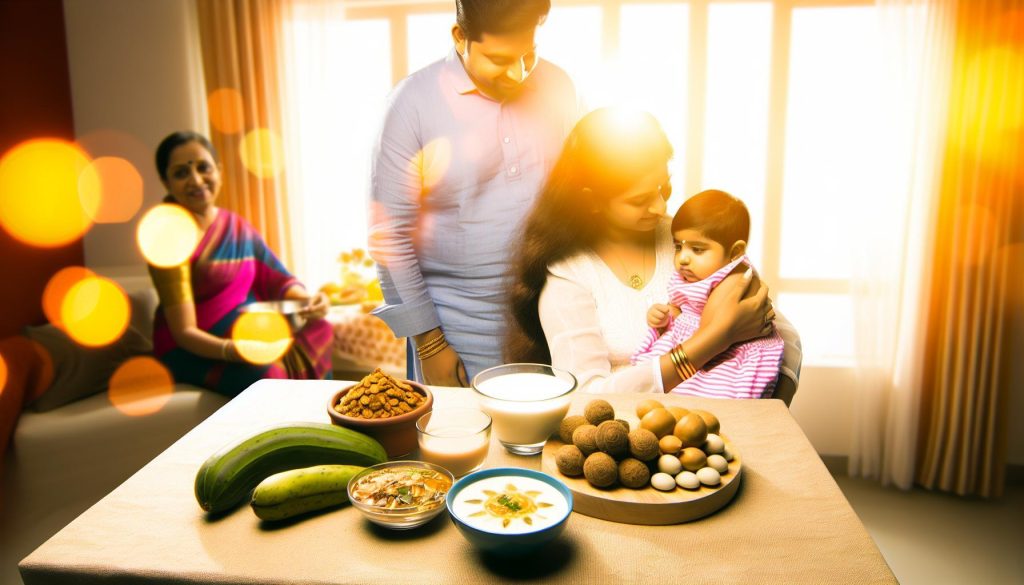

Navigating the postpartum period can be overwhelming, especially when it comes to nourishing your body. A customary Indian diet rich in age-old practices not only aids recovery but also enhances lactation and overall well-being. Embracing these time-tested foods can significantly impact your health and energy levels as you embark on motherhood.
The Importance of Nutrition in the Postpartum Period
The Vital Role of Nutrition After Childbirth
Did you know that postpartum nutrition can significantly impact a mother’s recovery and overall well-being? After giving birth, the body demands a diverse array of nutrients to heal and adapt to new physiological changes. The meaning of dietary choices cannot be overstated—proper nutrition supports not only physical recovery but also mental health, which is essential during this transformative period.
A balanced postpartum Indian diet can provide the necessary vitamins, minerals, and energy. Traditional foods emphasize warming ingredients and easy digestion,which are vital for healing after childbirth. For instance, staples such as moong dal, rice, and ghee are commonly recommended. These foods are not only nutrient-dense but also comforting, helping to replenish energy stores and support lactation for breastfeeding mothers.
- Iron-rich foods: Incorporate lentils, spinach, and jaggery to combat anemia.
- High-protein meals: Include options like chicken curry, chickpeas, or paneer to aid tissue recovery.
- Hydration: Herbal teas like fenugreek and ginger-infused water can enhance hydration and digestion.
Moreover, the emotional well-being of new mothers can be influenced by their diet. Consuming traditional meals nourishes not only the body but also the soul, providing a sense of comfort and cultural continuity. Engaging family members in meal preparation can foster emotional support and strengthen family bonds, creating a nurturing environment during this critical period. A well-rounded, culturally attuned postpartum Indian diet can serve as both a resource for nourishment and a way to celebrate the transition into motherhood.
| Food Group | Benefits |
|---|---|
| Protein | Aids in recovery and lactation |
| Whole Grains | Provides energy and essential fiber |
| Fruits and Vegetables | Rich in vitamins and antioxidants for healing |
| Healthy Fats | Supports hormone production and overall health |
By embracing a postpartum Indian diet centered on these principles, new mothers can ensure a healthy recovery while honoring their cultural heritage.
Traditional Indian foods for Enhanced Healing and Energy
Did you know that many traditional Indian foods are celebrated for their restorative properties, particularly in the postpartum phase? These dishes not only offer vital nutrients but also embrace ancient wisdom that promotes healing and boosts energy levels during a crucial period of recovery.
Nourishing Ingredients for Healing
Central to a postpartum Indian diet are ingredients that enhance healing and rejuvenate the body. The following key food groups should be incorporated into daily meals:
- Whole Grains: Foods like brown rice, quinoa, and millet provide sustained energy while aiding digestion.
- Legumes: Lentils and beans are rich in protein and iron, essential for rebuilding strength.
- Nuts and seeds: Almonds, sunflower seeds, and flaxseeds offer healthy fats and vitamins significant for lactation.
- Spices: Turmeric, ginger, and cumin not only add flavor but also have anti-inflammatory properties.
- Leafy Greens: Dark vegetables like spinach and fenugreek are packed with iron and calcium,which are pivotal in recovery.
Restorative Dishes to Include
When planning meals, consider incorporating dishes specifically known for their healing properties. Here are a few traditional options that can be especially beneficial:
| Dish | Key Benefits |
|---|---|
| Khichdi | Rich in proteins and soluble fibers, easy on the digestive system, and soothing to the stomach. |
| Saag or Palak Paneer | High in calcium and vitamin C, helps in healthy bone recovery and lactation. |
| Ghee Rice | Provides healthy fats essential for overall health and energy, while Ghee aids in digestion. |
| ajwain Parathas | Carom seeds aid digestion and can definitely help alleviate postpartum discomfort. |
By embracing these traditional foods, new mothers not only nourish their bodies but also connect with cultural practices that support emotional and physical well-being during the postpartum period. The Postpartum Indian Diet, rich in wholesome ingredients and comforting flavors, can be a vital ally in the recovery journey.
Key Nutrients to Focus on After Baby Arrival
Essential Nutrients for Postpartum Recovery
Postpartum nutrition is critical, as the body requires support to heal and adjust after childbirth. A well-balanced diet that includes key nutrients can significantly aid recovery, boost energy levels, and enhance milk production for breastfeeding mothers. Focusing on traditional foods, many of which are rich in essential vitamins and minerals, can provide the necessary nourishment during this vital period.Iron is essential for replenishing postpartum blood loss and preventing anemia. Dark leafy greens, lentils, and traditional dishes like saag (spinach) and daals are excellent sources. Incorporating these foods can help restore energy levels and improve overall well-being.
Calcium is another crucial nutrient, particularly for breastfeeding mothers, as it supports the infant’s advancement and helps maintain the mother’s bone health.Dairy products such as ghee, yogurt, and paneer, along with fortified plant-based alternatives, are great options. Consuming these regularly can bolster calcium intake effectively.
Healthy Fats play an essential role in postpartum recovery, particularly omega-3 fatty acids, which are critically important for brain health and reducing inflammation. Foods like fish, flaxseeds, and walnuts should be included in meals.Traditional recipes featuring coconut or sesame oil can also provide these beneficial fats, promoting healing and energy replenishment.
vitamins and Antioxidants
Ensuring an adequate intake of vitamins is vital for immune support.Foods rich in vitamin C, such as citrus fruits and tomatoes, can enhance overall health and promote healing. Additionally, incorporating a variety of colorful fruits and vegetables ensures a good supply of antioxidants that combat oxidative stress during the recovery process.
By focusing on these key nutrients—iron, calcium, healthy fats, and essential vitamins—new mothers can effectively harness the benefits of a postpartum Indian diet rich in traditional foods that support recovery and ensure well-being for both mother and child.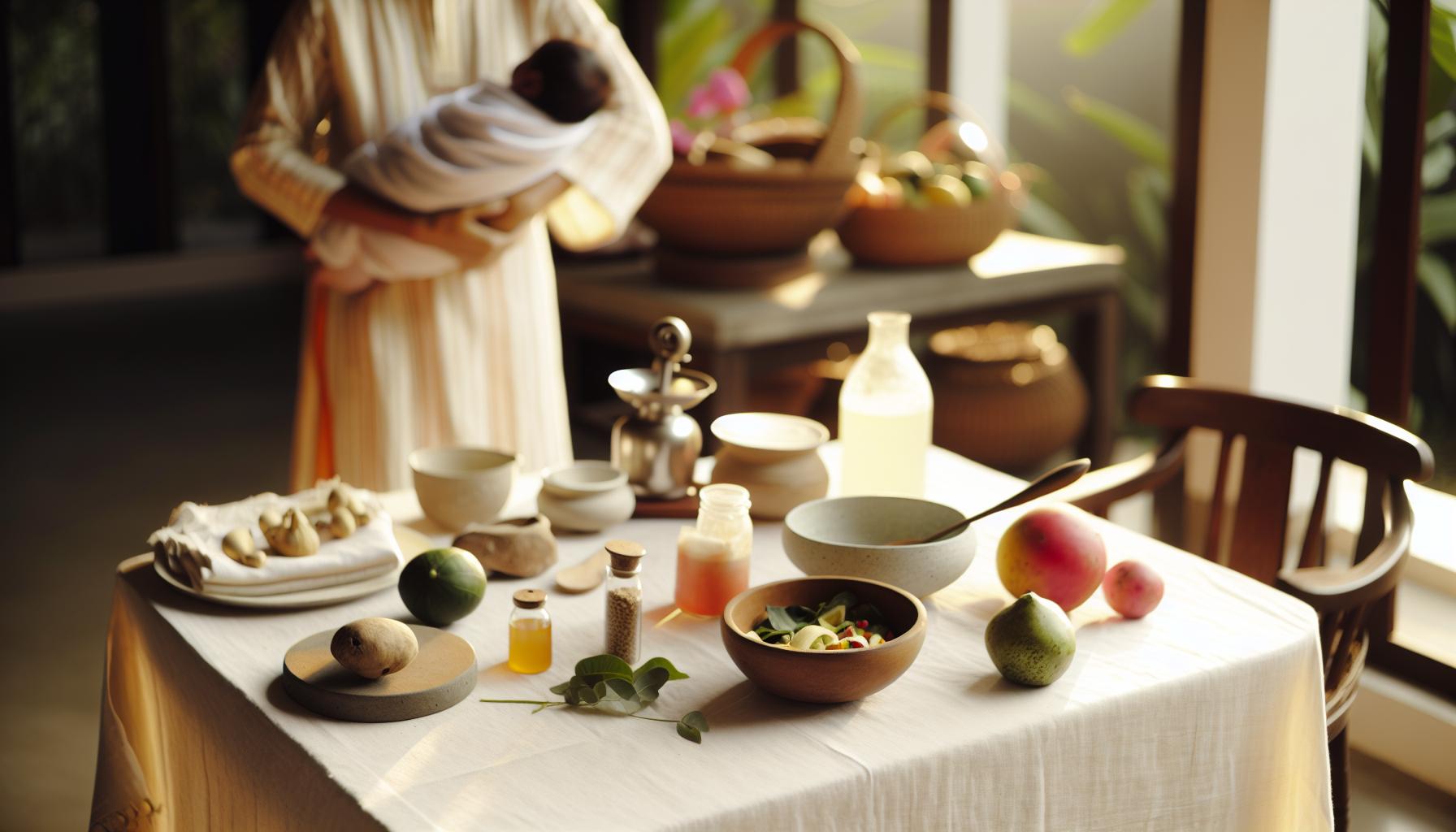
incorporating Ayurvedic Principles into Your Postpartum Diet
The postpartum period is a crucial time for new mothers,as their bodies undergo significant changes while adjusting to the demands of motherhood. Embracing Ayurvedic principles in your recovery journey not only nourishes the body but also enhances emotional well-being. ayurveda, an ancient Indian system of medicine, emphasizes balance in all aspects of life, including diet, which can play a pivotal role in postpartum recovery.
Understanding Doshas and Your Postpartum Needs
in Ayurveda, everyone has a unique combination of three energies known as doshas: Vata, Pitta, and Kapha.During the postpartum period, Vata is frequently enough heightened due to the physical and emotional strain of childbirth.Therefore, it is essential to consume foods that pacify Vata while also providing the necessary nutrients for recovery.
- Warm and Nourishing Foods: Focus on consuming warm meals that are easy to digest, such as khichdi (a comforting blend of rice and lentils) or soups made with seasonal vegetables and spices.
- Healthy Fats: Include ghee or sesame oil in your diet, as they are rich in essential fatty acids and help to nourish the body and improve digestion.
- Spices for Balance: Incorporate spices like ginger, turmeric, and cumin, which not only add flavor but also aid digestion and support overall health.
key Foods for Recovery
It’s essential to select specific foods that align with Ayurvedic practices to create a well-rounded postpartum diet.Here’s a simple table showcasing some recommended foods and their benefits:
| Food | Benefits |
|---|---|
| Moong Dal | Easy to digest, rich in protein and fiber, and helps reduce Vata. |
| Sweet Potatoes | Rich in vitamins, provides energy, and balances skin health. |
| almonds | Nourishes the brain and enhances lactation when soaked and blended into milk. |
| Neem Leaves | Helps detoxify and purify the blood, promoting overall well-being. |
mindful Eating practices
To further enrich your postpartum experience, it’s advisable to embrace mindful eating practices. This can include setting a calm atmosphere during meals, chewing your food thoroughly, and being present at the moment. Ayurveda emphasizes not just what you eat, but how you eat. Incorporating gratitude and a sense of mindfulness during meals fosters a deeper connection with your food, aiding in digestion and enhancing nutrient absorption.
By embracing these Ayurvedic principles, you can create a postpartum diet that supports recovery, nurtures the body, and restores balance. Combining traditional foods from the Postpartum Indian Diet with these mindful practices can provide an enriching experience that celebrates both your culture and your journey into motherhood.
Recipes for Nourishing Dishes That promote Recovery
Did you know that the right nutrition in the postpartum period can significantly enhance recovery, boost energy levels, and even improve lactation? For those embracing the postpartum journey, traditional Indian dishes offer a wealth of nutrients that can support healing and provide much-needed strength.
Essential Ingredients for Healing
Utilizing a variety of ingredients is crucial in creating postpartum dishes that nourish the body and promote recovery. here are some vital components to incorporate into your meals:
- Ghee: rich in healthy fats, ghee aids in digestion and helps maintain energy levels.
- Sesame Seeds: Packed with calcium and iron, these seeds can improve bone health and prevent anemia.
- Turmeric: Known for its anti-inflammatory properties, turmeric can help in reducing inflammation post-delivery.
- Moong Dal: Easily digestible and high in protein, ideal for rebuilding strength.
- Leafy Greens: Spinach, methi (fenugreek), and othre greens offer a plethora of vitamins and minerals that are essential for recovery.
Recipes to Fuel Your Recovery
Incorporating traditional recipes into your daily routine can definitely help ensure you receive the nutrients necessary for optimal recovery.Here are a couple of comforting, nourishing dishes to consider:
| Dish | Key Nutrients | Preparation Time |
|---|---|---|
| Pesarattu (Moong Dal Pancakes) | Protein, Iron, dietary Fiber | 15 minutes |
| Palak Paneer | Calcium, Vitamin A, Protein | 30 minutes |
| Kitchari | Protein, Fiber, Digestive Aid | 25 minutes |
Recipe Example: Kitchari
Kitchari, a comforting dish made of rice and moong dal, is frequently enough recommended for postpartum recovery. It is indeed easy to digest and filled with spices that can stimulate digestion.Ingredients:
– 1 cup basmati rice
– 1 cup split yellow moong dal
– 1 tbsp ghee
– 1 tsp cumin seeds
– 1 tsp turmeric powder
– Salt to taste
– Chopped vegetables (carrots, peas, zucchini)
– 4 cups water
Instructions:
1. Rinse the rice and dal together until the water runs clear.
2.In a pot, heat ghee over medium heat, add cumin seeds, and let them splutter.
3. Add vegetables and sauté for a few minutes.
4. Stir in turmeric, then add rinsed rice and dal. Mix well.
5. Pour in water and add salt. Bring to a boil.
6. Lower the heat, cover, and simmer for about 20-25 minutes, until the rice and dal are soft.
7. Serve warm,as a single comfort meal rich in nutrients.
These nourishing dishes from the traditional indian postpartum diet can help new mothers recover physically and mentally,while also enjoyable to prepare and eat.
Tips for Meal Planning: Balancing Tradition and convenience
Embracing Heritage and Modernity
Every culture has its culinary traditions that serve not just to nourish the body but also to foster healing and community. The postpartum period, particularly in Indian culture, is steeped in rich dietary customs designed to support recovery. However,as new mothers face the challenges of time and energy,balancing these traditional foods with modern convenience becomes essential. Understanding how to seamlessly incorporate traditional dishes with practical meal prep techniques can significantly enhance postpartum recovery while honoring cultural practices.
To start, prioritize meal planning by identifying key traditional foods that offer nutritional benefits during the postpartum phase. Ingredients like ghee, moringa, and various lentils are known for their healing properties. Create a meal plan that includes these items while also allowing flexibility for fast-prep meals. For instance:
- Moringa Khichdi: A nutritious dish that can be made in large batches and frozen.
- Dals: Prepare in different variations, making them a versatile addition throughout the week.
- Vegetable Stir-fries: Use available seasonal vegetables to create quick dishes that require minimal prep time.
Smart Meal Preparation Strategies
Implementing a few smart meal preparation strategies can transform your cooking experience from overwhelming to enjoyable. Consider the following actionable steps for integrating the postpartum Indian diet into your routine efficiently:
| Traditional Food | Preparation Method | Convenience Tip |
|---|---|---|
| Ghee | Prepare in batches and store | keep it handy for daily cooking |
| Moong dal | Cook a large quantity at once | Use it in soups or as a side |
| Rice | Make twice a week | Refrigerate for quick meals |
Utilizing leftovers is also a key strategy. Such as,if you make a large pot of khichdi,repurpose it by pairing it with a different vegetable or yogurt on another day. This not only saves time but also provides variety in meals, crucial for maintaining interest and enthusiasm in the diet.
In addition, consider involving family members or friends in meal prep to share the workload. Cooking together can be a wonderful way to bond while ensuring that traditional recipes are kept alive. This communal effort also allows for the exchange of new techniques or ingredients, blending traditional postpartum Indian diet practices with modern convenience seamlessly.
Addressing Common Postpartum challenges Through Diet
Nutrition as a foundation for Healing
During the postpartum period, many new mothers face a variety of challenges, ranging from physical exhaustion to emotional fluctuations. A well-balanced diet can play a crucial role in alleviating these issues and supporting recovery.Traditional foods from the *Postpartum Indian Diet: Traditional Foods to Support Recovery* are particularly beneficial for overcoming common postpartum challenges.
Combatting Fatigue
Fatigue is a common complaint in the postpartum phase, often exacerbated by sleep deprivation and the demands of caring for a newborn. incorporating nutrient-dense foods can provide the energy needed to navigate this challenging time.Here are some traditional Indian foods that can help:
- Moong dal (split yellow lentils): Rich in protein and easy to digest, moong dal supports energy recovery and can be made as a soups or khichdi combined with rice.
- Ghee (clarified butter): A staple in many Indian diets, ghee is packed with healthy fats that can help promote caloric intake and improve energy levels.
- Dates and nuts: Often recommended for their natural sweetness and richness in vitamins and minerals, they provide quick energy boosts and can help keep postpartum fatigue at bay.
Improving Mood and Mental Well-Being
Postpartum blues can arise due to hormonal fluctuations and the stress of new motherhood. Foods rich in omega-3 fatty acids and antioxidants can improve mood and mental well-being. Consider integrating these into your diet from traditional ingredients:
| food | Benefits |
|---|---|
| Fish (such as salmon or mackerel) | High in omega-3 fatty acids, essential for brain health and mood regulation. |
| Turmeric | Its anti-inflammatory properties can help enhance mood and reduce stress. |
| Spinach | Rich in folate, a nutrient that supports emotional health and helps combat depression. |
Facilitating Digestive Health
Postpartum recovery also involves addressing digestive issues such as bloating or constipation, which can be common after childbirth. A diet that includes fiber-rich foods and gut-kind ingredients can promote better digestion. Traditional foods to consider include:
- Idli (steamed rice cakes): Made from fermented rice and lentils, idlis are easy to digest and can boost gut health.
- Curd (yogurt): Rich in probiotics, curd can help establish a healthy gut flora and support digestion.
- Fruits like papaya and guava: Both are high in fiber and can aid in regular bowel movements.
By embracing these traditional dietary practices,new mothers can address the common challenges faced during the postpartum period,fostering a smoother recovery and improved overall well-being. Careful attention to nutrition not only aids physical recovery but also boosts emotional resilience during this transformative period.
Supportive Foods for Emotional Well-being After Childbirth
The postpartum period is frequently enough a whirlwind of emotions, hormonal changes, and new responsibilities. It’s essential to nourish not only the body but also the mind during this sensitive phase, as what you eat can significantly impact your emotional well-being. Traditional Indian foods, rich in nutrients and carefully chosen for recovery, can offer great support during this critical time.
Key Nutrients for Emotional Health
In postpartum recovery, some nutrients play a crucial role in enhancing emotional stability and overall mental well-being. Here are some key nutrients found in traditional Indian foods that can definitely help you reclaim balance:
- Omega-3 Fatty Acids: Essential for brain health, these can help reduce feelings of anxiety and depression. Good sources include flaxseeds and fish.
- B Vitamins: Crucial for energy and addressing mood disorders, they are abundant in whole grains, legumes, and leafy greens.
- Iron: Very important to combat fatigue, which can heighten emotional distress. Opt for lentils, chickpeas, and dark leafy vegetables.
- Magnesium: A mineral that can alleviate symptoms of anxiety; it’s found in nuts, seeds, and dark chocolate.
Traditional Dishes to Consider
Incorporating traditional Indian dishes into your diet can be both comforting and beneficial for emotional health. here are a few dishes that can support recovery and uplift your mood:
| Dishes | Ingredients | Emotional Benefits |
|---|---|---|
| Khichdi | Basmati rice, moong dal, spices | Easy to digest, comforting, provides energy. |
| Palak Paneer | Spinach, paneer, spices | Rich in iron and calcium, boosts mood and energy. |
| Turmeric Milk | Milk, turmeric, jaggery | Anti-inflammatory, promotes relaxation and sleep. |
| Ladoo (especially Besan Ladoo) | Chickpea flour, ghee, nuts | Rich in nutrients, provides energy and comfort. |
Adopting a postpartum Indian diet that includes these supportive foods not only fosters physical recovery but also enriches your emotional health. Prioritize meals infused with love and tradition, and remember, every bite you take is a step towards greater well-being during this transformative period.
Frequently Asked Questions
What is a Postpartum Indian Diet: Traditional Foods to Support Recovery?
The Postpartum Indian Diet: Traditional Foods to Support Recovery focuses on nutrient-dense foods that aid recovery after childbirth. This diet emphasizes ingredients believed to enhance healing, boost energy, and promote lactation.
Traditionally, postpartum meals include foods rich in iron, calcium, and fiber. Dishes like khichdi, ghee, and ajwain parathas are frequently enough recommended to help nourish the new mother and ensure her well-being during this critical period.
Why does the Postpartum Indian Diet focus on traditional foods?
This diet prioritizes traditional foods as they have been used for generations to support new mothers. These foods are often rich in nutrients that help with recovery, energy replenishment, and milk production.
Many of these traditional practices are rooted in ancient wisdom. As an example, turmeric is included for its anti-inflammatory properties, while fenugreek is used to boost lactation. Embracing these foods can provide physical and emotional support during postpartum recovery.
Can I include modern foods in my Postpartum Indian Diet?
Yes, you can include modern foods in your Postpartum Indian diet: Traditional Foods to Support Recovery.The key is to ensure that you’re still getting the necessary nutrients to support your health and recovery.
Incorporating fresh fruits, vegetables, and whole grains alongside traditional recipes can provide a balanced meal plan. For example, a smoothie with banana and spinach can complement traditional meals while boosting your nutrient intake.
How do traditional spices benefit the Postpartum Indian Diet?
Traditional spices play a significant role in the Postpartum Indian diet: Traditional Foods to Support Recovery by adding flavor and providing health benefits. Spices like cumin and ginger can aid digestion and boost metabolism.
Moreover, some spices are believed to have medicinal properties. For instance, cinnamon can help regulate blood sugar levels, while black pepper aids in nutrient absorption.Understanding these benefits can empower mothers to make healthier choices.
what are some easy recipes to follow in a Postpartum Indian Diet?
Easy recipes for the Postpartum Indian Diet: Traditional Foods to support Recovery include dal khichdi, palak paneer, and sabudana kheer. These dishes are not only simple to prepare but also packed with essential nutrients.
As an example, dal khichdi made with lentils and rice provides protein and carbohydrates for energy. Pairing dishes with buttermilk or yogurt can enhance nutrients and aid digestion, making recovery more manageable.
Why is ghee important in the Postpartum Indian Diet?
Ghee is important in the Postpartum Indian Diet: Traditional Foods to Support Recovery because it is rich in healthy fats and is believed to aid in healing and energy replenishment.
Moreover, ghee is a source of butyrate, which supports gut health, a vital aspect of postpartum wellness. incorporating ghee into meals can also enhance the flavor and absorb nutrients better,making it a staple in many traditional postpartum diets.
How can I adapt traditional foods for a lactose-intolerant diet?
If your lactose intolerant, you can still enjoy the Postpartum Indian Diet: Traditional Foods to Support Recovery by substituting dairy with alternatives such as almond milk or coconut yogurt.
Many traditional recipes can be modified.for example, paneer can be replaced with tofu, and ghee can be made from coconut oil. This allows you to benefit from the nutritional advantages of traditional foods while accommodating dietary restrictions.
Wrapping Up
As you embark on your journey through postpartum recovery, embracing a traditional Indian diet can play a pivotal role in nourishing both your body and spirit. By incorporating nutrient-rich foods that honor the wisdom of generations, you not only support your healing but also foster a strong connection with your cultural roots. Remember that every mother’s experience is unique, and it’s perfectly normal to face challenges along the way.
take small, manageable steps towards your dietary goals, and explore the variety of flavors and dishes that can make this process enjoyable and satisfying. Whether it’s savoring ghee, indulging in khichdi, or enjoying soothing herbal teas, allow yourself the grace to adapt and experiment with choices that resonate with you.
We encourage you to continue exploring our resources and engage with our community for support, tips, and shared experiences. Together, we can navigate this beautiful, yet complex, phase of parenthood, enriching our lives with knowledge and compassion. You’re not alone in this journey, and every step you take is a step towards a healthier, happier you.
Get our latest guides, news, and insights highlighted in your Google Search & AI Overviews.