

Finding safe and engaging environments for your little one to explore and play is crucial for their development. With increasing concerns over safety and appropriate stimulation, discovering the best options can feel overwhelming. This article simplifies your search by highlighting fun and secure places where infants can thrive and enjoy playtime.
Creating Safe Play Spaces at Home for Your Little Ones
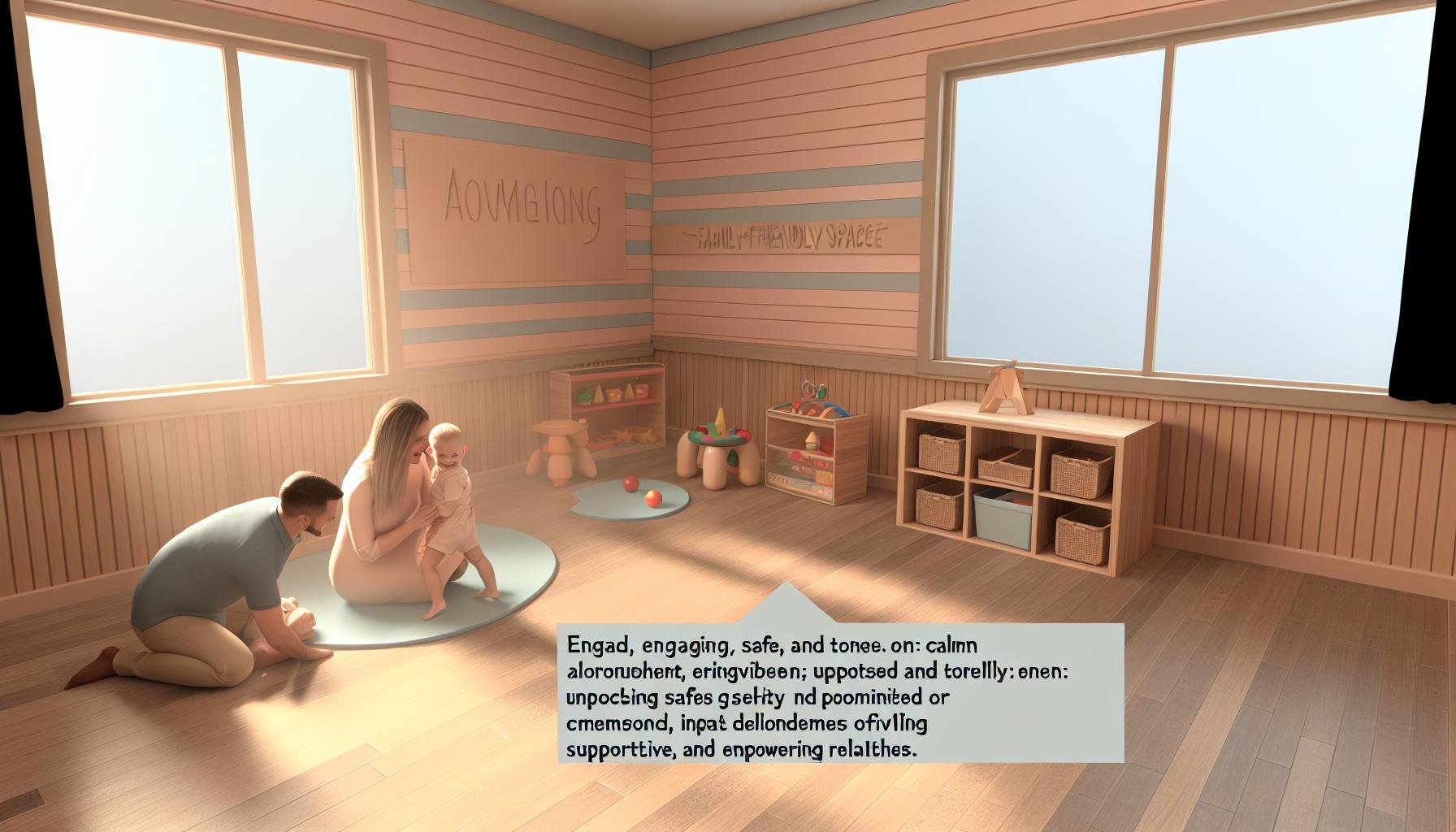
did you know that creating safe play spaces for your little ones at home can have a significant impact on their development? A well-designed play area not only fosters creativity and exploration but also ensures your child’s safety while they are busy learning through play. The key to a functional play space is striking the perfect balance between fun and safety as highlighted in the article, ‘Places for Infants to Play: Fun and Safe Ideas.’
Kit Out with the Right Equipment
To begin crafting a secure play surroundings, it’s essential to select age-appropriate equipment. Ensure that any toys or play structures are specifically designed for infants and feature soft edges and non-toxic materials. When considering play mats, look for those that are padded and easy to clean.
- Soft Play Mats: Prevents slips and falls.
- Infant Gyms: Keeps babies engaged with hanging toys.
- Big Blocks: Encourages imaginative play while being safe.
By choosing the right equipment,you create a cozy haven for your child that nurtures both safety and imaginative exploration.
Designing the Space
The layout of your play space is just as crucial as the equipment. Aim to designate an area where your infant can explore freely without worrying about hazardous items.
- Safety first: Remove any sharp objects or small items that pose choking risks.
- Visibility: Arrange furniture to provide a clear line of sight so you can easily supervise your little one at all times.
- Comfort: use cushions or soft seating for yourself to comfortably engage with your baby as they play.
Incorporate Natural Supervision
Consider using furniture or room dividers that allow you to keep an eye on your play area while still maintaining a sense of design. As a notable example, placing your child’s play area within view of the living room or kitchen can facilitate social interaction every time you glance over, which is vital for their emotional development.
| Element | Safety Feature | Benefit |
|---|---|---|
| Play Mats | Padded, non-slip | Reduces risk of injuries |
| Toys | Non-toxic materials | Safety assurance for infants |
| Furniture | Rounded edges | Minimizes potential accidents |
Utilizing these insights from the article ‘Places for Infants to Play: Fun and Safe Ideas,’ parents can effortlessly create an atmosphere conducive to both enjoyment and learning. Remember, a safe play environment is paramount in fostering a healthy development path for your baby.
Exploring Local Playgrounds: What to Look For
Did you know that outdoor play is crucial for infants’ development? Exploring local playgrounds can be an exciting adventure that promotes physical, social, and cognitive growth for your little one. When scouting for the perfect playground, it’s essential to consider factors that will ensure a joyful and secure environment for your child.
Safety First
When choosing a playground, prioritizing safety is key. Here are some critical elements to assess:
- Surface Material: Look for playgrounds with soft ground coverings like rubber mats, wood chips, or sand, which can help mitigate injuries from falls.
- Equipment Age Appropriateness: Ensure play structures are designed for infants or toddlers, featuring lower slides and gentle climbers.
- Regular Maintenance: Check if the equipment is well-maintained; rust, sharp edges, and wear can indicate neglect.
Engaging Features
An ideal playground for infants should offer various engaging features to inspire imaginative play. Consider the following:
- Interactive Play Panels: These are colorful boards with movable pieces that stimulate cognitive development while enhancing fine motor skills.
- Baby Swings and Tot-Pleasant Structures: Ensure there are swings designed for small children, and play structures that offer easy access for little ones.
- Sandbox Areas: Sand play is excellent for sensory exploration and fosters creativity.
Social interaction Opportunities
Playgrounds are not just places to play; they are social environments where children learn vital interaction skills. When selecting a local playground, observe if the following are available:
- Open design: A layout that encourages mingling, with pathways and open spaces can promote social engagement.
- Parent Supervision Areas: Whether benches or shaded sitting areas, parents should have cozy spaces to supervise while enjoying the outdoor atmosphere.
Accessibility and Location
Accessibility is another significant aspect to consider during your search for places for infants to play. Evaluate the following:
- Distance: Choose a playground within a reasonable distance from your home to encourage regular visits. A weekly outdoor outing can benefit mental and physical health.
- Parking and Entryways: Ensure that the playground has sufficient and accessible parking, along with convenient entry for strollers and toddlers.
In all, selecting the right playground means looking for spaces that are not only fun but also safe and conducive to development. By keeping these considerations in mind, you’ll provide your infant with enriching experiences that promote both play and growth.
Engaging in Nature: Outdoor Activities for Infants

Connecting with the great Outdoors
Infants are naturally curious, and exposing them to the wonders of nature stimulates their senses and fosters early development.Engaging in outdoor activities from a young age not only promotes physical health but also enhances cognitive and emotional growth. Here are some creative ways to include your infant in outdoor play, ensuring fun and safe experiences.
nature Exploration Activities
Introducing infants to the outdoors can be as simple as a gentle exploration of textures and sounds. Here are some delightful activities to consider:
- blanket Picnics: Set up a comfortable blanket in your backyard or a nearby park. Provide a variety of soft toys or nature items,like leaves and flowers,for your baby to touch and explore safely.
- Baby Sensory Walks: Take slow walks and describe what you see. Point out luminous colors, shapes, and sounds—like birds chirping or leaves rustling. This helps develop language skills while fostering a connection to nature.
- Water Play: If the whether permits, fill a shallow tub with water and let your infant splash around. Add safe toys or cups for pouring. Water play enhances sensory experiences and is a great way for babies to cool off.
- flower and Leaf Collection: Supervise your little one as they collect various natural items like leaves or flowers (ensure they are safe and non-toxic). This activity supports fine motor skills as they grasp and hold onto objects.
Guidelines for Safe Outdoor Play
When engaging infants in outdoor play, safety should be a top priority.here are some essential tips to create a secure environment:
| Safety Tips | Description |
|---|---|
| Supervision | Always keep a close eye on your infant during outdoor activities to prevent accidents. |
| Sun Protection | Dress your baby in lightweight clothing and a wide-brimmed hat.Use sunscreen suitable for infants on exposed skin. |
| Safe Environment | Choose locations away from heavy foot traffic, sharp objects, or harmful plants. check that surfaces are soft,such as grass or sand. |
| Hydration | Keep your infant hydrated with breast milk or formula, especially on warm days. always have water within reach if older infants are transitioning to solids. |
Incorporating these outdoor activities into your infant’s routine not only makes playtime engaging but also contributes to their overall development in a natural setting. The experiences gained in places for infants to play promote a love for learning and exploration right from the start.
Indoor Play Centers: Benefits and What to Expect

Did you know that indoor play centers have become a popular haven for parents seeking safe and engaging environments for their little ones? As urban living spaces shrink and weather becomes unpredictable, these facilities offer versatile solutions for infant and toddler play.
Benefits of Indoor Play Centers
Indoor play centers provide a wealth of opportunities for infants and toddlers to explore new environments while ensuring safety. Here are some of the key benefits:
- Safety First: Equipped with soft play areas, padded surfaces, and age-appropriate toys, these centers minimize the risk of injury, allowing caregivers to relax while their children play.
- Social Interaction: Indoor play spaces facilitate interaction with peers, helping develop social skills and cooperation from an early age.
- Variety of Activities: From climbing structures to sensory play stations, these centers frequently enough feature diverse activities that stimulate physical and cognitive development.
- Weather-Proof Play: Parents can rest easy knowing their kids can play even when the weather outside is less than ideal, making year-round play practical and enjoyable.
What to Expect at Indoor Play Centers
When visiting an indoor play center,parents can anticipate a vibrant environment designed to engage and entertain infants. Most centers offer designated areas specifically for younger children, ensuring safety and developmentally appropriate activities. Here’s what you might find:
| Feature | Description |
|---|---|
| Soft Play Areas | These cushioned zones allow infants to crawl and explore safely, minimizing the chance of bumps and falls. |
| Interactive Stations | Sensory play areas featuring toys that stimulate tactile and visual senses help enhance cognitive development. |
| Parent Zones | Many centers provide comfortable seating for guardians to relax while keeping an eye on their little explorers. |
| Thematic Playscapes | Brightly colored themed play zones often represent various environments, like forests or undersea worlds, sparking imaginative play. |
Incorporating regular visits to places for infants to play not only fosters an active lifestyle but also aids in essential developmental milestones. Whether introducing your child to new friends or letting them engage with novel toys, indoor play centers stand out as an excellent option for nurturing their growth in a fun and safe way.
Encouraging Development Through Group Playdates
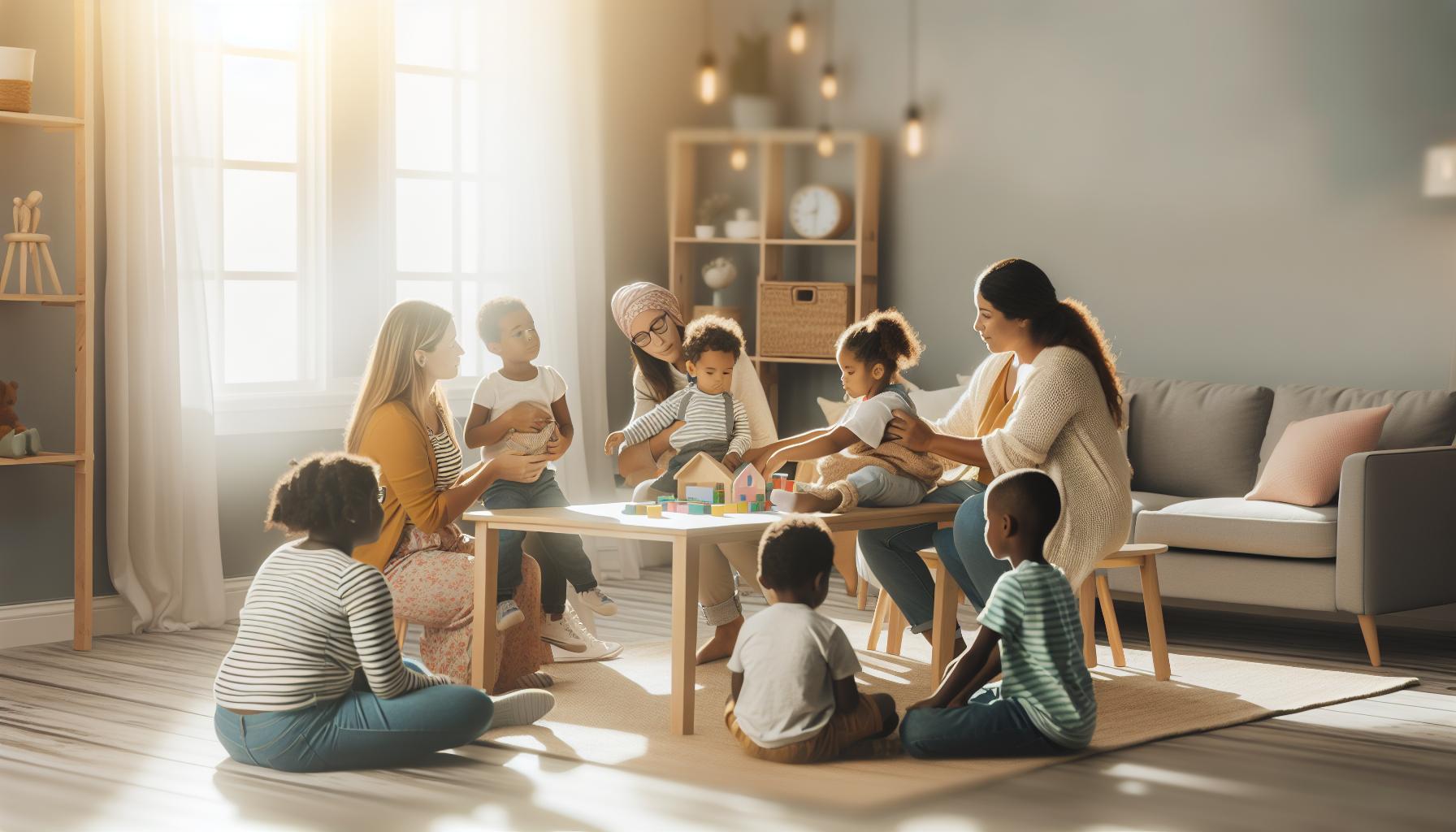
Benefits of Group Playdates for Young Children
Organizing playdates can be a game changer for both infants and their parents. These meetings offer an invaluable opportunity for your child to explore their surroundings, meet peers, and develop crucial social skills in a safe environment. when young children play together, they learn to communicate, share, and even negotiate, skills that are foundational for future interactions. While you might think that all infants need is a safe place to crawl, the rich interactions during these group playdates can significantly enhance their cognitive and emotional development.
Creating Engaging Playdate Environments
To foster an enjoyable experience, it’s essential to choose the right location for your group playdates. Here are some ideal places for infants to play that encourage both fun and safety:
- Local parks: Wide open spaces allow for ample movement and natural exploration.
- Community centers: Often equipped with safe play areas tailored for younger children.
- Your home: A cozy environment where infants are most comfortable, complete with familiar toys.
- Indoor play spaces: Designed specifically with infants in mind,these spaces usually feature soft surfaces and age-appropriate toys.
Facilitating Development Through Shared activities
Engaging infants in shared activities during playdates can significantly boost their socialization skills. Here are some simple yet effective activities to consider:
| Activity | Description |
|---|---|
| Bubble Play | Using non-toxic bubbles to encourage crawling and reaching, sparking excitement. |
| Story time | Gathering infants for a short story session promotes listening skills and enables an early love for books. |
| Music and Movement | Playing nursery rhymes and encouraging gentle movements,such as clapping and swaying,to build rhythm and coordination. |
| Art Exploration | Using washable and safe materials, let infants create finger paintings to develop tactile skills. |
By incorporating these activities into your playdates, you provide stimulating experiences that set the stage for developmental milestones. While you enjoy the camaraderie and shared experiences with fellow parents, your little ones will be busy forming the social bonds that will be vital throughout their lives.
Sensory Play Ideas: Fun Activities for Development

Unlocking the Power of sensory Play
Did you know that sensory play is not only an enjoyable activity for infants but also a critical part of their developmental journey? engaging their senses—sight, sound, touch, taste, and smell—sets the foundation for cognitive growth and helps develop fine motor skills.Incorporating sensory experiences into your infant’s play routine can transform a simple play area into a vibrant learning space, promoting exploration and finding.
Creative Sensory Play Ideas
There are myriad opportunities to enhance sensory experiences in safe and stimulating environments.Here are a few engaging activities to consider:
- Water Play: Fill a shallow basin with water and add cups, spoons, and small toys.Allow your infant to splash, pour, and explore different textures, enhancing their tactile and visual senses.
- Texture Exploration Bags: Create bags filled with various materials such as rice, lentils, or fabric swatches. Seal the bags securely, and encourage your infant to feel and explore the different textures without the mess!
- Nature Basket: Gather safe natural objects like leaves, pinecones, and smooth stones. Let your baby explore these items, fostering a connection with the environment while stimulating curiosity.
- Aromatherapy Play: Use safe scents like vanilla,lavender,or citrus.Introduce these through scented playdough or cotton balls for your infant to smell, enhancing their olfactory experiences.
Safe Spaces for Sensory Exploration
creating a designated play area for sensory activities is essential. Choose locations that are safe and accessible, ensuring your infant can explore freely without hazards. Consider indoor spaces with soft flooring or outdoor areas where they can comfortably experience nature.
| Activity | Benefits |
|---|---|
| Water Play | Enhances tactile senses,promotes fine motor skills |
| Texture Exploration Bags | Stimulates touch and encourages sensory discrimination |
| Nature Basket | Introduces natural textures and encourages outdoor exploration |
| Aromatherapy Play | Enhances olfactory senses and promotes relaxation |
Fostering sensory play encourages infants to learn through their experiences and develop critical thinking skills. With plenty of creative options available,you can turn everyday play into enriching adventures—bringing to life the concepts explored in the guide on places for infants to play: fun and safe ideas.
Navigating Safety Concerns in Public Play Areas
Did you know that roughly 200,000 children visit emergency rooms each year due to playground-related injuries? As parents and caregivers, it’s essential to ensure that the public play areas where infants and toddlers spend their time are safe and enjoyable. Here are some strategies to navigate safety concerns effectively in these environments.
Understanding Equipment Safety Standards
When choosing a public play area for infants,it’s crucial first to assess the condition and design of the playground equipment. Look for areas that comply with safety standards set by organizations like the Consumer Product Safety Commission (CPSC) and the American Society for Testing and Materials (ASTM). Properly maintained equipment not only reduces the risk of injury but also enhances the overall experience for children. Here are some aspects to consider:
- Material Quality: Ensure the equipment is made from durable and non-toxic materials.
- Age Appropriateness: Select play areas designed specifically for infants and toddlers, featuring lower-height structures and gentler play options.
- Maintenance and Inspection: Regularly check that the equipment is free from rust, sharp edges, and other hazards.
choosing the Right Location
The location of the play area can also significantly impact safety. An ideal spot should be well-maintained with sufficient supervision, especially if older children use the same space. Factors to keep in mind include:
- Surrounding Environment: Look for areas that are free from traffic and have adequate fencing.
- Shade and Weather Protections: Play areas with shaded structures reduce heat exhaustion risks for infants.
- Accessibility: Ensure that there are safe and easy access points for parents carrying infants or toddlers.
Parental Supervision and Engagement
Even in the safest environments, parental supervision is critical. Children are naturally curious and may take risks that could lead to accidents. Here are some actionable steps parents can take:
- Stay Close: Always remain within arm’s reach when infants are playing.
- Teach Safe Play Behavior: Engage with your child while teaching them how to play safely on equipment.
- Model Active Play: Participate in play activities to encourage safe exploration and boost confidence.
By understanding equipment safety standards and choosing the right location while remaining actively engaged, caregivers can significantly minimize risks and ensure that public play areas remain fun and safe for infants.These considerations are essential not only for well-being but also for fostering an environment where children can explore and learn through play in safe spaces made for delight and development.
Frequently Asked Questions
What are some safe places for infants to play?
Some of the best places for infants to play include indoor play areas, outdoor parks with designated baby zones, community centers, and even your own home with safe play mats and toys. Each option offers fun while ensuring safety for your little one.
Consider locations with soft surfaces or padded areas that prevent injury. As a notable example, many parks have toddler-specific equipment, and community centers host structured playgroups. Creating a safe play environment at home might include using a playpen and age-appropriate toys. Explore more options in our detailed article on safe play environments.
Why is play important for infants?
Play is essential for infants as it supports their physical, emotional, and cognitive development. Engaging in playful activities helps strengthen their muscles, develop fine motor skills, and foster social interactions.
Through play, infants learn to explore their surroundings, discover new sensations, and begin to understand cause and effect. It also fosters attachment and bonding when parents engage in play. Understanding the meaning of play can guide you in choosing the right places for infants to play safely.
Can I create a play area at home for my infant?
Yes, you can easily create a safe and engaging play area for your infant at home. Start by designating a specific spot with soft mats, age-appropriate toys, and minimal hazards to ensure a secure environment.
Incorporate items like soft blocks, rattles, and sensory toys that promote exploration. Always supervise your infant during playtime, enhancing the experience with interaction and encouragement. For more tips on creating a nurturing play space, check out our guide on indoor play solutions.
How can I make outings to play areas safer for my infant?
to ensure safety during outings, always assess the play area beforehand for hazards like sharp edges or unsupervised children. Bring necessary safety equipment, such as a stroller, and make sure your infant is securely buckled in.
plan your visit during off-peak hours to avoid crowds, and maintain a watchful eye on your infant. By following these tips, you can enhance your infant’s play experience while prioritizing safety at various places for infants to play.
What should I look for in a good indoor play area for my infant?
A good indoor play area should prioritize safety, cleanliness, and age-appropriate equipment. Look for facilities that have soft play equipment, clean surfaces, and staff trained in infant care.
Also, check if the play area regularly cleans and disinfects toys and equipment. Some places even offer special programs or classes for infant development, making them an excellent choice for both fun and learning.
Why do infants need structured playtime?
Structured playtime provides infants with consistent and safe opportunities to explore new skills and social interactions.It encourages routine and helps babies understand different play types, from solitary to cooperative play.
Engaging in structured play can also facilitate developmental milestones, such as crawling or walking, while fostering communication skills through interaction with peers. Look for local community programs that offer structured activities for infants.
Are there outdoor options for infants to play safely?
Yes, many parks have specially designed areas for infants, featuring safe equipment and soft ground coverings.Outdoor play exposes infants to fresh air and natural settings, which is vital for their well-being.
Encourage exploration by taking your infant on walks in the stroller or allowing them to crawl on grass or sand, always supervising their activities. Be sure to choose locations that are clean and safe for a fun-filled outdoor play experience.
Key Takeaways
As we wrap up our exploration of delightful and secure places for infants to play, we hope you found inspiration in the ideas shared. Each suggestion is rooted in the understanding that creating a nurturing environment for your little one is essential to their development and happiness. From local parks to indoor play centers,the key is to find spaces where your child can explore,learn,and engage in meaningful play.
Remember, you’re not alone in navigating the challenges of parenting; every small step you take helps foster your baby’s growth and enriches your bond.We encourage you to seek out these places, try new activities, and most importantly, enjoy every moment shared with your infant. We invite you to dive deeper into these topics and engage with our community—your thoughts, experiences, and questions are always welcome.Together, we can embark on this rewarding journey of parenthood, one play session at a time!
Get our latest guides, news, and insights highlighted in your Google Search & AI Overviews.