

Finding safe and engaging spaces for little ones to explore can be a challenge for parents and caregivers. With the right indoor and outdoor venues, you can create enriching play experiences that foster development and joy. Discover imaginative suggestions that strike a balance between safety and fun, ensuring your baby thrives in every environment.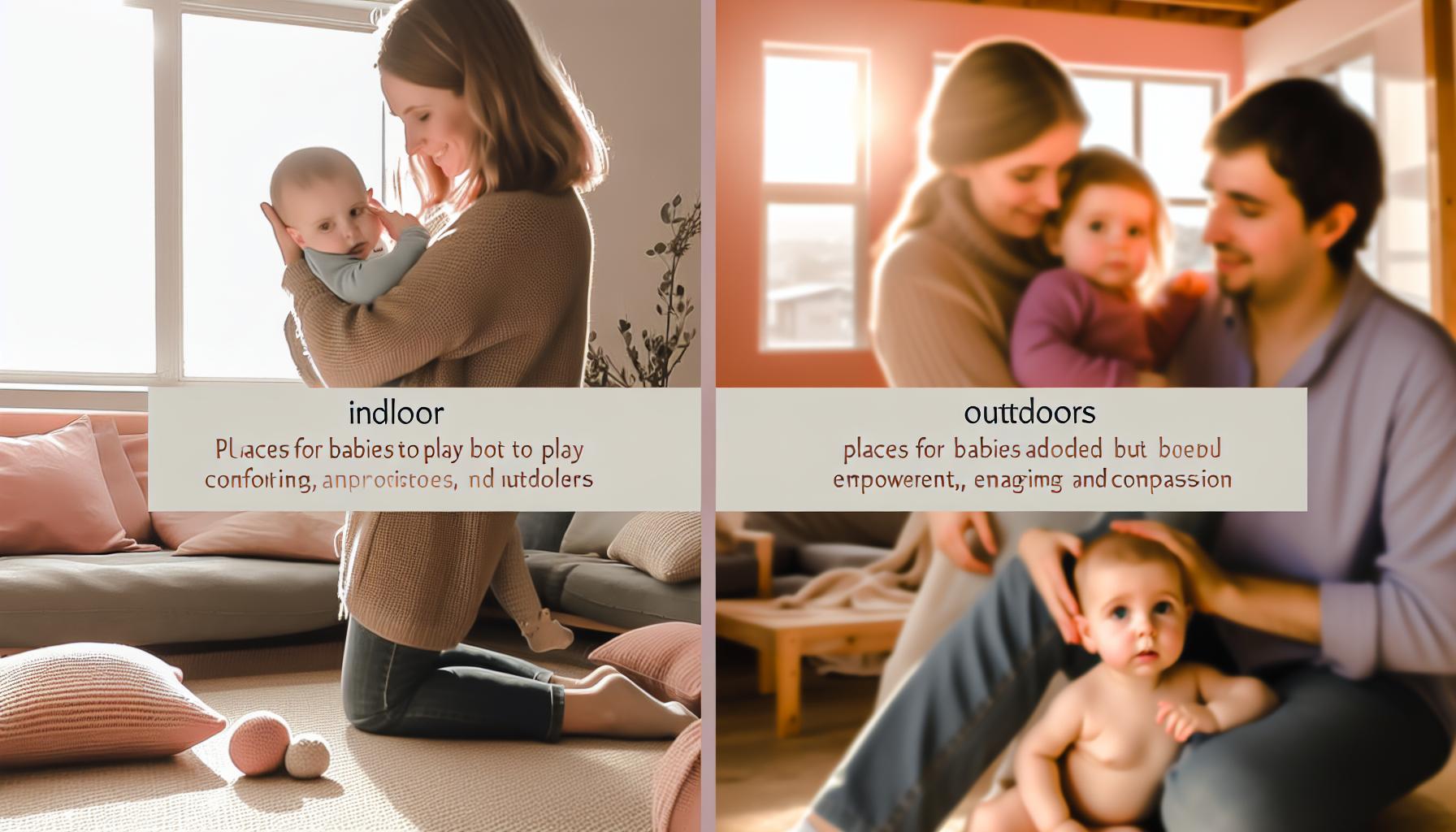
Safe Indoor Play Areas: Finding the Perfect Space for Your Little One
Did you know that safe indoor play areas can considerably enhance your baby’s development? Creating an engaging and secure environment for your little one fosters not just physical strength, but also cognitive and social skills. With that said, choosing the right indoor play space is crucial for ensuring that your baby plays, explores, and learns in a safe manner.
Characteristics of a Great Indoor Play Space
When considering places to take your baby for indoor play, look for the following features:
- Safety Measures: Look for padded floors, soft play structures, and proper supervision to minimize risks of injury.
- Age-Appropriate Equipment: Ensure the toys and structures are suitable for your child’s development stage. For example,a crawling area for younger babies and climbing structures for toddlers.
- Cleanliness: Choose areas that prioritize hygiene to keep your baby safe from germs and allergens.
- Variety of Activities: Look for spaces that offer different types of play activities, such as sensory play zones, imaginative play areas, and quiet corners for reading.
Examples of Safe Indoor Play Areas
Ther are numerous options when it comes to selecting the right indoor play spaces. Here are some common suggestions:
| Type of Space | Description | Benefits |
|---|---|---|
| Indoor Playgrounds | These are usually filled with climbing structures, ball pits, and slides designed specifically for younger children. | Encourages physical activity and social interaction with peers. |
| Community Centers | Many offer a designated area for babies to crawl and play along with supervised activities. | Fosters community interaction and provides a variety of programs for different age groups. |
| Malls with Play Areas | Some shopping malls have dedicated play areas for children that are both safe and engaging. | Convenient for parents to shop while ensuring their children are entertained. |
| Private Indoor Play Spaces | Businesses catering solely to children’s play with customizable spaces for parties or playdates. | Personalized experiences and often more controlled environments. |
By exploring various indoor play options that prioritize safety and engagement, you will create opportunities for your baby to enjoy their playtime while learning critical skills. Consider visiting different places and observe how your baby interacts with the space; this will help in choosing the perfect indoor play area that caters best to their developmental needs.
Creative Outdoor Playgrounds: Nature-Inspired Fun for Babies and Toddlers
Did you know that outdoor play can significantly boost a baby’s cognitive, emotional, and physical development? Creative outdoor playgrounds designed with nature in mind offer an enriching experience for babies and toddlers, allowing them to explore and engage their senses in a vibrant environment. These play spaces not only foster creativity and creativity but also encourage active learning through play.
Nature’s Playground: Features that Inspire
In designing outdoor playgrounds, integrating natural elements can provide a multi-faceted learning experience. Consider incorporating the following elements to enhance the play environment:
- Natural Materials: Utilize wood, stone, and other organic materials that children can touch, climb, and explore safely.
- Water Play Areas: Shallow streams, splash pads, or puddle areas allow children to experience the sensory joy of water.
- Community Gardens: Raised beds can be a delightful way for little ones to learn about plants, seasons, and the importance of nature through hands-on gardening.
- Nature Trails: Incorporating easy paths through grassy knolls or wooded areas promotes walking, exploration, and a sense of adventure.
Benefits of Nature-Inspired Playgrounds
Creative outdoor playgrounds filled with nature-inspired elements not only encourage physical activity but also enhance emotional development and social skills among babies and toddlers. When children interact with nature,they frequently enough exhibit increased curiosity and improved focus. Here’s a closer look at what these natural playgrounds can offer:
| Benefit | Description |
|---|---|
| Cognitive Growth | Exploring different textures, sounds, and visuals in nature encourages problem-solving and critical thinking skills. |
| Emotional Well-Being | Nature exposure has been linked to reduced feelings of anxiety and improved mood. |
| Physical Development | Climbing on natural structures and running and jumping in open spaces build strength and coordination. |
| Social Skills | Playing in nature often requires cooperation and dialog, enhancing social interactions. |
Embracing outdoor spaces that blend creativity with nature can create captivating environments where babies and toddlers thrive. By strategically designing these playgrounds, caregivers and communities can offer invaluable opportunities for learning and fun, all while fostering a deep appreciation for the natural world.
Sensory Play Ideas: Stimulating Your Baby’s Development at Home
Engaging Your Baby’s Senses at Home
Did you know that sensory play can dramatically advance your baby’s development? By stimulating their senses, you not only entertain your little one but also enhance critical skills such as cognitive, language, and motor abilities. There are countless ways to create fun and engaging sensory experiences right in the comfort of your home, inspired by varied places for babies to play, both indoors and outdoors.
Simple Sensory Play Ideas
Here are some innovative ways to introduce sensory play, keeping in mind the diverse settings of ‘Places for Babies to Play: indoor and Outdoor Inspiration’:
- Water Play: Fill a shallow tub or basin with water and provide cups, spoons, and plastic toys. This activity not only encourages fine motor skills but also teaches cause and effect as your baby splashes around.
- Texture Exploration: Create a tactile board or sensory bin filled with various textures like sand, rice, or soft fabrics. Let your baby discover different these textures with their hands.Each touch stimulates the nerve endings in their skin, boosting tactile awareness.
- Sound Exploration: Gather a few household items that make noise, such as pots, spoons, or rattles.Allow your baby to shake or bang them,introducing them to different sounds and rhythms,enhancing auditory development.
- Nature walks: If you’re venturing outdoors, take them on a nature walk where they can touch leaves, feel grass beneath their feet, and listen to the sounds of birds. Nature provides a rich sensory environment that’s dynamic and ever-changing.
Indoor and Outdoor Sensory Stations
Setting up specific sensory stations can be a brilliant way to engage your baby consistently. Use containers to organize different sensory activities, making it easy for you and exciting for your baby.
| Station Type | Materials Needed | Developmental Benefits |
|---|---|---|
| Water Play | Shallow tub, water toys | Fine motor skills, sensory awareness |
| Texture station | Various fabrics, sand, rice | Tactile exploration, sensory discrimination |
| Art Station | non-toxic paint, large paper | Creativity, visual perception |
| Outdoor Adventure | Nature items (leaves, rocks) | Exploration, physical activity |
Incorporating these sensory play ideas will not only make playtime enjoyable for your baby but also support their overall development. By utilizing inspiration from various indoor and outdoor environments, you can create enriching experiences that foster growth and learning in delightful ways.
Parent-Approved Indoor Activities: Keeping Your Baby Engaged and Happy
Did you know that play is essential for your baby’s development? Engaging in stimulating indoor activities not only keeps your little one entertained but also aids in cognitive,social,and emotional growth. Here are some fun and parent-approved ways to make the indoor experience just as enriching as outdoor settings.
Simple Sensory Play
sensory play is a fantastic way to let your baby explore different textures and materials. It can be as simple as creating a sensory bin filled with safe household items. Here are a few ideas to consider:
- Rice or Pasta Bin: Fill a shallow container with dry rice or pasta.Add cups, spoons, and small toys for your baby to discover.
- Water Play: Set up a water station with cups and small toys. Always supervise to ensure safety.
- Texture Cards: Create flashcards with different fabrics glued onto them (like felt, sandpaper, or silk) for your baby to touch and feel.
These activities stimulate your baby’s senses and improve fine motor skills. Supervise them closely, allowing them to explore while making great discoveries together.
Creative Mess-Free Activities
For parents wary of mess but eager to promote creativity, mess-free art is the way to go. Here are a couple of great activities:
- Water Painting: Give your baby a bucket of water and a paintbrush, and let them “paint” on the sidewalk or patio. This is a perfect way to allow creativity to flourish without the cleaning hassle!
- Colorful Ice Cubes: Freeze small toys in colored water in an ice tray. Once frozen, let your baby explore the melting process and discover the toys hidden within.
These activities combine fun and practical learning experiences while keeping cleanup minimal.
Interactive Storytime
Reading to your baby is not just about storytelling; its a fantastic bonding time that also enhances language skills.Consider the following tips to make storytime more interactive:
- Use Props: Incorporate soft toys or puppets related to the story to bring characters to life.
- Sound Effects: Make the story engaging by adding sound effects or voices for different characters.
- Act It Out: Encourage your baby to mimic actions or expressions of the story characters.
By transforming reading into an interactive experience, your child not only enjoys the story but also participates in developing their social and emotional skills.
Overview of Indoor Activities for Engagement
| Activity | Skills Developed | Materials Needed |
|---|---|---|
| Sensory Bin | Fine motor skills, sensory perception | Rice/pasta, cups, toys |
| Water painting | Creativity, hand-eye coordination | Water, paintbrush, outdoor space |
| Interactive Storytime | Language skills, imagination | Books, toys, props |
These engaging indoor activities will not only keep your baby busy but also ensure that each moment at home is filled with laughter, learning, and precious bonding time.
Choosing the Right Gear for Outdoor Adventures: Expert Tips for Parents
Understanding Your Needs for Outdoor Adventures
Outdoor adventures with little ones can be memorable and enriching experiences. Research shows that exposure to nature enhances children’s physical and cognitive development. To ensure these experiences are positive and safe, selecting the right gear becomes crucial. Whether heading to a local park or embarking on a weekend camping trip, the right equipment can make all the difference.
- Durability: Kids are naturally curious and adventurous; therefore, opt for gear that can withstand rough handling. Products designed for families, like those from reputable brands, are often tested for durability in real outdoor conditions.
- Comfort: Choose items that offer comfort for your child, such as lightweight backpack carriers or padded seating for picnics. This will help ensure that they enjoy their time outdoors without feeling fatigued or uncomfortable.
- Safety Features: Look for gear with built-in safety features, such as non-toxic materials and proper certifications. This is especially important for younger children who may put items in their mouths while playing.
Practical Gear Recommendations
When planning outdoor activities, having the right gear is essential for safety and enjoyment. Below is a selection of must-have items:
| Gear Type | Key Features | Recommended Brands |
|---|---|---|
| Baby Carrier | Ergonomic design, adjustable straps, lightweight | Osprey, Deuter |
| play Tent | Portable, UV protection, easy setup | Pacific Play Tents, Coleman |
| Sunshade | Water-resistant, SPF protection, easy assembly | Summer Infant, Kidco |
| First Aid kit | Compact, essential supplies, kid-amiable items | Adventure Medical Kits |
By investing in well-designed and safe gear, parents can provide enjoyable outdoor experiences that foster exploration and play, aligning beautifully with the essence of ‘Places for Babies to Play: Indoor and Outdoor Inspiration.’ Consider these tips as you prepare for your next outdoor adventure,ensuring not only fun but also a safe environment for your little explorers.
Playdates and Community Spaces: Fostering Social Skills from an Early Age
Connecting Through Play
Did you know that early social interactions can significantly enhance a child’s emotional and cognitive development? Playdates and community spaces serve as vital platforms for babies and toddlers to cultivate essential social skills. When children engage with their peers, they learn to navigate relationships, understand emotions, and develop communication skills. Such early experiences lay the foundation for healthy social interactions throughout life.
Benefits of Social Play
Participating in playdates and accessing community spaces offers myriad benefits for young children. Here are some key advantages:
- Emotional Intelligence: Interaction with peers helps babies recognize and respond to different emotions, fostering empathy along the way.
- Communication Skills: Through shared play experiences, children learn to express their thoughts and feelings effectively.
- Conflict Resolution: Navigating disagreements in a playful environment teaches children valuable problem-solving skills.
- Diverse Experiences: Community spaces often provide varied environments and activities, exposing children to new people and cultures.
Creating Opportunities for Interaction
To maximize the social benefits of playdates and community spaces, consider these practical steps:
- Set Up Regular Playdates: Establish a routine with other parents to create consistent opportunities for your child to socialize.
- Explore Local Community Centers: These centers frequently enough host activities that encourage children to engage in collective play, such as storytime sessions or art classes.
- Utilize parks and Playgrounds: Outdoor play areas are excellent for allowing children to explore in a safe yet stimulating environment. Whether it’s a sandbox or climbing structures, kids learn to share and play together.
- Join Parent Groups: Many communities offer playgroups where parents can come together with their little ones. Socializing for parents also creates a supportive network while nurturing friendships for the children.
Making the Most of Play Spaces
when planning outings to places for babies to play, whether indoors or outdoors, consider creating a checklist that includes:
| Feature | Importance |
|---|---|
| safety Features | Ensure the play area is childproof, free from sharp objects, and has soft surfaces. |
| Diverse Play Areas | Spaces should cater to various interests: climbing, imaginative play, and quiet zones for downtime. |
| Accessibility | Choose locations that are accessible for strollers and provide facilities for feeding and changing. |
| Interactive Events | Look for places that host regular events or activities designed to encourage group play. |
By thoughtfully curating experiences in different play environments, you can effectively enhance your child’s social skills, marking the beginning of their lifelong journey in understanding interpersonal connections.
Adapting Everyday Spaces for Play: Transforming Your Home Environment
Did you know that the environment in which babies play can significantly shape their development and sensory experiences? By transforming your home into a welcoming and stimulating space for play, you can foster creativity, exploration, and joy in your little one.
Creating a Play-Friendly Environment
The first step in adapting your everyday spaces for play is to assess what areas of your home have potential for fun and learning.Consider the following zones where safe and engaging play can occur:
- Living Room: Designate a corner with soft rugs, pillows, and toys. Look for furniture that can double as play equipment, like a sturdy ottoman that can be climbed on or a coffee table used for imaginative play with colorful blankets and cushions.
- Kitchen: Use the space to encourage hands-on learning. Set up a low table or a play kitchen where your baby can safely explore textures and practise motor skills with pots, pans, and non-breakable utensils.
- Outdoor Areas: If you have a backyard or patio,make it a magical play zone. Incorporate natural elements such as sand, grass, or water play stations. Simple items like cardboard boxes and safe outdoor toys can boost imaginative play.
incorporating Learning into Play Spaces
Integrating educational elements into play areas can significantly enhance your baby’s learning opportunities. here’s how:
- wall Decorations: Use removable wall decals or art that features numbers, letters, or animals to create an engaging backdrop.This not only beautifies the space but also encourages early literacy and numeracy.
- Multisensory Play: Introduce a variety of textures and sounds.Such as, fabric swatches with different textures (smooth, rough, fuzzy) can stimulate your baby’s sense of touch. shakers or musical instruments will provide auditory stimuli that can soothe and entertain.
- Interactive Flooring: Consider using foam tiles or mats with numbers or patterns. they can provide a safe surface for crawling while also supporting visual and spatial awareness.
Safety First
When transforming your home environment into one of the best places for babies to play—both indoors and outdoors—ensure that safety is a top priority. The following guidelines can definitely help ensure a secure play space:
| Safety Tips | Description |
|---|---|
| Childproofing | Remove sharp objects and secure heavy furniture to prevent tipping. |
| Non-toxic Materials | Use toys and play materials that are free from harmful substances. |
| Supervised Play | Always supervise your baby during play, especially in areas with potential hazards. |
By carefully curating your home environment with the principles outlined in this section, you can create a haven for play that nurtures your baby’s development and happiness. Give them spaces to explore, learn, and create memories—because every moment spent playing is a moment spent exploring the world!
Seasonal Activities: making the Most of Year-Round Play Opportunities
Did you know that engaging in seasonal activities can greatly enhance your baby’s development while ensuring fun-filled moments for both you and your little one? The changing seasons offer a variety of opportunities to explore new environments, stimulate sensory experiences, and foster bonding through play. From splashing in puddles to building snowmen, here’s how you can make the most of year-round play opportunities to create memorable moments.
Spring: Blooming Adventures
As the earth awakens, spring presents a perfect backdrop for outdoor exploration.Take your baby on a nature walk to introduce them to the vibrant colors of blooming flowers and the sounds of chirping birds. Consider these activities:
- Flower Picking: Collect various flowers, letting your baby touch and smell them. This sensory exploration is a great way to introduce colors and textures.
- Park Picnics: Host a picnic in a local park. Spread out a blanket, pack some baby-friendly snacks, and let them experience the taste of fresh fruits.
- Bubble Play: A simple bubble wand or machine can amplify joy, encouraging your baby to reach out and pop the bubbles.
Summer: Sun-Soaked Fun
Summer brings warmer weather and longer days, perfect for outdoor play.Beaches, parks, and backyards become exciting venues for baby activities:
- Water Play: Set up a small inflatable pool in your yard. Fill it with shallow water and let your baby splash and explore safely.
- Nature Scavenger Hunts: Create a list of items for your baby to discover, like leaves or sticks, allowing them to engage with nature hands-on while you assist them in collecting these treasures.
- Outdoor Storytime: Bring your favourite baby books outdoors. The fresh air can make storytime even more magical.
Autumn: Colorful Exploration
As the leaves change color,autumn becomes a perfect time for sensory-rich experiences. The crunch of leaves and cooler weather transform your outdoor explorations:
- Leaf Pile Play: Gather fallen leaves into a pile and let your baby crawl through them.The sound and feeling of crunching leaves is delightful!
- Harvest Festivals: Visit local farms for pumpkin picking or apple picking—fun activities for you both to engage in,plus they offer great photo opportunities!
- Autumn Crafting: Collect acorns and pine cones for simple crafts. You can paint them or string them together for sensory fun.
Winter: Cozy Connections
When the temperature drops, indoor play becomes essential, but winter does not mean the end of fun. Embrace the cozy season with these ideas:
- Indoor Sensory Bins: Fill a bin with safe materials like rice, dried pasta, or oatmeal for your baby to explore tactile experiences safely.
- Snow Play (if applicable): If you live in a snowy area, bundle your baby up and let them experience the snow. You can make snow angels or have fun with safe snow toys.
- Holiday-Themed Activities: Engage in crafts related to the holiday season,such as making ornaments or decorating cookies (with baby-safe ingredients). It creates an enriching atmosphere of togetherness.
By embracing the seasonal offerings around you, from engaging nature experiences to cozy indoor play, you ensure your baby benefits greatly from diverse stimuli while building deeper connections with you. Each season holds a treasure trove of engaging activities that align perfectly with the inspiring theme of creating “Places for Babies to Play: Indoor and Outdoor Inspiration.” As you vary your activities by season, watch your little one thrive in their joyful and exploratory spirit.
Q&A
What are the best indoor places for babies to play?
Some of the best indoor places for babies to play include community centers, indoor play areas, and dedicated baby gyms. These spaces offer safe environments equipped with baby-friendly toys and play structures.
As an example, many community centers have designated rooms for infants, providing a comfortable setting where babies can crawl and explore. Additionally, indoor play areas often have soft play equipment, ensuring a safe experience for your little one. Don’t forget to check out our guide on baby play spaces for more ideas.
What outdoor places are ideal for babies to play?
Outdoor parks, playgrounds designed for younger children, and nature trails are ideal places for babies to play. These areas encourage sensory exploration and physical activity.
parks with baby-friendly equipment often include soft surfaces and shaded areas for comfort. Nature trails allow babies to experience different textures and sights, fostering curiosity and learning. Always ensure the space is adequately supervised and safe.
How can I create a safe play environment at home?
Creating a safe play environment at home involves removing hazards and providing age-appropriate toys. Ensure that play areas are clean, contained, and free from sharp edges.
Using foam mats can help cushion falls, while organized toy storage prevents clutter. Designate specific play areas where your baby can explore safely, encouraging independence while keeping safety in mind.
Why is outdoor play critically important for babies?
Outdoor play is essential for babies as it promotes physical development and sensory exploration. It allows them to engage with nature and enhances motor skills.
Exposure to different environments helps babies develop balance, coordination, and social skills through interaction with other children. Furthermore, natural light and fresh air contribute to overall health and well-being.
Can I take my baby to a public playground?
Yes, you can take your baby to a public playground, but always supervise them closely. Look for playgrounds that have equipment suitable for infants, such as baby swings and soft surfaces.
It’s vital to check the playground for any potential hazards before allowing your baby to play.Keep the time spent at the playground short, as babies can become overwhelmed.
What should I consider when choosing places for babies to play?
When choosing places for babies to play,consider safety,accessibility,and sensory engagement. Look for environments that are clean, well-maintained, and age-appropriate.
Evaluate factors like shade for outdoor areas, availability of baby facilities, and whether the location allows for parent supervision. Ensuring that babies have a variety of sensory experiences enhances their development.
How do I encourage my baby to play independently?
To encourage independent play,create a safe,inviting play area filled with a variety of toys. Gradually allow your baby to explore on their own while offering support as needed.
Introduce new activities regularly to maintain their interest. Observe your baby’s preferences, and give them time to engage without immediate assistance to foster confidence and self-reliance.
Key Takeaways
As we wrap up our exploration of delightful places for babies to play, both indoors and outdoors, it’s clear that creating safe and stimulating environments is essential for our little ones’ growth and happiness. From vibrant parks that encourage sensory exploration to cozy indoor spaces that inspire creativity, there’s a wealth of opportunities to discover. Remember, every parent faces challenges, but by seeking out enriching experiences for your child, you not only foster their development but also strengthen your bond.
We encourage you to venture out and embrace these enriching play spaces, making treasured memories along the way. Don’t hesitate to revisit this guide whenever you’re looking for inspiration or practical tips. Your journey as a parent is unique, and we’re here to support you every step of the way. Happy exploring, and may your adventures in play be filled with joy and discovery!
Get our latest guides, news, and insights highlighted in your Google Search & AI Overviews.