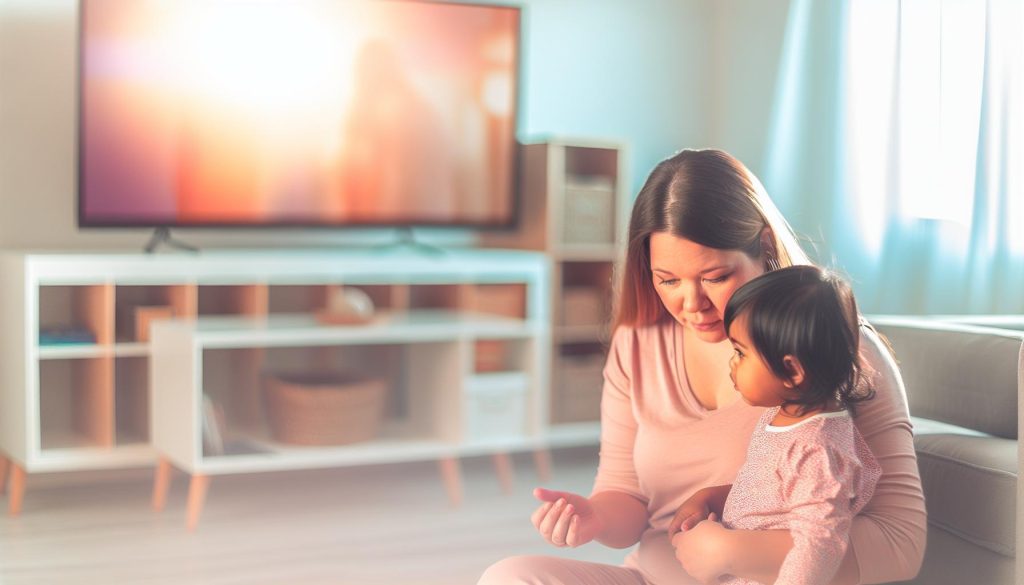

As digital screens increasingly dominate our lives,many parents find themselves grappling with a pressing concern: Is screen time harmful for their little ones? Understanding the implications of entertainment content on developing minds is crucial for fostering a healthy habitat. This article delves into whether television is detrimental to infants and what caregivers should consider.
Understanding the Impact of Screen Time on baby Development
- Research suggests that overuse of screens can lead to developmental delays.
- Engagement in high-quality,interactive activities is crucial for healthy growth.
- Physical health, including sleep and eye strain, can be adversely affected by excessive screen time.
potential Risks of Screen Time on Development
When parents ponder whether it is indeed detrimental for babies to watch TV, it’s essential to consider the potential risks associated with screen time. A growing body of evidence indicates that excessive exposure to screens—especially during the critical early years of development—can hinder cognitive and language skills. Babies learn best through direct interactions with caregivers and their environment, and passive screen viewing does not provide this essential engagement.One significant concern is that screen time can interfere with sleep and physical activity. When babies spend too much time in front of screens, they frequently enough engage less in physical play. This lack of activity is linked to issues like obesity and delayed motor skills development. Additionally,screens emit blue light,which can disrupt natural sleep patterns,leading to irritability and difficulty focusing during waking hours.
navigating Smart Screen Usage
Understanding how to navigate screen time is crucial for promoting healthy development. here are some practical tips for parents looking to manage this aspect of their child’s growth effectively:
- choose Quality Content: Opt for age-appropriate programs that are educational and interactive.Shows that promote communication and problem-solving can enhance learning.
- Set Time Limits: The American Academy of Pediatrics recommends no screen time for children under 18 months, except for video chatting. After that age,limit screen time to one hour a day of high-quality programming for children ages 2 to 5.
- Co-View and Discuss: Whenever possible,watch programs together with your baby. Discussing what they see helps enhance understanding and promotes critical thinking.
- Create Device-Free Zones: Establish areas and times at home that are free from screens, encouraging physical play, exploration, and social interaction.
Key Takeaways
Ultimately, while some screen time for babies may not be inherently harmful, understanding its potential impact on development is crucial. It’s vital for parents to monitor and manage media exposure thoughtfully and deliberately. Prioritizing quality interactions and minimizing passive viewing can help ensure that children develop the cognitive and motor skills they need for a healthy start in life. By making informed choices about screen time, parents can navigate the complexities of media usage and support their child’s growth effectively.
Expert Insights: The Science Behind TV and infants

The Impact of Screen Time on Infant Development
Did you know that the first two years of a child’s life are crucial for brain development? During this period, infants experience rapid cognitive growth, and the environment they interact with plays a significant role in shaping their future capabilities. While parents may wonder, “Is it bad for babies to watch TV?” research indicates that excessive screen time can hinder critical developmental milestones.
Studies highlight several key areas influenced by early exposure to television:
- Language Development: Babies learn language skills through direct interaction with caregivers.Passive screen time offers minimal engagement, possibly delaying speech and language acquisition.
- Cognitive Skills: Interactive play promotes problem-solving and critical thinking. Television, especially non-interactive content, fails to provide the same level of engagement, which can impede cognitive development.
- Social Skills: Infants learn to interpret social cues through face-to-face interaction. Screen time takes away opportunities for this essential learning, impacting their social behavior.
Understanding the Recommendations
Health experts recommend limiting screen time for children under the age of two. The American Academy of Pediatrics suggests no screen time for infants younger than 18 months, with some exceptions for video chatting. Parents are urged to focus on the quality of screen content and prioritize interactive experiences over passive viewing.
To further illustrate these guidelines, consider the following table that summarizes expert recommendations and FAQs regarding infant screen time:
| Age Group | Recommended Screen Time | Best Practices |
|---|---|---|
| 0-18 Months | None, except for video calls | Engage in face-to-face interaction, read books, and use physical toys. |
| 18-24 Months | Limit to high-quality programming | Watch together and discuss the content; make it interactive. |
| 2-5 Years | 1 hour of high-quality programming | Encourage educational shows and engage in post-viewing discussions. |
Real-World Applications
Parents grappling with the question of whether screen time is detrimental can benefit from creating a balanced environment. instead of substituting screen time for active engagement, consider structured playtime, frequent outdoor activities, and family reading sessions.For example, replace 30 minutes of passive viewing with a storytime session that fosters language skills and emotional bonding. Incorporating educational but fun elements into daily routines enables children to thrive without excessive reliance on screens.
Finding balance: When and How Much TV is Appropriate?
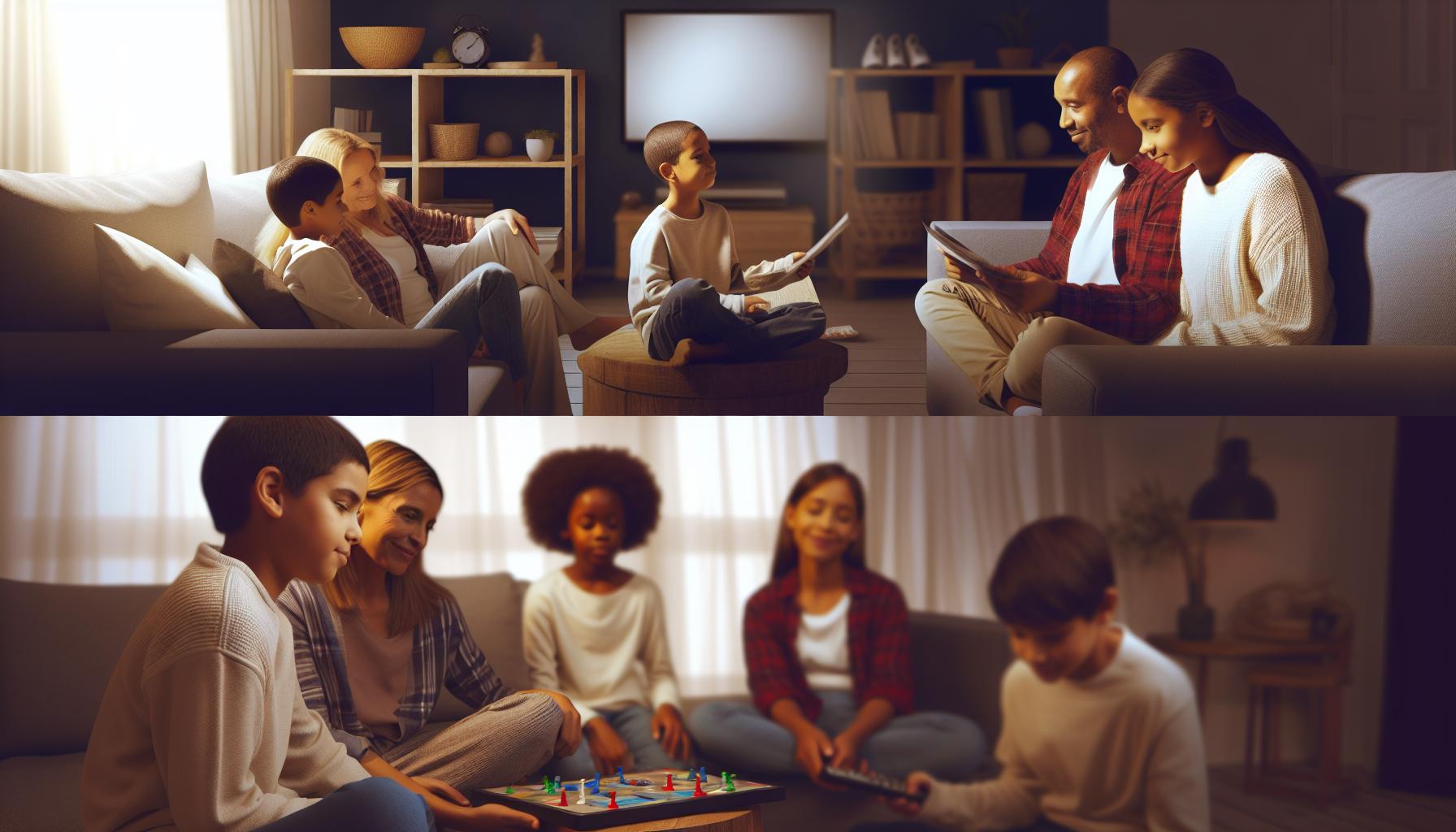
Did you know that the average American child watches over two hours of screen time each day? As parents navigate the complexities of child development, one significant question emerges: how much television is appropriate for young ones, especially when considering the phrase “Is it bad for babies to watch TV?”
Understanding the Impact of Screen Time
While a little screen time may seem harmless, especially when seeking a moment of respite for busy parents, it’s vital to recognize that too much TV can hinder a child’s social, emotional, and cognitive growth. The American Academy of Pediatrics recommends that children aged 2 and older should limit their screen time to no more than one hour of high-quality programming per day. For children under 18 months, it’s advised to avoid screen time altogether, except for video chatting, to foster real human connection.
Quality Over Quantity
Not all television is created equal; thus, the content consumed makes a difference. Opt for programs that are educational and age-appropriate. For instance, shows like *Sesame Street* and *Bluey* not onyl entertain but also teach valuable skills such as problem-solving and emotional intelligence. To make informed choices, parents should consider the following:
- Choose Educational Content: Programs designed specifically for young children can stimulate learning and creativity.
- Engage with Your Child: Watch together and discuss the content, bringing the show to life and enhancing the learning experience.
- Designate Screen-Free Zones: Create spaces within your home where screens are not allowed, promoting interaction and imaginative play.
Developing Healthy Viewing Habits
Establishing a balanced approach to television in your home is key.Here’s a simple framework to guide daily routines that incorporate screen time appropriately:
| Age Group | Recommended TV time | Suggested Activities |
|---|---|---|
| Under 18 months | Avoid TV, except for video chatting | Interactive play, reading, exploring nature |
| 18-24 months | Occasional viewing of quality programming | Building blocks, arts and crafts, supervised playdates |
| 2-5 years | 1 hour of high-quality programming | Puzzles, outdoor play, storytelling sessions |
| 6 years and older | Consistent limits on screen time (1-2 hours) | Sports, music lessons, family board games |
By actively participating in their media consumption, parents can create a framework that emphasizes positive content while also encouraging active play and personal interaction. Striking the right balance is critical to fostering an environment where children can thrive both onscreen and off.
Alternatives to Screen Time: Engaging Activities for Your Baby
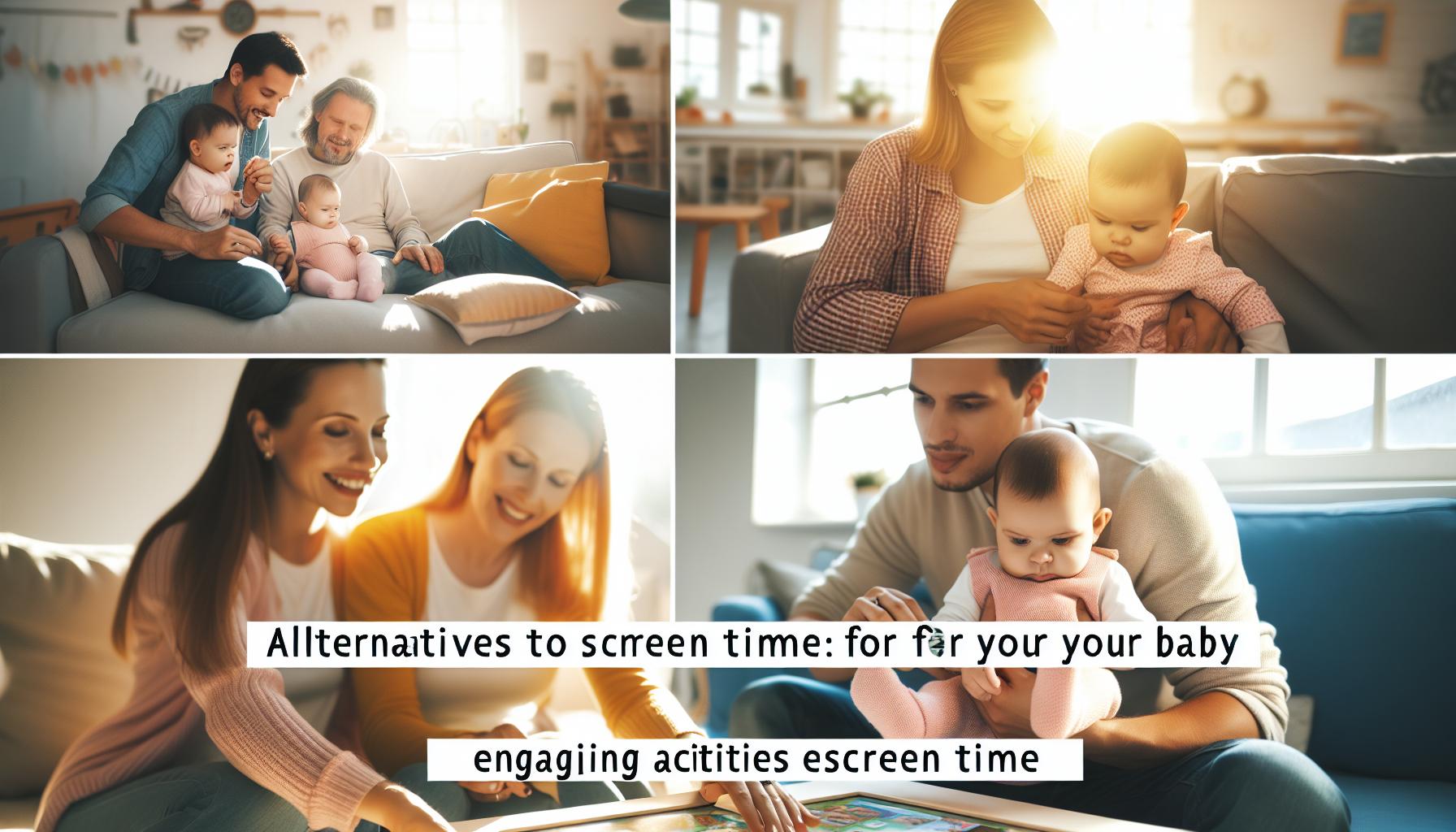
Did you know that the first two years of a baby’s life are crucial for their brain development? This is a period rich with opportunities for learning and exploration, and there are numerous ways to nurture this growth without resorting to screens. By engaging your little one in activities that stimulate their senses and encourage movement, you can promote their cognitive and social development effectively.
Interactive Playtime activities
Instead of reaching for the remote, consider these interactive playtime activities that can captivate your baby’s attention and offer developmental benefits:
- Tummy Time: this simple activity is paramount for strengthening your baby’s neck, shoulders, and back. It promotes motor skills and encourages them to reach and crawl.
- Sensorial Bags: Fill zippered bags with different textures, such as rice, gel, or soft fabrics. Let your baby explore these safe treasures under your supervision.
- Storytime: Reading to your baby enhances language skills and fosters a love for books. Choose colorful picture books with simple narratives.
- Musical Exploration: Use instruments like drums or maracas, or even household items to create a rhythm. Music can stimulate brain activity and improve their listening skills.
Outdoor Adventures
Taking your baby outside can provide a wealth of stimuli that screens simply cannot match. Here are a few outdoor activities that can delight your baby while promoting healthy development:
- Nature Walks: Whether strolling in the park or exploring your backyard, let your baby experience different sights and sounds. Describe what you see to foster language development.
- Playdates: Social interaction is vital. Arrange playdates with other babies to cultivate social skills and create bonds.
- Outdoor Sensory Play: Set up a small water table or sandbox where your baby can feel textures and explore liquids. This sensory experience is invaluable.
Creative Play and Creativity
Encouraging creative exploration will not only keep your baby entertained but also lay a foundation for problem-solving abilities.here are some imaginative activities to consider:
- Building blocks: Introduce soft, colorful blocks for stacking and knocking down.This enhances fine motor skills and hand-eye coordination.
- Art Projects: Messy art can be a fun way to express creativity. Use non-toxic materials for finger painting or simple crafts.
- Role-Play: Use dolls or stuffed animals to enact scenarios. This fosters empathy and allows your baby to navigate social roles.
By emphasizing these option activities to screen time, parents can provide enriching experiences tailored to their baby’s developmental needs. As you navigate the question of “Is it bad for babies to watch TV?”,remember that these engaging activities serve as effective substitutes that foster growth without the potential drawbacks of screen exposure.
Red Flags: Signs That TV Watching might potentially be Harmful
Understanding the Dangers of Excessive TV Watching
It’s no secret that children today are exposed to screens at an alarming rate. Though, recognizing when this exposure becomes harmful is crucial for parents. Studies indicate that too much television can lead to developmental delays, obesity, and even impaired social skills in young children. The early years are formative, and over-reliance on TV for entertainment might jeopardize the growth opportunities essential for infants and toddlers.
Key Indicators of Harmful TV Exposure
Parents should be aware of certain red flags when it comes to their child’s interaction with television. Here are critical signs that may suggest harmful effects:
- Reduced Physical Activity: If a child prefers sitting in front of the TV over engaging in active play, it might indicate a concerning trend towards sedentary behavior.
- Difficulty Focusing: An inability to concentrate on non-screen activities can be a symptom of too much screen time affecting attention spans.
- Behavioral Issues: Increased irritability, aggression, or difficulty following rules may arise due to excessive exposure to violent or inappropriate content.
- Lack of Imaginative Play: A noticeable decline in creative play (like building blocks or make-believe games) can suggest that a child is relying too heavily on passive entertainment rather than developing their imagination.
Guidance for Healthy Viewing Habits
To mitigate these risks and nurture healthy development, parents can take several proactive steps:
- Set Time Limits: establish rules for how long your child can watch TV each day, following recommendations from pediatric experts that suggest minimizing screen time for young children.
- Choose Quality Content: Prioritize educational and age-appropriate programming that encourages learning and engagement, rather than mindless viewing.
- Watch Together: Encourage co-viewing to foster discussions about what they watch, making TV a shared family experience rather than just a solitary activity.
- promote Alternative Activities: Offer a variety of beside-screen activities such as reading, outdoor play, and arts and crafts to encourage a well-rounded development.
By being attentive to these signs and implementing healthy viewing habits, parents can ensure that television viewing remains a safe part of their child’s life, instead of a harmful distraction.Balancing screen time with interactive and imaginative play is vital to supporting overall development during these critical early years.
Parental Guidance: Making Informed Choices About Screen Use
Understanding Screen Time for Young Children
It’s a common scenario: a tired parent turns on the TV to soothe a fussy baby, but questions linger about the impact of screens on our youngest ones. The early years are critical for brain development, and research surrounding the effects of television viewing on infants and toddlers encourages a cautious approach.While some programs can be educational, too much screen time can lead to increased risks of developmental delays and hinder essential social interactions. So,what should parents consider when navigating screen use for their little ones?
Key Guidelines for Parents
To facilitate healthy screen habits,it’s crucial to establish specific guidelines:
- limit Screen Time: The American Academy of Pediatrics suggests no screen time for children under 18 months,except for video chatting. For ages 18 to 24 months, choose high-quality programming and watch it together.
- Engagement is Key: Co-viewing with your child can enhance understanding and provide context, helping to foster discussions about what they see.
- Prioritize Active Play: Encourage physical activity and playtime instead of excessive screen exposure. Interactive play is essential for cognitive and social skills development.
- Be a Role Model: Demonstrate healthy screen habits by managing your own usage and making family time a priority over individual screen time.
Choosing Quality Content
Not all shows are created equal, and the content you choose can make a significant difference. Opt for programs that promote learning and development. Look for:
- Educational shows that encourage problem-solving and creativity.
- Content that reflects diverse cultures, perspectives, and experiences.
- Interactive media that allows your child to participate, rather than passively consume.
| Age Group | Recommended Viewing Time | Content Types |
|---|---|---|
| 0-18 months | None (except video chatting) | N/A |
| 18-24 months | Under 1 hour | Educational, co-watching essential |
| 2-5 years | 1 hour | Interactive, educational programs |
By taking informed steps and being purposeful about screen usage, parents can help mitigate potential negative effects highlighted in discussions around “Is It Bad for Babies to Watch TV? What Parents Should Know.” Balancing screen time with active play and engaging content will ensure that children develop essential skills in a supportive environment.
The Importance of Interaction Over Passive Viewing
Research shows that active engagement fosters greater cognitive and emotional development in infants. When it comes to children and screen time, interaction is key. Passive viewing,such as watching television,can create a disconnect; it’s a one-sided experience where babies do not get to participate or respond. Parents should understand that the time spent in front of a screen could be better utilized in interactive play, which is crucial in fostering vocabulary, social skills, and emotional growth.
Why Engagement Matters
The human brain is designed for learning through interaction.When infants are actively engaged, they not only absorb information but also develop crucial skills. Here’s how interaction outweighs passive viewing:
- language Development: When participating in conversations, even simple ones, babies learn the rhythm of speech, expand their vocabulary, and understand context better.
- Social Skills: Engaging with caregivers or older children provides the opportunity for turn-taking, sharing, and cues from body language—all of which are essential for socialization.
- Cognitive Skills: Activities like exploring toys, pointing at pictures, or responding to riddles stimulate critical thinking and problem-solving abilities.
To emphasize the contrast between passive viewing and active interaction, consider the following table showcasing developmental outcomes:
| Activity Type | benefits | Potential Downsides |
|---|---|---|
| Passive Viewing (e.g., TV) | Limited language absorption, minimal social interaction | Reduced ability to understand emotional nuances, hindered imagination |
| Interactive play (e.g., reading, games) | Enhanced communication skills, stronger emotional connections | None (if age-appropriate and supervised) |
Actionable Steps for Parents
To enhance development amidst concerns highlighted in “Is It Bad for Babies to Watch TV? What Parents Should Know,” parents can implement several strategies to favor interaction:
– Limit Screen Time: Adhere to guidelines that recommend minimal screen exposure for children under two years.
– Engage During Play: Choose toys and activities that encourage input and response, such as puzzles or music.
– Read Together: Establish a routine that incorporates reading, allowing for questions and discussions about the story.
– Cue Responsiveness: Respond to your baby’s coos and gestures, creating a loop of communication that reinforces their efforts to interact.ultimately, prioritizing interactive experiences over passive media consumption is essential for a child’s holistic development.
creating a Healthy media Environment for Your Family
fostering a Positive Media Atmosphere
In an age dominated by screens, is essential. Studies show that children are more likely to thrive when they engage in media that promotes learning, creativity, and social interaction.So, how can you ensure your family’s media consumption aligns with these values? Let’s dive into some practical strategies that are easy to implement and encourage a positive relationship with technology.
- Be selective with Content: Choose age-appropriate shows and educational programs that stimulate your child’s curiosity. Resources like Common sense Media can help you evaluate the quality of content.
- Limit Screen Time: The American Academy of Pediatrics recommends reducing screen time for children aged 2 to 5 to no more than one hour per day.Set clear boundaries around when and how frequently enough screens can be used.
- Co-View and Discuss: watching programs together and discussing them can enhance understanding and retention. Ask open-ended questions to spark dialog and critical thinking.
- Encourage Active Participation: Choose interactive shows or activities that require your child to think actively rather than passively consuming content. This could include companion apps or educational games that reinforce lessons learned.
Creating Structured Media Time
By establishing a routine that includes structured media time, you can ensure that screen exposure is balanced with other vital activities. Here’s a simple table to help you visualize a balanced daily schedule:
| Activity | Time Allocation |
|---|---|
| Physical Play | 1 hour |
| Educational Screen Time | 1 hour |
| Creative play (art, music) | 1 hour |
| Family Meals | 30 mins |
| Reading Time | 30 mins |
Integrating different types of activities ensures that media consumption complements your child’s holistic development. Consider using tools like a family calendar or timer to keep track of media time and promote accountability for children.
by being intentional about your family’s media environment, you not only mitigate risks associated with screen exposure but also foster a love for learning and engagement. Implementing these strategies helps answer the question, “Is it bad for babies to watch TV?” with a constructive and informed approach.
Q&A
Is it bad for babies to watch TV?
Yes, it can be bad for babies to watch TV, especially for infants under 18 months. The American Academy of Pediatrics recommends avoiding screen time during this period as it can interfere with crucial development milestones.
Babies learn best through direct interaction with caregivers, so screen time can limit these crucial experiences. Engaging in activities such as reading, singing, or playing together is significantly more beneficial.this engagement aids in developing language and social skills, while excessive screen time may lead to attention issues later on.
What are the risks of screen time for infants?
Screen time may pose several risks for infants,including developmental delays,poor sleep quality,and difficulties with attention. The fast-paced nature of many shows can overwhelm a baby’s developing brain.
Research suggests that toddlers who watch more than two hours of screen time daily may have increased risk for behavioral issues.Additionally, passive viewing can lead to less time spent on physical activities, further impacting their health.
How much screen time is appropriate for babies?
The consensus is that children under 18 months should have minimal to no screen time other than video chatting. For toddlers aged 18-24 months, parents can introduce high-quality programming but should watch together to help them understand what they are seeing.
As children grow, the guidelines evolve. for preschoolers (ages 2-5), limiting screen time to one hour of high-quality content per day is preferred. It’s essential to prioritize active engagement and interaction to support their learning and development.
Can I allow educational programs for my baby?
Yes,allowing educational programs for older infants and toddlers can be beneficial if the content is age-appropriate and watched together. Though, parental involvement is key.
Interactive programming that encourages critical thinking and communication can help to develop skills. When chosen wisely, shows can enhance learning experiences, being a valuable supplement to conventional play and learning activities.
Why does screen time affect babies differently than older children?
Babies’ brains are still developing,making them particularly vulnerable to the impacts of screen time.Their cognitive functions, social skills, and emotional regulation are heavily influenced by real-world interactions.
Unlike older children who can understand the context of screens, infants may not process what they see effectively. This connection between reality and screen media is still forming, so frequent exposure can disrupt their learning process.
What should I do rather of letting my baby watch TV?
rather than allowing TV time, engage your baby with interactive play, reading books, or singing songs. These activities promote attachment and cognitive development much more effectively than passive screen time.
Consider setting aside dedicated playtime where you can share experiences. Not only does this help your baby’s development, but it also strengthens your relationship, providing both emotional security and cognitive support.
Is it ever okay for babies to watch TV?
Occasionally watching TV can be fine, especially for video calls with family. However, minimizing screen time is crucial during the first 18 months to ensure developmental needs are met.
The key is moderation and content quality. Use screen time as a tool rather than a babysitter.When watching does occur, always strive to make it interactive and engaging to reinforce your baby’s learning.
final Thoughts
As we wrap up this exploration of whether it’s bad for babies to watch TV, we hope you feel more informed and empowered in your parenting journey. It’s natural to want what’s best for your little ones, and navigating the world of screen time is no small task. Remember that while moderation and mindful choices are key, engaging in activities that promote interactive play, bonding, and learning can make a significant difference in your child’s development. Take heart in knowing you’re not alone in these challenges—many parents are asking the same questions. We encourage you to keep exploring resources, stay connected with your community, and trust your instincts as you make decisions that resonate with your family’s values. Your dedication to finding the right balance sets a strong foundation for your child’s growth. Thank you for reading, and we invite you to stay engaged with us for more insights and support on your parenting journey.
Get our latest guides, news, and insights highlighted in your Google Search & AI Overviews.