

Navigating postpartum recovery can be challenging, especially with bruising and inflammation from childbirth. Arnica, a natural remedy, offers promising benefits for healing, alleviating pain, and reducing swelling without the side effects of traditional medications. understanding its safe usage is crucial for new mothers seeking effective and holistic solutions during this pivotal time.
Understanding the Role of Arnica in Postpartum Recovery
The Healing Power of Arnica in postpartum Recovery
As new mothers navigate the challenges of postpartum recovery,natural remedies like arnica have emerged as popular options for alleviating discomfort.Derived from the Arnica montana plant,this homeopathic remedy is renowned for its ability to reduce pain and inflammation,making it beneficial for new moms experiencing bruising or swelling following childbirth. Research indicates that arnica can be as effective as nonsteroidal anti-inflammatory drugs (NSAIDs) such as ibuprofen, but without the associated side effects, making it a safe choice for breastfeeding mothers and their infants [[1]].
One of the primary uses of arnica in the postpartum period is for managing perineal pain and bruising. Manny women report notable relief from soreness by applying arnica topically to affected areas or taking it in a diluted homeopathic form. Its anti-inflammatory properties are notably beneficial after a traumatic delivery where tissue injury may occur, helping to speed up recovery time and restore comfort [[3]].
Practical Application of Arnica for Postpartum Needs
Utilizing arnica effectively can substantially enhance postpartum recovery. Here are some practical tips:
- Topical Use: Look for arnica gels or creams specifically formulated for bruise relief. Apply them gently to bruised or sore areas,being cautious to avoid open wounds.
- Homeopathic Doses: Consult with a professional homeopath to determine appropriate dosages, particularly if you’re considering arnica for postpartum depression or severe pain.
- Frequency: It’s generally recommended to administer arnica in the homeopathic form, such as 30C or 200C, several times a day during the first few days postpartum as needed [[2]].
Key Benefits of using Arnica
Here is a comparison of arnica with traditional pain relief options:
| Feature | Arnica | NSAIDs (e.g., Ibuprofen) |
|---|---|---|
| Natural Remedy | ✔️ | ❌ |
| Safe for Breastfeeding | ✔️ | ❌ (with limitations) |
| Side Effects | Minimal | Possible gastrointestinal issues |
| Effective Pain Relief | ✔️ | ✔️ |
Incorporating arnica into your postpartum recovery plan may not only expedite healing but also provide a holistic approach to pain management. By understanding its role and practical applications, new mothers can better manage their recovery while ensuring safety for themselves and their babies.
Top Benefits of Using Arnica for New Mothers
Unleashing the Healing Power of Arnica for New Mothers
For new mothers navigating the physical demands of postpartum recovery, finding natural and effective remedies can be a game changer. Arnica montana,a flowering plant with a long history of use in healing,stands out with its remarkable ability to reduce bruising,alleviate pain,and enhance overall recovery. This powerful herb is especially beneficial after childbirth, helping mothers restore their bodies while embracing the joys of motherhood.
- Reduces Bruising and Swelling: One of the most celebrated benefits of arnica is its efficacy in minimizing bruises and swelling. The anti-inflammatory properties of arnica can significantly reduce the discoloration and tenderness associated with bruising, making it an essential companion during the postpartum healing journey. Many users report noticeable improvements in their recovery speed and comfort when using arnica gel or ointment post-delivery.
- Speeds Up Healing: Arnica promotes faster tissue healing, which is crucial for postpartum recovery. Whether you’re healing from perineal tears, C-section surgery, or general fatigue, incorporating arnica into your care routine can support faster recovery times. Applying arnica cream on affected areas can enhance blood circulation and expedite the healing process.
- Natural pain Relief: Many new mothers experience pain and discomfort from childbirth. Arnica provides a natural alternative to over-the-counter pain relievers, helping to alleviate soreness without the side effects or concerns linked with pharmaceuticals. This is particularly beneficial for mothers who prefer holistic healing methods or are breastfeeding.
Practical Tips for Using Arnica Safely
While the benefits of arnica for postpartum recovery are numerous, it’s essential to use it safely. Here are some practical tips for new mothers considering arnica:
| Guideline | Description |
|---|---|
| Consult Your Healthcare Provider | Before using arnica, especially if you’re taking other medications or have allergies, consult with your healthcare provider to ensure safety. |
| Use Topical Formulations | Opt for topical gels or creams specifically designed for external use to avoid ingestion. |
| Patch Test | Always perform a patch test on a small area of skin to check for any allergic reactions before widespread use. |
| Read Labels Carefully | Select products that are free from harmful additives and toxins, ensuring they are safe for postpartum use. |
Incorporating arnica into your postpartum routine can offer numerous advantages, making the challenging journey of recovery a little smoother and more manageable. Whether you’re dealing with minor bruises or looking for relief from post-delivery discomfort, embracing this natural remedy can make a significant difference in your postpartum experience.
How to Safely Incorporate Arnica into Your Postpartum Care Routine
- Arnica can effectively relieve postpartum pain and swelling.
- Using homeopathic arnica is considered safe for breastfeeding mothers.
- Topical application can assist in healing bruises and soreness.
Choosing the Right Type of Arnica
When considering arnica for postpartum care, it is essential to select the appropriate formulation. Homeopathic arnica, typically in pellet form, is commonly recommended for internal use, especially when addressing pain symptoms after labor.For topical applications, arnica-infused oils or gels can be applied safely on undamaged skin. Though, it’s crucial to avoid applying arnica directly on broken skin or the perineal area itself, as this can lead to irritation or discomfort[1].
Application Techniques
Integrating arnica into your postpartum routine can be seamless if done correctly.Here are some practical steps:
- for Bruising and Swelling: Gently apply arnica gel or oil to areas of bruising or swelling on the body, avoiding any broken skin or sensitive areas.
- For Pain Relief: Take arnica pellets according to the dosage recommended by a healthcare provider, usually 30C or 200C, especially useful following traumatic labor or interventions.
- Mixing with Other Remedies: Consider blending arnica with soothing agents like calendula or aloe vera to enhance its effectiveness without additional irritation[2].
Precautions and Considerations
While arnica offers numerous benefits for postpartum recovery, it is vital to adhere to certain precautions. Always consult with a healthcare professional before starting any new treatment to ensure it aligns with your individual health needs, particularly if you are nursing. For topical applications, perform a patch test to check for skin sensitivity. Keep in mind that—even when used correctly—homeopathy is individualized, and reactions can vary widely. Thus, monitoring your body’s response to arnica will help ensure a safe and effective postpartum experience[3].
By understanding the benefits and safe usage of arnica, new mothers can effectively incorporate this herbal remedy into their recovery routine, facilitating a smoother healing process during the postpartum period.
Expert Tips for Choosing High-Quality Arnica Products
Choosing the Right Arnica Products for Postpartum Care
When navigating the world of natural remedies, understanding what to look for in high-quality arnica products is crucial, especially during the postpartum period. The efficacy and safety of arnica montana depend significantly on its form, concentration, and source. Here are some expert tips to ensure you select the best products for your recovery.
- Opt for Homeopathic forms: Whenever possible, choose arnica in homeopathic preparations for internal use, particularly if you are considering it for pain relief or swelling post-delivery. This form is usually diluted,making it safer for breastfeeding mothers,as excessive use can lead to complications like hemolytic anemia in infants,as noted in research [[1]](https://www.ncbi.nlm.nih.gov/books/NBK501828/).
- Check Ingredient Purity: Look for products that contain pure arnica extract without needless fillers or synthetic additives. Always read labels carefully. A reliable product will typically list arnica montana as one of the primary ingredients.
- Consider the Application Method: For topical use, opt for infused oils or creams specifically designed for bruising and swelling. It’s essential to avoid arnica products on broken skin or sensitive areas, as this can cause irritation or adverse effects [[2]](https://www.midwiferytoday.com/mt-articles/herbs-postpartum-perineum-care-part-one/).
- Seek Reputable Brands: Choose well-established brands that prioritize quality and clarity in their manufacturing processes.Look for certifications such as organic or GMP (Good Manufacturing Practices), which can give you peace of mind regarding product safety and efficacy.
The right arnica product not only aids in recovery but also ensures you navigate your postpartum phase with confidence. By being mindful of these considerations, you can effectively harness the benefits of arnica for postpartum care while keeping safety in focus.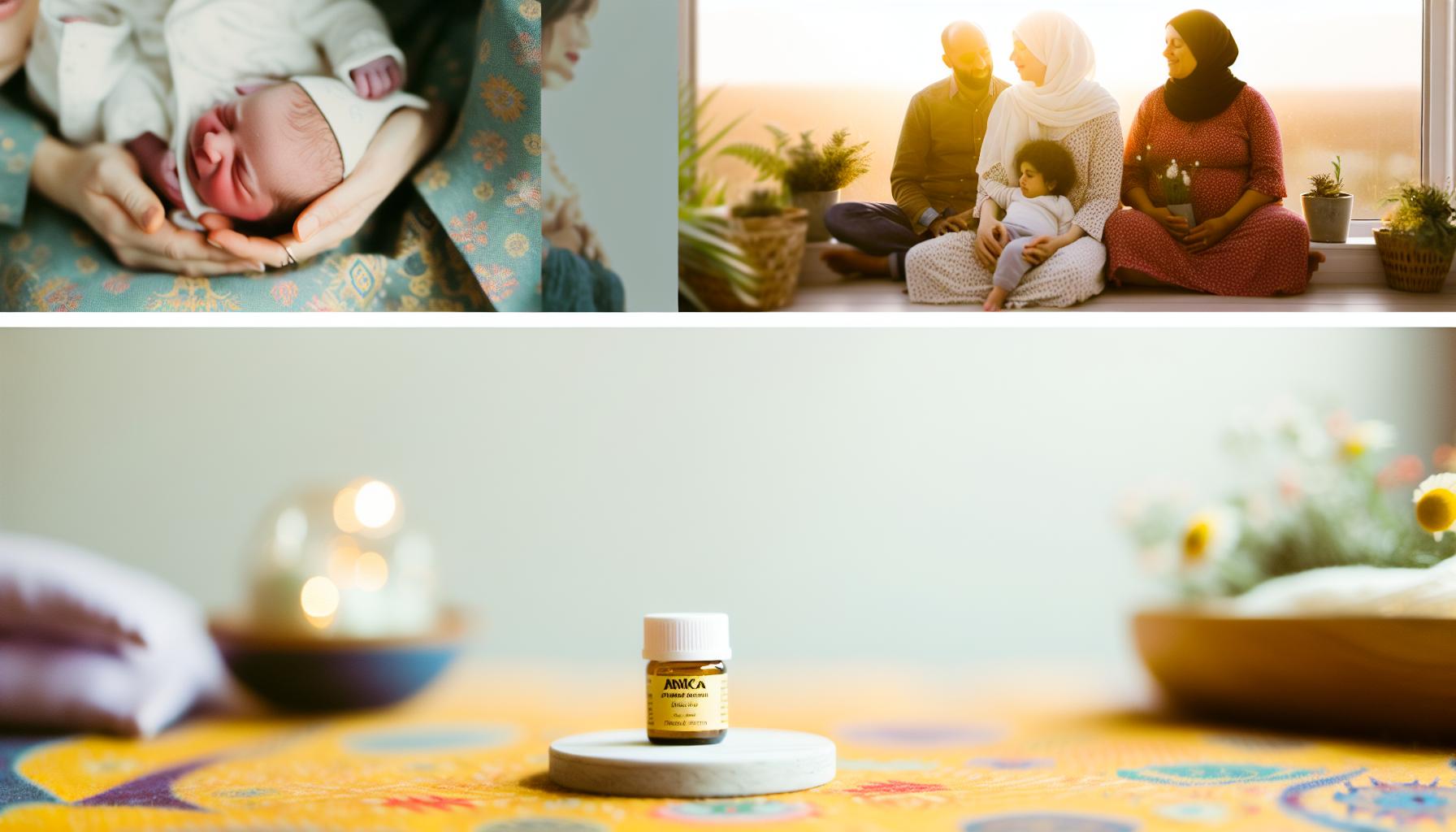
Personal Stories: Real Experiences with Arnica After Childbirth
Real Experiences with Arnica After Childbirth
For many new mothers,the journey to recovery post-childbirth can be as challenging as the labor itself.One common thread in personal experiences shared among mothers is the relief provided by Arnica. Known for its natural healing properties, Arnica has become a trusted ally in postpartum recovery. Many women have reported significant improvements in their healing process, particularly regarding pain management.
- Healing Bruises and Swelling: Several mothers have recounted how taking homeopathic Arnica helped them reduce bruising and swelling around the perineum. One mother noted that after her vaginal birth, she felt a noticeable decrease in pain on the second day of taking Arnica, describing it as helping her feel “more like herself” much quicker than expected.
- Branding for Pain Relief: Another mother shared her experience of using Arnica in infusion oil form.After applying it to the areas around her abdomen, she was thrilled to find that it alleviated much of the typical discomfort associated with postpartum recovery. It acted as a natural alternative to over-the-counter pain relievers, allowing her to manage her recovery without the side effects.
- Support from Partners: Interestingly, some stories highlight how Arnica isn’t just beneficial for mothers; partners have also found relief. Fathers experiencing physical and emotional exhaustion during the postpartum period reported using Arnica to help manage their own stress and tension, underscoring its versatility.
Community Recommendations
Many mothers advise starting with homeopathic arnica promptly after childbirth to maximize its benefits. A common practice is to take 30C potency, three times a day for the first three days, as it aligns with guidelines established by midwives and herbalists. Users emphasize the importance of choosing high-quality products to ensure safety and efficacy. Here’s a quick guide to using Arnica:
| Usage Instructions | Dosage Frequency | Notes |
|---|---|---|
| Homeopathic Arnica | 3 times a day for 3 days | Consult with a healthcare provider for tailored advice. |
| Topical Arnica Oil | As needed | Avoid direct application on broken skin. |
Through these stories, it’s clear that Arnica offers significant support in a mother’s recovery toolkit, allowing for a smoother transition into the new demands of motherhood. With ample evidence from personal experiences, many mothers are recommending Arnica for postpartum pain relief, showcasing its effectiveness and safety.
Exploring Alternative Remedies for Postpartum Healing
Natural Allies in Recovery
Postpartum healing is a crucial phase where new mothers seek effective ways to recover from the strains of childbirth. Among the various alternative remedies gaining traction, Arnica Montana stands out for its natural healing properties. Known for its efficacy in reducing inflammation and promoting recovery from bruising, Arnica offers a safe option when used correctly, making it an appealing choice for many postpartum women. It can provide relief akin to that of nsaids like ibuprofen, but without the accompanying side effects, particularly beneficial for breastfeeding mothers and their infants [1[1].
How to Use Arnica Safely
when considering Arnica for postpartum recovery, the form in which it’s used is crucial. It is typically available in creams, gels, and homeopathic formulations. Though, it is indeed essential to note:
- Topical Application: Arnica should not be applied directly to broken skin or used internally unless in the form of homeopathic remedies. This ensures safety while still reaping its benefits.
- Homeopathic Use: For internal use, homeopathic options are recommended, as they are safe and systematic for managing pain and inflammation without the risks associated with topical applications.
Incorporating Arnica into your postpartum care routine can be as simple as applying a diluted topical gel to areas of discomfort or bruising. Always conduct a patch test first to ensure there are no adverse reactions.
Complementary Herbal Remedies
While Arnica is a potent remedy on its own, combining it with other herbal treatments can enhance recovery further. Here are a few notable options:
| Herb | Benefits |
|---|---|
| Calendula | Promotes healing of wounds and reduces inflammation. |
| Lavender | Helps soothe anxiety and improve sleep quality. |
| Aloe Vera | Soothes skin irritation and hydrates the perineal area. |
| Raw honey | Has natural antibacterial properties and supports wound healing. |
These herbs can often be found as oils, teas, or topical applications and can be integrated into a complete postpartum healing plan. By exploring options like these alongside Arnica,new mothers can support their recovery through safe,natural means,facilitating a smoother transition into motherhood.
when to Consult a Healthcare professional About Arnica Use
Recognizing When to Seek professional Guidance
Using Arnica can be beneficial for managing post-birth discomfort, but understanding when to consult a healthcare professional is crucial for your safety. Despite its popularity for treating muscle pain, bruises, and swelling, Arnica is not without risks, especially when misused. If you’re considering Arnica for postpartum care,it’s vital to be aware of certain signs that indicate a need for medical advice.
- Persistent Symptoms: If your pain or swelling does not improve after several days of Arnica application, or if it worsens, it’s wise to consult a healthcare provider.
- Signs of Severe Reactions: Watch for any allergic reactions, such as rashes, itching, or swelling beyond the application area. These symptoms may signify that Arnica is not suitable for you.
- Oral Use Risks: Never take Arnica orally unless under direct supervision of a healthcare professional,as this can lead to serious adverse effects,including nausea and other gastrointestinal issues.
- Pre-existing Conditions: If you have conditions like liver disease or are on anticoagulants, talking to a healthcare professional before using Arnica is essential, as it may interfere with your treatment.
Consulting During Complex Situations
In certain scenarios, such as postpartum complications or ongoing pain management issues, consulting with a healthcare professional about Arnica is even more critical. If you experience unusual symptoms like persistent headaches or severe bruising after delivery,a professional can definitely help determine the right course of action. Furthermore, if you are breastfeeding, discussing any herbal treatments like Arnica with your doctor is advisable to ensure safety for you and your baby.
For new mothers exploring Arnica for postpartum recovery, the importance of informed usage cannot be overstated. Effective interaction with your healthcare provider ensures that you are safely benefiting from Arnica’s potential properties while minimizing risks and monitoring for any adverse effects.
Fostering Self-Care During the postpartum Period with Arnica
Embracing Healing Through Arnica
During the challenging yet transformative postpartum period, self-care is essential for physical and emotional recovery. One effective natural remedy that has garnered attention for its remarkable benefits is Arnica. This homeopathic remedy is widely recognized for its ability to soothe bruising, relieve pain, and accelerate healing, making it an invaluable addition to any postpartum care routine.
Arnica can be particularly beneficial for mothers experiencing discomfort following childbirth.The birth process frequently enough leaves the body feeling battered and bruised, especially in areas such as the perineum and abdomen. To harness the power of Arnica,it is recommended to take Arnica 200C three times a day for the first three days postpartum. This homeopathic remedy can help alleviate soreness and swelling, allowing new mothers to focus on their bonding with their baby instead of discomfort. Additionally, Arnica can also benefit partners who may be feeling overwhelmed or in shock from the experience of childbirth, enhancing the overall family support dynamic during this pivotal time [1][2].
Using Arnica Safely
While Arnica is a potent tool for postpartum recovery, understanding its correct usage is critical to ensuring safety and maximizing benefits. Here are some practical tips for incorporating arnica into your postpartum care:
- Homeopathic Formulation: Always choose homeopathic Arnica (such as arnica 200C) rather of topical gels or creams to avoid skin irritation.
- Dosage: Stick to the recommended dosage, typically three times a day for the initial days following delivery, unless directed otherwise by a healthcare provider.
- Consultation: Prior to use, consult with a healthcare professional or a certified homeopath to ensure it’s appropriate for your specific postpartum needs.
A Natural Path to Recovery
Integrating Arnica into your self-care regimen can promote healing in both body and spirit. As mothers navigate their new roles, creating a personalized postpartum plan that includes attention to physical discomfort can lead to a smoother transition into motherhood. By addressing pain and promoting healing early on, women can dedicate more energy toward nurturing their little ones and themselves, ultimately laying a foundation for a thriving post-birth experience.
in a holistic approach to postpartum care, Arnica for postpartum serves as a natural ally, offering relief and supporting the body’s remarkable recovery process.
Frequently Asked Questions
What is Arnica for Postpartum: Benefits and Safe Usage Tips?
Arnica for Postpartum refers to the use of Arnica Montana, a homeopathic remedy, that assists in healing after childbirth. Its benefits include reducing swelling, bruising, and pain, making it particularly valuable for new mothers.
Commonly used in homeopathy, Arnica is known for its ability to promote healing in tissues, particularly after trauma. Mothers often utilize it to manage discomfort related to perineal tears or abdominal surgery. For more detailed guidance, consider visiting a professional homeopath.
Can I use Arnica while breastfeeding?
Yes, Arnica is considered safe for breastfeeding mothers and their babies. This non-invasive remedy helps manage conditions like swelling and bruising without known side effects, making it a gentle option during postpartum recovery.
The National Institutes of Health (NIH) supports the use of homeopathic Arnica for postpartum healing.It can definitely help mothers feel more comfortable while nurturing their newborns, thus creating a supportive healing habitat.
How does Arnica help with postpartum recovery?
Arnica assists in postpartum recovery by promoting tissue healing, reducing bruising, and managing pain associated with childbirth. It acts as a natural alternative to NSAIDs, like ibuprofen, which can have side effects.
Many new mothers experience discomfort and a sensation of being “battered and bruised” after delivery.Using Arnica over a few days can alleviate these feelings, allowing for a smoother recovery process. Always consult with a healthcare professional before starting any remedy.
How should I use Arnica after childbirth?
For best results, take Arnica 30C or 200C potency 3 times daily for 3 days after childbirth. This dosage aids in controlling bleeding, reducing swelling, and speeding up healing.
Depending on individual needs, consult a healthcare provider for personalized recommendations. Your healing journey is unique, and understanding the best practices for using homeopathic remedies like Arnica can enhance your recovery.
What are the side effects of using Arnica postpartum?
Homeopathic Arnica generally has few side effects when used appropriately. Though, overdosing can lead to symptoms such as nausea or increased bruising.
It is crucial to adhere to recommended dosages to avoid adverse reactions. Always consult a healthcare provider to ensure you are using arnica safely, especially if you are experiencing severe symptoms.
Can I give Arnica to my baby after traumatic delivery?
Yes, Arnica can be administered to babies if they sustained bruising or swelling during delivery. Using Arnica 200C in appropriate doses can help support their recovery.
It is indeed advisable to consult with a pediatrician or homeopath regarding dosage and frequency. Early intervention can ensure that both mothers and babies recover smoothly from traumatic deliveries.
Why should I consider Arnica for postpartum pain management?
Considering Arnica for postpartum pain management is beneficial as it offers a natural approach without the side effects commonly associated with conventional pain relievers.
Clinical studies suggest that Arnica can be as effective as NSAIDs, providing symptomatic relief while supporting natural healing. This alternative fits well within a holistic approach to postpartum care,promoting overall well-being.
In Summary
As you embark on your postpartum journey, consider the many benefits that Arnica can bring to your recovery. Known for its bruising and inflammation-fighting properties, Arnica is a natural remedy that many new mothers find helpful when they’re navigating the challenges that come with childbirth. Remember, while Arnica is regarded as safe, particularly for breastfeeding moms and their newborns, it’s essential to consult with a healthcare professional prior to use to ensure it’s right for you.
We encourage you to explore the various ways arnica can support your recovery, from reducing pain to promoting overall well-being. Don’t hesitate to reach out with any questions or share your experiences, as your journey can undoubtedly inspire and help others in similar situations.Your wellbeing is paramount, and together, we can navigate this lovely yet challenging phase of motherhood.For more insights and tips on postpartum recovery, keep exploring our resources—we’re here for you every step of the way.
Get our latest guides, news, and insights highlighted in your Google Search & AI Overviews.