As a new mother, you might wonder how your diet impacts breastfeeding and your baby’s nutrition. Quinoa, often hailed as a superfood, is packed with essential nutrients that can support lactation. This article explores the benefits of incorporating quinoa into your diet and its role in promoting a healthy breastfeeding experience.
Understanding the Nutritional Needs During breastfeeding
Breastfeeding is a crucial time for both mother and baby, often described as a period filled with meaningful physical and emotional changes. During this time, a mother’s nutritional needs evolve as her body works to produce nutrient-rich milk to support her baby’s growth and development. Understanding these needs is essential for maintaining health and ensuring the baby receives adequate nutrition.
Key Nutritional Components
To optimize milk production and quality, breastfeeding mothers should focus on a variety of key nutrients:
- Proteins: Essential for growth and repair; incorporating sources like lean meats, dairy, and legumes is vital.
- Calcium: Supports bone health for both mother and baby; dairy products, leafy greens, and fortified alternatives are excellent sources.
- Iron: Crucial for energy levels and to prevent anemia; sources include red meat, beans, and fortified cereals.
- Healthy Fats: Critical for brain development; include sources like avocados, nuts, and olive oil.
- Hydration: Breastfeeding can increase fluid needs,so drinking plenty of water,herbal teas,or broths is essential.
Superfoods and Their Role
Incorporating superfoods like quinoa into a breastfeeding diet can provide numerous benefits. Quinoa is not only a complete protein but also rich in essential amino acids, fiber, and various vitamins and minerals. Including such nutrient-dense foods can directly impact milk quality, providing your baby with the necessary nutrients for healthy development.
| Nutrient | Amount per 1 cup cooked quinoa |
|---|---|
| protein | 8 grams |
| Iron | 2.8 mg |
| Magnesium | 30% of the RDI |
| Fiber | 5 grams |
This nutritional powerhouse not only enhances a mother’s diet but may also influence the overall health of the nursing infant. Strategies to incorporate quinoa can be simple: consider adding it to salads, using it as a base for bowls, or even substituting rice in dishes. Remember, a well-balanced diet enriched with superfoods like quinoa is not just beneficial—it is indeed a essential aspect of thriving during the breastfeeding journey.
How Quinoa Can Support Your Lactation Journey
Quinoa is often heralded as a superfood, and for good reason—especially for new mothers navigating their lactation journey. This versatile grain is not only a valuable source of protein, but it also boasts a range of nutrients that can considerably support milk production and overall health during breastfeeding.
Nutritional Benefits of Quinoa
When considering how quinoa can aid in breastfeeding, it’s essential to highlight its robust nutritional profile. Rich in essential amino acids, quinoa is one of the few plant-based foods considered a complete protein.This is particularly beneficial for nursing mothers, as protein supports tissue repair, energy levels, and milk synthesis.
Additionally, quinoa is packed with:
- Iron: Critically important for preventing anemia, which can be common postpartum.
- Folate: A critical nutrient for cell division and metabolism, helping to sustain the energy levels needed during breastfeeding.
- Magnesium: Plays a role in muscle relaxation and stress reduction, aiding emotional wellbeing during this demanding phase.
- Fiber: Helps to maintain a healthy digestive system, which can be a concern for new mothers.
How Quinoa Can Enhance Milk Production
Research has suggested that certain foods can promote lactation, and quinoa is no exception.Its significant amino acid content supports hormone regulation, crucial for milk production. Consuming it in various forms—from quinoa salads to soups or used as a base for veggie bowls—can integrate this superfood seamlessly into your diet.
Here’s a simple way to include quinoa in your meals:
| Meal | Quinoa Recipe Idea |
|---|---|
| Breakfast | Quinoa porridge made with almond milk, topped with fruit and nuts. |
| Lunch | Quinoa salad with spinach, chickpeas, and a lemon-tahini dressing. |
| dinner | Stuffed bell peppers filled with quinoa, black beans, and spices. |
Incorporating quinoa into your meals not only adds variety but also empowers your body to provide the best nutrition for your baby. Combining it with other lactogenic foods like oats, leafy greens, and nuts can create a nutrient-dense diet that supports optimal breastfeeding outcomes.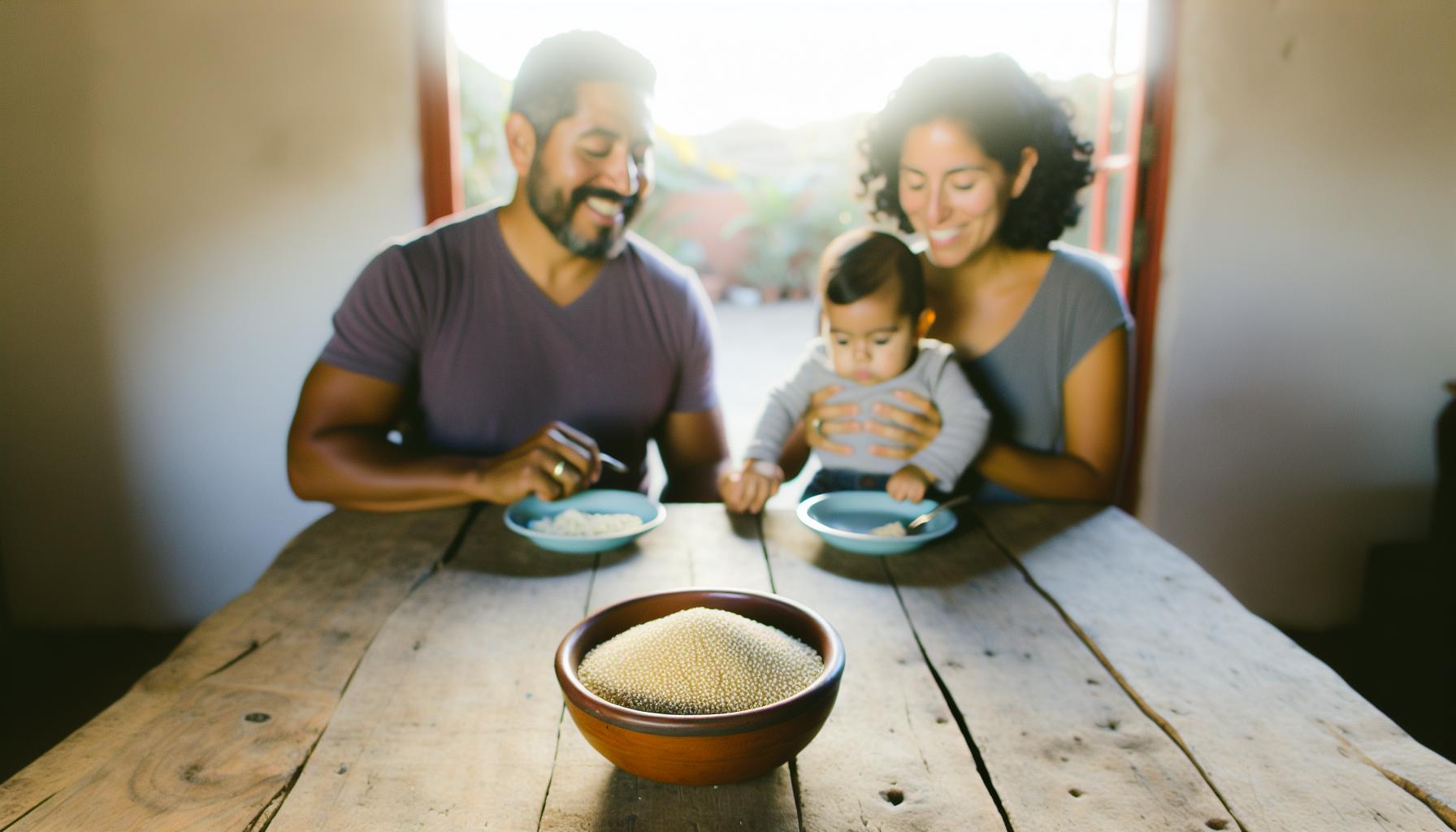
Key Vitamins and Minerals in Quinoa: Boosting Milk Quality
Quinoa is often hailed as a superfood, but its status takes on a special significance when it comes to breastfeeding mothers. This versatile grain not only provides essential macronutrients but also boasts a rich profile of vitamins and minerals that can enhance milk quality. Understanding these key components can help nursing mothers optimize their nutrition during this pivotal time.
Essential Vitamins for Milk Quality
Incorporating quinoa into a breastfeeding diet can deliver critical vitamins that influence both maternal health and lactation. Here are some standout nutrients found in quinoa:
- Vitamin B2 (Riboflavin): Important for energy production and helps in the growth of red blood cells, which can be beneficial for new mothers recovering from childbirth.
- Vitamin E: Acts as an antioxidant, protecting cells from damage and potentially improving milk’s nutritional value.
- Folate (Vitamin B9): Crucial for DNA synthesis and repair, folate can definitely help in the healthy development of infants.
These vitamins work synergistically to not only support the mother’s health but also ensure that the breastfeeding infant receives optimal nutrients through breast milk.
Minerals That Matter
Quinoa is also a fantastic source of several minerals necessary for both mother and child:
- Iron: Essential for oxygen transport in the blood, iron can definitely help prevent anemia in new mothers, thereby supporting overall health and energy levels.
- Magnesium: This mineral plays a role in over 300 biochemical reactions in the body,including muscle function and nerve transmission,which can help minimize postpartum mood swings.
- Calcium: Critically important for bone health, maintaining adequate calcium levels is crucial for breastfeeding, as the body may draw calcium from the mother’s bones to supply the baby.
These minerals not only aid in the lactation process but contribute to the overall health of the nursing mother, making quinoa an excellent choice for those pondering, “Is Quinoa Good for Breastfeeding? Superfood Benefits Explained.”
Summary of Nutritional Benefits
To encapsulate the compelling nutritional profile of quinoa, consider the following table that outlines these key vitamins and minerals:
| Nutrient | Benefits for Breastfeeding |
|---|---|
| Vitamin B2 (Riboflavin) | Boosts energy and aids red blood cell production |
| Vitamin E | Provides antioxidant protection and improves milk quality |
| Folate | Supports DNA synthesis and infant development |
| Iron | Prevents anemia, aiding energy levels |
| Magnesium | Supports biochemical reactions, stabilizes mood |
| Calcium | Strengthens bones, essential for lactation |
Incorporating quinoa into a daily diet can significantly impact the quality of breast milk and, consequently, the well-being of the breastfeeding infant.As mothers explore the answer to “Is Quinoa Good for Breastfeeding? Superfood Benefits explained,” it’s clear that this nutrient-rich grain packs a powerful punch.
Easy and Delicious Ways to Incorporate Quinoa into Your Diet
As a powerhouse of nutrition, quinoa stands out as an exceptionally versatile grain that can easily be integrated into a variety of meals. For breastfeeding mothers, the nutrients that quinoa offers can be incredibly beneficial, supporting both maternal health and milk production. Below are some simple yet delicious ways to include quinoa in your daily diet.
Breakfast boost
Start your day off right by incorporating quinoa into your breakfast routine. Instead of typical oatmeal,try a warm quinoa breakfast bowl. Cook quinoa in almond or coconut milk and top it with fresh fruits, nuts, and a drizzle of honey or maple syrup. This hearty option not only provides protein but also essential vitamins and minerals.
- Quinoa Porridge: cook 1 cup of quinoa with 2 cups of water or milk, simmer until fluffy, and add cinnamon, nuts, and fruits.
- Breakfast Smoothie: Blend cooked quinoa with bananas, spinach, yogurt, and your choice of milk for a nutritious smoothie.
Lunch with a Twist
Transform your lunch with a nutritious quinoa salad or grain bowl.combine cooked quinoa with roasted vegetables, leafy greens, and your favorite protein such as grilled chicken or chickpeas.A zesty lemon-tahini dressing can elevate the flavors while maximizing health benefits.
- Quinoa Salad: Mix quinoa, cucumber, tomatoes, parsley, and a lemon-olive oil dressing.
- Grain Bowl: Layer quinoa with black beans, avocado, corn, and salsa for a refreshing meal.
Snacks and Dinners
Quinoa can also shine at dinner time and as healthy snacks.Try quinoa patties or fritters as a snack, or serve quinoa as a side dish with your favorite protein. The nutty flavor of quinoa pairs well with grilled fish or roasted meats.
- Quinoa Fritters: Combine cooked quinoa, eggs, flour, and herbs, then pan-fry until golden.
- Side Dish: Serve fluffy quinoa seasoned with garlic, herbs, and vegetables alongside any main course.
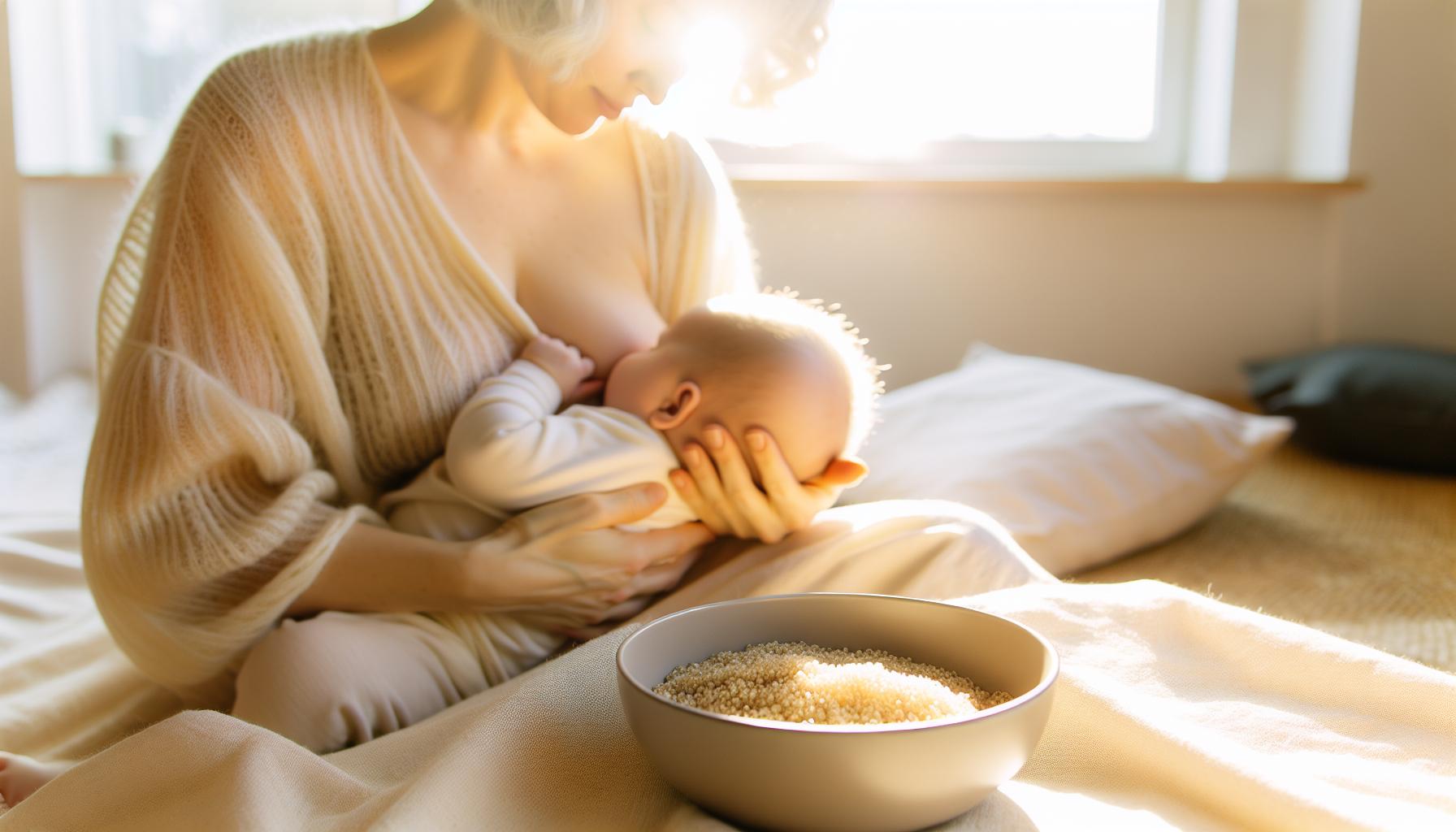
By including quinoa across meals,you’ll not only be supporting your nutritional intake while breastfeeding but also enjoying the delightful textures and flavors this superfood has to offer. For those wondering, “is quinoa good for breastfeeding?” the answer is a resounding yes, thanks to its robust profile of proteins, vitamins, and antioxidants.
Expert Insights: Is Quinoa Safe for Nursing Mothers?
Did you know that quinoa is frequently enough dubbed a “superfood” due to its remarkable nutrient profile? for nursing mothers, this ancient grain can offer a wealth of benefits, but understanding whether it’s a safe choice during this critical time is essential.
The Nutritional Value of Quinoa
quinoa is packed with vital nutrients that can support both the mother and her breastfeeding newborn. Rich in protein, fiber, iron, magnesium, and vitamins A, B, and E, quinoa contributes to a balanced diet. Its complete protein profile contains all nine essential amino acids, making it an excellent substitute for meat or dairy, especially for those following a vegetarian or vegan diet.
Benefits for Nursing Mothers
Incorporating quinoa into a nursing mother’s diet can yield several advantages:
- Enhanced Energy Levels: The complex carbohydrates found in quinoa help provide sustained energy,which is crucial for new mothers managing the demands of breastfeeding and care.
- Improved Digestive Health: Its high fiber content can aid in digestion, which is especially beneficial for women who may experience postpartum digestive issues.
- Supporting Mood Stability: Quinoa contains amino acids that can positively influence serotonin production, potentially improving mood and reducing postpartum anxiety.
Moderation and Possible Allergies
While quinoa is generally considered safe for nursing mothers, moderation is key. Starting with small portions can help monitor any adverse reactions in both the mother and the breastfeeding infant. Additionally, while rare, some individuals might develop a sensitivity or allergy to quinoa. Signs of a reaction can include gastrointestinal discomfort or rash. If any such symptoms arise, it’s advisable to consult a healthcare professional.
| Quinoa Nutritional Details (per 100g cooked) | Amount |
|---|---|
| Calories | 120 |
| Protein | 4g |
| Carbohydrates | 21g |
| Fiber | 2g |
| Fat | 2g |
| Iron | 1.5mg |
quinoa can be a beneficial addition to a nursing mother’s diet, providing essential nutrients and supporting overall well-being. However, as with any dietary choice during breastfeeding, being attentive to one’s body and the baby’s reactions will ensure safety and satisfaction.
Addressing Common Concerns: Allergies and Digestion Issues
Quinoa is widely recognized for its health benefits, especially during the breastfeeding phase, but concerns regarding allergies and digestion can cast a shadow over its superfood status. Understanding these issues is crucial for breastfeeding mothers looking to incorporate this nutritious grain into their diet without adverse effects.
Allergy Concerns
While quinoa is often praised for being a gluten-free grain and suitable for those with celiac disease, it is still important to be aware that some individuals may experience allergies. Though rare, allergic reactions to quinoa can occur, frequently enough manifesting as skin irritations, gastrointestinal upset, or respiratory issues.If you or your family has a history of food allergies, consider the following steps:
- Introduce Incrementally: Start with a small portion of quinoa to monitor for any adverse reactions.
- Consult a Physician: Discuss any concerns with a healthcare professional, particularly if there are known allergies to other grains.
- Alternative Grains: If allergies are confirmed, explore alternatives such as millet or buckwheat, which can offer similar nutritional benefits without the risk.
Digestive Issues
Many breastfeeding mothers may encounter digestion-related concerns when integrating quinoa into their diet. While quinoa is a rich source of fiber,which aids digestion,introducing to much fiber too quickly can lead to discomfort,bloating,or gas. To alleviate potential digestion issues, follow these practical tips:
- Rinse Before cooking: Always rinse quinoa thoroughly before cooking to remove saponins, which can contribute to a bitter flavor and may irritate the digestive tract.
- Gradual Introduction: slowly increase your quinoa intake. Start by incorporating it in small servings a few times a week, then gradually increase as your digestive system adjusts.
- Hydrate Adequately: Fiber works best when you drink plenty of fluids, so ensure you stay well-hydrated throughout your day.
By addressing these common concerns related to allergies and digestion, breastfeeding mothers can enjoy the numerous benefits of quinoa without compromising their health or that of their baby.
Balancing Your Diet: Quinoa as Part of a Holistic Approach to Nutrition
As a remarkable source of nutrition, quinoa packs a punch that is hard to ignore, especially for breastfeeding mothers seeking to support their health while nourishing their babies. Quinoa is not only a powerhouse of protein but also a complete source of essential amino acids, making it an ideal addition to a well-balanced diet. This ancient grain has gained recognition for its ability to enhance overall well-being, and integrating it into daily meals is a step towards embracing a holistic approach to nutrition.
Nutritional Benefits for Breastfeeding Mothers
For mothers in the breastfeeding phase, maintaining optimal nutrition is crucial. Quinoa delivers an impressive array of vitamins and minerals, including:
- Protein: Higher in protein compared to other grains, quinoa supports tissue repair and muscle maintenance.
- Fiber: Promotes digestive health and can aid in preventing constipation.
- Iron: Essential for energy and to support blood volume expansion during lactation.
- Magnesium: Plays a vital role in numerous biochemical reactions and helps manage stress.
These nutrients not only contribute to a mother’s health but also support milk production and quality, making quinoa an essential superfood for breastfeeding diets.
Incorporating Quinoa Into Your Meals
Adding quinoa to your diet can be simple and versatile. Here are some practical ideas for including this nutrient-dense grain in your meals:
- add cooked quinoa to salads for a hearty texture that enhances the nutrient profile.
- Use quinoa as a base for veggie bowls, topped with seasonal vegetables and a protein source.
- Incorporate quinoa into breakfast by mixing it with yogurt,fruits,and nuts.
- Bake quinoa into muffins or energy bars for swift snacks throughout the day.
Conclusion
Integrating quinoa into your diet during the breastfeeding period is a delicious and effective way to enhance your nutritional intake. As discussed in various resources on the benefits of quinoa, this grain not only fulfills dietary needs but also contributes to a balanced, holistic approach to nutrition that is particularly beneficial during this crucial time. As you embrace the superfood benefits of quinoa, you will find it easier to maintain energy levels and overall wellness while nourishing your little one.
Q&A
Is Quinoa Good for breastfeeding?
Yes, quinoa is a highly nutritious choice for breastfeeding mothers. It is rich in protein, fiber, and essential vitamins, making it an excellent addition to a lactating mother’s diet. Quinoa’s unique combination of amino acids supports both the mother’s and baby’s nutritional needs. Quinoa is considered a complete protein, meaning it contains all nine essential amino acids. This is particularly beneficial for breastfeeding mothers who require extra protein to support lactation and maintain their own health.Incorporating quinoa into meals can also help improve overall dietary quality.
What are the health benefits of quinoa for breastfeeding mothers?
Quinoa offers numerous health benefits for breastfeeding moms. It provides essential nutrients like iron, magnesium, and B vitamins that support energy levels and mood, qualities crucial for new mothers. As breastfeeding can be physically demanding,incorporating quinoa can definitely help boost stamina and promote recovery postpartum. The high fiber content also aids digestion, which can help some women who experience gastrointestinal changes after childbirth.
Can I eat quinoa while breastfeeding if I have a sensitive stomach?
Yes,you can eat quinoa,but moderation is key. If you have a sensitive stomach, start with small amounts and observe how your body responds. Quinoa is typically easier to digest than other grains, yet some lactating mothers may experience mild discomfort. You can try soaking and rinsing quinoa before cooking to help reduce any potential digestive strain. If sensitivity persists, consult with your healthcare provider for tailored advice.
Why does quinoa support milk production for nursing mothers?
Quinoa supports milk production due to its nutrient density. The high protein content is especially crucial as protein plays a vital role in the synthesis of breast milk. Moreover, the array of vitamins and minerals in quinoa helps in maintaining overall health, which can indirectly support breastfeeding. Additionally,staying well-nourished can help maintain a balanced milk supply,thus benefiting both mother and baby.
What if my baby shows allergic reactions after I consume quinoa?
if your baby shows signs of an allergic reaction, stop consuming quinoa and consult your pediatrician. Allergies can develop to any food, including quinoa. Common signs include rashes, fussiness, or gastrointestinal symptoms. Tracking your diet while breastfeeding can help identify potential triggers. Your healthcare provider can offer guidance tailored to your situation, ensuring that both you and your baby remain healthy during this time.
How can I incorporate quinoa into my breastfeeding diet?
Incorporating quinoa into your diet is simple and versatile. You can use it as a base for salads, stir-fries, or as a side dish paired with vegetables and proteins. For breakfast, try quinoa porridge or mix it into smoothies for added nutrition. Explore different recipes to keep your meals exciting while ensuring you receive the vital nutrients necessary for both you and your breastfeeding journey. Discover more about healthy recipes through our [nutrition guide](#).
Can quinoa replace other grains in my diet while breastfeeding?
Yes, quinoa can be an excellent substitute for other grains. It is a gluten-free grain alternative that provides a similar texture and cooking versatility. Whether you are replacing rice, pasta, or other grains, quinoa adds extra nutrition to your meals. However, ensure you maintain a variety of grains and foods in your diet to cover all nutrient bases. A diverse diet can support optimal breastfeeding nutrition.
The Way Forward
quinoa shines as a remarkable ally for breastfeeding mothers,offering a wealth of essential nutrients that can support both your health and your baby’s development. From its rich protein content to its abundance of vitamins and minerals, this superfood can be an excellent addition to your diet, helping to nourish you during this pivotal time. Remember,every parent’s journey is unique,and there’s no one-size-fits-all approach to nutrition. As you navigate the challenges of breastfeeding, keep exploring different foods that resonate with your body and your lifestyle. We encourage you to listen to your hunger signals and embrace the joy of nourishing both yourself and your little one. For more tips and insights, don’t hesitate to dive deeper into related topics—because informed choices empower confident parenting.Happy feeding!
Get our latest guides, news, and insights highlighted in your Google Search & AI Overviews.