

In an age where sensory videos are a staple of early childhood entertainment,many parents wonder about their impact on infants. Are these vibrant visual experiences beneficial, or do they pose risks to developing minds? Understanding the effects of sensory content on babies is crucial for promoting healthy growth and learning during their formative years.
Understanding the Effects of Sensory Videos on infant Development
The Impact of Visual Stimulation on Early learners
Did you know that the first year of life is a period of immense brain development? Infants experience rapid growth in cognitive and sensory capabilities, making the stimuli they encounter during this time critically importent. Sensory videos, often colorful and engaging, have become a popular form of entertainment for babies. However, understanding their potential effects on infant development is essential for parents and caregivers.
Balancing Screen Time with Real-Life Interactions
While some experts advocate for the use of sensory videos as a tool for developing visual tracking and attention span, others caution against excessive screen time. The key lies in moderation and the contextual use of these videos. Here are some considerations for parents:
- Quality Over Quantity: Opt for sensory videos that are tailored specifically for infants,featuring calming visuals and sounds rather than overstimulating or chaotic content.
- Engagement: Aim to watch these videos alongside your baby. Interaction can enhance the learning experience and foster a stronger bond.
- Limit Viewing Time: The American Academy of Pediatrics suggests keeping screen time for children under the age of 2 to a minimum, advocating for more hands-on activities like reading and playing.
Potential Risks: What Parents Should Watch for
Excessive exposure to sensory videos may lead to certain developmental concerns. Research suggests that too much screen time can impact social skills and reduce opportunities for crucial interactions that are integral to language development.Parents should be vigilant about these signs:
| Potential Concerns | Signs to Observe |
|---|---|
| Social Interaction | Reduced eye contact and less engagement with caregivers. |
| Language Development | Delayed speech or fewer babbling sounds compared to peers. |
| Attention Span | Difficulty focusing on activities that require sustained attention. |
while sensory videos can capture an infant’s attention and provide a source of entertainment, they should not replace direct interactions with caregivers. Maintaining a balance ensures that babies receive both the visual stimulation provided by screens and the crucial,hands-on experiences necessary for healthy development. As you explore the implications of sensory videos for baby development, remember that informed choices can lead to positive growth outcomes.
What Experts Say: Insights from Child Development Specialists

Understanding the Impact of Sensory Videos on Infant Development
The first years of a child’s life are crucial for sensory processing and cognitive growth. Experts highlight that while sensory videos can be engaging, they may not always be beneficial for infants. Research emphasizes the importance of interactive play and direct human interaction, particularly in the early phases of development. Sensory videos,if excessively stimulating or poorly designed,can hinder rather than help a baby’s developmental journey.
According to child development specialists,exposure to fast-paced visuals and sounds might overwhelm infants,possibly leading to issues with attention and processing sensory input. Instead of passively consuming content,infants thrive in environments where they can explore,touch,and engage with real-world objects. This hands-on interaction nurtures critical brain development and encourages essential motor skills.
Key Insights from Specialists:
- Limit screen time: The American Academy of Pediatrics recommends minimal screen exposure for children under 18 months unless its via video chat.
- Encourage active play: Engaging in physical play fosters coordination and sensory development.
- Promote social interaction: Face-to-face interactions with caregivers enhance emotional and cognitive development.
Experts suggest that if sensory videos are to be used, they should be chosen carefully, ensuring they are simple, calm, and designed specifically for an infant’s developmental stage. the goal should be to complement, not replace, the rich interactions that occur during playtime and daily routines.
| Type of activity | Benefits | Recommended Duration |
|---|---|---|
| Sensory Play (e.g., playing with blocks) | Enhances fine motor skills, promotes creativity | 15-30 minutes daily |
| Interactive Storytime | Boosts language skills, builds emotional connection | 10-20 minutes daily |
| Viewing Calming Sensory Videos | Can provide brief periods of relaxation | 5-10 minutes, supervised |
By maintaining a balance between sensory videos and engaging activities, parents can support their babies’ healthy developmental trajectories while ensuring they make the most of this formative time.
The Good, the Bad, and the Indifferent: Sensory Video Content

The proliferation of sensory video content for infants has sparked intense discussions among parents, educators, and pediatricians alike. While these videos can create mesmerizing visual experiences, their impact on infant development warrants a closer examination. Understanding the nuances of this phenomenon can equip caregivers with essential insights to make informed choices.
The Positive Aspects
Sensory videos, when crafted with intention, can provide valuable benefits to infants. Some of the key advantages include:
- Visual Stimulation: Bright colors and varying patterns can captivate a baby’s attention, fostering visual tracking and recognition skills.
- Auditory Feedback: The incorporation of soothing sounds or melodies can create a calming environment and stimulate auditory development.
- Engagement Opportunities: Quality sensory videos encourage interactive watching, prompting parents to engage with their babies through mimicry and conversation.
Research has shown that children who experience diverse sensory stimuli tend to develop better cognitive skills.When used judiciously, sensory videos can complement customary play and interaction.
Potential Downsides
Though, the lure of sensory videos comes with potential drawbacks that cannot be overlooked.Not every sensory video is created equal; some may contribute to overstimulation or poor developmental outcomes. Consider the following issues:
- Overstimulation: Excessive flashing lights and chaotic imagery can overwhelm an infant’s developing nervous system, leading to anxiety and irritability.
- Reduced Interaction: Excessive screen time may detract from essential face-to-face interactions, which are critical for emotional and social development.
- Lack of Educational Value: Not all sensory content is educational; some videos may offer little to no developmental advantages.
It’s crucial for parents to assess the quality and purpose of the content their children are exposed to, as poorly designed sensory videos can hinder rather than help development.
The Indifferent Middle Ground
Not all sensory video content falls neatly into the ‘good’ or ‘bad’ categories; some may be perceived as indifferent in their impact. For instance:
– Videos lacking interactive components may engage infants visually but fail to promote crucial developmental skills.
– Some content could easily become background noise, offering no real educational benefit while still captivating just enough to hold a child’s interest.
To navigate this grey area, parents should monitor viewing duration and ensure videos are part of a broader mix of activities that promote holistic development. Maintaining a balance is key—using sensory videos as one tool among many in a child’s developmental toolkit.
while the question,”Are sensory videos bad for babies?” may not have a clear-cut answer,understanding the good,the bad,and the indifferent regarding sensory video content can empower parents to make more informed decisions regarding their children’s viewing experiences.
Balancing Screen Time: How Much is Too Much for Your Baby?
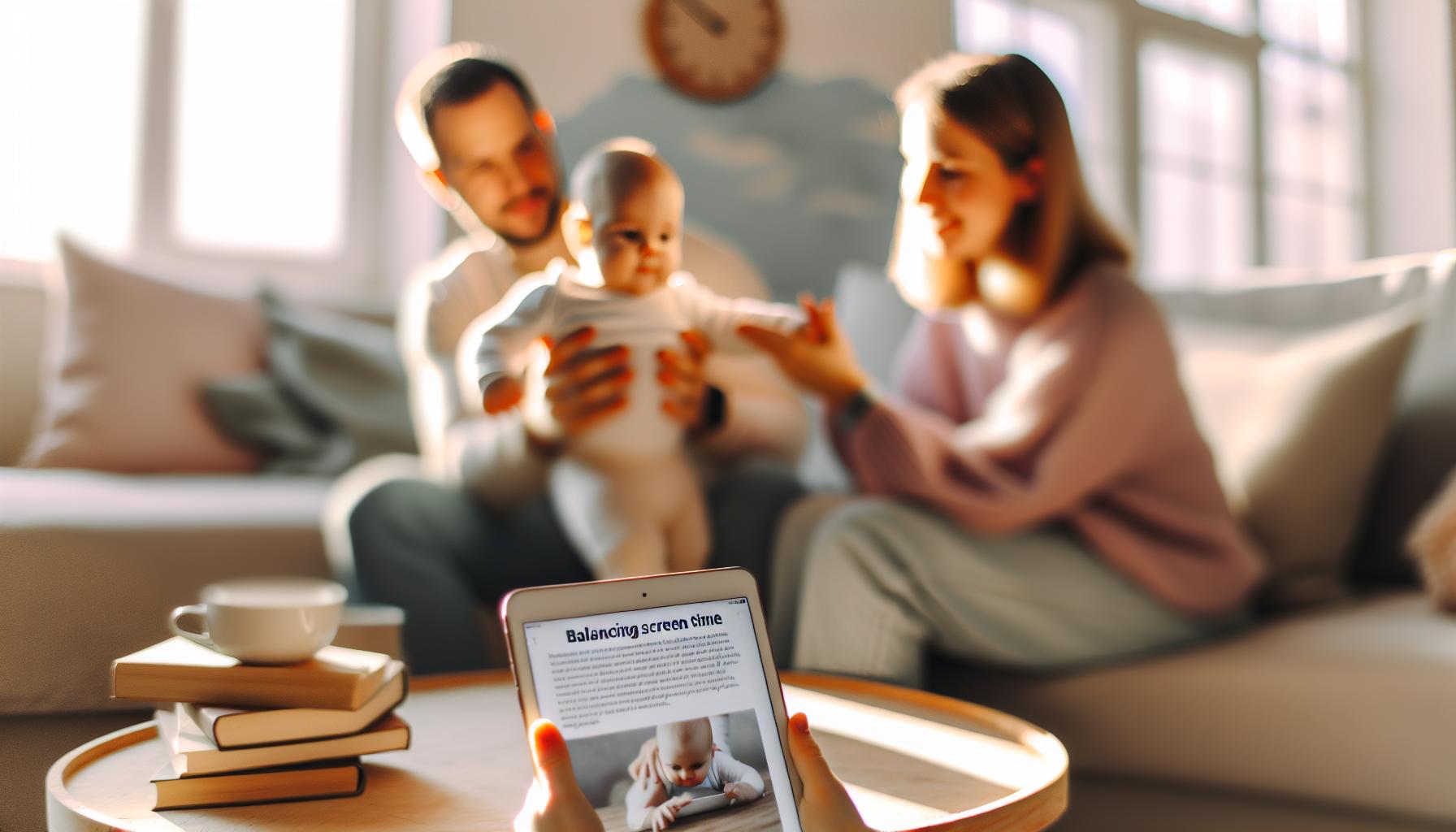
Did you know that the American Academy of Pediatrics (AAP) recommends children under 18 months should avoid screens, except for video chatting? This guideline is crucial, particularly when considering the content consumed. In the age of digital media, parents are often faced with questions about screen time and how it affects their little ones, especially regarding sensory videos and similar content.
Understanding Screen Time Guidelines
The current recommendations surrounding screen time for babies and toddlers are founded on extensive research on child development. While some parents may rely on sensory videos to keep their infants entertained, it’s vital to recognize the appropriateness of such content. The AAP advises that untill the age of 2, children should primarily engage in play that encourages hands-on exploration and interaction with caregivers.
To give you a clearer understanding, consider the following breakdown of recommended screen time:
| Age Group | recommended Screen Time |
|---|---|
| Under 18 Months | No screen time, except for video calls |
| 18-24 Months | Use high-quality educational programming, co-viewed with an adult |
| 2-5 Years | Limit screen time to 1 hour per day of high-quality content, co-viewed |
| 6 Years and Older | Encourage balancing screen time with other healthy activities |
Identifying ‘Too Much’ screen Time
The effects of excessive screen time can manifest in various ways, from reduced attention spans to social development issues. It is important for parents to monitor their baby’s reactions to sensory videos and other content.Here are some signs that indicate that screen time may be excessive:
- Reduced Engagement: If you notice your baby becoming disengaged from interactive play, it might be a sign they are spending too much time watching screens.
- Sleep Disruptions: Increased screen time can lead to issues with sleep patterns, making babies restless or fussy.
- Delayed Speech Development: Excessive screen exposure can hinder verbal interaction, which is vital for language acquisition.
To ensure that infants are getting the most beneficial experiences, it is essential for parents to focus on interactive, real-world learning opportunities instead of passive screen time. Encouraging activities that involve touch, sound, and movement can create rich sensory experiences that promote cognitive growth in ways that screens cannot replicate.
Signs Your Baby Might Be Overstimulated by Visual Media

Recognizing Signs of Overstimulation
In a digital age where sensory videos are readily available, it’s essential for parents to remain vigilant about their baby’s responses to visual media. While these videos may seem captivating,they can overwhelm developing minds,potentially leading to overstimulation. Understanding the signs is crucial to maintaining a healthy balance between engagement and excessive sensory input.
- Increased fussiness: If your baby becomes unusually irritable or fussy after watching sensory videos,it might potentially be a clear sign that they are overstimulated. Pay attention to their cues and be ready to provide a calm environment to help them relax.
- Difficulty Focusing: Babies should generally display a tendency to observe their surroundings curiously. if you notice your infant struggling to focus on objects or people’s faces after screen time, it might indicate overwhelming stimulation from the video content.
- Sleep Disruptions: Overstimulation can also impact your baby’s sleep patterns. If they have trouble settling down for naps or experience restless sleep after watching videos, it could mean that the visual input has been too intense.
- Physical Distress: Watch for signs like sudden crying, clenching fists, or arching their back. These responses can be indicators that the sensory overload from videos is causing discomfort.
Assessing Behavioral Changes
A cautious parent observes not just the immediate reactions but also the longer-term behaviour of their infant following exposure to sensory videos. Not every baby will exhibit the same signs, so it’s critically important to gauge their overall demeanor in various situations. As an example, if your baby seems to shy away from playtime or shows less interest in engaging with family after video sessions, this may signal an impact from overstimulation.
| Behavior | Possible Sign of Overstimulation |
|---|---|
| Increased irritability | Too much visual input causing stress |
| Inattention to surroundings | Difficulty processing visual stimuli |
| Frequent crying or fussing | Need for a calmer environment |
| Sleep disturbances | Restlessness due to sensory overload |
By developing an awareness of these signs, parents can better navigate the complexities surrounding sensory videos and their effects on young children. Keeping a close eye on your baby’s behavior and adjusting screen time accordingly can foster a more beneficial and balanced interaction with media.
Choosing Quality Content: What to Look for in Sensory Videos

Understanding the Importance of Quality in Sensory Videos
As parents become increasingly aware of the potential impacts of screen time on infants and toddlers, the selection of appropriate sensory videos is paramount. Quality content should engage a child’s senses without overstimulation. Research indicates that well-crafted sensory videos can aid in the development of visual tracking and cognitive skills,making it essential to choose wisely.
When evaluating sensory videos, consider the following key factors:
- Visual Appeal: Look for videos featuring high-contrast colors and soothing animations that capture attention without causing distress. Hey Bear Sensory videos exemplify this with their vibrant yet calming visuals.
- Length and Pacing: Ideal videos should be concise and paced appropriately for young viewers. Short, engaging clips can maintain interest without leading to sensory overload.
- Content Themes: Select videos that offer a variety of themes—ranging from relaxation for bedtime to stimulating visuals during playtime—to match your child’s needs at different times.
- Interactive Elements: Some videos incorporate interactive components or gentle movements that encourage babies to engage actively rather than passively watching.
Examples of Quality Sensory Video content
In the context of the ongoing discussion around sensory videos and their effects on babies, understanding how to identify quality content becomes even more important. For instance, the unexpected discovery might be that not all sensory videos contribute positively to development. Videos like those on the Hey Bear sensory YouTube channel are tailored for specific developmental goals, focusing on both relaxation and engagement.
Ultimately, parents should aim to balance sensory video exposure with interactive playtime, ensuring that screen usage enhances rather than detracts from a child’s learning and emotional growth. A thoughtful selection tailored to your child’s developmental stage can make a significant difference in fostering a positive sensory experience.
Encouraging Healthy Play: Alternatives to Sensory Videos
Exploring Engaging Play Options for Infants
Did you know that babies learn best through hands-on experiences? While sensory videos might offer animated visuals, they can be limiting compared to the rich learning opportunities available through active play. Engaging with your baby in physical and interactive ways can foster essential motor skills, social development, and cognitive growth. Here are some healthy and stimulating alternatives to sensory videos that can encourage meaningful playtime for your little one.
Interactive Toys and Tools
Investing in the right toys can make a world of difference. Instead of relying on screens,consider these options:
- Soft Blocks: Encourage stacking and knocking down,which enhances fine motor skills.
- Musical Instruments: Rattles or mini drums can promote auditory skills and rhythm.
- Sensory Balls: Textured balls provide various tactile experiences while improving hand-eye coordination.
These toys not only keep babies engaged but also facilitate essential developmental processes. Each interaction gives babies a chance to explore and learn about cause and effect,leading to a deeper understanding of their environment.
Nature Exploration
one of the most enriching environments for babies is the great outdoors. Nature provides endless sensory experiences that are vital for a child’s development.Some ways to incorporate nature into playtime include:
- Nature Walks: Take your baby on walks in parks or gardens, allowing them to feel leaves, listen to birds, and observe moving animals.
- Outdoor Picnics: Lay a blanket down and let your baby explore textures like grass and cloth while enjoying age-appropriate finger foods.
- Gardening: Involve your little one in planting seeds or watering plants, teaching them about growth and responsibility.
Not only does exploring nature stimulate the senses, but it also builds a connection to the world around them, fueling curiosity and wonder.
Creative Time Together
Encouraging creativity in play can significantly benefit your baby’s development. some enjoyable activities include:
| Activity | Benefits |
|---|---|
| Finger Painting | Enhances fine motor skills and promotes sensory exploration. |
| Storytime with Props | Boosts language development and comprehension. |
| Building a Fort | Improves problem-solving skills and spatial awareness. |
Combining creativity and play provides young children with numerous opportunities to express themselves, which is essential for their emotional and social growth.
Each of these options showcases that engaging in tangible and interactive play provides a foundation for healthy development and enriches your baby’s early experiences far more than passive screen time. By forging connections through varied activities, parents and caregivers can nurture a robust learning environment that supersedes the need for sensory videos.
Real Parent Experiences: Navigating Sensory Video Use at Home
Understanding Real Parent Experiences with Sensory Videos
In the quest for effective parenting strategies, many families are turning to sensory videos as a tool for comfort and engagement. While the debate on whether sensory videos can be detrimental to infants continues, numerous parents have shared their experiences that highlight the positive impacts of these videos. Rather than dismissing sensory media entirely, it’s beneficial to explore how they can be integrated safely and productively into a child’s daily routine.
Real-Life Examples:
Parents report that incorporating sensory videos into their baby’s routine can create moments of joy and relaxation. as a notable example, Anna, a mother of two toddlers, shared that she uses calming videos right before naptime. “The soothing visuals and music help settle my kids, making the transition to sleep much smoother,” she explained. This sentiment aligns with insights from the article discussing the potential benefits when these videos are used in moderation and with parental guidance.
Another important aspect is the engaging nature of these videos. Many families, such as David and his daughter, use videos that feature high-contrast images and cheerful melodies to stimulate visual and auditory development. “We find that she’s not just entertained; she’s learning to track movements and differentiate colors,” David noted. This suggests that when chosen thoughtfully, sensory videos can serve as an interactive learning tool rather than a mindless distraction.
Guidelines for Usage:
To leverage the benefits of sensory videos while mitigating potential risks, parents can follow these actionable steps:
- Limit Screen Time: Make sure to balance sensory video time with hands-on activities. the American academy of Pediatrics recommends limiting screen time for children under 2 years old.
- Choose Quality content: Opt for videos designed specifically for developmental use, like those from Hey Bear Sensory, which incorporate educational themes into their animations.
- Engage with Your Child: Watch videos together and discuss what you see. This helps reinforce learning and keeps the experience interactive.
- Monitor Reactions: Observe how your child responds to sensory videos. If they appear overstimulated or irritable, it’s a sign to take a break.
by recognizing the potential benefits and challenges associated with sensory video use,parents can navigate this modern landscape more effectively. Ultimately, integrating these videos into a balanced approach can promote development while ensuring screen interactions remain positive.
Frequently asked questions
Are Sensory Videos Bad for Babies? The Truth Revealed?
In moderation, sensory videos are not considered bad for babies. Research suggests that they can provide visual stimulation, help in cognitive development, and even soothe anxious babies. It’s crucial, however, to balance screen time with real-world interactions.
While sensory videos can be beneficial, overexposure may lead to overstimulation. Parents should observe their baby’s reactions and ensure they have plenty of opportunities for physical play and interaction. Limit screen time according to pediatric recommendations.
What types of sensory videos are recommended for infants?
Recommended types of sensory videos include those with calming visuals and music. Videos that feature gentle movements, bright colors, and soft melodies can engage a baby’s attention without overwhelming them.
Look for videos labeled as baby-friendly or sensory content. Resources like Hey Bear Sensory offer a variety of videos designed specifically for infants, promoting relaxation and engagement while ensuring all visual and auditory elements are appropriate for young viewers.
Why do babies enjoy sensory videos?
Babies enjoy sensory videos as they are visually stimulating and frequently enough paired with engaging music. The combination captures their attention and can soothe them during times of restlessness.
The captivating colors and motions stimulate infants’ developing senses. Studies show that consistent exposure can help with visual tracking and auditory skills.Hence, these videos serve as a supportive tool in their growth journey.
Can I use sensory videos to calm my fussy baby?
Yes,sensory videos can be effective in calming a fussy baby. Many parents find that soothing visual content provides a distraction, helping to settle their little ones during difficult moments.
The right video, featuring gentle sounds and soothing visuals, can create a comforting environment. However, it’s essential to monitor the baby’s response and combine video time with soothing practices such as gentle rocking or cuddling.
How long should babies watch sensory videos?
Babies should watch sensory videos for limited durations, ideally no more than 20-30 minutes. experts recommend balancing screen time with other activities to promote healthy development.
Using videos as a short-term solution during fussy periods is fine,but be mindful of their overall exposure. Always prioritize real-world interaction,which plays a vital role in infant development.
Are there risks associated with sensory videos?
Yes, excessive use of sensory videos can lead to overstimulation and disrupt proper development. Screens should never replace human interaction, which is essential for social and emotional growth.
Overstimulation may result in irritability or difficulty focusing. Parents are encouraged to follow guidelines from pediatric experts regarding screen time and to assess how their child reacts to different stimuli.
What are the signs that a sensory video is suitable for my baby?
A sensory video is suitable for your baby if it holds their attention without causing distress. Look for signs of enjoyment such as cooing,smiling,or calm behavior when watching.
If a video causes your baby to fuss,it may be too stimulating. Always choose quality content designed specifically for infants, like those offered by brands recognized for their child-centric approaches, ensuring a positive viewing experience.
In Summary
As we navigate the world of sensory videos for our little ones, it’s essential to understand both the potential benefits and drawbacks. While these engaging tools can offer valuable stimulation, moderation and mindful consumption are key. Remember that every baby is unique, and what works for one may not suit another. By staying informed and paying attention to your child’s responses,you can create a nurturing and balanced environment for their development.
We encourage you to explore further and consider the insights shared to make the best choices for your family’s needs. Engage with your community,share experiences,and don’t hesitate to reach out if you have questions or concerns. Together, we can empower each other on this beautiful parenting journey, ensuring our babies thrive in a safe and loving atmosphere.
Get our latest guides, news, and insights highlighted in your Google Search & AI Overviews.