

After the joy of childbirth, many new moms are left grappling with unexpected discomfort, like sore feet. Understanding the causes of postpartum foot pain and exploring effective relief strategies is crucial for recovery. This article delves into common issues and practical solutions to help mothers reclaim their comfort and mobility.
Understanding Postpartum Foot Discomfort: What’s Happening?
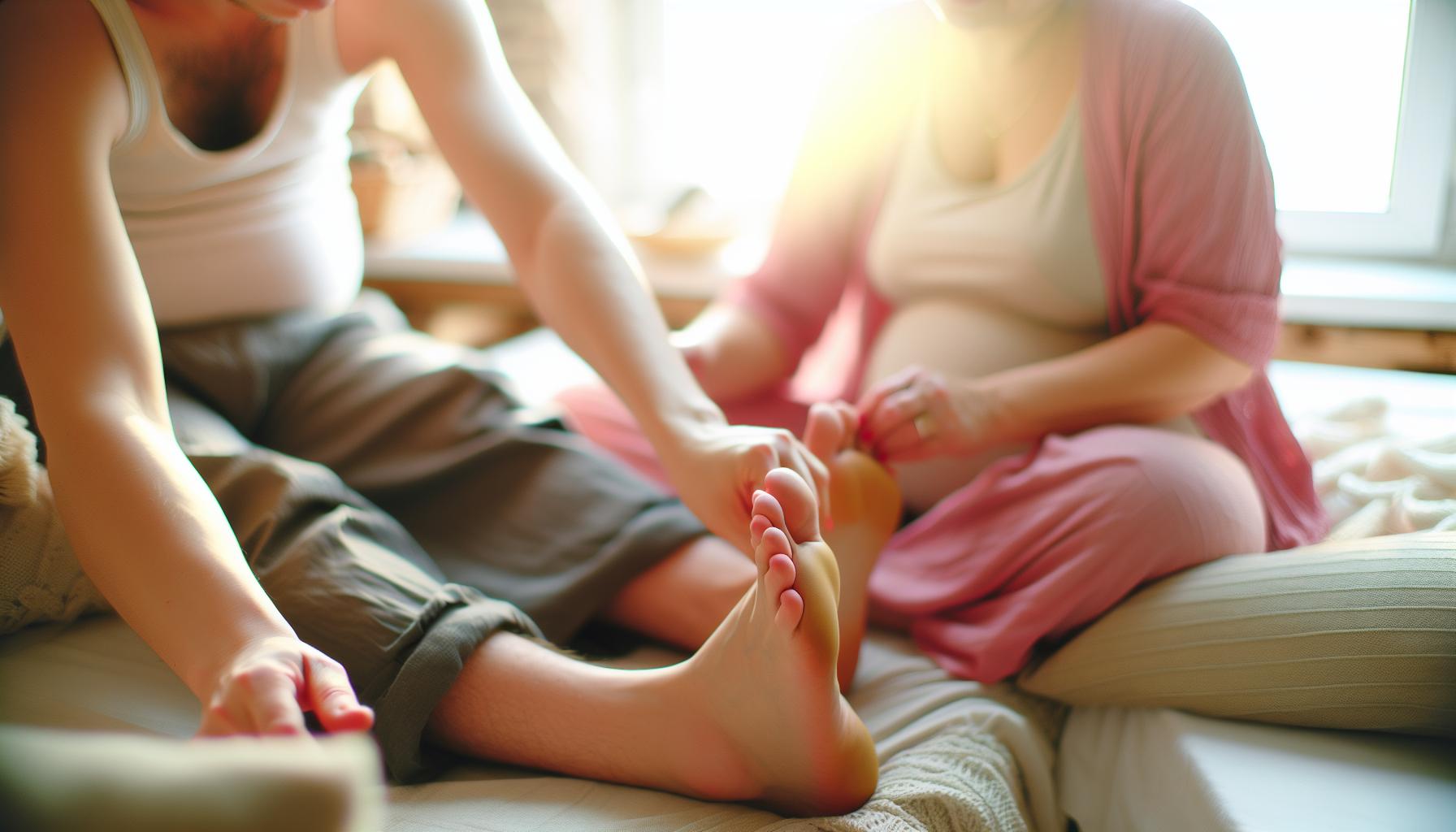
Did you know that a notable number of new mothers report experiencing foot discomfort in the postpartum period? This common but often overlooked issue can stem from various physiological changes and the demands of caring for a newborn. Understanding the underlying causes of sore feet postpartum is crucial for finding effective relief strategies that allow moms to reclaim their comfort.
Why Are your Feet in Pain After Delivery?
The journey of motherhood can bring about remarkable changes in a woman’s body, and the feet are no exception. Several factors contribute to postpartum foot discomfort:
- Hormonal Changes: During pregnancy, the body produces relaxin, a hormone that helps loosen ligaments and prepare the pelvis for childbirth. This can also effect foot ligaments, leading to increased foot strain and discomfort.
- Weight Gain: The added weight during pregnancy can place extra stress on the feet, resulting in soreness and fatigue, particularly in the arches and heels.
- Changes in Foot Structure: Many women notice their feet may have become wider or flatter post-delivery. The ligaments remain loose even after giving birth, which can contribute to discomfort and changes in foot shape.
- Lack of rest: The demands of a newborn can lead to longer periods of standing or walking without adequate breaks, exacerbating any existing foot pain.
Common Symptoms of postpartum Foot Discomfort
moms may experience a range of symptoms that signal foot discomfort. These symptoms frequently enough vary in intensity:
| Symptom | Description |
|---|---|
| Aching | A constant dull pain throughout the foot, especially after prolonged walking or standing. |
| Swelling | Visible puffiness in the feet or ankles, typically caused by fluid retention. |
| Burning Sensation | A tingling or burning feeling, frequently enough indicating nerve irritation or pinching. |
| Cramping | Involuntary contractions that can lead to sharp, sudden pain in the feet. |
Being aware of these symptoms can encourage new mothers to seek effective relief methods and reestablish comfort in their daily routines. Addressing sore feet postpartum not only improves personal well-being but enhances the ability to care for a newborn more effectively.
Common Causes of Sore Feet in New Moms

Understanding the Root Causes of Sore Feet in New moms
Experiencing sore feet is a common issue for many new mothers, and it’s frequently enough an overlooked consequence of the astounding journey of motherhood. after childbirth, physical changes and demands can create significant strain on the feet.Here’s a closer look at some prevalent causes of postpartum foot discomfort that many new moms encounter:
- Weight Gain: The additional weight gained during pregnancy can put extra pressure on the feet, leading to fatigue and soreness, especially if you move around more than usual while caring for your newborn.
- Flat Feet: Hormonal changes can cause ligaments in the feet to loosen, leading to flat feet or fallen arches, which can increase pain and discomfort during daily activities.
- Prolonged Standing or Walking: New moms often find themselves on their feet for extended periods while attending to their baby’s needs, which can result in overuse injuries and fatigue.
- Improper Footwear: The shift in foot size during pregnancy can catch many off guard.Wearing ill-fitting shoes or those with inadequate support can exacerbate sore feet.
- Lack of Rest: The demands of a newborn can lead to less downtime, causing tired muscles and joints to become even more strained, leading to soreness.
Additional Factors Contributing to Foot Pain
While the above causes are primary contributors to postpartum foot discomfort,other underlying factors can also play a role:
| Factor | Impact on Feet |
|---|---|
| fluid Retention | Swelling can lead to discomfort and all-around foot pain,especially in the later stages of pregnancy and shortly after delivery. |
| Biomechanical Changes | Changes in gait and posture induced by pregnancy can create misalignment, leading to further strain on foot muscles. |
| Previous Foot Conditions | Conditions like plantar fasciitis or bunions may be aggravated by the physical demands of caring for an infant. |
By recognizing these factors, new mothers can better understand their discomfort and pave the way for effective recovery strategies tailored to their unique postpartum needs.
Simple exercises to Alleviate Foot Pain After Birth
After giving birth, many women experience a surprising but common complaint: sore feet. The physical demands of pregnancy and the newfound responsibilities of caring for a newborn can lead to discomfort that affects daily activities. A gentle approach to relief is through simple yet effective exercises that not only alleviate foot pain but also promote overall well-being.
Gentle Stretching for Relief
stretching can definitely help ease tension in the feet and improve flexibility. Here are a couple of quick stretches you can incorporate into your daily routine:
- Calf Stretch: Stand facing a wall, place your hands against it, and step one foot back, keeping it straight. Bend your front knee and lean into the wall, feeling the stretch in your calf.Hold for 20-30 seconds and switch sides.
- Toe Stretch: While seated, cross one leg over the other knee. Grasp your toes and gently pull them back toward your ankle. Hold this position for 15-20 seconds to relieve tension in your arches.
Strengthening Exercises for Resilience
Incorporating strengthening exercises can also provide long-term relief from postpartum foot pain. Consider the following:
- Heel Raises: Stand tall with your feet shoulder-width apart. Slowly rise onto your toes, hold for a few seconds, and lower back down. Repeat this 10-15 times.
- Foot Roll: Sit in a chair and place a small ball (like a tennis ball) under your foot. Gently roll the ball back and forth from your heel to your toes for a few minutes. This helps to massage the arch and improve circulation.
Integrating these simple exercises into your routine can significantly reduce soreness in your feet postpartum. Beyond immediate relief, they also help restore strength and flexibility, making it easier to handle the physical demands of motherhood. Prioritizing your foot health is not just beneficial for recovery; it sets a foundation for longer-term wellness as you navigate the early days (and sleepless nights) of parenting.
The Importance of Comfortable Footwear for Moms

The Critical Role of comfortable Footwear for Moms
Navigating the demands of motherhood can become a trial for your feet. After childbirth, many moms experience sore feet due to various factors including hormonal changes, weight fluctuations, and a shift in foot structure. Research indicates that the right footwear is essential not just for comfort, but also for overall well-being during the postpartum period. Wearing shoes that provide adequate support can significantly alleviate discomfort and prevent long-term issues.
Prioritize Supportive features
When choosing shoes, prioritize characteristics that cater to your unique postpartum needs. Look for options that offer:
- Cushioning: Soft insoles that absorb shock can help ease foot pain associated with standing or walking for extended periods.
- Arch Support: Ensuring proper arch alignment can reduce strain on your feet, particularly if your arches have flattened due to pregnancy.
- stability: Shoes with a firm heel counter and a wide base will help you maintain balance, especially when carrying or tending to your little one.
Recommended Shoe Types
As you embark on your journey through motherhood, consider investing in a few pairs of shoes that combine comfort with style. The following table highlights some ideal shoe types that can help combat the effects of sore feet postpartum:
| Shoe Type | Benefits |
|---|---|
| Supportive Sneakers | Ideal for daily activities; cushioned soles and arch support. |
| Flat Sandals | Good airflow, arch support, and easy to slip on and off, perfect for warm weather. |
| Comfortable Loafers | Stylish yet supportive; suitable for quick outings while maintaining comfort. |
| Orthopedic Shoes | Designed specifically for foot health, providing maximum support and comfort. |
Finding the right footwear is not just about avoiding pain; it’s about empowering moms to embrace their busy lives with confidence. Investing in comfortable, supportive shoes during the postpartum period can drastically reduce discomfort, allowing for a smoother transition into motherhood. Prioritize your feet, and you’ll find that managing the ups and downs of parenting becomes a little more manageable.
Essential Self-Care Tips for Relieving Sore Feet
Finding Relief for Sore Feet
After the physical demands of pregnancy and childbirth, many new moms find themselves battling sore feet. It’s essential to incorporate self-care practices that not only provide immediate relief but also support long-term foot health. Sore feet postpartum can stem from various causes, including hormonal fluctuations, weight changes, and increased physical activity while caring for a newborn. Fortunately, ther are effective strategies to alleviate discomfort.
- Prioritize Rest: make time to sit down and elevate your feet whenever possible. Simple practices like putting your feet up on a cushion or your bed can help reduce swelling and soreness.
- Warm Foot Soaks: Soaking your feet in warm water with Epsom salts can provide immediate relief. the magnesium in Epsom salts can help reduce inflammation, giving you a soothing experience.
- Gentle Stretching: Engage in gentle foot stretches to relieve tension. Try rolling your foot over a cold or frozen water bottle to massage the arch and improve circulation.
- Proper Footwear: Invest in quality shoes that offer appropriate support. Look for footwear with cushioning and arch support to help absorb impact and reduce pain.
Incorporating Foot Care into Your routine
Making foot care a regular part of your self-care routine can significantly improve your overall comfort. For instance, consider implementing nightly rituals to pamper your feet:
| Activity | Benefits |
|---|---|
| Foot Massage | Helps relieve tension and improves blood circulation. |
| Foot Cream or Lotion | Moisturizes skin and combats dryness or cracking. |
| Massage with Essential Oils | provides relaxation and may alleviate soreness with oils like peppermint or lavender. |
Incorporating these practices into your daily routine can help combat those achy feet and foster a greater sense of overall well-being. By exploring various relief strategies for sore feet postpartum, you not only address immediate discomfort but also enhance your ability to nurture and care for your baby effectively.
Seeking Professional Help: When to Consult a Specialist
After the joy of bringing a new life into the world, many mothers are surprised by the physical toll that postpartum recovery can take on their bodies. Among these common issues,sore feet can often be a persistent discomfort,sometimes indicating more serious underlying conditions. Recognizing when sore feet are a cause for concern is crucial in ensuring that new moms receive proper care during their recovery.
Understanding the Signs
While some level of soreness can be expected after childbirth due to hormonal changes, fatigue, and physical stress, there are situations that warrant professional intervention. Consider consulting a specialist if you experience any of the following symptoms:
- Persistent Pain: If the soreness in your feet lasts longer than two weeks or intensifies over time, it may indicate a significant issue.
- Swelling: Noticeable swelling in your feet or ankles, especially if it is asymmetrical or accompanied by pain, could suggest conditions like deep vein thrombosis (DVT).
- Weakness or Numbness: Loss of feeling or weakness in your feet or legs can signify nerve damage or circulatory problems.
- Changes in Skin color or Temperature: If your feet appear discolored or feel cold to the touch, these could be signs of vascular issues needing immediate attention.
When to Seek Help
If any of the above signs resonate with your experience, it might be time to seek help from a healthcare professional. Start with your primary care physician or a physical therapist who specializes in postpartum care. They can perform a thorough assessment and recommend tailored treatment options. In certain specific cases, referral to a specialist, such as a podiatrist or orthopedist, might potentially be necessary for issues specifically related to foot structure or alignment.
Real-World Example: Consider a new mom who experiences intense foot pain while trying to care for her newborn.She initially thinks it’s just part of the healing process, but after noticing swelling and difficulty walking, she makes an appointment with her doctor. Following a detailed examination, she learns that she has a soft tissue injury that requires physiotherapy. Prompt action not only alleviates her pain but also expedites her recovery, allowing her to focus more on her baby.
Taking Proactive Steps
To alleviate soreness and promote healing, consider implementing some self-care strategies while awaiting your appointment. These may include gentle stretching, icing your feet, and ensuring you’re wearing supportive footwear.
For ongoing awareness, keep track of your symptoms in a simple format:
| Date | Symptoms | Duration | Actions Taken |
|---|---|---|---|
| MM/DD | Sore, swollen feet | 2-3 days | Rest, ice, over-the-counter pain relievers |
| MM/DD | Weakness in ankles | 1 week | Physical therapy, orthopedic consultation |
This documentation can be invaluable during consultations, helping health professionals understand the progression of your symptoms. Ultimately, recognizing when to consult a specialist for sore feet postpartum is a vital part of a new mom’s self-care journey, ensuring that both she and her newborn can thrive during this transformative time.
Nurturing your Feet: Holistic Remedies and Practices
nurturing Your Feet with Holistic Remedies
the journey of motherhood is remarkable but can leave your body,particularly your feet,feeling weary and sore. Understanding holistic remedies and practices can make a significant difference in alleviating discomfort and promoting overall well-being. By implementing a few key strategies, you can not only relieve your sore feet postpartum but also nurture your body and spirit during this transformative time.
- Soothing Foot Soaks: Preparing a warm foot soak with Epsom salts and essential oils like lavender or tea tree can help reduce inflammation and provide a calming affect. soaking your feet for 15–20 minutes can work wonders in easing soreness and relaxing your muscles.
- Gentle Massage: Treat your feet to a soothing massage using natural oils such as coconut or olive oil. Focus on the arches,heels,and balls of your feet,applying gentle pressure to relieve tension and improve circulation. If you have a partner or older children willing to help, this shared experience can also strengthen your bonds.
- Proper Footwear: Postpartum, it’s vital to wear supportive shoes with good arch support. Avoid high heels and opt for cushioned sneakers or sandals designed for comfort, especially when on your feet for extended periods attending to your new baby.
- Stretching Exercises: Incorporate simple stretches into your daily routine targeting the calves and feet. For example, standing on a step and letting your heels hang off can help stretch your calves and relieve tightness, promoting flexibility and enhancing comfort.
Incorporating Mindful Practices
Mindfulness can play a critical role in your postpartum recovery, especially when it comes to nurturing sore feet.Engage in practices such as yoga or tai chi, which not only promote flexibility and strength but also encourage relaxation and mental clarity. By focusing on your breath and being present during these activities, you’ll further relieve physical tension.
| Practice | Benefits |
|---|---|
| Yoga | enhances flexibility, alleviates tension, and promotes mental calmness. |
| Tai Chi | Improves balance, decreases stress, and enhances overall body awareness. |
| Meditation | Reduces stress levels, allowing for deeper relaxation and healing. |
Incorporating these holistic remedies and practices can transform your postpartum experience, allowing you to feel rejuvenated and ready to embrace motherhood. By understanding the various causes of sore feet postpartum and employing effective relief strategies, you can support your body’s recovery through nurturing and attentive self-care.
Faq
What are the common causes of sore feet postpartum?
The common causes of sore feet postpartum include hormonal changes, weight gain, and increased physical activity. after childbirth, many mothers experience changes in their body that can lead to discomfort in their feet.
During pregnancy, the body releases hormones that relax ligaments, making the feet more prone to pain. Additionally, after carrying extra weight, it’s not uncommon for some women to feel sore as they adjust back to their pre-pregnancy body. To learn more about these changes, you can explore our guide on postpartum recovery strategies.
How can I relieve sore feet postpartum?
To relieve sore feet postpartum, consider methods like soaking your feet in warm water, using cold compresses, and investing in supportive footwear. These simple strategies can significantly reduce discomfort.
Additionally, gentle stretching exercises and elevating your feet can improve circulation and ease soreness.Always try to take some time throughout the day to relax and pamper your feet, as a little self-care goes a long way!
Can I prevent sore feet postpartum?
Yes, you can prevent sore feet postpartum by wearing supportive shoes, managing your weight, and engaging in gentle exercises during pregnancy. Taking these proactive steps can significantly improve your foot health.
Consider investing in orthotic inserts for your shoes, which can provide additional support.Regular stretching after a long day can also help maintain flexibility and reduce pain.
Why do my feet hurt more after giving birth?
Your feet may hurt more after giving birth due to hormonal shifts, changes in weight distribution, and the increased physical demands of caring for a newborn. These factors can strain your foot muscles, leading to discomfort.
During childbirth, your body undergoes many physical changes, which can impact foot health. It’s crucial to listen to your body and seek ways to ease this discomfort, helping you feel your best.
What are some effective foot stretches for postpartum moms?
Effective foot stretches for postpartum moms include the seated toe stretch, standing calf stretch, and the foot roll. Each of these stretches targets muscles that frequently enough tighten during pregnancy and after childbirth.
Incorporating these stretches into your daily routine can help alleviate pain and improve flexibility. Always consult with your healthcare provider before starting any new exercise program,especially postpartum.
Can sore feet postpartum affect my overall recovery?
Yes, sore feet postpartum can affect your overall recovery by limiting your mobility and increasing fatigue.Discomfort in your feet can interfere with your daily activities and bonding with your baby.
Taking care of your feet is essential for ensuring you can engage in the physical tasks required as a mom. Prioritizing foot health can enhance your recovery and make parenting tasks more manageable.
What should I look for in postpartum footwear?
When selecting postpartum footwear, look for shoes that provide strong arch support, cushioning, and a wide toe box. These features help reduce foot pain and promote comfort during the postpartum recovery phase.
Additionally, avoid high heels and opt for breathable materials, especially if your feet are swollen. Ensuring your shoes have these qualities can make a world of difference in how you feel each day.
Future Outlook
sore feet postpartum is a common challenge many new mothers face, but understanding the causes and exploring effective relief strategies can make a significant difference in your comfort and wellbeing. Remember, your body has just accomplished an incredible feat, and it’s essential to care for yourself during this transformative time. From simple stretches to effective footwear choices, there are practical solutions that can definitely help ease your discomfort.
As you navigate this journey of motherhood, don’t hesitate to reach out for support and explore further resources that can enrich your experience. You’re not alone—many parents have walked this path and have found ways to manage their discomfort while embracing the joys of motherhood. We encourage you to share your experiences and tips or ask questions in the comments below. Together,we can create a community of support,empowering each other to thrive in this stunning yet challenging chapter of life.
Get our latest guides, news, and insights highlighted in your Google Search & AI Overviews.