

Navigating the postpartum period can be challenging, especially when it comes to personal care. Many new moms wonder how long they should rely on postpartum diapers for comfort and protection during recovery.Understanding the typical duration and purpose of these essential items can ease anxiety, ensuring a smoother transition into motherhood while prioritizing health and hygiene.
understanding Your Body: What Changes to Expect After birth
Did you know that the weeks following the birth of your child can bring about a myriad of physical changes? Understanding the transformation your body undergoes during this period can considerably enhance both your recovery and parenting experience. Many new mothers find themselves navigating an array of adjustments, both physically and emotionally, leading them to wonder about practical aspects such as how long to wear diapers postpartum. Here’s what you can expect:
Physical Changes After Birth
After giving birth, your body embarks on a remarkable healing journey. Here are some of the most common changes you might experience:
- uterine Contractions: After childbirth, your uterus will continue to contract as it shrinks back to its original size, which may cause cramping known as “after pains.”
- Lochia: This refers to the vaginal discharge that occurs after birth, comprised of blood, mucus, and uterine tissue. Expect to see varying colors—from shining red to a pinkish-brown—over the weeks.
- Breast Changes: hormonal shifts often lead to engorged breasts, accompanied by soreness or tenderness, especially as your milk comes in.
- Hormonal Fluctuations: Your hormones will be in flux, which can impact everything from your mood to emotional stability.
| change | Timeline |
|---|---|
| Uterine contraction and involution | First few weeks postpartum |
| lochia discharge | Up to 6 weeks |
| Breast soreness | First few weeks, varies with nursing |
| Hormonal changes | First few months |
Psychological Adjustments
The emotional landscape following birth can also be quite tumultuous. Many mothers experience a condition known as postpartum blues, characterized by mood swings, fatigue, and feelings of being overwhelmed. Here are some coping strategies to consider:
- Seek Support: Surround yourself with family and friends who can help you in those early days. Having a support system is vital for emotional stability.
- Communicate Concerns: Don’t hesitate to reach out to healthcare providers about feelings of anxiety or sadness, especially if they persist past a couple of weeks.
- Self-care Practices: Engage in activities that promote relaxation, such as warm baths, gentle exercise, or meditation.
Understanding these transformations is essential in demystifying your postpartum experience. For many mothers, questions about practical matters, such as how long to wear diapers postpartum, frequently enough arise alongside emotional and physical changes. Finding answers and adapting to your body’s signals will empower you during this meaningful transition into motherhood.
Types of Postpartum Incontinence: Knowing What You’re Dealing With

Understanding postpartum incontinence is crucial for new mothers navigating the physical changes that follow childbirth. While it’s a common issue, many women don’t realize that there are different types of incontinence, each with its unique causes and management strategies. Educating yourself about these can significantly ease your journey through postpartum recovery.
Types of Postpartum Incontinence
Postpartum incontinence primarily falls into three categories: stress incontinence, urge incontinence, and mixed incontinence. Each type has distinct characteristics that can effect how you manage symptoms and the duration for which you might consider wearing diapers postpartum.
- Stress Incontinence: This occurs when physical activities such as sneezing, coughing, or exercising put pressure on the bladder, causing involuntary leaks. It’s frequently enough due to weakened pelvic floor muscles from pregnancy and childbirth.
- Urge Incontinence: Women with this type experience a sudden, intense urge to urinate, sometimes resulting in leaks if they can’t get to the restroom in time. This might potentially be triggered by specific sounds or sensations, such as running water.
- Mixed Incontinence: As the name suggests, this type is a combination of both stress and urge incontinence. Many new mothers may find themselves dealing with both issues, which can complicate their management strategies.
Identifying the Right Approach
Understanding which type of incontinence you’re experiencing can help in determining how long to wear diapers postpartum and which management strategies to implement. Below is a table summarizing the types, potential causes, and suggested responses:
| Type of Incontinence | Causes | Management Strategies |
|---|---|---|
| Stress Incontinence | Weakened pelvic floor muscles due to childbirth | Pelvic floor exercises, bladder training, absorbent products |
| Urge Incontinence | Overactive bladder, nerve damage during delivery | Scheduled bathroom breaks, dietary changes, medication |
| Mixed Incontinence | Combination of stress and urge issues | Comprehensive pelvic health strategies, professional guidance |
By knowing what type of incontinence you are dealing with, you can better tailor your postpartum care and consider how long to wear diapers postpartum. While this data provides a foundation, consulting a healthcare professional for personalized advice can further support your recovery journey.
Diaper Choices for New Moms: What Works best for Your Recovery

Understanding Your Options
Finding the right type of diapers for postpartum recovery can significantly impact comfort and convenience. With various choices available, new moms can navigate this pivotal time with confidence.It’s essential to consider factors such as absorbency, comfort, and body shape as you make your selections. The goal is to prioritize your recovery while ensuring that you feel secure and at ease, especially in those initial weeks after childbirth.
Types of Diapers to Consider
When it comes to postpartum options, new moms generally lean towards three primary types of diapers: disposable, cloth, and adult incontinence products. Each has its benefits and downsides, so it’s crucial to understand what works best for you during recovery.
- Disposable Diapers: These are convenient, highly absorbent, and frequently enough designed specifically for postpartum needs. Disposable diapers are generally easy to change, making them practical for busy new moms.
- Cloth Diapers: Eco-amiable and often budget-friendly in the long run, cloth options can be uncomfortable initially but provide excellent breathability. However, remember that they require frequent washing.
- Adult Incontinence Products: Designed for women recovering from childbirth, these products offer great absorbency and coverage without compromising comfort. They are available in various sizes and styles to fit your body type.
Comparing Features
To help you assess the best option for your postpartum journey, here’s a straightforward comparison table to highlight key features:
| Type | Comfort | Absorbency | Eco-Friendliness | Cost |
|---|---|---|---|---|
| Disposable | High | Very High | Low | Varies |
| Cloth | Variable (depends on fabric) | Medium | High | Initial investment > Long-term savings |
| Adult Products | High | High | Medium | Varies |
Choosing what works best for your recovery goes beyond just convenience. It’s about listening to your body and understanding what makes you feel most cozy. By evaluating different types and focusing on your unique post-delivery needs, you can make informed choices that enhance your postpartum experience.
Timing Your Transition: How to Determine When to Stop Wearing Diapers
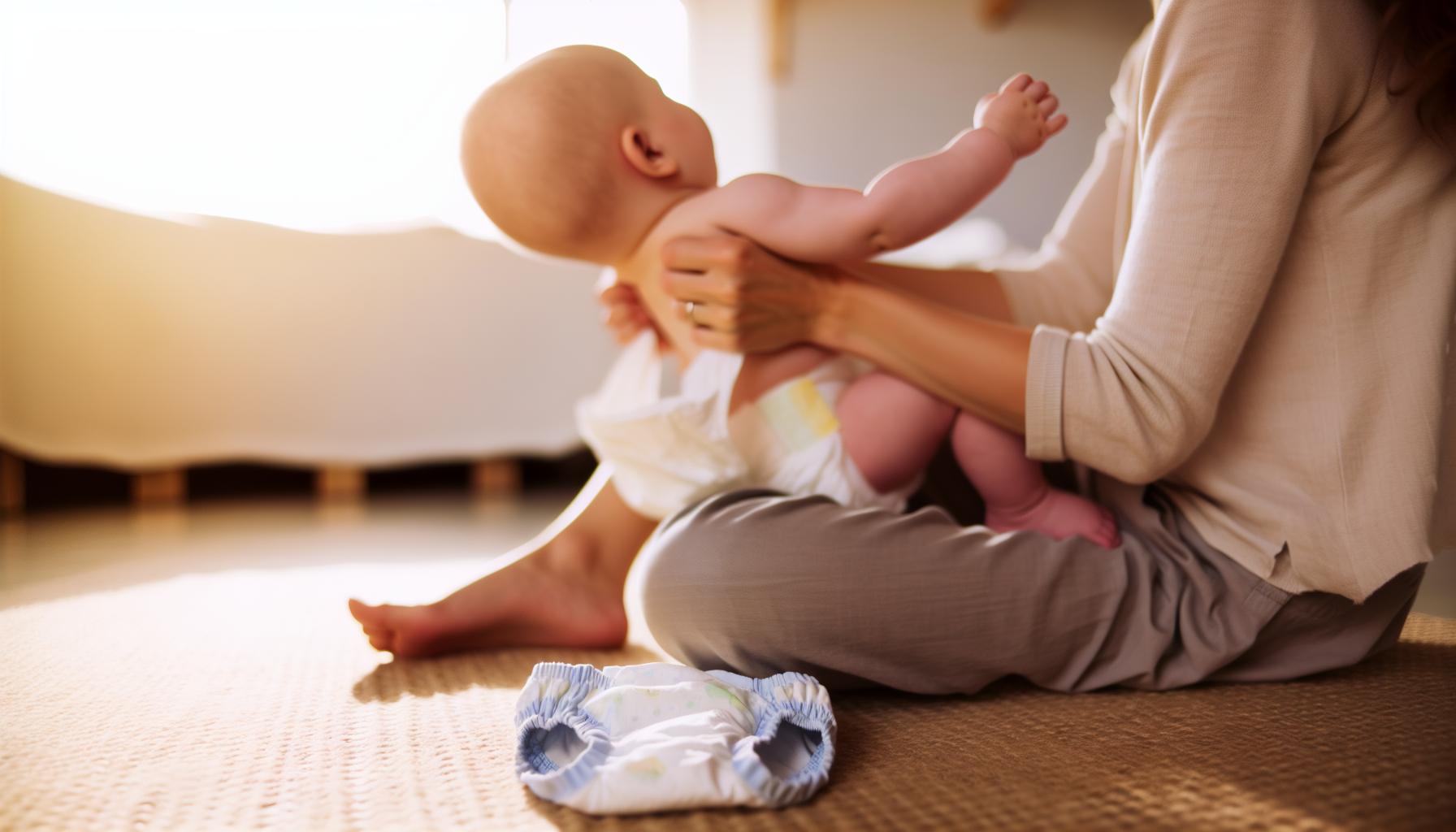
Understanding Your Body’s Signals
One of the most crucial aspects of postpartum recovery is being attuned to your body’s signals. After giving birth,the transition away from using diapers is not just a matter of time but also a matter of individual readiness. Your body has undergone significant changes, and listening to its signals is crucial for determining the right moment to stop wearing diapers. many new moms find themselves wearing diapers for several weeks, but this duration can vary based on recovery, lifestyle, and individual comfort levels.Common Indicators for transition:
- Physical Recovery: If you are healing well from any tears, stitches, or soreness and feel comfortable without diapers, it may be time to consider making the switch.
- Bladder Control: Pay attention to how well you’re managing bladder control. If you’re relatively confident that you can manage small leaks or have begun performing pelvic floor exercises, you might be ready to ditch the diapers.
- Frequency of Use: Consider how often your relying on diapers. If you’re using them less frequently or only during specific activities, your body may be signaling that it’s time for a change.
Timing is Key
Choosing the right time to stop wearing diapers depends on a variety of factors that can differ vastly from one mother to another. Understanding the approximate timeline for postpartum recovery is essential. While many resources suggest wearing diapers for about 4-6 weeks after childbirth, each woman’s experience can vary greatly due to factors such as:
| Factors Affecting Timing | Impact on Diaper Use |
|---|---|
| Type of delivery (vaginal vs. cesarean) | May require longer recovery time and thus prolonged diaper use |
| Presence of stitches or healing | Increased discomfort may lead to continued use |
| Breastfeeding challenges | Increased stress can affect recovery time, possibly extending diaper usage |
| Daily activities and routines | Active lifestyle may dictate a quicker transition if comfort allows |
Keep in mind that it’s perfectly normal to feel a mix of emotions during this transition. The psychological aspect of moving away from diapers shouldn’t be overlooked; many women report feelings of relief or anxiety about managing bladder control moving forward.Ultimately, understanding your personal recovery journey and being willing to reassess your needs can guide you in making this transition. Reflecting on your daily experiences and adjusting accordingly will lead you to the right moment to say goodbye to diapers post-birth.
Expert Tips for Managing Postpartum Follow-Up Appointments

Stay Organized with Your appointments
One of the most effective strategies for managing postpartum follow-up appointments is to maintain an organized schedule. The postpartum period can be overwhelming, with constant feedings, diaper changes, and the adjustment to life with a newborn. Create a simple calendar dedicated to your appointments, using either a physical planner or a digital calendar on your phone. This will ensure that you don’t miss any important check-ups and can prepare accordingly for each visit.
- Visual Reminders: Set reminders a day before each appointment to help you stay proactive.
- Add Notes: Write down any questions or concerns you want to discuss with your healthcare provider during each visit.
Be Prepared for Each Appointment
Preparation can make a significant difference in the quality of your postpartum follow-up experience. Before heading to your appointment, you might consider compiling a list of aspects related to your recovery, baby’s health, and any physical or emotional changes you’ve experienced as childbirth. Listing symptoms you may have and discussing them in detail can lead to a more informed and beneficial consultation.
What to Bring
When packing for your appointment, make sure to include the following essentials:
| item | Description |
|---|---|
| Health Records | Your medical history and any relevant documents related to your pregnancy and delivery. |
| Questions List | A list of your concerns and questions that you want to address during the appointment. |
| Baby Supplies | If bringing your baby, pack diapers, wipes, and a bottle to keep them comfortable. |
| Comfort Items | Books, snacks, or personal items to ease any anxiety or waiting time. |
Communicate Openly with Your Provider
Open dialog with your healthcare provider can tremendously alleviate any postpartum worries.Do not hesitate to express your physical and emotional experiences; after all, your healthcare professional is there to help you navigate this transformative period. If you’re feeling uncertain about how long to wear diapers postpartum, for instance, ask for specific insights about your body’s changes and unique needs.Such direct inquiries not only foster a trusting relationship with your provider but also ensure you receive tailored advice that can help you and your baby thrive as you adjust to motherhood.
Ultimately, mastering your postpartum follow-up appointments requires a combination of organization, preparation, and open communication. Keeping these expert tips close can empower you as you transition through this crucial period, ensuring that both you and your little one receive the care and attention you need.
Embracing Self-Care: Listening to your Body During Recovery
Did you know that postpartum recovery can feel like a rollercoaster ride, complete with emotional and physical ups and downs? As new moms navigate this journey, one of the critical aspects they often overlook is self-care. Listening to your body during recovery is imperative, especially when discussing practical matters like how long to wear diapers postpartum. Recognizing your body’s needs can help you make informed choices that foster healing and well-being.
The Importance of Self-Care Postpartum
Self-care isn’t just a trendy buzzword; it’s a necessity during postpartum recovery. Your body has gone through a significant transformation, and attending to its needs is essential for both physical and emotional health. Here are some self-care practices you might consider:
- Rest: Sleep when your baby sleeps. Lack of sleep can hinder recovery and exacerbate feelings of anxiety and overwhelm.
- Nourishment: Eating well-balanced meals rich in vitamins and minerals supports healing and can enhance your mood.
- Stay Hydrated: Consume plenty of water to aid your body’s recovery and help you feel more energized throughout the day.
feel free to experiment with wellness activities that resonate with you—yoga, gentle stretching, or even a short walk outside can be rejuvenating.
Listening to Your Body: Timing Your Diaper Use
Your body will guide you on your journey to postpartum recovery. While the need for diapers varies from person to person, it’s essential to prioritize comfort. Here’s a simple guide:
| Days Postpartum | How You Might Feel | Recommended diaper Use |
|---|---|---|
| 1-3 Days | Experience heavy bleeding, potential discomfort | full-time use to manage bleeding |
| 4-7 Days | Flow may start to decrease | Transition to lighter absorbency as needed |
| 1-2 Weeks | bleeding continues to lessen | Underwear or lighter pads may begin |
| 2+ Weeks | Gentle activities become more manageable | Consider switching to regular underwear if comfortable |
In listening to your body’s cues, prioritize what feels right for you each step of the way.Whether that means sticking with postpartum diapers for a little longer or only using them sparingly,your personal comfort and recovery pace should guide your decisions.
Ultimately, prioritizing self-care and consciously listening to your body are the keys to navigating postpartum healing effectively. As you focus on your own needs, you’ll be better equipped to care for your little one with patience and love.
Navigating the Emotional Side: The Stress of Postpartum Changes
The transition to motherhood can be both beautiful and overwhelming, especially in the weeks following childbirth. along with the joy of bringing a new life into the world comes a whirlwind of emotional and physical changes that can leave many new moms feeling anxious and stressed. These feelings are perfectly normal, yet navigating them can be a daunting task. Recognizing these emotional shifts is key to managing the stress that accompanies postpartum changes.
Understanding Postpartum Emotions
It’s not just your body that undergoes significant transformation postpartum; your emotional landscape shifts as well.New mothers frequently enough experience a wide range of feelings,including excitement,anxiety,and sometimes sadness. The hormonal fluctuations after delivery can exacerbate these feelings, making it essential to understand that you are not alone in this journey.
- hormonal changes: Your body experiences a sudden drop in hormones like estrogen and progesterone, which can impact mood.
- Physical Recovery: Adjusting to physical changes, such as those requiring diapers postpartum, can add to feelings of stress.
- Sleep Deprivation: The often unpredictable sleep schedule of caring for a newborn can amplify stress and anxiety.
Practical Steps to Alleviate Stress
It is crucial for new mothers to employ strategies that can help manage and reduce stress. Here are some actionable steps:
| strategy | Description |
|---|---|
| Connect with Support | Reach out to family or friends who can offer encouragement and help. Sharing experiences with other new moms can also be comforting. |
| Establish a Routine | Setting a simple daily routine can provide a sense of control and predictability amidst the chaos of new motherhood. |
| Self-Care | Prioritize small moments of self-care, whether it’s taking a long shower or enjoying a quiet cup of tea while the baby sleeps. |
Understanding how long to wear diapers postpartum can be a practical part of your recovery journey, but it’s also essential to address the emotional ramifications of these changes. by acknowledging your feelings and implementing supportive strategies, you can create a more manageable surroundings for yourself as you embrace this new chapter in motherhood.
FAQ
How Long to Wear Diapers Postpartum?
How long should I wear diapers postpartum?
Typically, new mothers wear postpartum diapers for about 2-6 weeks following childbirth. This duration varies based on individual recovery and bleeding patterns.
After giving birth, lochia (postpartum bleeding) can last several days to weeks. When the flow decreases and you feel more comfortable, you may transition to regular pads. Listen to your body and consult your healthcare provider for guidance tailored to your recovery.
What is lochia and how does it affect diaper use postpartum?
Lochia is the vaginal discharge that occurs after childbirth, consisting of blood, mucus, and uterine tissue.It affects how long you may need to wear diapers postpartum.
The first few days after delivery, lochia can be quite heavy, necessitating the use of postpartum diapers or heavy pads.As the flow becomes lighter over time, typically within 1-2 weeks, many women find they can switch to lighter options.
Why does postpartum bleeding occur?
Postpartum bleeding, or lochia, occurs as the uterus sheds its lining and any remaining tissue after childbirth, typically lasting a few weeks.
This process is a natural part of recovery, and the intensity varies from woman to woman. It’s essential to monitor the bleeding and consult a doctor if you notice any concerning changes, such as an increase in flow or large clots.
Can I use regular pads rather of diapers postpartum?
Yes, you can switch to regular pads once your lochia flow lightens, usually within 1-2 weeks postpartum.
Choosing regular pads can be more comfortable and convenient. However, the transition should be made only when you feel confident in your ability to manage any unexpected leaks. Remember that everyone’s recovery timeline is different,so follow your body’s cues.
How can I manage discomfort while wearing diapers postpartum?
To manage discomfort while wearing postpartum diapers, consider choosing high-quality, breathable options designed for new moms.
These products frequently enough contain softer materials and offer better absorbency. Keeping the area clean and dry also helps prevent irritation. Don’t hesitate to reach out to your healthcare provider for recommendations tailored to your personal needs.
What are the types of postpartum diapers available?
Postpartum diapers come in various styles including disposable and reusable options, each designed for comfort and absorbency.
Disposable postpartum diapers are convenient,especially during the early weeks. Reusable cloth diapers provide an eco-friendly option, although they require more maintenance. It’s best to try different types to see which works best for you during this transitional period.
How can I prepare for postpartum recovery and diaper use?
To prepare for postpartum recovery, stock up on essential supplies, including postpartum diapers, comfort items, and over-the-counter medications.
Having everything ready at home can ease the adjustment period. Consider creating a postpartum care station in your bedroom or bathroom to have easy access to items such as pads, wipes, and soothing creams.
Insights and Conclusions
As you embark on your journey into motherhood, it’s critically important to remember that healing from childbirth is a unique experience for every mom. Wearing postpartum diapers can be a crucial part of your recovery, providing comfort and protection during those tender early weeks. Typically, you’ll find that most women wear them for a few days up to several weeks, depending on individual recovery and flow. Listening to your body and finding a balance that works for you is key.
We encourage you to explore the various types of postpartum products available, from disposable options to more natural choices, allowing you to choose what feels right for your healing process. Remember, it’s perfectly normal to seek support and advice as you navigate this significant life change.Engaging with fellow moms and looking into expert recommendations can empower you to make the best decisions for your postpartum journey.Trust in yourself and your body as it heals, and don’t hesitate to reach out for support when needed. Your experience matters, and you deserve to feel comfortable and cared for during this transformative time.
Get our latest guides, news, and insights highlighted in your Google Search & AI Overviews.