


Navigating the postpartum period can be overwhelming, and many new mothers find themselves grappling with unexpected body changes, including persistent odors. Understanding how hormonal fluctuations affect your body during this time is crucial for addressing these concerns. Discover why these changes occur and how to manage them effectively for your well-being.
The Science Behind postpartum Odor: What’s Happening to Your Body?

The Connection Between Hormones and Postpartum Odor
After childbirth, many new mothers notice an unexpected change in body odor. This phenomenon can be attributed to notable hormonal fluctuations that occur postpartum. During pregnancy, the body produces higher levels of hormones like progesterone and estrogen, wich can affect sweat production and the skin’s microbiome.After delivery, as hormone levels begin to drop back to their pre-pregnancy state, the body’s chemistry changes, sometimes resulting in increased body odors.
- Hormonal changes: Estrogen and progesterone levels plummet rapidly after childbirth, which can affect sweat glands and lead to a shift in body odor.
- Breastfeeding: Prolactin, a hormone responsible for milk production, can also influence the body’s scent through the sweat glands, often making it more pronounced.
- The body’s natural process: During postpartum recovery, the body expels remaining fluids and tissue, contributing to the odors produced during this phase.
Understanding the Role of Sweat and Bacteria
The body’s sweat glands play a crucial role in producing odor after childbirth. When sweat is secreted, it is odorless, but when exposed to the bacteria on the skin, it can lead to a stronger scent. After giving birth, many women experience changes in the pH of their sweat, and the type of bacteria present on their skin can also alter. These changes are compounded by the physical exertion during labour and the postpartum recovery period, along with possible shifts in diet and hydration levels.
| Factor | Impact on odor |
|---|---|
| Hormonal Changes | Fluctuations in estrogen and progesterone can enhance sweat production |
| Breastfeeding | Increased prolactin may lead to alterations in sweat composition |
| Bacteria | Changes in skin microbiome influence odor intensity |
These factors can combine to create a unique challenge for postpartum mothers. However, understanding the science behind these changes offers reassurance that such experiences are normal. Regular personal hygiene practices, maintaining hydration, and opting for breathable fabrics can definately help manage these odors.
understanding Hormonal Shifts After birth and Their Impact on Body Odor

Did you know that a woman’s body undergoes profound hormonal changes during and after pregnancy, impacting not just mood and energy levels but also body odor? It’s not uncommon for new moms to question, “Why do I stink postpartum?” Understanding these hormonal shifts is essential to navigating the often-overlooked aspects of postpartum recovery, including changes in body odor.
The Role of Hormones in Body odor
After giving birth, a woman experiences a sharp decline in several hormones, particularly estrogen and progesterone. These hormonal fluctuations can lead to an increase in sweat production as the body works to regulate temperature and restore balance. This increase in perspiration, particularly during stressful periods or hormonal shifts, is a key contributor to any noticeable changes in body odor.
In addition to hormonal changes, new mothers frequently experience lifestyle adjustments, including sleepless nights and dietary changes, that can further impact body odor. Hormones like cortisol, the stress hormone, can also play a significant role, as prolonged high levels may alter the scent profile of sweat due to the presence of different bacteria on the skin.
Factors Influencing Postpartum Body odor
Several factors can exacerbate changes in body odor during the postpartum period:
- Breastfeeding: Increased milk production and changes in your diet can influence how your body smells.
- Diet: Consuming certain foods (like garlic or spices) can lead to more potent body odor.
- Hydration: Insufficient water intake may concentrate bodily fluids and intensify odor.
- Hygiene Practices: Hormonal changes may affect your skin and oil production, requiring you to adapt your hygiene routine.
Managing Hormonal Body Odor
Fortunately, understanding the reasons behind these changes can definitely help in finding effective management strategies. here’s a practical table outlining tips to help combat postpartum body odor:
| tip | Description |
|---|---|
| Stay Hydrated | Drinking plenty of water helps dilute sweat and can minimize odor. |
| Adjust Your Diet | Include odor-neutralizing foods like fresh fruits and vegetables, while limiting spicy or strong-smelling foods. |
| Maintain Regular Hygiene | Regular showers with antibacterial soap can help mitigate odor-causing bacteria. |
| Wear Breathable fabrics | Choosing cotton or moisture-wicking fabrics can help with sweat absorption and ventilation. |
By implementing these strategies, new moms can take proactive steps to address the question, “Why do I stink postpartum?” and reclaim their confidence as they adapt to their new role. Understanding the hormonal changes at play is just the first step in a journey toward personal comfort and well-being after childbirth.
Practical Tips for Managing Postpartum smell and Boosting Confidence
Did you know that postpartum hormonal changes can substantially impact body odor? As your body adjusts to the unbelievable transition of motherhood, you might experience unexpected shifts in how you smell. Addressing these changes is crucial for boosting your self-confidence during this sensitive time.Here are practical tips to help you manage postpartum odor while embracing your new journey.
Regular Hygiene Practices
maintaining a fresh and clean feeling starts with consistent hygiene habits. Here are several strategies to help you stay on top of it:
- Shower Daily: Aim for daily showers to cleanse your skin and remove excess sweat. Consider showering at different times of the day to keep your routine flexible.
- Use pH-Balanced Soaps: Opt for gentle, pH-balanced body washes that won’t irritate your skin or disrupt your natural odor balance.
- Moisturize Regularly: After showering, use skin-friendly moisturizers free of strong fragrances to keep your skin hydrated without adding to any odor.
Stay Ahead of Hormonal Changes
Understanding your body’s fluctuations can empower you in managing smell. Postpartum hormonal shifts often lead to increased perspiration and changes in body chemistry. To combat this:
- Invest in Natural Deodorants: Consider switching to natural deodorants that are free from harsh chemicals.Many moms find these gentler on their skin and effective at controlling odor.
- Wear Breathable Fabrics: Choose clothing made from cotton or moisture-wicking fabrics that allow your skin to breathe, helping to manage sweat better.
- Stay Hydrated: Drinking plenty of water can help regulate your body temperature and decrease sweat production, ultimately affecting body odor.
Mind Your Diet
Your eating habits can play an impactful role in body odor as well. Certain foods can exacerbate smells due to their chemical properties. Consider the following table outlining common foods that may influence odor:
| Food Type | Odor Effect |
|---|---|
| Garlic | Can lead to stronger body odor |
| Cruciferous Vegetables (e.g., broccoli, cabbage) | Can produce a more pungent smell |
| Spicy Foods | Can increase sweating and odor |
| Processed Sugars | May contribute to imbalances in body chemistry |
Embrace Self-care
Lastly, self-care is essential during this transformative time. Here are ways to uplift your spirits and enhance your confidence:
- Schedule “Me Time”: Take short breaks to relax, whether through a calming bath or a quiet moment with your favorite book.
- Practice positive Affirmations: Remind yourself of your strength and beauty through affirmations that empower you as a new mother.
- Connect with Other Moms: Share experiences and tips with fellow mothers; community support can be a great confidence booster.
Implementing these strategies can definitely help manage postpartum smell effectively, allowing you to feel more confident and cozy in your new role as a mom, without letting hormonal changes take center stage.
The Role of Diet and hydration in Postpartum Body Odor

the transformation that occurs during the postpartum period is immense,not only for a mother’s physical health but also for her body’s chemistry. Among the many changes experienced, increased body odor can be particularly distressing. While hormonal fluctuations play a significant role, diet and hydration are equally influential in moderating these changes.
Understanding the impact of Diet
What you eat greatly affects your body’s natural scent. Certain foods contain compounds that can alter the way we smell. As an example, a diet rich in sulfur-containing foods like garlic, onions, and cruciferous vegetables may lead to more intense body odor. Similarly, spicy foods and caffeine can also intensify perspiration, leading to an increase in odor.
Here are some dietary tips to help manage postpartum body odor:
- Focus on Fresh Fruits and Vegetables: incorporating a variety of fruits and vegetables helps to neutralize odor. Foods like apples, watermelons, and citrus can be particularly beneficial.
- Stay Lean with Protein: Lean proteins such as chicken and fish are less likely to contribute to body odor compared to fattier options.
- Avoid Processed Foods: Highly processed foods often contain preservatives and artificial ingredients that can cause your body to emit unpleasant odors.
- Opt for Whole Grains: Whole grains, including oats and brown rice, help to regulate blood sugar levels and may aid in maintaining a more balanced body chemistry.
The importance of Staying Hydrated
Hydration plays a pivotal role in managing body odor as well. When the body is well-hydrated,sweat is diluted,which can ultimately lessen the intensity of any odors produced. Conversely, dehydration can lead to concentrated sweat that may smell stronger.
To optimize hydration, consider the following tips:
| Hydration Tips |
|---|
| Drink at least 8-10 glasses of water daily, adjusting for activity level. |
| Incorporate hydrating foods like cucumbers, berries, and oranges into your diet. |
| Limit diuretics such as caffeine and alcohol, as they can lead to fluid loss. |
| Consider herbal teas or natural electrolyte drinks to enhance hydration. |
By understanding how diet and hydration affect body odor postpartum, new mothers can take actionable steps to manage any unpleasant smells. Coupling these dietary changes with awareness of hormonal shifts allows for a more holistic approach to navigating the challenges of postpartum life while enhancing overall well-being.
When to Seek Help: Recognizing Normal vs. Concerning Changes Post-Birth
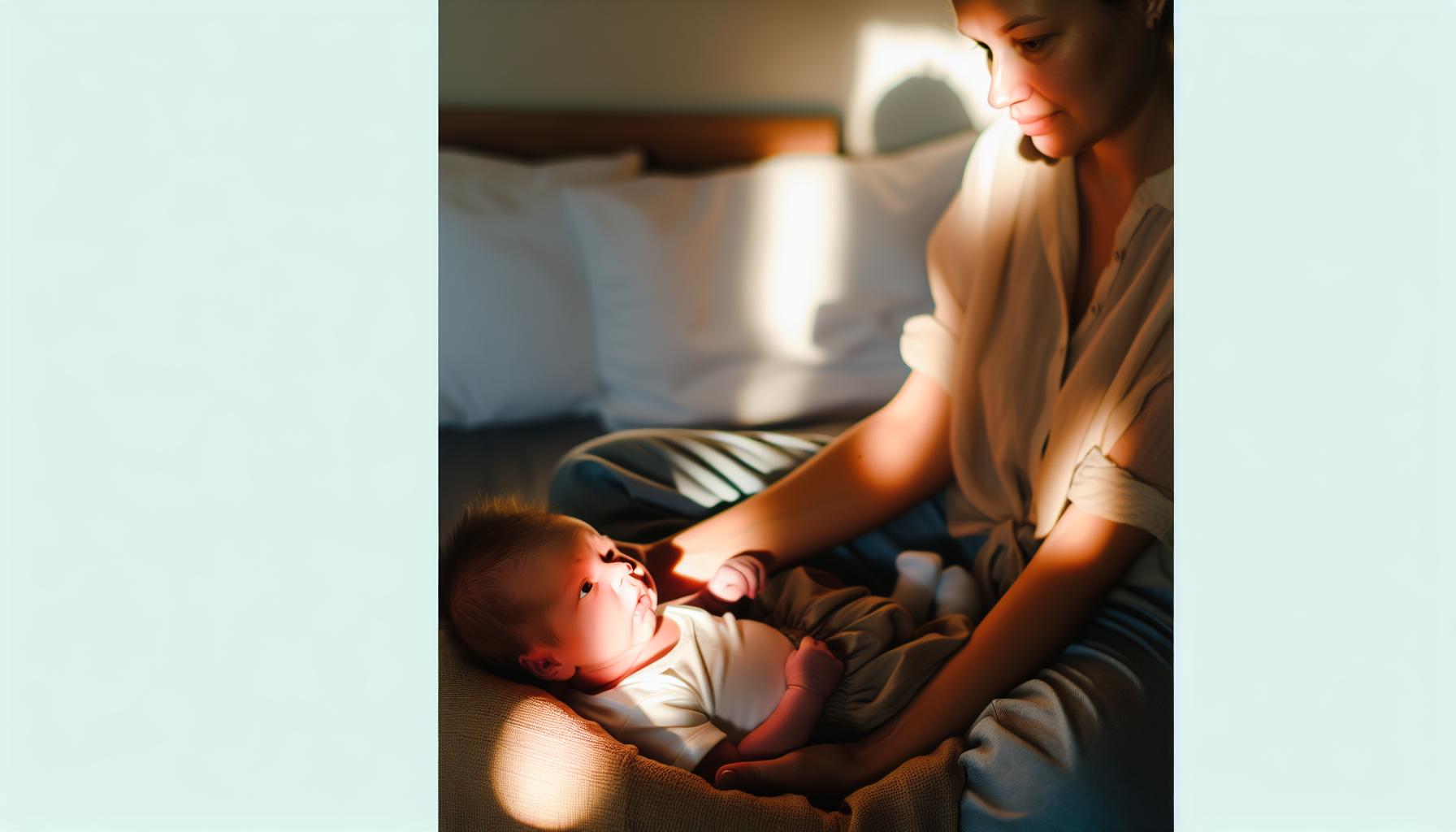
Understanding Postpartum Changes
The journey into motherhood brings about a myriad of changes, both physical and emotional. Postpartum hormonal shifts can lead to numerous experiences,from night sweats to increased body odor,causing many new moms to wonder,“Why do I stink postpartum?” It’s vital to recognize which alterations are typically transient and which may warrant further attention. the insights below will help you navigate this delicate period and determine when to seek professional advice.
Normal vs. Concerning Signs
Post-birth, your body embarks on a recovery journey that includes significant hormonal readjustments. While some changes are perfectly normal, others could indicate underlying health concerns. Here’s a simple breakdown to guide you:
| Signs | Normal Changes | Concerning Changes |
|---|---|---|
| Body Odor | Increased sweat and changes in body odor due to hormonal fluctuations. | Persistent foul smell or accompanied by fever. |
| Mood Swings | Variability due to hormonal changes. | Severe anxiety, depression, or persistent mood swings needing intervention. |
| Physical Discomfort | Minor discomfort as your uterus shrinks back to pre-pregnancy size. | Severe pain, especially if localized in specific body parts. |
| fatigue | Exhaustion from sleepless nights and the demands of a newborn. | Unrelenting fatigue that hampers daily life. |
It’s crucial to keep your health in check, especially in the early days of postpartum recovery. While discomfort and body changes are common, pay attention to any alarming symptoms. For example, if you experience a sudden increase in body odor that is not alleviated by hygiene practices, or if it is indeed associated with a general feeling of being unwell, it might potentially be time to consult a healthcare professional. Additionally, remember that emotional changes, while routine, can escalate into more serious conditions such as postpartum depression, which requires medical attention.
By understanding the distinction between normal and concerning symptoms,you can approach this significant life transition with confidence,actively recognizing when your body may need a little extra care.prioritizing your well-being ensures not only your health but also the best possible start for you and your newborn.
Embracing Your New Body: Self-Care Strategies for New Moms
Understanding Your Postpartum body
The transition into motherhood is a transformative journey that reshapes not just your life but also your body. Postpartum hormonal changes can lead to various physical sensations, including an increase in body odor. Recognizing that these experiences are rooted in biological shifts is crucial for new moms.As you navigate this period, embracing self-care is essential to nurturing both your body and mind.
Self-Care Strategies for New Moms
To effectively embrace your new body, focus on holistic self-care practices that address both the physical and emotional aspects of your postpartum experience:
- Stay Hydrated: Drinking plenty of water helps to flush out toxins, which can alleviate body odor.
- Regular Bathing: A warm bath or shower not only cleanses your body but can also provide a calming effect. Enhance the experience with natural soaps and essential oils.
- Healthy Diet: Incorporating fruits, vegetables, and whole grains can improve your overall body function. Avoiding processed foods may help in reducing unwanted odors.
- Physical Activity: Engage in gentle exercises like walking or postpartum yoga to boost your mood and increase blood circulation, which can also help balance your hormones.
- Wear Breathable Fabrics: Opt for natural fabrics like cotton to stay comfortable and reduce sweat, which is often a factor in body odor.
Creating a Nurturing Surroundings
Fostering a supportive atmosphere is equally crucial. Surround yourself with understanding family and friends who can offer assistance and encouragement. Consider creating a self-care schedule that allows you to prioritize your well-being amidst the demands of motherhood. As an example,allocate time for a short walk or quiet moments for mindfulness,helping you to process the emotional and physical changes you are experiencing.
| Self-Care Activity | Benefits |
|---|---|
| Hydration | Flushes out toxins; improves skin health |
| Warm Baths | Promotes relaxation; reduces stress |
| Balanced Diet | Enhances overall health; stabilizes mood |
| Gentle Exercise | Increases energy; helps hormone regulation |
embracing these self-care strategies can help mitigate some of the discomforts associated with postpartum hormonal changes,providing you with a sense of control and improvement during this new chapter in life.
Connecting with Other Moms: Sharing Experiences and Solutions
Understanding Shared Experiences
Becoming a mom is a journey filled with highs and lows, and one aspect that frequently enough gets swept under the rug is the delicate changes our bodies go through postpartum. While it’s easy to feel isolated in our struggles, connecting with other moms who share similar experiences can provide both comfort and solutions. Did you know that many moms report dealing with unexpected body odors after childbirth? This phenomenon is linked to hormonal fluctuations, and sharing these experiences can illuminate the road to finding effective coping mechanisms.
Building a Supportive Community
Engaging with fellow mothers,whether through local meetups,online forums,or social media groups,presents a fantastic prospect to discuss topics that are often stigmatized,like postpartum odors. Sharing insights can lead to discovering practical solutions that worked for others—and sometimes even a little humor can go a long way. For instance, did you know that some moms find that certain dietary choices can affect body odor? By connecting with a community of moms, you can learn about:
- Natural deodorants that are safe during breastfeeding
- Home remedies or lifestyle changes to balance hormonal effects
- Tips on personal hygiene and care routines that adapt post-baby
For many moms, these connections enrich their experiences by offering guidance and tips to reduce discomfort caused by hormonal changes. Moreover,sharing personal anecdotes helps normalize these conversations,reminding us that we’re not alone in our post-baby journey.
Practical Steps to Encourage conversation
Creating an open dialog about sensitive topics can feel daunting,but here are some actionable steps to foster discussions among peers:
| Action | Description |
|---|---|
| Create a group chat | Start a dedicated chat with friends or other new moms to share tips and experiences about postpartum changes. |
| Host a coffee date | Invite a few moms over for coffee and share stories in a comfortable,relaxed setting. |
| Join online forums | Participate in specialized forums focusing on postpartum challenges where you can ask questions and share your experience. |
By initiating conversations about postpartum issues, such as body odor due to hormonal changes, you can build a network of support that not only validates your experiences but also provides practical tools to navigate this new chapter in your life. Remember, bonding over shared challenges is a stunning way to create friendships that last well beyond the early days of motherhood.
Frequently asked questions
why do I stink postpartum?
Postpartum body odor is often due to significant hormonal changes after childbirth.These changes can lead to increased sweating, shifts in body chemistry, and disrupted personal hygiene routines, which may contribute to unpleasant smells.
The transition of your body from pregnancy to postpartum involves a surge in various hormones like estrogen and progesterone, significantly impacting sweat production and body odor. Hormonal fluctuations can influence how your body metabolizes different substances and create different odors.
It’s crucial to maintain good hygiene during this time. regular showers, wearing breathable fabrics, and staying hydrated can help manage and reduce body odor. For further tips on hygiene, check our article on postpartum care.
What is the connection between hormones and body odor postpartum?
Hormonal changes play a significant role in postpartum body odor.When women give birth, their bodies experience drastic shifts in hormone levels, leading to variations in skin chemistry and sweat production, which can result in stronger odors.
For example, increased levels of cortisol and changes in progesterone can affect how your skin interacts with bacteria, a common cause of body odor. Additionally, the body may sweat more as it adjusts to these hormonal changes.
Understanding these biological shifts can help normalize this experience for new moms and encourage open discussions about postpartum transitions.
Can I manage postpartum body odor?
Yes, managing postpartum body odor is possible through proper hygiene and lifestyle adjustments. Regular bathing, wearing moisture-wicking clothing, and using effective deodorants can greatly help control body odor during this transitional period.
Incorporating a skincare routine that includes gentle exfoliation may also assist in reducing odor by removing dead skin cells. Eating a balanced diet that’s low in processed foods and high in fruits and vegetables can further support your body’s natural odor regulation.
It’s important to note that these changes may take time as your body continues to adjust postpartum. Be patient with yourself; this is a natural phase.
Why dose postpartum body odor differ from pregnancy body odor?
Postpartum body odor differs from pregnancy body odor due to hormonal shifts and the body’s recovery process after childbirth. During pregnancy,hormonal changes lead to increased blood flow and fluid retention,which can create a different kind of natural scent.
After giving birth, as hormone levels drop and stabilize, changes in sweat production and skin moisture can occur, resulting in stronger or more pronounced body odor. The body’s metabolic adjustments also contribute to this shift.
Each phase brings unique challenges and it’s perfectly normal to experience these changes. For individualized support, consider discussing your experiences with a healthcare professional or a trusted friend.
Can breastfeeding affect postpartum body odor?
Yes, breastfeeding can affect postpartum body odor because hormonal changes associated with lactation, including prolactin and oxytocin, can impact sweat production and body chemistry.
Many women find that breastfeeding alters their body’s scent profile due to these hormonal fluctuations. Additionally, the sweat glands in the breast area can become more active as the body adjusts to lactation, resulting in changes to body odor.
if you’re concerned about odor during breastfeeding, ensure you’re practicing good hygiene and staying hydrated. These steps can help alleviate some of the changes you’re experiencing.
What role does diet play in postpartum body odor?
Diet plays a crucial role in postpartum body odor. Foods that promote sweat production, like spicy foods or those rich in garlic, can contribute to stronger odors during this period.
Maintaining a balanced diet full of whole foods, fruits, vegetables, and staying well-hydrated can help regulate body odor.Nutritional choices directly influence your body’s chemistry and, later, its odor profile.
Making conscious dietary choices can support your body during this time,helping it navigate the changes after childbirth more comfortably.
How long does postpartum body odor last?
Postpartum body odor typically decreases within a few weeks to several months after giving birth, as hormone levels stabilize and the body returns to its pre-pregnancy state.
However,the duration can vary due to individual hormone levels,lifestyle,and overall health. It’s vital to give your body the necessary time to adjust and to utilize strategies for managing body odor during this transition.
In situations where the odor persists longer than expected, consider reaching out to your healthcare provider to discuss potential underlying concerns.
In Retrospect
As we navigate the transformative journey of motherhood, it’s completely normal to experience various bodily changes – including unexpected odors postpartum.Remember, these changes stem from hormonal fluctuations that your body is adjusting to after childbirth. Embrace this phase with patience and understanding, as it’s a natural part of your recovery and adaptation to motherhood.
Take comfort in knowing that you’re not alone in this experience. Regular self-care, hydration, and a balanced diet can make a significant difference in your comfort levels. If concerns persist, don’t hesitate to reach out to a healthcare professional for advice tailored to your needs.
We encourage you to continue exploring the vast world of postpartum health and wellness. Engage with communities,share your experiences,and seek out resources that resonate with you.Each step you take in understanding your body makes you a more empowered parent, and those around you can benefit from your journey as well. Remember, every mom’s experience is unique, and together, we can foster an environment of support and understanding. You’ve got this!
Get our latest guides, news, and insights highlighted in your Google Search & AI Overviews.


