


After teh challenges of childbirth, new mothers often seek ways to soothe their bodies and minds. Incorporating herbs into postpartum baths offers a natural remedy for relaxation and healing, promoting recovery while providing a serene escape.Discover how nurturing botanicals can support your postpartum journey and enhance your self-care routine.
The Soothing Power of Herbal Baths: A Gentle Retreat for New Parents
Did you know that ancient cultures have long utilized herbal baths as a means of promoting healing and relaxation? For new parents navigating the challenges of postpartum recovery, the soothing qualities of herbal baths can provide not just a moment of peace, but also notable therapeutic benefits. These baths are not only designed for relaxation; they can play a vital role in physical recovery and emotional well-being during a time of significant transition.
Benefits of Herbal Baths for New Parents
The right combination of herbs can transform an ordinary bath into a sanctuary for healing. For new parents, incorporating herbs into postpartum baths can yield a myriad of benefits, such as:
- Physical Healing: Certain herbs, like comfrey and calendula, possess anti-inflammatory properties that can aid in healing perineal soreness.
- Relaxation and stress Relief: Aromatic herbs, such as lavender and chamomile, are renowned for their calming effects, helping to relieve stress and anxiety often experienced during the postpartum period.
- Improved Sleep Quality: Baths infused with herbal elements can be a gentle way to promote better sleep, essential for new parents who may be sleep-deprived.
- cleansing Properties: Herbal baths can assist in the natural detoxification process,helping the body adjust post-delivery.
Choosing Your Herbal blend
When selecting herbs for a postpartum bath, it’s essential to consider both their aromatic and healing properties. Here’s a simplified table to guide you in selecting the right herbs for your herbal bath:
| Herb | Main Benefits |
|---|---|
| Lavender | promotes relaxation, relieves anxiety |
| Chamomile | Soothes skin, induces calmness |
| Calendula | Anti-inflammatory, accelerates healing |
| Comfrey | Promotes tissue repair, pain relief |
| Rose Petals | Aromatic, uplifting mood |
By carefully selecting herbs that resonate with your needs, you can create a personal ritual that enhances your recovery and comfort. As you prepare your herbal bath, consider additional elements such as temperature and atmosphere—dim the lights and light a candle to further cultivate an environment of peace.
Taking time for self-care through herbal baths can be as beneficial as it is restorative, making it an invaluable practice for new parents. This gentle retreat allows you to reconnect with yourself, providing a serene moment of tranquility in the midst of a bustling life change.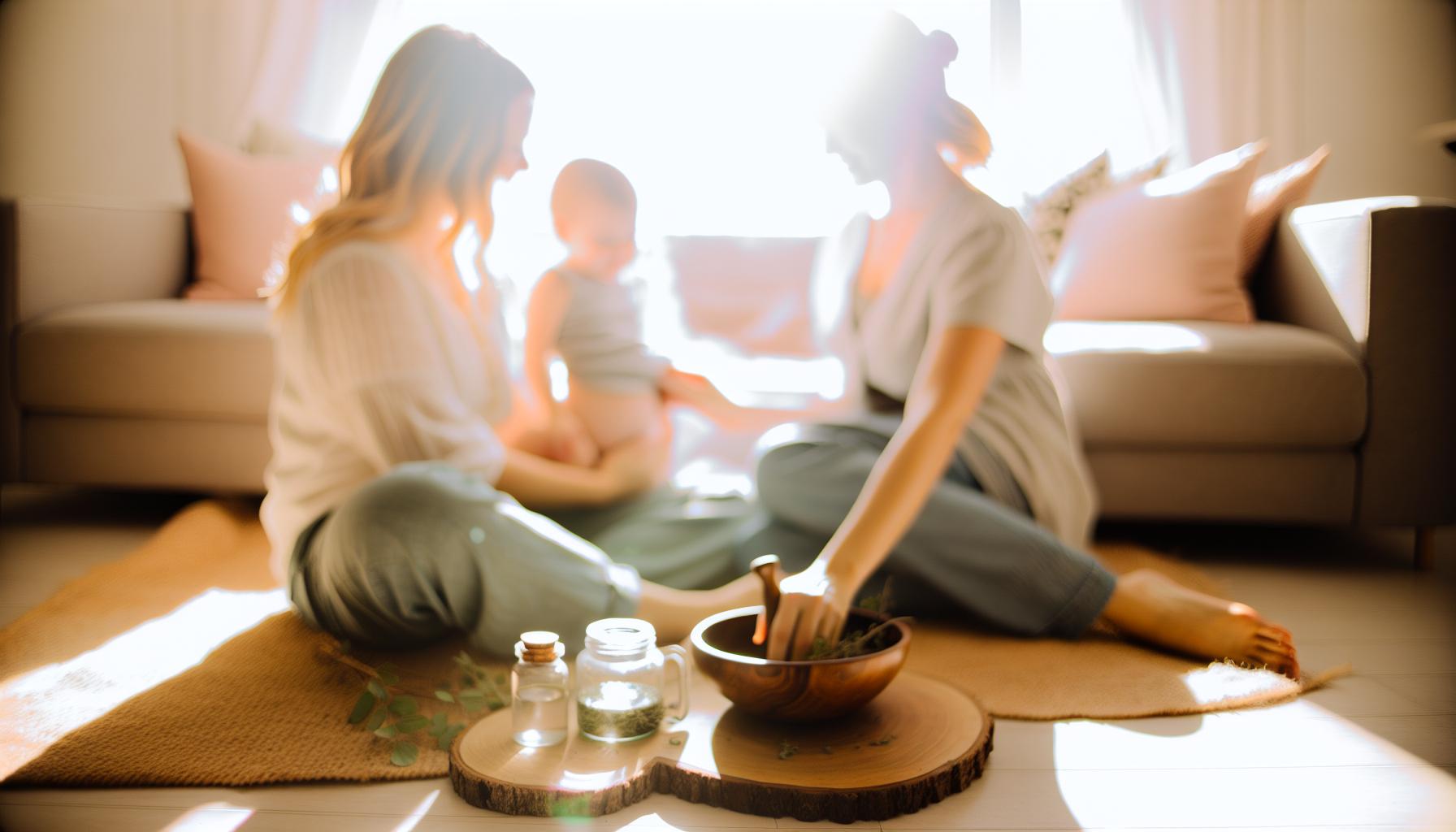
Essential Herbs for postpartum Recovery: Nature’s Healing Magic
Rediscovering Natural Healing
After childbirth, many new mothers experience a myriad of physical and emotional changes. Nature offers a treasure trove of herbs that can significantly aid in postpartum recovery, helping mothers to heal, relax, and regain their strength. Incorporating these essential herbs into a postpartum bath not only promotes relaxation but also provides powerful healing benefits that can enhance overall well-being.
Top Herbs for Postpartum Recovery
understanding the specific benefits of various herbs can empower new moms to make informed choices for their herbal baths. Below are some key herbs celebrated for their healing powers:
| Herb | Benefits |
|---|---|
| Lavender | Calms the mind and body,reduces anxiety,and promotes restful sleep. |
| Calendula | Helps to soothe skin irritations and speeds up healing of cuts or tears. |
| Chamomile | Reduces inflammation and promotes digestive health; also aids in relaxation. |
| Comfrey | Speeds healing of wounds and strengthens tissue. |
| Rosemary | Improves circulation and relieves muscle pain; also invigorating. |
How to Create Your Postpartum Herbal Bath
To harness the healing benefits of these herbs,consider creating your own postpartum bath blend. Start by selecting a few herbs from the list above and combining them. Here’s a simple formula to get you started:
- Choose Your Base: Start with one cup of dried herbs such as lavender or chamomile.
- Add strengthening Variants: Incorporate half a cup of calendula for its soothing properties.
- Infuse with Action: You can mix in a handful of rosemary for circulation enhancement.
Simply place your herb mixture in a muslin bag or cloth and steep it in warm bathwater for about 20 minutes before soaking. This practice not only aids in physical recovery but also offers a moment of tranquility that’s invaluable during the hectic postpartum period.
By integrating these natural elements into self-care rituals, new mothers can find solace and health in their recovery process, allowing the body to heal while nurturing the mind and spirit. Embracing the healing magic of herbs after childbirth can contribute to a stronger, more resilient postpartum journey.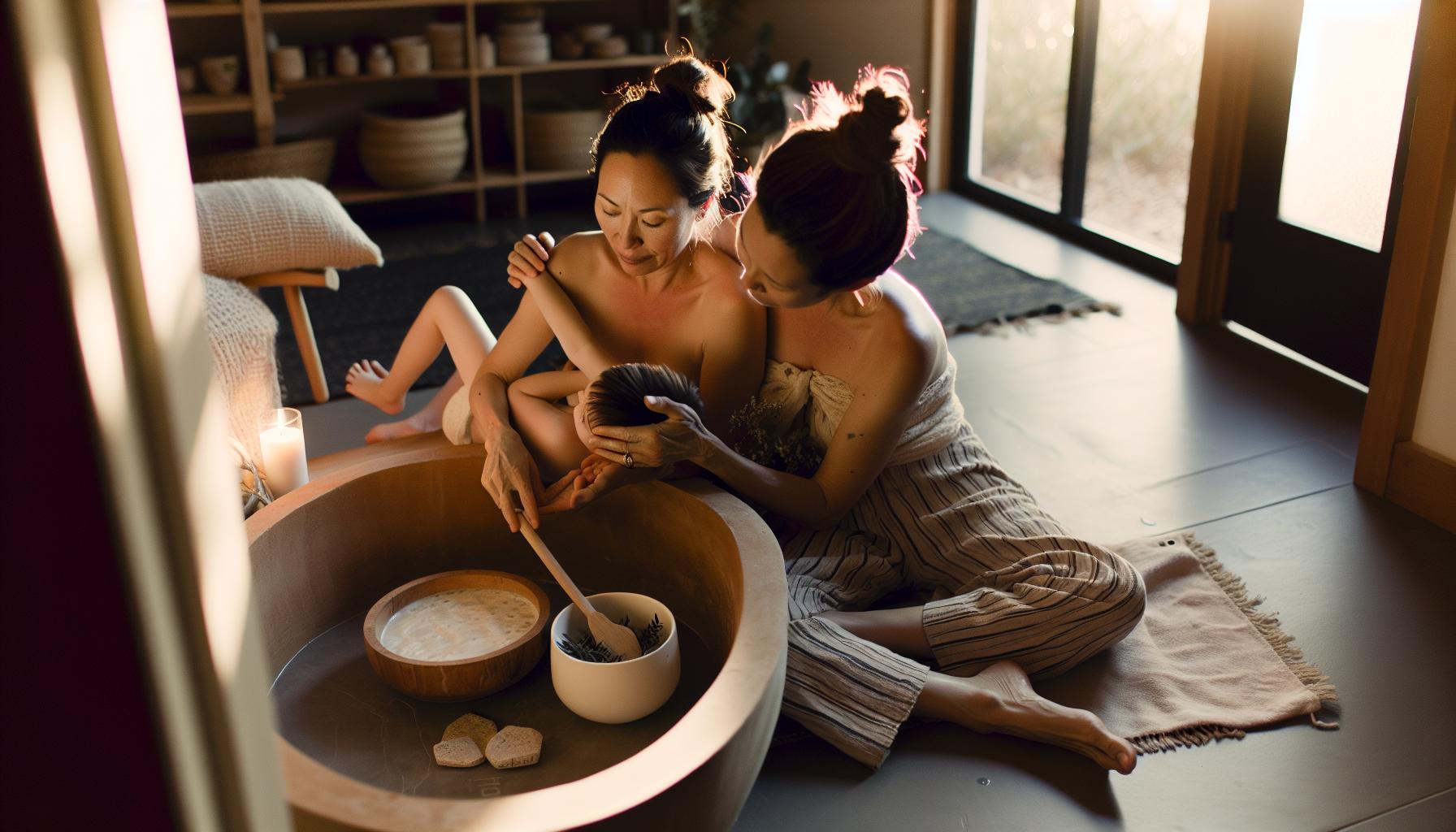
Creating Your perfect Herbal Bath: Simple Steps for Maximum relaxation
Did you know that immersing yourself in a herbal bath can not only soothe your body but also enhance your emotional well-being? The right combination of herbs can support your postpartum healing process by providing relaxation and comfort. Here’s how you can create the perfect herbal bath to uncover these benefits.
Gather Your Ingredients
The first step to a blissful herbal bath is to collect the ingredients that will cater to your relaxation and healing. The most popular herbs for postpartum baths include:
- Calendula: Known for its anti-inflammatory properties.
- Lavender: A soothing herb that promotes relaxation.
- Chamomile: Offers calming effects and can definitely help with sleep.
- rosemary: Stimulates circulation and adds a refreshing scent.
- Epsom salts: Excellent for relieving muscle tension.
You can find these herbs at health food stores, online, or even in your garden. Ensure they are organic to maximize their purity and effectiveness.
Create Your Herbal infusion
Once you’ve gathered your herbs,the next step is to make a potent herbal infusion. Here’s a simple method:
- Boil water: Start by boiling about 4 cups of water.
- Add herbs: Add your chosen herbs (roughly one cup total) to the boiling water and reduce the heat.
- Simmer: Let the mixture simmer for about 15-20 minutes. This allows the beneficial properties of the herbs to seep into the water.
- Strain: After simmering,strain the mixture through a fine sieve or cheesecloth to remove the solid herbs.
This infusion can be added directly to your bathwater or stored for several days in the fridge for future use.
Prepare Your Bath
Now that you have your herbal infusion ready, it’s time to prepare your bath for ultimate relaxation. Fill your bathtub with warm water and add your herbal infusion. If desired, include some Epsom salts for an extra dose of soothing relief.Light some candles or play soft music to enhance the ambiance.
| herb | Relaxation Benefits | Healing Properties |
|---|---|---|
| Calendula | Promotes calm | Reduces inflammation |
| Lavender | Calming aroma | Improves sleep quality |
| Chamomile | Creates a tranquil environment | Relieves stress |
| Rosemary | Refreshing scent | Enhances circulation |
Enjoy your herbal bath for at least 20-30 minutes, allowing yourself to fully relax and take in the therapeutic aroma and warmth. This time not only helps in physical healing but also promotes emotional wellness during the postpartum period. With each soak, you will be embracing the incredible relaxation and health benefits that these herbs provide.
Exploring the Physical and Emotional Benefits of Herbal Infusions
The soothing act of bathing can be elevated with the incorporation of herbal infusions, especially for those experiencing the postpartum period. These natural brews not only offer relaxation but also present a range of physical and emotional benefits that can significantly support healing during this transformative phase.
Physical Benefits of Herbal Infusions
Herbal infusions, with their rich medicinal properties, can provide a host of physical benefits that are especially beneficial during postpartum recovery. The warm water combined with carefully chosen herbs can help promote healing, ease discomfort, and support overall wellness. Some of the key herbs to consider include:
- Chamomile: Known for its anti-inflammatory properties, chamomile can help ease body aches and promote relaxation.
- Lavender: This calming herb not only provides a delightful scent but also can alleviate tension and improve sleep quality.
- Calendula: Renowned for its skin-healing properties, calendula is ideal for soothing irritation and promoting recovery in sensitive areas.
Incorporating these herbs into a postpartum bath not only warms the body but also allows the skin to absorb beneficial compounds that can reduce inflammation and enhance healing.
Emotional benefits of Herbal Infusions
Postpartum emotions can be a rollercoaster, influenced by hormonal changes, recovery challenges, and the adjustment to motherhood. Herbal baths can play a key role in supporting emotional well-being during this time. The ritual of bathing can serve as a form of self-care, providing a moment to pause and connect with oneself amidst the demands of caring for a newborn.
- Stress Relief: The calming effects of herbs like lavender can help lower stress levels, allowing new mothers to unwind and recharge.
- Enhanced Mood: herbs like lemon balm and hibiscus may help lift spirits and combat feelings of anxiety or sadness.
- A Sense of Serenity: The act of immersing oneself in a warm herbal bath can foster a deep sense of relaxation and mindfulness, which is crucial during this transition.
Ultimately, creating a sanctuary with herbal infusions can aid in emotional healing, providing the nurturing space that new mothers need to restore balance and well-being.
| Herb | Physical Benefits | Emotional benefits |
|---|---|---|
| Chamomile | Reduces inflammation, eases aches | Promotes relaxation, alleviates anxiety |
| Lavender | Soothes skin, aids sleep | Enhances mood, reduces stress |
| Calendula | supports skin healing | Encourages emotional well-being |
| Lemon Balm | improves digestion | Elevates mood, eases tension |
| Hibiscus | Rich in antioxidants | Positive effect on emotional state |
Incorporating herbal infusions into postpartum baths not only promotes physical healing but also nurtures emotional resilience, creating a holistic healing experience that supports new mothers on their journey.
Safe Practices for Using Herbs in Your Postpartum Routine
Exploring Safe Practices with Herbs
Incorporating herbs into your postpartum routine can offer various relaxation and healing benefits, but it is paramount to prioritize safety. Understanding how to use herbs effectively can enhance your recovery, promote well-being, and create a soothing environment during those challenging early weeks after childbirth. From selecting the right herbs to preparing them safely for baths, adherence to safe practices can make a significant difference in your postpartum experience.
Choosing the Right Herbs
Not all herbs are suitable for postpartum recovery, and some may even interact negatively with medications or existing health conditions. Here are some guidelines for selecting safe herbs for your postpartum bath:
- Consult with a Healthcare Provider: Before adding any herbs to your routine, discuss your plans with a healthcare professional who understands your medical history and can provide personalized advice.
- research Common Postpartum Herbs: Familiarize yourself with herbs widely known for their postpartum benefits, such as lavender for relaxation, rosemary for circulation, and chamomile for calming effects.
- Avoid Allergens: Be cautious of any known allergies or sensitivities. Perform a patch test with herbal infusions on a small area of skin before a full bath.
Preparation and Request
when you’re ready to prepare your herbal bath, the way you use these plants will affect their safety and effectiveness. Here are essential steps to ensure a beneficial and enjoyable experience:
| step | description |
|---|---|
| Select Herbs | Choose herbs that have known safety and soothing properties for the postpartum period. |
| Infusion Method | Steep dry herbs in hot water for 15-20 minutes to create a potent infusion before adding it to your bath. |
| Dosage | Use reasonable amounts (typically a handful or two of dried herbs) to avoid overwhelming your senses and skin. |
| Temperature Check | Ensure the bathwater is a cozy temperature (not too hot) to relax rather than irritate your body. |
| Duration | Limit your bath time to around 20-30 minutes to prevent excessive skin exposure to herbs, which could cause irritation. |
By following these safe practices when using herbs in your postpartum bath, you can harness their relaxation and healing benefits while ensuring your comfort and safety. Incorporating these measures into your routine not only enhances your physical recovery but can also provide a moment of peace in the busy world of new motherhood.
Real Experiences: How Herbal Baths Transform the Postpartum Journey
The soothing embrace of herbal baths has been a treasured practice across cultures for centuries, offering profound benefits, especially during the sensitive postpartum period. New mothers often experience physical and emotional turmoil after childbirth, and the incorporation of herbal baths can serve as both a restorative ritual and a source of holistic healing.
the Power of Herbal Remedies
Postpartum, a woman’s body undergoes significant changes as it recovers and adjusts. Herbal baths create a sanctuary of tranquility that promotes healing, reduces stress, and fosters emotional well-being. Mothers report that these baths not only help in alleviating physical discomfort but also enhance their mental clarity and emotional resilience. Incorporating herbs known for their soothing properties can amplify these benefits. Here are some commonly used herbs and their unique contributions:
- Lavender: Renowned for its calming fragrance, lavender can significantly alleviate anxiety and foster relaxation.
- Calendula: A natural anti-inflammatory, calendula aids in healing skin irritations and promotes overall skin health.
- Chamomile: Known for its sedative effects, chamomile can help reduce stress and improve sleep quality.
- Comfrey: Often used for its healing properties, comfrey can be particularly beneficial for tissue repair during recovery.
Real Stories of Transformation
Many women have shared transformative experiences following the adoption of herbal baths into their postpartum regimen.One mother recounted how a weekly herbal soak with chamomile and lavender drastically improved her mood during the baby blues.“After each bath, I felt a wave of calm wash over me,” she shared. “It was my time to revitalize and simply breathe.” This emphasis on self-care not only nurtured her mental health but also strengthened her bond with her newborn during those early weeks.
Similarly,another mother found relief from physical discomfort after a long labor by blending comfrey with calendula in her baths. She stated, “I felt like my body was shutting down after childbirth, but soaking in those herbs rejuvenated my spirit and eased my aches. It was almost medicinal.”
Creating Your Own Herbal Bath Experience
To reap the benefits of herbs for postpartum baths,consider the following actionable steps:
- Select Your Herbs: Choose a combination based on what you need most—relaxation,healing,or revitalization.
- Prepare the Bath: Place herbs in a muslin bag or tea infuser to avoid a messy cleanup.
- Soak and Reflect: Dim the lights,light a candle,or play soothing music as you soak for about 20-30 minutes,allowing your body and mind to rejuvenate.
- Stay Consistent: Incorporate this practice into your routine,ideally once a week,to maintain mental clarity and physical comfort.
By integrating herbal baths into the postpartum journey, mothers not only embrace an avenue for relaxation and healing but create a sacred space for personal reflection and connection—a vital part of nurturing both body and soul during this transformative phase.
Expert Tips for Tailoring Your Bath for Specific Needs and Preferences
Did you know that customizing your bath with specific herbs can transform a simple soak into a powerful ritual of relaxation and healing? For those in their postpartum period, the right herbal bath can ease physical discomfort, promote mental serenity, and provide the emotional support often needed during this transformative time. Here are some expert tips to help you tailor your bath experience to meet your unique needs and preferences.
choosing the right Herbs
Selecting herbs that align with your desired outcomes is essential. Each herb carries different properties; understanding these can help you create a bath that is both soothing and restorative.Consider the following options:
- Lavender: Known for its calming effects, lavender can definitely help reduce anxiety and promote restful sleep.
- Chamomile: With its anti-inflammatory properties, chamomile is great for soothing skin irritations and fostering relaxation.
- Calendula: This herb is perfect for healing minor wounds and irritation, making it a perfect choice in postpartum baths.
- Rosemary: Invigorating and stimulating, rosemary can help alleviate mental fatigue and increase concentration.
Personalizing Your Bath Setup
the ambiance and setup of your bath can greatly affect your experience. Consider the following elements when personalizing your bath:
- Temperature: ensure the water temperature is comfortable,as too hot or too cold can be uncomfortable,especially postpartum.
- Music and Lighting: Soft music and dim lighting can enhance relaxation. Consider using candles or essential oil diffusers.
- Duration: Set aside enough time to enjoy your bath without feeling rushed. A minimum of 20-30 minutes can allow for a deeper relaxation.
Creating a Herbal Bath Blend
To make the most out of your herbs, consider creating a custom herbal bath blend. Here’s how:
- Select Your Base: Choose a carrier like Epsom salt or baking soda to enhance your soak’s benefits. Epsom salt can help with muscle relaxation, while baking soda can soothe skin irritations.
- Combine the Herbs: You can create a sachet by tying your chosen dried herbs in a piece of cheesecloth or using a muslin bag. This keeps the herbs contained while allowing their beneficial properties to infuse the water.
- Infusion Method: For a more potent effect, steep your herbal sachet in hot water for about 15-20 minutes before adding it to the bath. this process enhances the extraction of essential oils and benefits from the herbs.
Here’s a simple table summarizing herb benefits and usage for easy reference:
| Herb | Benefits | How to Use |
|---|---|---|
| Lavender | Calming,anxiety reduction | Use dried flowers in sachet |
| Chamomile | Soothing,anti-inflammatory | Steep in hot water for infusion |
| Calendula | Healing,skin irritation relief | Add to bath directly or in sachet |
| Rosemary | Mood-lifting,invigorating | Use as fresh sprigs for aroma |
Incorporating these expert tips and personalized approaches into your postpartum baths will help maximize relaxation and healing benefits.Remember, every bath can be a nurturing experience that caters to your emotional and physical well-being.
embracing Self-Care: The Importance of Taking Time for Yourself After Birth
Rediscovering Yourself Through Self-Care
After bringing a new life into the world, the journey can be overwhelming, often overshadowing the essential need for self-care. Taking time for yourself is not merely a luxury—it’s a necessity that can significantly speed up recovery and enhance emotional well-being. Engaging in self-care practices,such as utilizing herbs for postpartum baths,can foster relaxation and promote healing during this transformative period.
Incorporating herbal elements into your bathing routine can help soothe the body and mind. For example, herbs like chamomile and lavender are known for their calming properties, making them excellent choices for postpartum baths. not only do they promote relaxation, but they can also aid in alleviating discomfort associated with healing. A warm bath infused with these herbs serves as a sanctuary, allowing new mothers to reclaim a moment of peace amidst the chaos of caring for a newborn.
Benefits of Herbal Baths for New Mothers
The advantages of taking time for yourself through herbal baths extend beyond mere relaxation. Here are some key benefits to consider:
- physical Healing: Warm baths can definitely help relieve tension in the body, while specific herbs can target postpartum healing areas.
- Mental Clarity: Creating a calming environment with scents from herbal baths can improve mood and reduce anxiety.
- Connection to Tradition: Many cultures incorporate herbal remedies into postpartum care, offering psychological reassurance through traditional practices.
To make the most out of your herbal bath, it’s helpful to prepare a simple recipe that tailors to your needs. Below is an easy guide:
| Herb | Benefits | Usage |
|---|---|---|
| chamomile | Calming, anti-inflammatory | Infuse in hot water and add to bath |
| Lavender | Relaxation, boosts mood | Use as an essential oil or dried flowers |
| Rosemary | Stimulating, enhances circulation | Steep in water before adding |
By prioritizing moments of self-care, such as indulging in herbal baths, new mothers can nurture their physical and emotional health, ultimately benefiting both themselves and their families. Taking intentional time out of your day to unwind is a powerful reminder that caring for oneself is essential to thriving in the demanding role of motherhood.
Faq
What are some of the best herbs for postpartum baths?
Some of the best herbs for postpartum baths include witch hazel, lavender, and rosemary. These herbs offer relaxation and promote healing after childbirth.
Witch hazel is known for its astringent properties, which can help reduce swelling and promote healing of the perineal area. Lavender is celebrated for its calming effects, making it ideal for relaxation.Additionally, rosemary offers antimicrobial benefits, which can be particularly useful in postpartum recovery. Incorporating these herbs into your baths can provide both physical and emotional support during this transformative time.
How do I prepare a postpartum bath with herbs?
To prepare a postpartum bath with herbs, simply fill your bathtub with warm water and add your chosen herbs. You can use dried herbs in a muslin bag or herbal bath blend to make clean-up easier.
Begin by boiling a quart of water with your selected herbs for about 10 minutes,allowing the properties to infuse. Then, strain the mixture and add it to your bath water.It’s important that the water is warm but not too hot, as comfort is key for new mothers. For more tips,explore our guide on postpartum care.
Why does a herbal bath help with postpartum healing?
A herbal bath can significantly aid in postpartum healing by promoting relaxation and aiding in physical recovery. The warm water combined with the healing properties of herbs helps to soothe sore muscles and reduce inflammation.
Herbs like chamomile and calendula are excellent choices for their anti-inflammatory properties, making them ideal for soothing sore areas. Additionally, the calming scents of these herbs can definitely help reduce stress, which is vital for new mothers navigating emotional changes. Thus, herbal baths provide a holistic approach to recovery.
Can I make a herbal bath if I had a C-section?
Yes,you can still enjoy herbal baths after a C-section,but it’s essential to ensure that your incision is healing well before soaking in water. Gentle herbs like lavender and chamomile can promote relaxation while offering a soothing atmosphere.
Though, always consult your healthcare provider before starting any bathing routine, especially if you’ve had a surgical birth. Take care to maintain cleanliness and avoid soaking until your doctor approves. For safer practices, check our C-section recovery guide.
What are the emotional benefits of postpartum herbal baths?
Postpartum herbal baths can provide substantial emotional benefits by fostering relaxation and reducing stress. The peaceful ritual of a warm bath, combined with the aromatherapy of herbs, can help alleviate feelings of anxiety and overwhelm.
Participating in self-care practices like this can significantly boost your mood and support emotional healing. Elements such as the calming properties of herbs, the warmth of the water, and dedicated “me time” can definitely help new mothers feel more centered and in tune with their bodies.
Are there any precautions to take when using herbs in a bath?
When using herbs in a bath, it’s critically important to test for allergies and avoid irritants. Always start with small amounts and consider using herbs that are known for their gentleness, such as lavender or oatmeal.
Additionally, ensure that the herbs you choose are safe for postpartum use and do not interfere with any medications you may be taking. Consulting with a healthcare provider is wise, especially if you have underlying health conditions. If you’re interested in safe herbal use, check our extensive resource on herbal remedies.
How often should I take herbal baths during the postpartum period?
It’s recommended to take herbal baths 1-2 times a week during the postpartum period for optimal relaxation and healing benefits. However, listen to your body and adjust frequency as needed.
Create a soothing ritual around your baths, allowing yourself to unwind without distractions. This practice not only aids physical recovery but also supports emotional well-being during a time of significant change. Remember, self-care is essential!
The Conclusion
As you navigate the lovely yet challenging journey of parenthood, taking the time for self-care can often feel like a luxury you can’t afford. Though, incorporating herbs into your postpartum bath routine offers an chance for relaxation and healing that supports both your body and mind. From soothing chamomile to invigorating lavender,these natural remedies can create a nurturing sanctuary,helping you recover and rejuvenate during this transformative time.
We encourage you to explore the various herbs discussed in this article, experimenting to find the combinations that resonate with you. Remember, caring for yourself is not just beneficial for you—it’s a gift to your growing family as well. Embrace this time of self-finding and healing,knowing you’re taking steps to ensure your own well-being.
We hope you feel empowered to create your own herbal bath rituals, finding peace amidst the demands of parenting.Your journey is unique, and every little moment of self-care can contribute to a healthier, happy you.Keep exploring, learning, and nurturing yourself and those you love, and remember—we’re here to support you every step of the way.
Get our latest guides, news, and insights highlighted in your Google Search & AI Overviews.


