Postpartum Care encompasses the physiological, hormonal, and anatomical rehabilitation of the maternal body during the fourth trimester, prioritizing uterine involution, perineal tissue regeneration, and systemic nutrient repletion.
The Fourth Trimester: Biomechanical Involution & Tissue Remodeling
The postpartum period (the puerperium) involves profound systemic physiological adaptation. Immediately following delivery, the uterus undergoes vigorous contractions to clamp down myometrial spiral arteries at the placental site—a process known as uterine involution. This process is exacerbated during breastfeeding due to pulsatile oxytocin release. Within 6 weeks, the uterus shrinks from approximately 1,000 grams back to its pre-pregnant weight of 60 to 80 grams, shedding lochia rubra, serosa, and alba across three distinct stages.
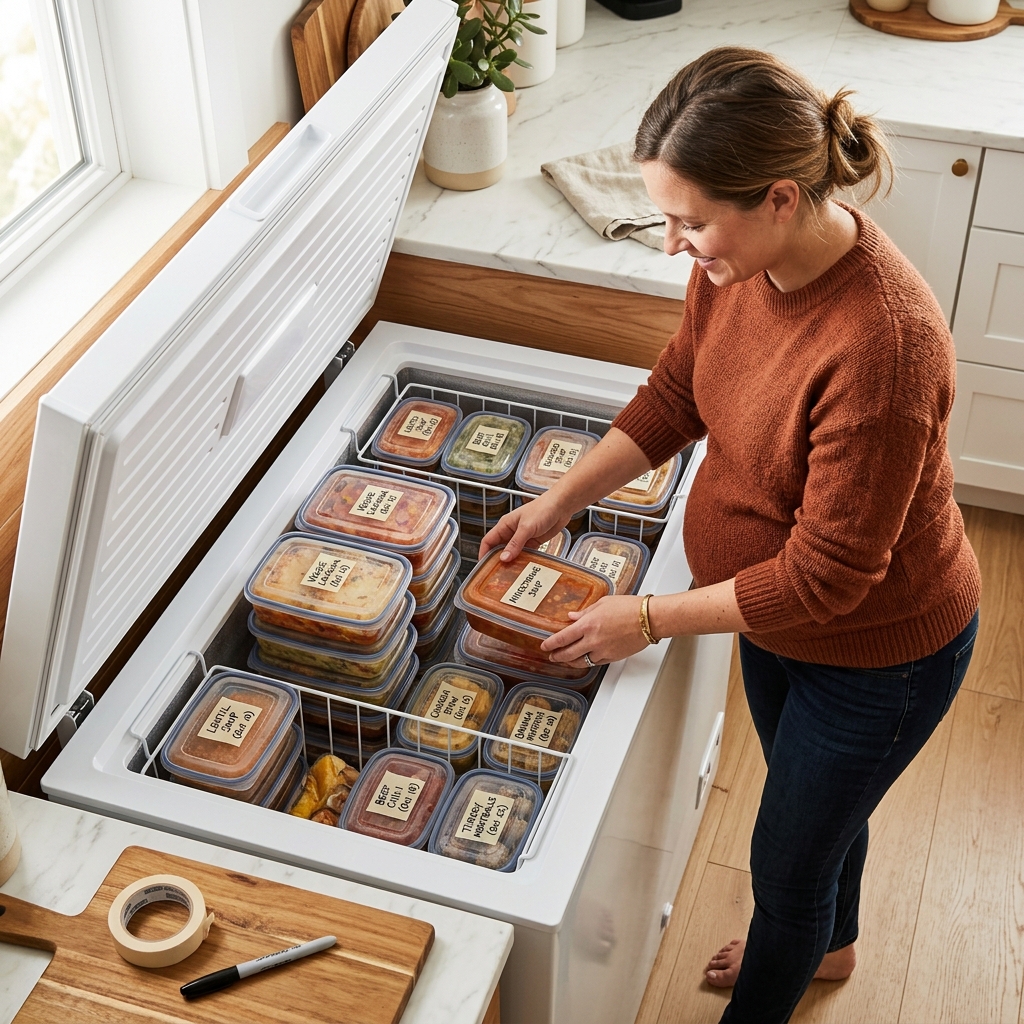
Concurrently, maternal hemodynamics undergo dramatic fluid redistribution. Cardiac output increases by up to 50% immediately following delivery as blood from the uteroplacental circuit is autotransfused into systemic circulation. This shift frequently induces transient orthostatic dizziness, diaphoresis (night sweats), and dependent peripheral edema. Evidence-based care emphasizes rest, high-collagen bone broths, magnesium glycinate for neuromuscular relaxation, and gentle pelvic rest to support tissue restoration.
Postpartum Timeline
Physiological Landmark
Clinical Care Recommendation
Immediate Stage (0–24 Hours)
Placental site hemostasis, intense afterpains, colostrum transfer
Why are afterbirth contractions more painful with second and subsequent babies?
With each subsequent pregnancy, the uterine muscle tone is slightly more relaxed. To prevent postpartum hemorrhage, the uterus must contract much more forcefully and spasmodically than during a first pregnancy, resulting in noticeably sharper afterpains.
How long does normal postpartum bleeding (lochia) last?
Lochia typically lasts 4 to 6 weeks. It begins as bright to dark red (lochia rubra) for 3–5 days, transitions to pinkish-brown (lochia serosa), and finishes as a yellowish-white discharge (lochia alba). Bleeding that saturates a maxi pad in under an hour warrants urgent medical evaluation.
What causes postpartum dizziness when standing up?
Postpartum dizziness is usually caused by orthostatic hypotension resulting from blood loss during delivery, significant fluid shifts, dehydration from lactation, and lack of sleep. Increasing oral fluids with electrolytes and rising slowly from sitting or lying positions helps mitigate episodes.
Did you know that cats can experience postpartum depression? Just like new parents, these furry companions can face emotional challenges after giving birth. Understand their needs, offer support, and foster a nurturing environment to help them thrive.
According to the American College of Obstetricians and Gynecologists, a new mother's caloric needs increase by 450–500 calories per day during breastfeeding, yet 87% of postpartum women report skipping at…
Navigating postpartum life is challenging, and greasy hair can feel like just another hurdle. Discover simple, effective solutions to refresh your locks, empowering you to embrace this new chapter with confidence and grace. You’re not alone!
Navigating sleep post-delivery can be challenging, especially when it comes to your sleeping position. Find out when it's safe to sleep on your stomach again, with expert insights that empower you to prioritize rest and recovery during this transformative time.
Experiencing painful feet postpartum? You're not alone. Discover common causes and effective relief strategies to help you navigate this healing journey. Let’s embrace the challenges together and find comfort in every step you take.
Experiencing ankle pain after childbirth? You’re not alone. This guide explores common causes and offers effective exercises to ease your discomfort quickly, empowering you to regain your mobility and enjoy precious moments with your little one.
Navigating postpartum emotions can be overwhelming, but you’re not alone. Discover effective mood support supplements that can truly make a difference and help you embrace this beautiful journey with confidence and joy.
Choosing alcohol-free witch hazel for padsicles is a gentle, safer option for postpartum recovery. This soothing solution not only nurtures sensitive skin but also empowers parents to prioritize wellness. Here’s why it’s a loving choice for you and your family.
Reclaiming your body after childbirth is a journey, not a race. Our postpartum strength training program offers safe, expert-backed techniques to strengthen your body while nurturing your spirit. Embrace the process—you're not alone!
Discover the soothing relief of frozen witch hazel pads for postpartum healing. These simple, effective remedies help ease discomfort while nurturing your body during recovery. Embrace this supportive solution and reclaim your comfort with confidence.