


Experiencing foot pain after childbirth is a common yet often overlooked issue for many new mothers. Factors such as hormonal changes, weight fluctuations, and physical stress during pregnancy can lead too discomfort. Understanding the causes and effective relief strategies is essential for promoting postnatal recovery and overall well-being, ensuring mothers can focus on their new roles with ease and comfort.
understanding the Changes: How Pregnancy Affects Your Feet
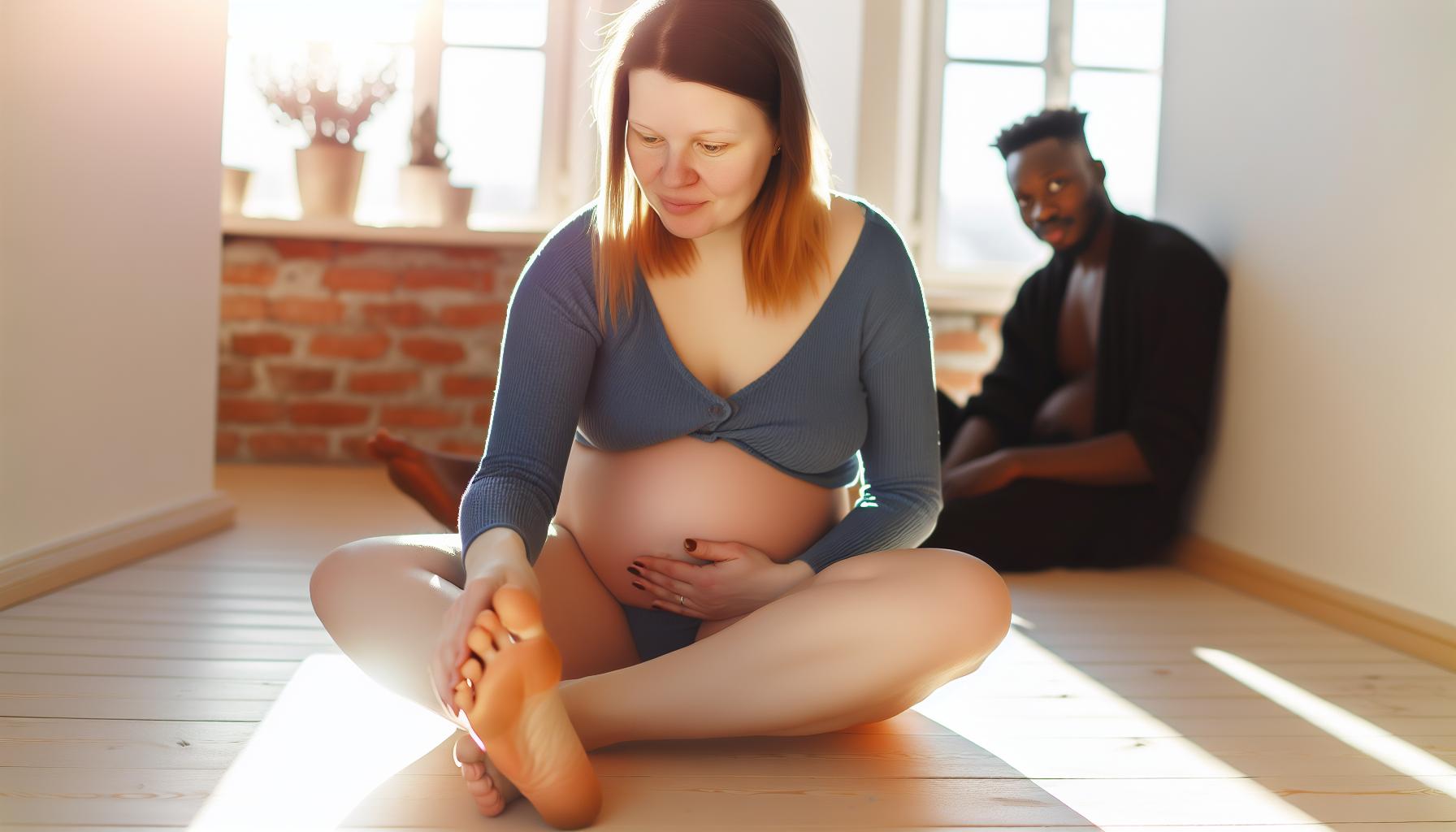
During pregnancy, many women experience surprising transformations in their feet, often leading to discomfort and pain postpartum. One notable change is that women’s feet can actually grow in size. Hormonal fluctuations and weight gain during pregnancy cause the ligaments in the feet to relax, resulting in a widening and lengthening effect that can add up to a half to a full shoe size by the end of the term [[2]](https://www.thebump.com/a/feet-grow-pregnancy) [[3]](https://www.lkfaa.com/blogs/item/189-changes-in-foot-growth-during-pregnancy). This added size may not revert entirely after childbirth, leading many new mothers to struggle with finding cozy footwear even as they adapt to their new routines.
In addition to changes in size, women are often subjected to increased swelling, a condition exacerbated by fluid retention that may peak during the last trimester.This swelling is not just cosmetic; it can substantially affect mobility and lead to conditions such as plantar fasciitis, where inflammation of the foot’s ligaments causes severe pain, especially in the morning or after long periods of sitting. As such, proper foot care becomes essential during and after pregnancy, incorporating strategies to relieve discomfort.
To manage painful feet postpartum, consider the following practical steps:
- Choose supportive shoes: Opt for footwear designed for comfort and support, as the wrong shoes can exacerbate pain.
- Engage in foot exercises: Simple stretches and exercises can strengthen foot muscles and improve flexibility.
- Utilize cold therapy: Applying ice packs can reduce swelling and numb pain during flare-ups.
- Consult a specialist: Seeking advice from a podiatrist or physical therapist can provide personalized relief strategies tailored to individual needs.
Keeping track of foot health is crucial for postpartum recovery. Understanding the effects of pregnancy on your feet empowers new mothers to take proactive steps toward managing discomfort, allowing them to focus more fully on their new roles without the distraction of painful feet.
Common Foot Problems New Moms Face After Delivery
After giving birth, many new moms experience foot issues that can complicate their postpartum recovery. One of the most common complaints is foot pain, which can arise due to a variety of factors, including hormonal changes, weight fluctuations, and the physical demands of caring for a newborn.
Common causes of Foot Pain
Hormonal shifts during and after pregnancy can lead to increased joint laxity and swelling, affecting the foot’s structure and comfort.
- Plantar fasciitis: This inflammation of the tissue that runs along the bottom of the foot can result from extra weight and physical stress.
- Swelling: Postpartum edema can leave the feet swollen, contributing to discomfort and pain.
- Changes in foot size: Many women notice that their feet may grow wider or even longer after pregnancy due to increased blood volume and changes in the arch.
Relief Strategies for New Moms
To combat these common foot problems postpartum, several effective relief strategies can be implemented:
- Foot elevation: Elevating your feet for short periods can help reduce swelling and discomfort.
- Gentle stretching: Engage in stretching exercises to alleviate tightness in the foot muscles and tissues.
- Footwear choices: Opt for supportive shoes that fit well to accommodate any changes in foot size and provide necessary arch support.
- Physical therapy: If pain persists, a visit to a physical therapist could provide personalized exercises and treatments.
When to Seek Further Help
If foot pain becomes severe or does not improve with at-home care, it may be time to consult a healthcare professional. Persistent issues can lead to complications or indicate underlying conditions that may require more specialized treatment. A proactive approach to managing painful feet postpartum can significantly enhance a new mom’s comfort and overall well-being during the challenging yet rewarding early days with their newborn.
The Role of Hormones and Weight: Why Your Feet Hurt

The Connection Between Hormones and Foot Pain Postpartum
Did you no that hormonal fluctuations affect not just your mood and energy levels but also your physical well-being? Postpartum women experience significant hormonal changes that can lead to various symptoms, including painful feet. These changes can influence body weight and fluid retention, which directly impact foot comfort and health.
One significant hormone involved in this process is cortisol, often referred to as the stress hormone.after childbirth, stress levels can increase, leading to elevated cortisol and potential weight gain, particularly around the midsection. This extra weight can place greater strain on your feet, contributing to discomfort. Furthermore, the retention of water, influenced by hormonal shifts, can cause swelling in the feet and ankles, making walking or standing for extended periods particularly painful.
Strategies to Alleviate Foot Pain
To manage painful feet postpartum,especially when linked to hormonal changes,consider the following action steps:
- Stay Active: Engage in low-impact exercises like walking or swimming to improve blood circulation and reduce fluid buildup.
- Elevate Your Feet: Resting with your feet elevated can definitely help minimize swelling and discomfort.
- Supportive Footwear: Invest in well-cushioned shoes that provide adequate arch support to alleviate pressure on your feet.
- Stay Hydrated: Drinking plenty of water can help flush out excess sodium and reduce water retention.
By understanding the role hormones play in your body post-delivery, you can take proactive measures to address painful feet, ultimately paving the way for more enjoyable recovery. If pain persists, it’s vital to consult with a healthcare professional to rule out any underlying conditions that could be exacerbated by hormonal changes.
Everyday Relief: Simple Tips to Ease foot Pain Postpartum

Understanding Your Foot Pain
After giving birth, many women experience foot pain due to various physiological changes and the sudden demands of caring for a newborn. The transition can be challenging, but there are effective strategies to alleviate discomfort.
- Supportive Footwear: Invest in shoes that provide proper arch support and cushioning. Avoid high heels or flat shoes without support, as they can exacerbate foot pain.
- Foot Elevation: Whenever possible, elevate your feet to reduce swelling. This can be as simple as resting them on a pillow while sitting or lying down.
- Stretching Exercises: Incorporate gentle stretches into your daily routine. Exercises that target your calves and arches can help maintain flexibility and relieve tension.
- Compression Socks: Consider wearing compression socks to improve circulation, especially if you are experiencing fluid retention or swelling.
Home Remedies for Immediate Relief
Managing foot pain postpartum doesn’t have to be elaborate. Simple home remedies can provide significant relief and improve your daily comfort.
- Cold Therapy: Apply ice packs to your feet for 15-20 minutes to reduce inflammation and numb pain.Make sure to wrap the ice pack in a cloth to prevent skin damage.
- Soaking Feet: Take a warm foot soak with Epsom salt to relax sore muscles and alleviate discomfort.
- Massage: Gently massage your feet using your hands or a massage ball, focusing on areas that feel tight. This can definitely help release tension and improve blood flow.
Regular Physical Activity
Staying active is crucial for overall health and can also help manage foot pain. While it may be challenging with a newborn, incorporating gentle activities can contribute to your recovery.
- walking: Short walks are an excellent way to get moving while being gentle on your feet. Consider wearing supportive shoes and start with a comfortable distance.
- Postnatal Yoga: Look for postnatal yoga classes that focus on gentle stretching and strengthening exercises. This can improve flexibility and alleviate strain on your feet.
- Strengthening Exercises: Simple exercises like toe curls and ankle rotations can strengthen the muscles in your feet and help prevent further pain.
by adopting these simple strategies, you can effectively manage painful feet postpartum, enhancing your comfort and helping you enjoy precious moments with your newborn. Remember, if your foot pain persists or worsens, consult a healthcare professional to explore further options.
Seeking Professional Help: When to Consult a Specialist

Understanding When to Seek help for Postpartum Foot Pain
Did you know that many mothers experience foot pain following childbirth due to the physical changes their bodies undergo? While some discomfort might potentially be a normal part of recovery, certain symptoms may indicate that it’s time to consult a professional. if your foot pain persists beyond a few weeks after delivery or is accompanied by othre symptoms such as swelling, numbness, or persistent fatigue, it’s crucial to seek help.
Common causes of painful feet postpartum include hormonal changes,weight fluctuations,and even the way you hold your body while caring for your newborn. Here are some signs that you should consult a specialist:
- Persistent Pain: If foot pain lasts more than six weeks,it’s advisable to see a podiatrist or orthopedic specialist.
- Increased Swelling: Noticeable swelling that doesn’t improve with rest or elevation can be a sign of a more serious condition.
- Numbness or Tingling: These sensations may indicate nerve compression or other neurological issues.
- Limited Mobility: Difficulty walking or standing that affects daily activities should not be ignored.
consulting a specialist can aid in diagnosing underlying conditions such as plantar fasciitis, tendonitis, or even stress fractures. A healthcare provider can recommend effective treatments, which may include physical therapy, custom orthotics, or specific exercises to relieve pain and restore mobility. Don’t hesitate to voice your concerns during your postpartum check-up or reach out to a pelvic floor specialist if you experience pelvic discomfort alongside foot pain, as these issues can be interconnected. Remember, prioritizing your health and recovery is essential for both you and your baby.
Incorporating Foot Care into Your New Routine
Understanding the Importance of Foot Care Postpartum
Did you know that many new mothers experience foot pain due to the physical changes during pregnancy and childbirth? A remarkable transformation occurs in the body, and with it comes the risk of discomfort, especially in the feet. Incorporating foot care into your daily routine can significantly improve your quality of life as you recover.It not only alleviates pain but also promotes overall well-being during the postpartum period.
Daily Foot Care Rituals
Establish a daily foot care routine that focuses on both relaxation and rehabilitation. Here are essential practices to consider:
- Stretching Exercises: Gentle stretching can relieve tension in your feet. Consider simple calf stretches or toe stretches that can easily be incorporated into your morning routine.
- soaking: A warm foot soak with Epsom salt can help reduce swelling and relax tired muscles. Try soaking your feet for 15-20 minutes after a long day.
- Moisturizing: Keep your skin hydrated with a nourishing foot cream, especially if you experience dryness or cracking.
- Choosing the Right Footwear: Invest in supportive footwear that provides adequate arch support and cushioning. Avoid high heels and tight shoes that can exacerbate post-pregnancy foot pain.
Utilizing Therapeutic Techniques
In addition to daily care, consider integrating therapeutic approaches that address postpartum foot pain effectively:
| Technique | description |
|---|---|
| Physical therapy: | Engage with a physical therapist who specializes in postpartum care. They can provide personalized exercises targeting foot pain relief. |
| Orthotics: | Custom orthotic inserts can improve foot alignment and reduce pain. Consult with a specialist to discuss options. |
| Corticosteroid Injections: | For severe discomfort, corticosteroid injections may be recommended. This is typically a last resort after other methods have been tried. |
By making foot care a priority in your postpartum routine,you’re taking an essential step toward easing pain and promoting recovery. Remember, a few minutes each day dedicated to your feet can yield significant benefits in alleviating the common discomforts associated with postpartum life.
Supportive Footwear: Choosing the Right Shoes for Comfort
Finding Your Perfect Fit
Postpartum discomfort can often be exacerbated by poor footwear choices.During pregnancy, hormonal changes and weight gain can lead to foot swelling and altered arch support, making it crucial to find shoes that provide adequate support post-baby. Look for shoes that combine cushioning with stability to alleviate any ongoing discomfort. many women have found success with brands like Oofos, which are praised for their amazing cushioning and arch support, helping to rejuvenate tired feet [[1]](https://www.reddit.com/r/moderatelygranolamoms/comments/yt4jkn/any_recs_for_a_comfy_shoe_post_pregnancy/).
What to Look For in Supportive Footwear
When selecting supportive footwear, keep the following features in mind:
- Arch Support: Look for shoes with built-in arch support to prevent strain and discomfort.
- Cushioning: A well-cushioned shoe can absorb impact and reduce pain during daily activities.
- Breathability: Breathable materials help keep your feet cool and dry, reducing the likelihood of irritation.
- Adjustable Fit: Shoes with adjustable straps or laces offer a customizable fit that can accommodate changes in foot size.
Consider brands like Rothy’s, which offer stylish options that are designed for comfort, boasting excellent arch support and cushioning that can keep you going throughout the day [[2]](https://www.parents.com/best-shoes-for-pregnancy-8624363).
Recommended Styles for Relief
If you find yourself grappling with painful feet postpartum,certain shoe styles can make a significant difference. Here are a few recommendations:
| Brand | Style | highlights |
|---|---|---|
| Oofos | Sandals | Ultimate cushioning and support, great for casual wear |
| Orthofeet | Walking Shoes | Ortho-cushion™ system that eases foot pain and enhances comfort [[3]](https://www.orthofeet.com/?srsltid=AfmBOoqRQzcXvZ0mI29w-i98NEv7CR1sgDiRtL8lX5yPjKkBJ5FT40xH) |
| Rothy’s | Mary Jane Flats | Fashionable yet incredibly comfortable with solid arch support [[2]](https://www.parents.com/best-shoes-for-pregnancy-8624363) |
By investing in the right footwear, you can alleviate much of the discomfort associated with painful feet postpartum, allowing you to focus on what truly matters—enjoying the time with your new little one.
Gentle Exercises and Stretches to Rejuvenate Tired feet
Rejuvenating Your Feet Postpartum
After the rigors of pregnancy and childbirth, many new mothers find themselves facing unexpected foot pain. This discomfort can be attributed to several factors—weight changes, hormonal shifts, and the physical demands of caring for a newborn. To address this common issue, gentle exercises and stretches can provide much-needed relief and rejuvenation for tired feet.
one simple yet effective method for alleviating foot discomfort is through targeted stretches. Start by sitting comfortably in a chair. With your right foot, place it over your left knee. This allows access to the arch and toes of your right foot. Use your hands to gently pull back on your toes, feeling a stretch in the arch of your foot. hold this position for 15–30 seconds and switch to the left foot. Repeat a couple of times for each foot to enhance flexibility and relieve tension.
Exercises to Strengthen and relax
Strengthening exercises are just as crucial as stretching. A popular option is the towel curl.Place a towel flat on the floor in front of a chair. While seated,use your toes to scrunch the towel towards you. This not only strengthens the muscles in your feet but also improves coordination. Aim for 10 repetitions on each foot.Incorporating these exercises into your daily routine can significantly alleviate symptoms associated with painful feet postpartum. Consider these additional stretches to incorporate into your self-care regimen:
- Heel Raises: Stand with your feet shoulder-width apart and slowly lift your heels off the ground, rising onto your toes. Hold for a few seconds and lower. Repeat 10–15 times.
- Calf Stretch: Stand facing a wall with your hands pressed against it. Step one foot back, keeping it straight, and bend the front knee to feel a stretch in the calf of the back leg. hold for 15-30 seconds and switch legs.
These gentle exercises and stretches can not only help manage painful feet postpartum but also contribute to an overall sense of well-being as you navigate the stunning and demanding journey of motherhood.
Faq
What causes painful feet postpartum?
Painful feet postpartum can result from various factors, including changes in weight, foot structure, and conditions like plantar fasciitis. After giving birth, many women experience foot discomfort due to the physical stresses of pregnancy and childbirth.
During pregnancy, your body produces hormones that relax ligaments, leading to conditions such as collapsed arches or over-pronation. These issues can manifest as persistent foot pain post-delivery. For more detailed insights, explore our section on hidden issues affecting postpartum recovery.
How is plantar fasciitis related to painful feet postpartum?
Plantar fasciitis is a common condition postpartum, characterized by inflammation of the plantar fascia—the tissue on the bottom of the foot. This results in sharp heel pain, especially after periods of rest.
Postpartum changes, including weight shifts and foot elongation, can aggravate this condition. Women often report discomfort when standing or walking, making everyday tasks challenging. Effective management strategies include stretching exercises and ergonomic footwear.
Can I relieve postpartum foot pain at home?
Yes, you can relieve postpartum foot pain at home using simple strategies. common methods include ice therapy, stretching exercises, and wearing supportive footwear.
Incorporating gentle foot stretches and elevating your feet can also alleviate discomfort. Many women find relief by rolling their feet over a cold water bottle or tennis ball to massage the fascia. Consider discussing persistent issues with a healthcare provider for tailored advice.
Why do my feet hurt more after pregnancy?
Postpartum foot pain can worsen for several reasons, including weakened foot structures and changes in body mechanics. As your body recovers,these changes can lead to more discomfort.
The combination of increased weight during pregnancy and hormonal changes can lead to softening of ligaments, causing your arches to flatten. This can turn into long-term pain if not addressed early. be proactive in seeking solutions that fit your lifestyle and body changes.
What are some effective exercises for painful feet postpartum?
Effective exercises for relieving painful feet postpartum include *calf stretches*,*toe raises*,and *foot rolls*. These exercises help regain mobility and strengthen foot muscles.
Start with simple stretches while seated or standing, focusing on the calf and the arch of your foot. Gradually increase your range of motion as you feel comfortable. regular movement can significantly reduce discomfort and improve your overall foot health.
When should I see a doctor for postpartum foot pain?
You should see a doctor if your postpartum foot pain persists for more than a few weeks or worsens despite home care. other warning signs include severe swelling, inability to bear weight, or pain that interferes with daily activities.
A healthcare professional can provide accurate diagnoses and treatment options, including referrals for physical therapy if necessary. It’s essential to address persistent pain to facilitate your recovery and overall well-being.
How long does postpartum foot pain last?
Postpartum foot pain can last anywhere from a few weeks to several months, depending on the individual and underlying conditions. Factors such as previous foot issues and level of physical activity play a significant role.
Most women experience gradual advancement as their bodies recover. Though, if the pain persists beyond six months, it may signify a more serious condition, requiring professional evaluation and intervention.
In Conclusion
As we navigate the challenges of postpartum recovery, it’s essential to recognize that foot pain is a common experience for many new parents. Hormonal changes and the physical demands of caring for a newborn can lead to discomfort that often goes unaddressed. However, understanding the underlying causes, such as loose joints or changes in foot structure, can empower you to seek effective relief strategies. Simple home remedies,like gently stretching or using tools like a rolled towel,can make a significant difference in managing your pain.
Remember,you are not alone in this journey.Many other parents share your struggles, and there are compassionate, expert-backed solutions available. Don’t hesitate to explore additional resources or connect with professionals who can offer personalized advice and support. Your well-being is crucial as you embark on this rewarding yet challenging phase of parenthood. Embrace the journey with confidence, and take mindful steps towards recovery—your feet will thank you!
Get our latest guides, news, and insights highlighted in your Google Search & AI Overviews.


