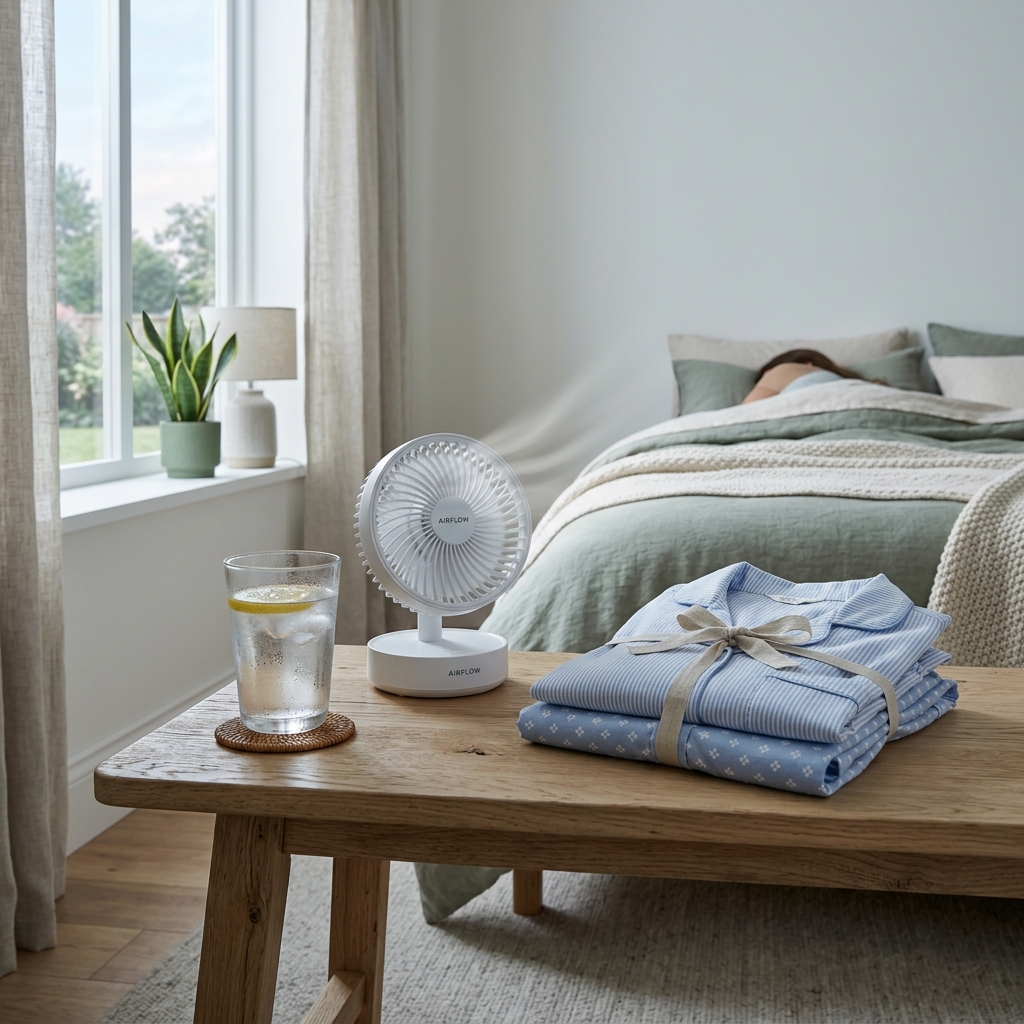

Waking up soaked in sweat is one of the most jarring — yet least talked about — surprises of early motherhood. Up to 70% of new mothers experience intense postpartum night sweats during the first six weeks after childbirth. This sudden shift from a peaceful sleep to waking up drenched isn’t a sign that something is wrong; it is your body’s incredibly efficient (if uncomfortable) way of resetting its thermostat after the physical marathon of pregnancy.
The sudden plunge in estrogen and progesterone, combined with the need to eliminate the excess fluid volume your body accumulated over nine months, triggers your hypothalamus to cool you down via intense sweating. While these night sweats can be deeply frustrating when you are already sleep-deprived, understanding the biological mechanics behind them makes it easier to cope until your hormones find their new baseline.
Key Takeaways
- Postpartum night sweats are caused by a sudden drop in estrogen and your body’s need to shed excess fluid from pregnancy.
- They typically peak during the first two weeks postpartum and resolve on their own by week six.
- Mothers who breastfeed often experience night sweats for a longer duration, as lactation keeps estrogen levels suppressed.
What Exactly Causes Postpartum Night Sweats?
Your body undergoes a massive physiological shift the moment the placenta is delivered. The primary drivers behind postpartum sweating at night boil down to three interconnected factors:
1. The Great Hormone Plunge
During pregnancy, your levels of estrogen and progesterone skyrocket to support your growing baby. Within 24 hours of delivery, those hormones drop precipitously. According to the Cleveland Clinic, this sudden estrogen crash mimics menopause. The drop temporarily confuses your hypothalamus — the part of the brain that regulates body temperature. It misinterprets your normal body temperature as being “too hot” and triggers severe sweating to cool you down.
2. Fluid Elimination
During pregnancy, a woman’s blood and fluid volume increases by roughly 50%. Once the baby is born, your body no longer needs this extra fluid. While a significant portion is eliminated through urine, a massive amount is expelled through your pores via sweat. This fluid shedding is most intense during the first few days and nights at home.
3. The Demands of Breastfeeding
Producing breast milk requires a tremendous amount of metabolic energy, which naturally raises your basal body temperature. Furthermore, the hormone prolactin (which stimulates milk production) suppresses estrogen. This means that if you are breastfeeding, your estrogen levels remain lower for longer, which can extend the duration of your night sweats.
Timeline: When Do They Start and How Long Do They Last?
Every recovery is unique, but dermatological and obstetric data point to a predictable timeline for most mothers.
💡 Pro Tip
Do not attempt to restrict your water intake in an effort to “sweat less.” Your body must eliminate the fluid, and sweating is simply the vehicle. Restricting water can lead to severe dehydration, especially if you are nursing. Drink to thirst at all times.
6 Proven Ways to Cope and Sleep Cooler
You cannot stop the hormonal shifts, but you can drastically improve your comfort levels. Try these actionable strategies to minimize the disruption to your sleep.
1. Layer Your Bedding Strategically
Instead of waking up and having to strip the entire bed, layer your sleep surface. Place a soft, absorbent towel or a cotton waterproof mattress pad under your body. If you wake up sweating, you simply toss the wet towel to the floor and go back to sleep on the dry sheets underneath.
2. Wear Moisture-Wicking Sleepwear
Avoid synthetic fabrics like polyester, which trap heat and moisture. Instead, invest in pajamas made from bamboo, lightweight cotton, or moisture-wicking athletic fabrics. These materials pull sweat away from your skin, preventing the shivering chill that often follows a hot flash.
3. Cool the Room (More Than You Think You Should)
Drop your bedroom thermostat to between 65°F and 68°F (18°C–20°C). Keep a fan pointed toward your side of the bed to ensure constant air circulation. A cooler ambient temperature prevents the hypothalamus from overreacting.
4. Keep Ice Water on the Nightstand
Sipping ice-cold water the moment you feel a hot flash coming on can sometimes stop it in its tracks by rapidly cooling your core temperature. It also replaces the critical fluids lost during the sweat.
5. Avoid Nighttime Triggers
Certain foods and drinks act as vasodilators, widening blood vessels and increasing body heat. Avoid caffeine, heavily spiced foods, and hot teas in the hours leading up to bedtime. If you need a warm drink, opt for lukewarm chamomile or peppermint tea.
6. Prep a “Sweat Station”
Keep a basket next to your bed containing a fresh pair of pajamas, a small dry towel, and unscented body wipes. When a sweat wakes you up, you can quickly towel off, change, and settle back into bed without having to turn on the bathroom lights and fully wake yourself up.
Is It Normal to Sweat During the Day, Too?
Yes. While they are colloquially called “night sweats” because they are most noticeable when you are wrapped in blankets, these hormonal hot flashes can strike at 2:00 PM just as easily as 2:00 AM. Many mothers report sudden waves of heat and sweating while nursing, carrying the car seat, or simply sitting on the couch.
The daytime coping mechanisms are similar: dress in layers you can easily shed, wear natural deodorant, and keep a cool beverage nearby at all times.
⚠️ When to Call Your Doctor
While night sweats are normal, they can occasionally mask an infection. Call your OB-GYN immediately if your sweating is accompanied by a fever higher than 100.4°F (38°C), severe chills, foul-smelling vaginal discharge, a hot/red breast (signs of mastitis), or if the sweats persist intensely past the 6-week postpartum mark.
Frequently Asked Questions
How long do postpartum night sweats last?
Postpartum night sweats typically last between two to six weeks. The intensity usually peaks within the first 14 days as your body sheds pregnancy fluids, gradually tapering off as your estrogen and progesterone levels stabilize.
Does breastfeeding make postpartum night sweats worse?
Yes, breastfeeding can prolong the duration of night sweats. Lactation requires the hormone prolactin, which naturally suppresses estrogen. Because low estrogen is the primary trigger for these hot flashes, nursing mothers may experience them for several months.
How much sweating is considered normal?
It is entirely normal to wake up with your pajamas and sheets completely soaked through. While it feels extreme, your body is effectively eliminating up to several pounds of retained water weight during those first few weeks.
Can I take medicine to stop postpartum sweating?
No medical treatment is recommended to stop normal postpartum sweating, as it is a necessary physiological process. Hormone replacement therapy is not advised immediately postpartum, especially if you are breastfeeding.
Will drinking less water stop the night sweats?
No, restricting fluids will not stop the sweating and is highly dangerous. Your body must eliminate the excess fluid regardless of your current intake. Drinking plenty of water is essential to prevent dehydration and support breast milk production.
Waking up drenched in the middle of the night is glamorous to absolutely no one, but it is a powerful reminder of how efficiently your body is working to heal and reset. Treat the sweats as a temporary inconvenience rather than a medical crisis. Keep your water cold, your pajamas breathable, and your expectations realistic. Within a few weeks, your internal thermostat will recalibrate, and you can return to enjoying whatever fragments of sleep your new baby allows.
Get our latest guides, news, and insights highlighted in your Google Search & AI Overviews.