


After the joys of welcoming a new baby, many mothers face the unexpected challenge of knee pain. This common issue can stem from hormonal changes, weight fluctuations, and altered physical activity, leaving many seeking relief. Understanding effective strategies to ease postpartum knee discomfort is crucial for regaining mobility and enhancing overall well-being during this transitional phase.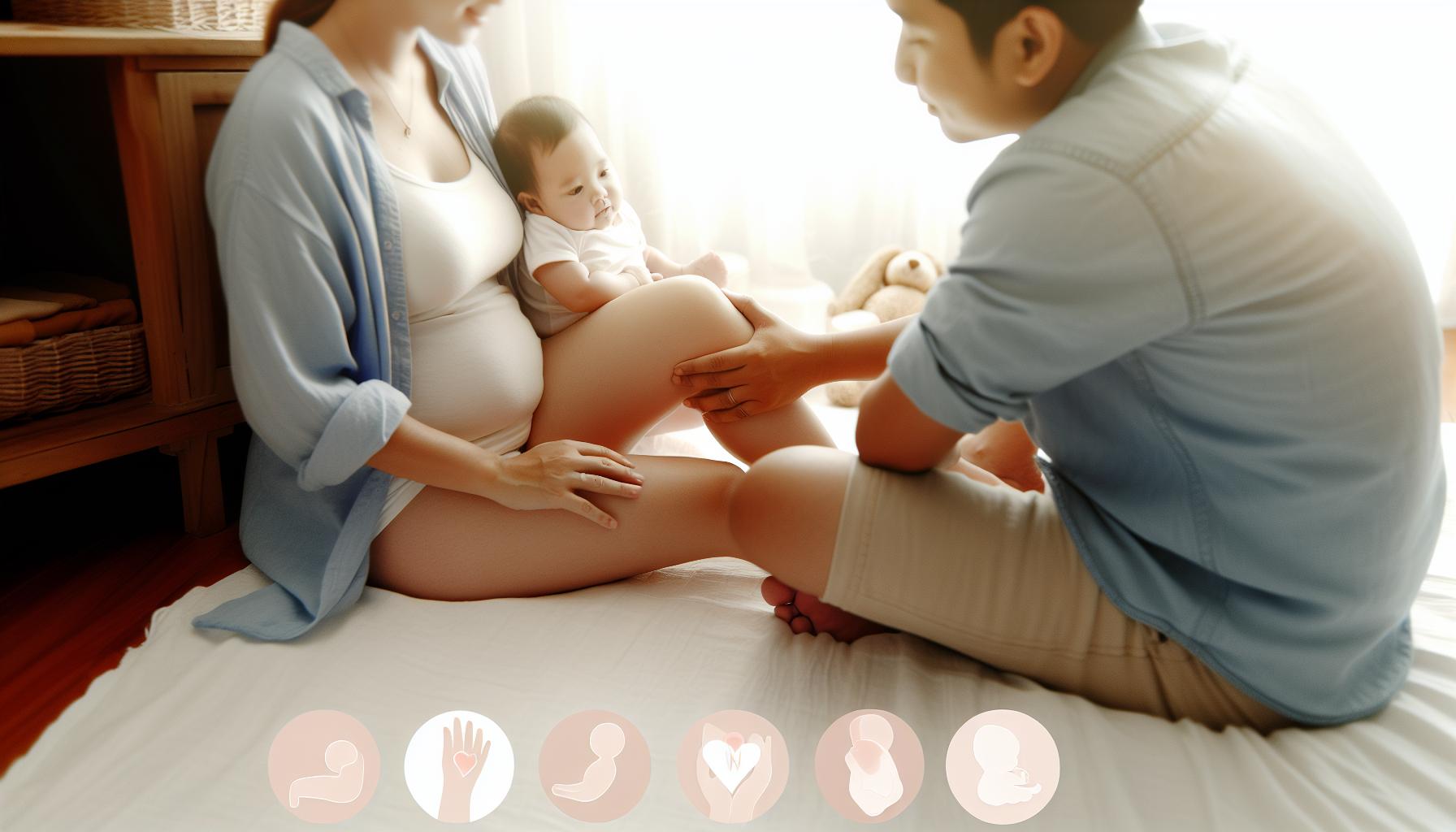
Understanding Postpartum Knee Pain: What Every New Mom Should Know
Many new moms experience postpartum knee pain due to the physical demands of pregnancy, including carrying extra weight and hormonal changes that affect joint stability. This discomfort can be disheartening, especially when adjusting to life with a newborn. Understanding the causes and implementing effective strategies can make a notable difference in managing this common issue.
Causes of Postpartum Knee Pain
postpartum knee pain can stem from several factors:
- Increased Weight: Gaining extra weight during pregnancy can put added strain on the knees.
- Hormonal Changes: Hormones like relaxin increase joint laxity, making knees more vulnerable to pain.
- Body Mechanics: The body’s adjustment to new postures during pregnancy and post-delivery can lead to improper alignment.
Effective Relief Strategies
There are several practical steps new moms can take to alleviate knee discomfort:
- Gentle Exercises: Engage in low-impact activities such as walking or swimming to strengthen surrounding muscles without overloading the joints.
- Physical Therapy: Working with a physical therapist can definitely help develop a tailored exercise program aimed at improving knee stability and reducing pain.
- Hot and Cold Treatments: Applying heat can relax tight muscles, while cold packs help reduce inflammation.
| Strategy | Benefit |
|---|---|
| Gentle Exercises | Improves strength and adaptability |
| physical Therapy | Personalized care for recovery |
| Hot and Cold Treatments | Reduces pain and inflammation |
Each mom’s experience with postpartum knee pain can vary widely. Therefore, understanding these factors and implementing relief strategies are crucial steps toward regaining comfort and mobility in daily activities.Always consult with healthcare professionals for a personalized plan that addresses individual circumstances.

Common Causes of Knee Pain After Childbirth: Insights for New Mothers
Understanding the Origins of Postpartum Knee Discomfort
Experiencing knee pain after childbirth is more common than many new mothers realise. During pregnancy, the body undergoes significant changes, including weight gain and hormonal fluctuations, which can lead to increased stress on the knee joints. As your body adjusts to postpartum life, these factors can manifest as discomfort or pain in the knees.
Key Factors Contributing to Postpartum Knee Pain
Several specific causes contribute to knee pain after childbirth, including:
- Weight Gain: Carrying extra weight during pregnancy can strain the knees, especially when transitioning back to normal activities.
- Hormonal Changes: Hormones such as relaxin loosen the ligaments and joints, increasing the risk of injury or pain.
- Changes in Posture: The physical demands of caring for a newborn can lead to poor posture, further stressing the knees.
- Muscle Weakness: pregnancy can weaken the muscles around the knee, especially the core and glute muscles, leading to instability.
practical Steps for Relief and Recovery
To combat postpartum knee pain, it’s essential to engage in tailored exercises that strengthen the muscles surrounding the knee. Incorporating low-impact strengthening routines can significantly aid recovery and prevent future discomfort. Here are some practical steps:
| exercise | Description | Frequency |
|---|---|---|
| Quad Sets | Sit with legs extended; contract thigh muscles,hold for 5 seconds. | 3 sets of 10 repetitions |
| Bridges | Lie on your back, knees bent; lift hips while squeezing glutes. | 3 sets of 10 repetitions |
| Wall Sits | Lean against the wall, slide down to 90 degrees; hold for 30 seconds. | 2-3 times a day |
By understanding the common causes of knee discomfort postpartum and actively engaging in targeted exercises, new mothers can effectively manage their knee pain and return to their daily activities with greater ease and confidence.
Practical Exercises to Alleviate Knee Discomfort Post-Pregnancy
Effective Exercises to Ease Postpartum Knee Pain
Engaging in specific exercises can be a game-changer for new moms experiencing knee discomfort following pregnancy. Incorporating gentle movements into your routine not only strengthens the muscles around the joint but also improves flexibility and reduces pain. Here are some effective exercises designed to alleviate postpartum knee pain:
- Leg Raises: While lying on your back, keep one leg straight and slowly lift it toward the ceiling. Hold for a few seconds before lowering it back down. Repeat 10-15 times per leg.This exercise strengthens your quadriceps without straining the knee.
- Heel Slides: Sit or lie on your back with your legs extended. Bend one knee and slide your heel toward your buttock, then slowly slide it back out. This helps improve flexibility in the knee joint.
- Wall Sits: Stand against a wall and slide down into a sitting position, holding for 15-30 seconds. This strengthens the thighs and helps stabilize the knee without putting excessive pressure on it.
- Straight Leg Raises: Lie on your side with your lower leg bent for support.With the top leg straight, lift it about 12 inches, holding briefly before lowering.This exercise targets the hip muscles, which contribute to knee stability.
building Strength and Mobility
Incorporating mobility and strength-building exercises can further assist in managing postpartum knee pain. Consider the following:
- Quadriceps Stretch: Stand and use a wall for balance. Bend one knee and bring your heel toward your buttock, holding onto your ankle. This stretch can relieve tightness in the front of the thigh.
- Calf Stretch: Stand facing a wall, place one foot behind you, and keep it straight while bending the front knee. This stretch targets the calf muscles, reducing strain on the knee.
- Bridges: Lie on your back with your knees bent. Lift your hips off the ground, squeezing your glutes at the top. Hold for a few seconds before lowering. This strengthens the glutes and hamstrings, supporting knee health.
Important Considerations
When embarking on these exercises, it’s crucial to listen to your body. Start slowly and increase intensity as your strength improves. If pain persists or worsens, it’s advisable to consult a healthcare professional for tailored advice.
Moreover, adding a regular routine of light activities such as walking can complement these exercises. Gradually increasing activity levels helps reduce knee discomfort and enhances overall physical well-being in the postpartum journey. Following these postpartum knee pain relief tips can empower new moms to regain strength and mobility effectively.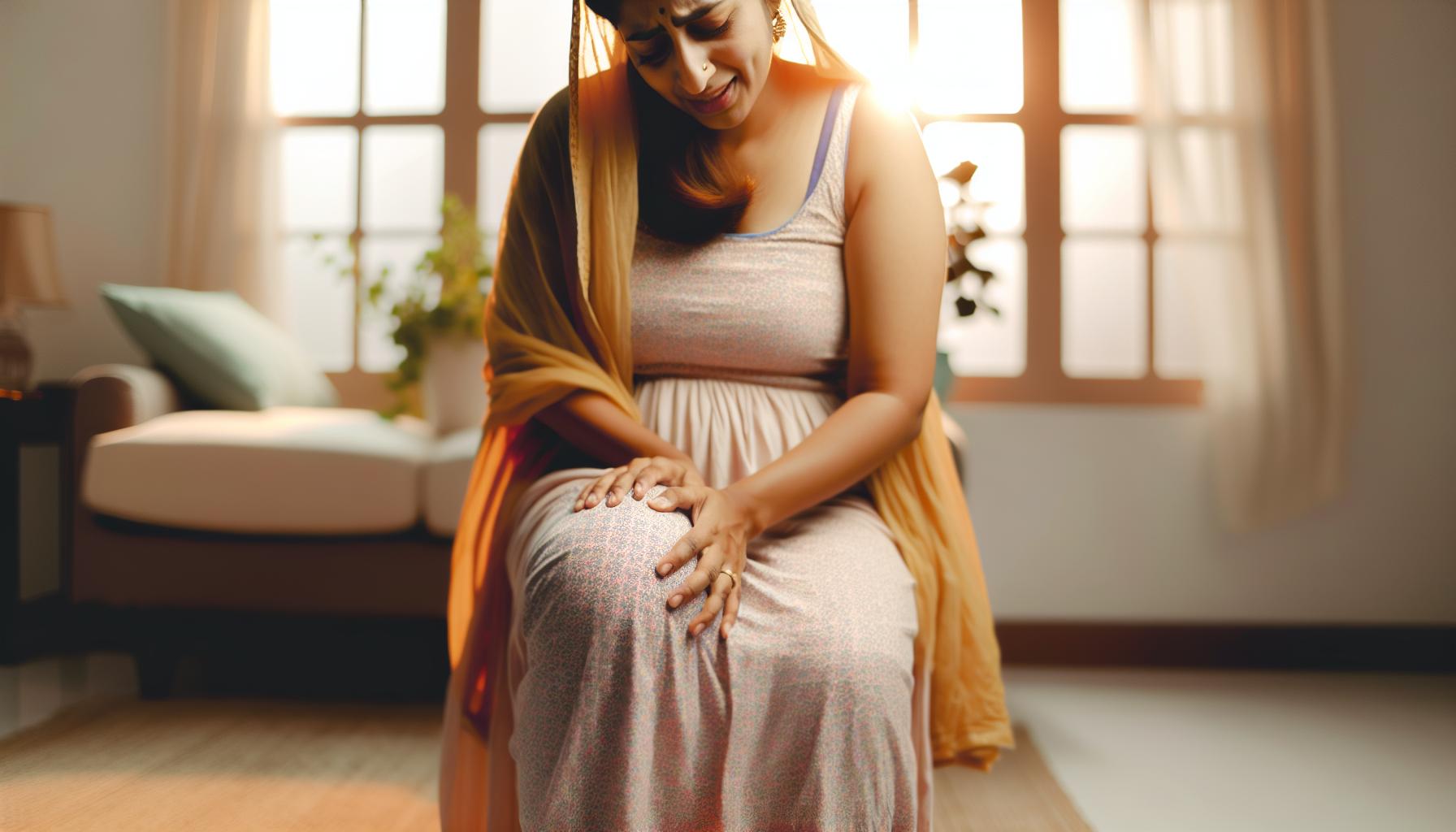
The Importance of Postpartum Care: Why Ignoring Knee Pain Isn’t an Option
Many new mothers experience knee pain following childbirth, a condition frequently enough underestimated or overlooked. Understanding the importance of managing this discomfort is crucial for overall postpartum wellness.When knee pain lingers unaddressed, it can lead to a cascading effect of issues, impacting not only physical health but also emotional well-being and daily functionality. Over time, persistent pain can hinder mobility, making it challenging to perform everyday tasks, such as carrying your baby or simply moving around your home. This can contribute to feelings of frustration and helplessness during what should be a joyful and bonding time with your newborn.
Ignoring postpartum knee pain can also lead to broader health implications. It may result in compensatory movements or postural adjustments that cause strain on other joints, such as the hips and lower back. many women report not just knee discomfort but *an increased prevalence* of hip and lower back pain as a secondary complication of ignoring initial knee issues. therefore,addressing knee pain promptly can help prevent a cycle of discomfort that disables a mother from fully engaging in her new role.
To actively manage postpartum knee pain, incorporating gentle exercises can be highly beneficial. Strengthening the muscles around the knee helps to stabilize the joint, alleviating pain and reducing the risk of future injuries. Here are some effective strategies you can adopt based on the relief tips every mom should know:
- Gentle stretching and strengthening: focus on exercises that target the quadriceps, hamstrings, and calf muscles.
- maintain a healthy weight: This can significantly reduce stress on your knees.
- Use hot and cold treatments: Apply heat to relax tight muscles and cold to reduce swelling and inflammation.
Recognizing postpartum knee pain as a legitimate concern rather than a trivial annoyance is essential for new mothers. By prioritizing your recovery, you not only enhance your physical health but also ensure a more enjoyable and fulfilling experience with your baby.Seek medical advice if pain persists, as this could signal underlying issues that require professional attention. incorporating these proactive measures will set the groundwork for a healthier and more active postpartum journey.
Tips for Finding the Right Supportive Gear for Your Knees
Finding the Right Supportive Gear for your knees
When navigating the challenges of postpartum knee pain, having the right supportive gear can make a significant difference in comfort and mobility. Many new mothers find that supportive braces, proper footwear, and practical accessories not only alleviate discomfort but also help prevent further injury. Here are some essential tips that can guide you in selecting the most effective gear for your knees.
- Prioritize Comfort: Choose knee braces that are sufficiently padded and breathable. Look for adjustable models to ensure a snug fit that doesn’t constrict blood flow.
- Consider the Level of Support: Different activities require varying levels of support. For everyday use, a lightweight, flexible brace is ideal, whereas higher-impact activities may need a more rigid design.
- Pay Attention to Footwear: Shoes with good arch support and cushioning can significantly reduce knee strain. Opt for shoes designed for stability and shock absorption. Avoid high heels and flip-flops as they can exacerbate knee pain.
- Try Compression Gear: Compression sleeves can definitely help improve circulation and reduce swelling. Many new mothers report feeling more stable and supported with these in place.
Making informed Choices
When selecting gear,read customer reviews and consult with healthcare providers for recommendations tailored to your specific needs. Many brands offer trial periods, so you can find what feels best for your body. By investing in quality supportive gear as part of your recovery journey, you can better manage postpartum knee pain and reclaim your active lifestyle.Remember, comfort and support should always be your top priorities in this process.
Nutrition and Recovery: Foods that Can Help Your Joints Heal
Foods That Can Help Your Joints Heal
Did you know that what you eat can significantly influence your joint health, especially postpartum? As new mothers navigate the challenges of postpartum knee pain, incorporating anti-inflammatory foods into their diets can provide crucial support in alleviating discomfort and promoting healing. Proper nutrition not only aids in recovery but can also enhance overall well-being.
To begin with, foods rich in omega-3 fatty acids are particularly beneficial for reducing inflammation in the joints. Incorporating options like salmon, walnuts, and chia seeds into your meals can help combat the swelling that often accompanies knee pain. Furthermore, *colorful fruits and vegetables*, such as berries, leafy greens, and bell peppers, are loaded with antioxidants, which can also aid recovery by fighting free radicals and lowering inflammation.
Key Foods for Joint Health
- Fatty Fish: Salmon, mackerel, and sardines
- Nuts and Seeds: Walnuts, flaxseeds, and chia seeds
- Leafy Greens: Spinach, kale, and Swiss chard
- Berries: Blueberries, strawberries, and blackberries
- Whole Grains: Brown rice, quinoa, and oatmeal
In addition to these foods, hydration plays a crucial role in joint health. Drinking plenty of water helps maintain synovial fluid, which lubricates the joints. Herbal teas, such as ginger and turmeric tea, can provide added anti-inflammatory benefits. Not only do these beverages hydrate, but they also contribute to pain relief, making them fantastic for moms dealing with postpartum knee pain.
a balanced diet enriched with lean proteins (like chicken and legumes) and healthy fats (such as avocado and olive oil) will support overall healing and muscle function. By taking a proactive approach in managing postpartum knee discomfort through diet, mothers can create a supportive recovery habitat that promotes joint healing and overall health.
When to Seek Professional Help: Recognizing Serious Symptoms in Postpartum Pain
Identifying Serious Symptoms
recognizing when postpartum knee pain escalates from a manageable discomfort to a cause for concern is crucial for new mothers. While it’s common to experience some level of pain or discomfort following childbirth, especially in the knees due to hormonal changes and physical strain, certain symptoms may indicate a more serious condition requiring professional intervention. For instance, if the knee pain is accompanied by swelling, heat, or redness, it could signal an inflammatory process or even an infection, which should be evaluated by a healthcare provider.
- severe Pain: If you find that your knee pain is debilitating and prevents you from performing daily activities such as caring for your newborn, it’s time to seek professional help.
- persistent Symptoms: Pain that does not improve over time or worsens, despite home care efforts like rest, ice, and over-the-counter pain relief, should be assessed by a doctor.
- Signs of Infection: fever, chills, and a feeling of general malaise accompanying knee pain may indicate an infection requiring immediate medical attention.
- Difficulty Moving: If you experience significant difficulty in bending or straightening your knee, it could suggest ligament or joint issues.
When to Take Action
It’s essential for new mothers to be proactive about their health,particularly when experiencing postpartum knee pain. Certain risk factors can contribute to severe symptoms, such as a history of knee injuries or pre-existing conditions like arthritis. If any of the aforementioned symptoms arise, consult with a healthcare professional who can conduct a thorough evaluation and recommend appropriate treatment options tailored to your specific situation.
| symptoms | Possible Conditions | Recommended Action |
|---|---|---|
| Severe pain that limits movement | Possible ligament injury or joint damage | Visit a doctor for an evaluation |
| Pain with swelling and warmth | Potential infection or blood clot | Seek immediate medical attention |
| persistent pain despite rest | Chronic condition or severe injury | Consult a healthcare provider |
By staying attuned to your body’s signals and not hesitating to seek help when symptoms escalate, you can ensure a healthier recovery period. This awareness not only aids in managing postpartum knee pain more effectively but also supports your overall well-being as a new mother.
Embracing Self-Care: Simple Strategies to Manage Pain While Parenting
Prioritizing Your Well-Being During Motherhood
Navigating the challenges of motherhood while dealing with postpartum knee pain can feel overwhelming. Many new moms experience physical difficulties in the weeks and months following childbirth, but understanding that self-care is vital for both your recovery and your ability to care for your baby is key. Incorporating simple yet effective strategies can significantly alleviate discomfort, enhancing your overall well-being and parenting experience.
To manage postpartum knee pain effectively, consider these strategies:
- engage in Gentle exercise: Incorporating light exercises such as stretching, walking, or postpartum yoga can help strengthen the muscles around your knees, improving stability and reducing pain. Modules focused on pelvic stability or low-impact aerobics can be particularly beneficial.
- Utilize Heat Therapy: Applying a warm compress or heating pad to sore knees may help soothe stiffness. Aim for 15–20 minute sessions to maximize relief.
- Practice Mindfulness and Relaxation: Techniques such as deep breathing,meditation,or even short naps can help manage stress,which can exacerbate pain.Consider dedicating a few moments each day to reconnect with your breath and ground yourself mentally.
Creating a Supportive Environment
It’s crucial to set up a supportive environment that accommodates your needs as you recover from knee pain. Ensuring easy access to essentials—diapers, wipes, and snacks—within arm’s reach can minimize unnecessary bending or lifting, which could strain your knees. Also, consider enlisting help from partners or family members for daily tasks; delegating responsibilities can provide much-needed relief.
| Tips for Managing postpartum Knee Pain | Actionable Steps |
|---|---|
| gentle Movement | Engage in postpartum-approved exercise programs (like walking or yoga) 3–4 times a week. |
| Heat therapy | Use a heating pad for 15–20 minutes, as needed, to ease tightness. |
| Stress Management | Incorporate mindfulness practices into your daily routine, even if just for a few minutes. |
Embracing these self-care tips can make a world of difference as you navigate postpartum knee pain. By prioritizing your health and well-being, you not only facilitate your recovery but also empower yourself to be the present and attentive parent your child needs.
Frequently Asked Questions
What is Postpartum Knee Pain?
Postpartum knee pain is a common condition experienced by new mothers due to hormonal changes and physical stress during pregnancy.
As your body adjusts after childbirth, the extra weight and physical strain can lead to discomfort in the knees. It’s important to recognize that this pain can stem from multiple factors, including hormonal shifts and the return of joint stability after pregnancy.
How to relieve Postpartum Knee Pain?
To relieve postpartum knee pain, consider gentle exercises, using hot or cold compresses, and foam rolling.
incorporating low-impact exercises like walking or swimming can help strengthen the muscles around your knees while minimizing stress. Using a foam roller or massage balls can also aid in muscle recovery and relieve tension.
Why does Postpartum Knee Pain occur?
Postpartum knee pain occurs due to hormonal changes and physical demands placed on the body during pregnancy and childbirth.
Women frequently enough experience joint laxity from hormonal shifts that help prepare the body for labor. after delivery, as hormone levels drop, the knees can feel the impact of the previous strain and changes, leading to discomfort.
Can I prevent Postpartum Knee Pain?
Yes, you can prevent postpartum knee pain by maintaining a healthy weight and engaging in regular, low-impact exercise.
In addition to physical activity, postural awareness and proper body mechanics when lifting your baby can significantly minimize strain on your knees. Activities such as yoga and barre classes can also aid in strengthening core and leg muscles.
When should I see a doctor for Postpartum Knee Pain?
You should see a doctor if your postpartum knee pain is severe, persists beyond a few weeks, or is accompanied by swelling or fever.
While many cases of knee pain can be managed at home, it’s vital to consult your healthcare provider if you experience escalating symptoms. Your doctor can definitely help determine if there’s an underlying condition that needs addressing.
What exercises are best for Postpartum Knee Pain?
Gentle exercises such as walking, swimming, and specific stretching routines can effectively alleviate postpartum knee pain.
Strengthening exercises that target the quadriceps, hamstrings, and glutes will support your knees. Engage in activities that are enjoyable and supportive of recovery; seeking guidance from a physical therapist or specialized programs can enhance your recovery.
What are some home remedies for Postpartum Knee Pain?
Home remedies for postpartum knee pain include using ice packs,gentle stretching,and hot baths.
Applying ice to swollen areas for 15-20 minutes can reduce inflammation, while heat can increase blood flow and relieve stiffness. Try integrating these practices into your daily routine to find what works best for you.
Closing Remarks
postpartum knee pain is a common experience for many new moms, stemming from the physical changes and demands of motherhood. By incorporating gentle exercises, focusing on muscle strength around the knees, and utilizing hot and cold treatments, you can significantly alleviate discomfort and regain your strength. Remember,it’s important to listen to your body and seek medical advice if pain persists. You’re not alone in this journey—connect with others, share your experiences, and explore further resources to support your recovery. With the right knowledge and strategies at hand, you can navigate through postpartum challenges and embrace the beautiful moments of motherhood with confidence and ease. Keep caring for yourself, as it nurtures not just you, but also your growing family.
Get our latest guides, news, and insights highlighted in your Google Search & AI Overviews.


