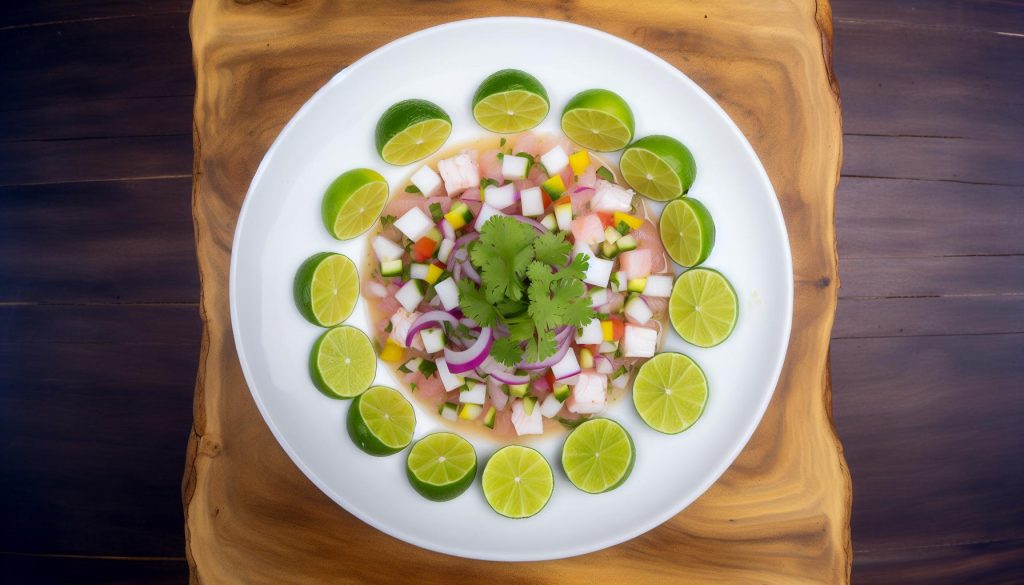

For new mothers, nutritious choices during breastfeeding can feel overwhelming, especially when it comes to seafood delicacies like ceviche. This vibrant dish, while refreshing, poses potential health risks due to raw fish. Understanding these risks and taking necessary precautions can help you enjoy your favorite flavors safely while nurturing your little one.
Understanding Ceviche: A Guide for New Moms
Did you know that ceviche has been enjoyed for centuries and is a popular dish across latin America? This delightful seafood dish, typically made from raw fish marinated in citrus juices, offers a burst of flavor and nutrition. However, new moms often find themselves navigating a maze of dietary considerations, asking themselves, “Can you eat ceviche while breastfeeding?” Understanding the intricacies of this dish can help ensure both mother and baby stay healthy and safe.
What Is Ceviche?
Ceviche is a dish that not only tantalizes the taste buds but is also rich in essential nutrients. Traditionally,it consists of fresh,raw fish or seafood such as shrimp,scallops,or octopus that are “cooked” in acidic citrus juices,often lime or lemon.The process of marination not only infuses flavor but also begins to change the proteins in the fish, giving it a firm texture. if you’re considering ceviche while breastfeeding, it’s crucial to acknowledge both its benefits and potential risks.
Nutritional benefits
Ceviche can be a nutrient-dense option. It typically contains high-quality protein, omega-3 fatty acids, and vitamins. Here are some nutritional highlights that might pique your interest:
- Protein: Vital for both mothers and developing babies.
- Omega-3s: Known for their benefits in promoting brain health and reducing inflammation.
- vitamins: Rich in vitamins A and D, which are essential for immune function and bone health.
Understanding the Risks
While ceviche has many nutritional benefits, there are important precautions to take when considering it as part of your diet while breastfeeding. One of the main concerns is the risk of exposure to harmful bacteria or parasites that can thrive in raw seafood.Additionally, certain types of fish have higher levels of mercury, which can be passed to your baby through breast milk. Here are key risks to be aware of:
| Type of Risk | Explanation |
|---|---|
| Contaminants | Raw seafood may contain harmful bacteria or viruses that can affect you and your baby. |
| Mercury Exposure | Consuming certain fish can expose your baby to elevated mercury levels. |
It’s essential to source ceviche from reputable restaurants or make it at home with high-quality, fresh ingredients. If you are uncertain about specific fish types or planning methods, consulting with a healthcare provider can offer personalized advice tailored to your needs as a new mom. With the right information and care, you can safely enjoy ceviche while breastfeeding, making it a flavorful addition to your diet.
Nutritional Benefits of Ceviche and Breastfeeding
Ceviche, a tantalizing dish made from fresh fish or seafood marinated in citrus juices, not only delights the palate but also boasts an notable nutritional profile. For nursing mothers, understanding the nutritional benefits of ceviche can provide insights into whether to incorporate this dish into their diets while breastfeeding.
High-Quality Protein Source
Ceviche is primarily composed of fish or shellfish, which are excellent sources of high-quality protein. Protein is vital for postpartum recovery and the production of breast milk. It aids in the repair of tissues, supports immune function, and contributes to the overall health of both mother and baby.
- Enhances muscle recovery: The amino acids in protein help in the rebuilding of muscle tissue after childbirth.
- Supports milk production: Adequate protein intake is crucial for maintaining an ample supply of breast milk.
Rich in Omega-3 Fatty Acids
Seafood is known for its omega-3 fatty acids, especially DHA (docosahexaenoic acid), which is essential for the development of the baby’s brain and eyes. Consuming ceviche made from fatty fish can significantly boost a breastfeeding mother’s omega-3 levels.
| fish Type | Omega-3 Content (grams per 100g) |
|---|---|
| Salmon | 2.3 |
| Sardines | 2.2 |
| Tuna (Albacore) | 1.5 |
Incorporating omega-3 fatty acids into a breastfeeding diet can enhance cognitive development and may even reduce the risk of certain allergies in infants.
Vital Vitamins and Minerals
Ceviche is also a rich source of essential vitamins and minerals. Ingredients like lime juice, cilantro, and various vegetables contribute not only flavor but also vital nutrients such as vitamin C, which is crucial for immune function and absorption of iron, and zinc, important for growth and development.
- vitamin C: Helps in collagen formation and boosts the mother’s and baby’s immune systems.
- Zinc: Supports cellular metabolism and is vital for a baby’s growth and development.
For nursing mothers asking, “Can you eat ceviche while breastfeeding?” understanding the nutritional benefits can guide them in making informed dietary choices. By choosing fresh, high-quality ceviche made with safe seafood, mothers can enjoy a flavorful meal that supports their health and the well-being of their baby.
Potential Risks of Eating Ceviche While Nursing
Understanding the Risks Involved
For many nursing mothers, the appeal of ceviche lies in its fresh flavors and vibrant presentation.However, a crucial aspect to consider is the potential health risks associated with consuming this dish. Ceviche, which typically involves raw fish or seafood marinated in citrus juices, poses unique challenges for nursing mothers. These challenges frequently enough stem from the vulnerability of the infant’s developing immune system and the potential for foodborne illnesses and bacterial infections that can result from improperly prepared seafood.
Common Health Concerns
One of the primary concerns when asking if you can eat ceviche while breastfeeding revolves around the risk of foodborne pathogens such as bacteria and parasites. Consuming raw or undercooked seafood can lead to illnesses like salmonella, vibrio, or listeria which can severely affect both the mother and nursing child. Below are specific risks to be aware of:
- Exposure to Heavy Metals: Certain fish may contain high levels of mercury and other toxins that can potentially affect your baby’s neurological development.
- Foodborne Illness: Bacteria and parasites present in raw seafood can lead to severe gastrointestinal issues that may require medical intervention.
- allergic Reactions: Introducing new foods such as ceviche while breastfeeding could lead to allergic reactions in sensitive infants.
Best Practices to Mitigate Risks
If you decide to indulge in ceviche while nursing, it’s vital to take certain precautions to minimize health risks. Here are actionable steps to ensure safety:
| Precaution | Description |
|---|---|
| Source Selection | Only purchase ceviche from reputable restaurants or markets that adhere to strict health guidelines. |
| Types of Fish | Avoid high-mercury fish like swordfish or shark; choose safer alternatives like shrimp or tilapia. |
| Consult with Your Doctor | Discuss your dietary choices with a healthcare provider to tailor advice to your individual health needs. |
Taking these precautions allows you to enjoy ceviche while breastfeeding, but always stay informed about potential risks. By remaining vigilant, you can better protect your health and that of your little one, ensuring that your culinary adventures do not come at a cost.
Expert Recommendations on Seafood Consumption
Ceviche, a delightful dish celebrated for its freshness and zesty flavors, often raises questions for breastfeeding mothers. Ensuring that dietary choices are safe and nutritious during this critical time is paramount. Experts recommend navigating this culinary landscape with caution, especially regarding the consumption of raw seafood like ceviche.
Guidelines for Seafood Safety
When considering seafood in your diet while breastfeeding, attention to quality and preparation is essential.Here are some expert guidelines to follow:
- source Wisely: Always choose seafood from reputable suppliers who follow safe handling and storage practices to minimize the risk of contamination.
- Stay Informed: Research the types of seafood that are lower in mercury and other toxins, as these can affect both maternal health and breastfeeding.
- cook Thoroughly: Opt for cooked seafood whenever possible. Cooking seafood properly eliminates harmful pathogens that can be present in raw varieties.
- Portion Control: Limit consumption of shellfish and certain types of fish that are potentially high in mercury, such as shark, swordfish, and king mackerel.
Choosing Ceviche Wisely
If you find yourself craving ceviche, consider these practical tips before indulging:
| Tip | Description |
|---|---|
| Check the Acidification | The fish should be marinated in citrus juices for a sufficient time to effectively “cook” it through acidification. |
| Use Fresh Ingredients | Look for ceviche prepared that day using ultra-fresh fish for the best safety and flavor. |
| Avoid Cross-Contamination | Ensure that utensils and surfaces used for preparing ceviche are clean to prevent bacterial contamination. |
| Allergy Awareness | Be cautious with additional ingredients (like avocado or hot peppers) that may trigger allergies for you or your baby. |
Incorporating these expert recommendations while considering ceviche in your diet can enhance safety and enjoyment, allowing you to savor the unique flavors without compromising health. Always consult with healthcare providers or nutritionists if you have specific concerns about raw seafood during breastfeeding,ensuring that your choices are best for you and your baby.
How to Choose Safe Ingredients for ceviche
When indulging in the zesty and refreshing flavors of ceviche, you might wonder about its safety, especially during sensitive periods like breastfeeding. Choosing the right ingredients is crucial not only for flavor but also to ensure the dish is safe to consume. Here’s how to navigate the process of selecting safe components for your ceviche.
1. Select Fresh Seafood
The foundation of any great ceviche is fresh seafood. To minimize the risk of foodborne illnesses—critical for breastfeeding mothers—opt for high-quality ingredients sourced from reputable suppliers. When selecting fish,consider:
- Seasonality: Fresh fish is often better during certain seasons. Check local guides to find out what’s in season.
- Source: Purchase seafood from trusted fishmongers or known supermarkets, which adhere to health regulations.
- Inspection: Ensure the fish is bright,firm,and smells like the ocean—not fishy. Avoid any seafood that looks discolored or has a mushy texture.
2. Be Mindful of Types of Fish
Not all fish are created equal, especially regarding safety and mercury levels. Some fish are lower in mercury and considered safer for consumption during breastfeeding. Here’s a table to illustrate safer options:
| Type of Fish | Mercury Levels | Comments |
|---|---|---|
| Wild-Caught Salmon | Low | Rich in Omega-3 fatty acids, great for infants’ development. |
| Sardines | Low | high in nutrients; perfect for ceviche. |
| Tilapia | Low | Affordable and readily available. |
| Shark, Swordfish, King Mackerel | High | Avoid these due to high mercury levels. |
3. Incorporate Fresh Accompaniments
In addition to seafood,ceviche typically features a variety of fresh vegetables and herbs. These ingredients can enhance flavor while contributing crucial nutrients. Ensure that:
- Vegetables: Choose organic produce when possible to reduce pesticide exposure, especially for ingredients like onions and peppers.
- Herbs: Cilantro and other herbs should be fresh and well washed to eliminate residues or contaminants.
- Acidic Elements: Lime or lemon juice not only adds flavor but also has natural antimicrobial properties.
when pondering “Can You Eat Ceviche While Breastfeeding? Risks and Precautions,” focusing on fresh and safe ingredient choices can ensure a delightful and worry-free experience. Always prioritize quality and freshness to create a ceviche that is as safe as it is delicious.
Listening to Your Body: Signs to Watch For
Understanding Your Body’s Signals
Pregnancy and breastfeeding create a unique landscape of physical changes that can leave many women wondering,“Can you eat ceviche while breastfeeding?” Being attuned to your body is crucial during this period,as it can definately help you navigate the complexities of dietary choices and their potential impacts. Everyone’s body reacts differently to foods, especially those that carry certain risks. paying attention to the subtle signs your body gives you can definitely help you make informed decisions about what to consume.
- Digestive Discomfort: If after consuming ceviche, you experience bloating, gas, or abdominal pain, it could be an indication that your body is struggling to process raw seafood.
- Allergic Reactions: Be alert for symptoms like itching, swelling, or difficulty breathing after eating ceviche. If you notice these signs, it is vital to seek medical attention immediately.
- Changes in Milk Supply: A sudden decrease in milk production can sometimes indicate that your body is reacting negatively to foods. Monitor your output, and consider what you’ve eaten recently if you notice a decline.
When deciding whether to include dishes like ceviche in your breastfeeding diet, consider consulting with a healthcare provider, particularly if you have a history of food sensitivities or allergies. It’s also essential to track how you feel after eating potentially risky foods. Keeping a food diary can be an excellent strategy for spotting patterns in your reactions, allowing for more informed dietary choices.
Reactions and Adjustments
It’s important to understand that not all reactions to food are immediate. Some might manifest over time, making it vital to monitor any changes in your overall wellbeing. Here’s a small overview of potential delayed reactions that could stem from seafood consumption:
| Delay Time | Possible Reaction |
|---|---|
| 1-2 hours | Gastrointestinal discomfort, nausea |
| 24 hours | Skin rashes or hives |
| 2-3 days | Subtle changes in milk quality and quantity |
By being mindful of these signs and documenting your experiences, you can take proactive steps toward adjusting your diet. Remember, if your body signals distress or unease after consuming ceviche or any other food, prioritize your health and consult a professional for guidance. This careful tuning into your body’s feedback is essential in ensuring that your breastfeeding journey remains healthy and fulfilling.
Alternatives to Ceviche for Flavorful, Safe Eating
Discover Flavorful Alternatives to Ceviche
While ceviche offers a refreshing and zesty culinary experience, breastfeeding mothers may be looking for safer alternatives that still provide a burst of flavor without the associated risks of consuming raw seafood. Fortunately, there are delightful options that capture the essence of ceviche without compromising safety or nutrition.
- Marinated Vegetables: Try a medley of bell peppers, red onions, tomatoes, and cucumbers marinated in lime juice, garlic, and cilantro. This colorful dish not only offers a great crunch but also a vibrant flavor profile similar to traditional ceviche.
- Fruit Salsa: Combine diced mango, pineapple, and avocado with lime juice and jalapeño for a fruity twist. This salsa can elevate grilled chicken or fish while adding a tropical flair to your meals.
- Cooked Shrimp Salad: Use lightly cooked shrimp mixed with avocado,mango,and a drizzle of lime vinaigrette. This dish retains the oceanic flavor of ceviche without the risks that come with raw seafood.
- Tofu or Tempeh Ceviche: for a vegetarian or vegan option, marinate tofu or tempeh in citrus juice, herbs, and spices. This variation mimics the texture of fish while ensuring safety.
Nutritional Considerations
exploring alternatives doesn’t mean sacrificing nutrition.Each of these options can be packed with essential vitamins and minerals to support both mom and baby. As a notable example, avocado is rich in healthy fats and folate, beneficial for breastfeeding mothers.
| Option | Main Ingredients | Key Nutritional Benefits |
|---|---|---|
| Marinated Vegetables | Bell peppers, onions, tomatoes, cucumbers | High in vitamins A and C, fiber |
| Fruit Salsa | Mango, pineapple, avocado | Rich in vitamins, healthy fats |
| Cooked Shrimp Salad | Shrimp, avocado, lime | Good source of protein, omega-3s |
| Tofu or Tempeh Ceviche | Tofu or tempeh, citrus, herbs | High in protein, iron, and calcium |
by choosing these flavorful alternatives, mothers can enjoy a variety of safe and satisfying meals while still being mindful of the critically important considerations related to breastfeeding. Each dish reflects creativity and care for one’s health, making the journey of motherhood even more delicious.
Frequently Asked questions About Seafood and Breastfeeding
Common Concerns About Seafood During Breastfeeding
When it comes to seafood, many new mothers have questions about safety and nutrition while breastfeeding. One of the most frequently asked questions is whether it’s safe to consume dishes like ceviche, which frequently enough contain raw or lightly cured fish. Understanding the associated risks and precautions can help mothers make informed dietary choices while caring for their infants.
- Is there a risk of foodborne illness from seafood? Yes, seafood can carry bacteria and parasites, especially if it’s not cooked properly. Raw fish, such as that used in ceviche, may pose risks to both mother and baby. Pregnant and breastfeeding women are often advised to avoid raw or undercooked seafood to minimize the potential for foodborne illnesses.
- What about mercury levels in seafood? Different seafood has varying mercury levels, which can affect breast milk. It’s vital to choose lower-mercury fish like salmon, sardines, and shrimp, while avoiding high-mercury options such as shark, swordfish, or king mackerel.
- Can ceviche be made safe for breastfeeding mothers? It’s possible to prepare a cooked version of ceviche, using fully cooked seafood and safe ingredients to reduce health risks. This way, mothers can enjoy the flavor without the associated dangers of raw fish.
Addressing Allergies and Sensitivities
Some mothers may be concerned about potential seafood allergies, especially if there is a family history of allergies. It’s important to introduce seafood slowly into your diet to monitor for any allergic reactions in both mother and baby. Here are some strategies to consider:
- Gradual Introduction: Start with small amounts of well-cooked,low-mercury fish while breastfeeding to see if there’s any reaction.
- Consult Your Doctor: If there is a history of allergies, it’s advisable to seek guidance from a healthcare provider.
- Watch for Signs: Be vigilant for symptoms in your baby, such as rashes or gastrointestinal issues after exposure to seafood.
Making Informed Choices
Being informed about the seafood you choose is crucial for breastfeeding mothers. To make safe and nutritious choices, consider this helpful overview of seafood types:
| Seafood Type | Mercury Level | Safety for Breastfeeding |
|---|---|---|
| Salmon | Low | Safe, can be consumed regularly |
| Sardines | Low | Safe, offers high omega-3s |
| Shark | High | Avoid altogether |
| Shrimp | Low | Safe, great source of protein |
| Shellfish | Varies | Cook thoroughly, then check for personal sensitivities |
By understanding the risks and making appropriate choices, you can enjoy seafood while breastfeeding without compromising your health or that of your baby. Always prioritize safety and consult with healthcare professionals when in doubt.
Frequently asked questions
Can You Eat ceviche While Breastfeeding? Risks and Precautions?
Yes, you can eat ceviche while breastfeeding, but it comes with certain risks. It’s important to ensure that the seafood used is fresh and properly prepared to avoid foodborne illnesses that could affect both you and your baby.
Ceviche contains raw fish marinated in citrus juice,which *can harbor harmful bacteria* and parasites. Pregnant and breastfeeding women are frequently enough advised to avoid raw or undercooked seafood. If you choose to eat ceviche, look for reputable restaurants or make it at home using safe and high-quality ingredients. Always prioritize your health and your baby’s well-being.
What are the risks of eating ceviche while breastfeeding?
The main risks include potential exposure to bacteria and parasites found in raw seafood. These pathogens might lead to foodborne illnesses which could be transmitted through breast milk.
Common bacteria such as Salmonella or Listeria can be harmful, affecting your health and potentially causing issues for your baby. If you’re considering ceviche,it’s crucial to ensure that the fish is sourced from a reputable place and is handled safely. Always consult with a healthcare provider for personalized advice.
Why does ceviche contain risks for breastfeeding mothers?
Ceviche is made with raw fish, which can expose you to health risks that increase when breastfeeding. Bacteria and parasites can lead to gastrointestinal infections that not only affect you but could also have implications for your baby’s health.
The nutritional benefits of fish are widely accepted; however, the risk of eating it raw necessitates thorough caution. Properly cooked seafood is an excellent source of omega-3 fatty acids that are beneficial during breastfeeding.Opting for alternatives like fully cooked seafood might be a safer choice.
Can I prepare ceviche at home while breastfeeding?
Yes, making ceviche at home is an option, but you must take great care in selecting and handling the ingredients. Always use *fresh, high-quality fish* and ensure proper marination times to minimize risks.
When preparing ceviche, consider freezing the fish beforehand to kill any potential parasites, as recommended by food safety guidelines. Additionally, make sure to maintain clean kitchen practices to prevent cross-contamination. If you’re looking for safe seafood recipes, check our [healthy seafood options for breastfeeding](#) guide.
What should I look for when choosing ceviche while breastfeeding?
Choose ceviche made from fresh, high-quality fish and prepared in a safe habitat. Always opt for reputable restaurants with good hygiene standards over questionable establishments.
Look for ceviche that has been marinated properly in citrus juice, as the acidity can help reduce risks. You might also want to ask the chef how the fish was handled. Remember, your safety is paramount, and taking these precautions can make a meaningful difference.
How can I enjoy seafood safely while breastfeeding?
Enjoying seafood while breastfeeding can be safe if you focus on fully cooked options. aim for fish low in mercury, such as salmon and sardines, to gain the nutritional benefits without high risk.
Cooking seafood to an internal temperature of 145°F (63°C) ensures safety. Explore various preparations like grilling, baking, or steaming.if you enjoy ceviche flavors, consider making a cooked version using shrimp or scallops, marinated in citrus for *similar taste without the raw seafood risks*.
Are there alternatives to ceviche for breastfeeding mothers?
Yes, there are many safe alternatives to ceviche that provide similar flavors without the risks associated with raw seafood. You might try grilled or poached fish salads with citrus dressings.
Seafood dishes like shrimp tacos, baked fish with salsa, or even cooked aji de gallina can be delightful substitutes. These options not only ensure safety but also offer *rich flavors* and nutrition for you during this crucial time of breastfeeding.
To Conclude
navigating your dietary choices while breastfeeding can feel overwhelming, especially when it comes to foods like ceviche. It’s essential to weigh the delicious allure of this dish against the potential risks, ensuring that both you and your baby stay healthy and happy. By understanding the importance of choosing fresh, high-quality ingredients and the need for proper food safety, you can enjoy your culinary favorites with confidence.
Remember, every parenting journey is unique, and what works for one family may not work for another. Trust your instincts, consult with healthcare providers when needed, and don’t hesitate to explore new options that align with your family’s lifestyle. We encourage you to reach out,share your experiences,and continue learning together in this stunning,sometimes challenging,adventure of parenthood. Your well-being and that of your little one are what truly matter!
Get our latest guides, news, and insights highlighted in your Google Search & AI Overviews.