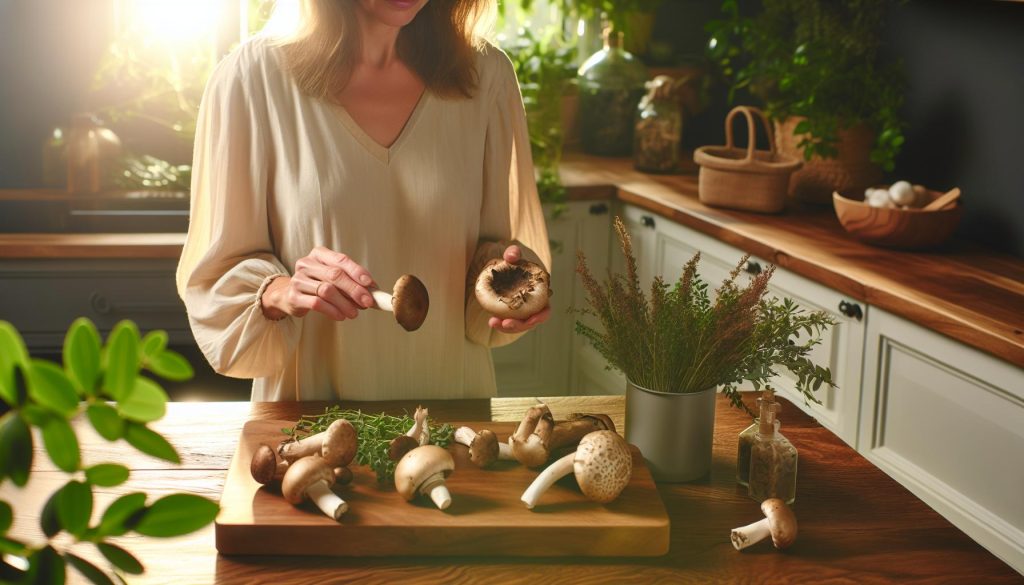

As a new mother, the question of whether certain foods are safe while nursing can be overwhelming. Mushrooms, packed with nutrients and flavor, often raise concerns among breastfeeding moms. This article unpacks the nutritional benefits and safety tips for incorporating mushrooms into your diet, ensuring both you and your baby thrive during this crucial time.
Understanding the Nutritional Benefits of Mushrooms for New Moms
Did you know that mushrooms are not just flavorful additions to your meals but also nutritional powerhouses? for new moms who are breastfeeding, incorporating mushrooms into your diet can provide numerous health benefits, helping to support both you and your baby during this crucial time.
Nutritional Profile of Mushrooms
Mushrooms are low in calories yet high in essential nutrients, making them an excellent choice for postpartum nutrition. Here’s a snapshot of their extraordinary nutritional profile:
| Nutrient | Benefits |
|---|---|
| Vitamin D | Supports bone health and immune function,critical for postpartum recovery. |
| B Vitamins | Enhance energy levels and help with mood stabilization. |
| Minerals | Contains potassium, selenium, and copper, which are essential for overall health. |
| Antioxidants | Help fight oxidative stress, supporting mental well-being during the postpartum period. |
How Mushrooms Support Breastfeeding Moms
Breastfeeding often presents new nutritional challenges, and mushrooms can play a beneficial role. The unique composition of mushrooms aids new moms in various ways:
- Boosting Immunity: The polysaccharides found in mushrooms,notably beta-glucans,can strengthen the immune system,which is especially valuable when navigating the stresses of new motherhood.
- Improving Mood: certain mushrooms,like shiitake and maitake,are rich in B vitamins,which can definitely help enhance mood and reduce feelings of anxiety or fatigue.
- Supporting Digestive Health: Mushrooms are a good source of dietary fiber, promoting a healthy digestive system that is vital after childbirth.
- Enhancing Flavor Without Extra Calories: As a low-calorie food, mushrooms can enhance the taste of various dishes, allowing new moms to enjoy meals without worrying about excess caloric intake.
Incorporating a variety of mushrooms into your meals can effectively increase nutrient intake while still enjoying flavorful dishes. Whether you toss them in a stir-fry, add them to soups, or enjoy them grilled, the possibilities are endless. So, the next time you ask yourself, “Can I eat mushrooms while breastfeeding?” remember that these fungi can be both appetizing and beneficial for your health, your energy, and your well-being during this transformative stage of life.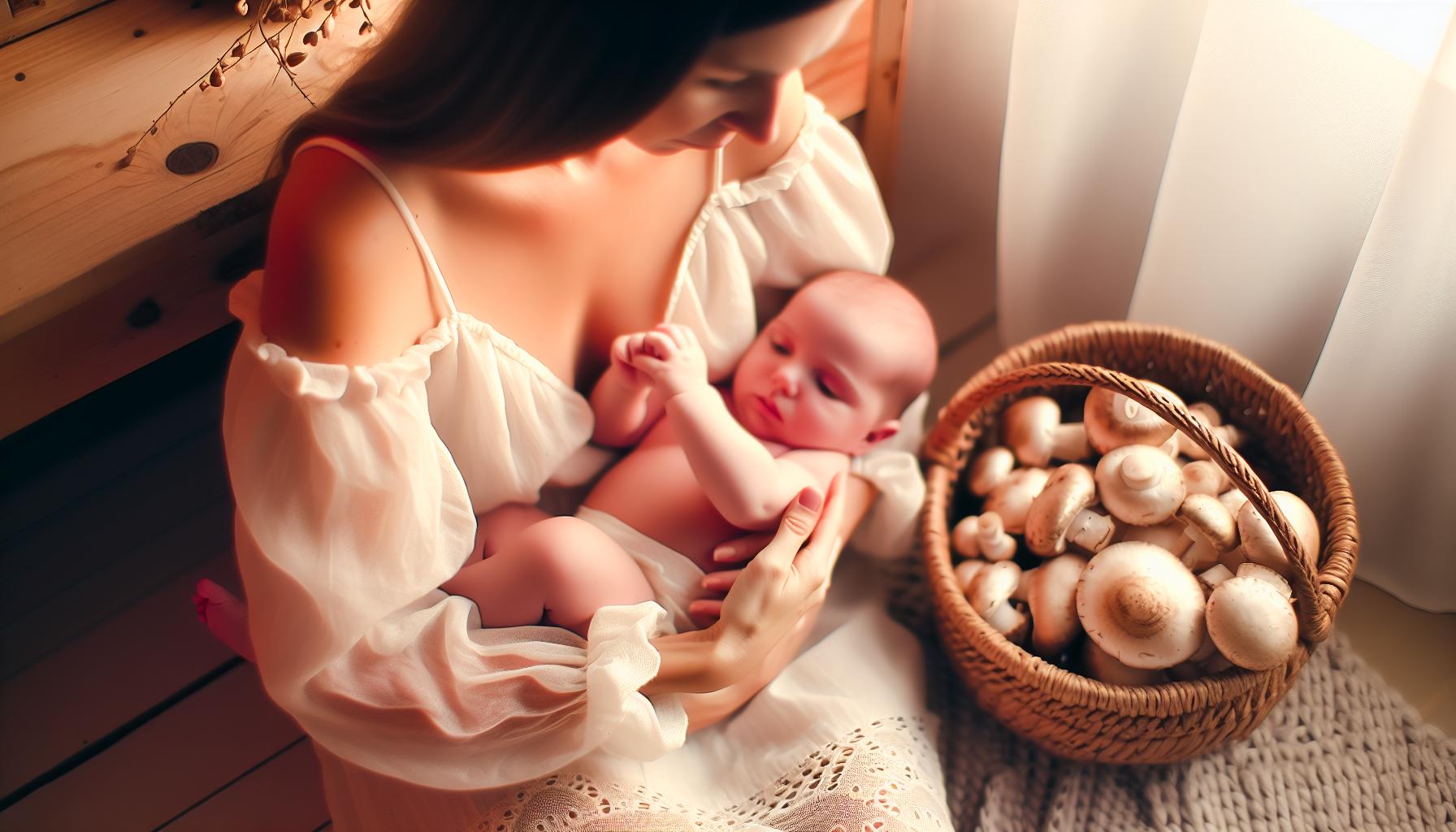
Safety First: What to Know before Eating Mushrooms While Breastfeeding
Eating mushrooms can be a delightful culinary adventure, but for breastfeeding mothers, it’s crucial to tread carefully when incorporating these fungi into your diet. The good news is that many mushrooms are not only safe but also packed with essential nutrients. However, understanding the potential safety concerns and nutritional benefits is vital.
Identifying Safe Varieties
When considering whether you can eat mushrooms while breastfeeding, it’s essential to focus on the types you choose.Some mushrooms are known for their health benefits, while others can be toxic. Here’s a simplified list of common edible mushrooms that are generally safe for breastfeeding mothers:
- button mushrooms: Mild flavor and versatile in many dishes.
- Cremini mushrooms: Slightly richer flavor, great in sauces and soups.
- Shiitake mushrooms: Packed with nutrients and excellent in stir-fries.
- Portobello mushrooms: Meaty texture makes them a fantastic meat substitute.
- Oyster mushrooms: delicate flavor,perfect for light dishes.
However, stay away from wild mushrooms unless you are absolutely certain of their safety. Many wild varieties are highly toxic and can cause severe reactions.
Addressing Allergies and Reactions
Even commonly accepted edible mushrooms can pose risks if your baby has sensitive reactions. If you haven’t consumed mushrooms during your pregnancy,introduce them gradually into your diet while paying attention to any potential allergic reactions in your child. Here are some tips for monitoring reactions:
| Mushroom Type | Possible Reactions |
|---|---|
| Button | Very low risk of allergy |
| Shiitake | Rare skin reactions |
| Portobello | Low risk,but moderation is key |
| Wild mushrooms | High risk; avoid entirely |
Always consult with a healthcare provider if you have concerns about your diet and its effects on breastfeeding.
Cooking and Preparation Matters
Cooking mushrooms properly is just as critically important as choosing the right variety. Raw mushrooms can harbor bacteria that may not be safe during breastfeeding. Always clean mushrooms thoroughly and cook them to eliminate any harmful pathogens. Steamed, sautéed, or roasted mushrooms are not only delicious but also ensure they’re safe for both you and your baby.
By keeping these safety tips in mind, you can enjoy the nutritional benefits of mushrooms while minimizing any risks associated with eating them during breastfeeding. Be cautious, attentive, and informed, and you can confidently answer the question, “Can I eat mushrooms while breastfeeding?”
Choosing the Right Types of Mushrooms: A Parent’s Guide
Did you know that mushrooms are often labeled as a superfood? They are packed with vitamins, minerals, and antioxidants that can boost health, making them a fantastic addition to a breastfeeding mother’s diet. however, not all mushrooms are created equal, and as a parent, understanding which types are safe and beneficial is crucial for both you and your baby.
understanding Mushroom Types
When it comes to selecting mushrooms, consider diversifying your choices to maximize nutritional benefits. The most common types consumed can be categorized into edible, medicinal, and toxic varieties. The following list outlines popular safe varieties you can include in your meals while breastfeeding:
- Button Mushrooms: Mild flavor and can be easily added to salads,soups,or stir-fries.
- Shiitake Mushrooms: Rich in copper and essential nutrients; great for adding depth to sauces.
- Portobello Mushrooms: Meaty texture; they make excellent burger alternatives.
- Oyster Mushrooms: Delicate flavor; pairs well with a variety of vegetables.
Nutrition and Health Benefits
Incorporating mushrooms into your diet while breastfeeding not only enhances flavor but also supports your nutritional needs. Here is a simple breakdown of the nutritional advantages these mushrooms offer:
| mushroom Type | Main Nutrients | Health Benefits |
|---|---|---|
| Button | Vitamin D, B vitamins | Boosts immune function |
| Shiitake | Antioxidants, vitamins B and D | Supports heart health |
| Portobello | selenium, potassium | Anti-inflammatory properties |
| Oyster | Zinc, iron | Supports overall growth and growth |
Safety Precautions in Mushroom Selection
while harnessing the nutritional power of mushrooms, safety should be your top priority. Here are some points to consider when choosing mushrooms during breastfeeding:
- Opt for Store-Bought: Always choose commercially available mushrooms to avoid the risk of misidentification of wild varieties, which can be toxic.
- Cooking Thoroughly: Cook mushrooms thoroughly to eliminate any harmful bacteria and to enhance their digestibility.
- Monitor Baby’s Reactions: Introduce new types of mushrooms slowly and observe your baby for any adverse reactions after consuming them.
By understanding what types of mushrooms are safe, their health benefits, and taking the necessary precautions, you can confidently include these nutritious fungi in your diet while breastfeeding.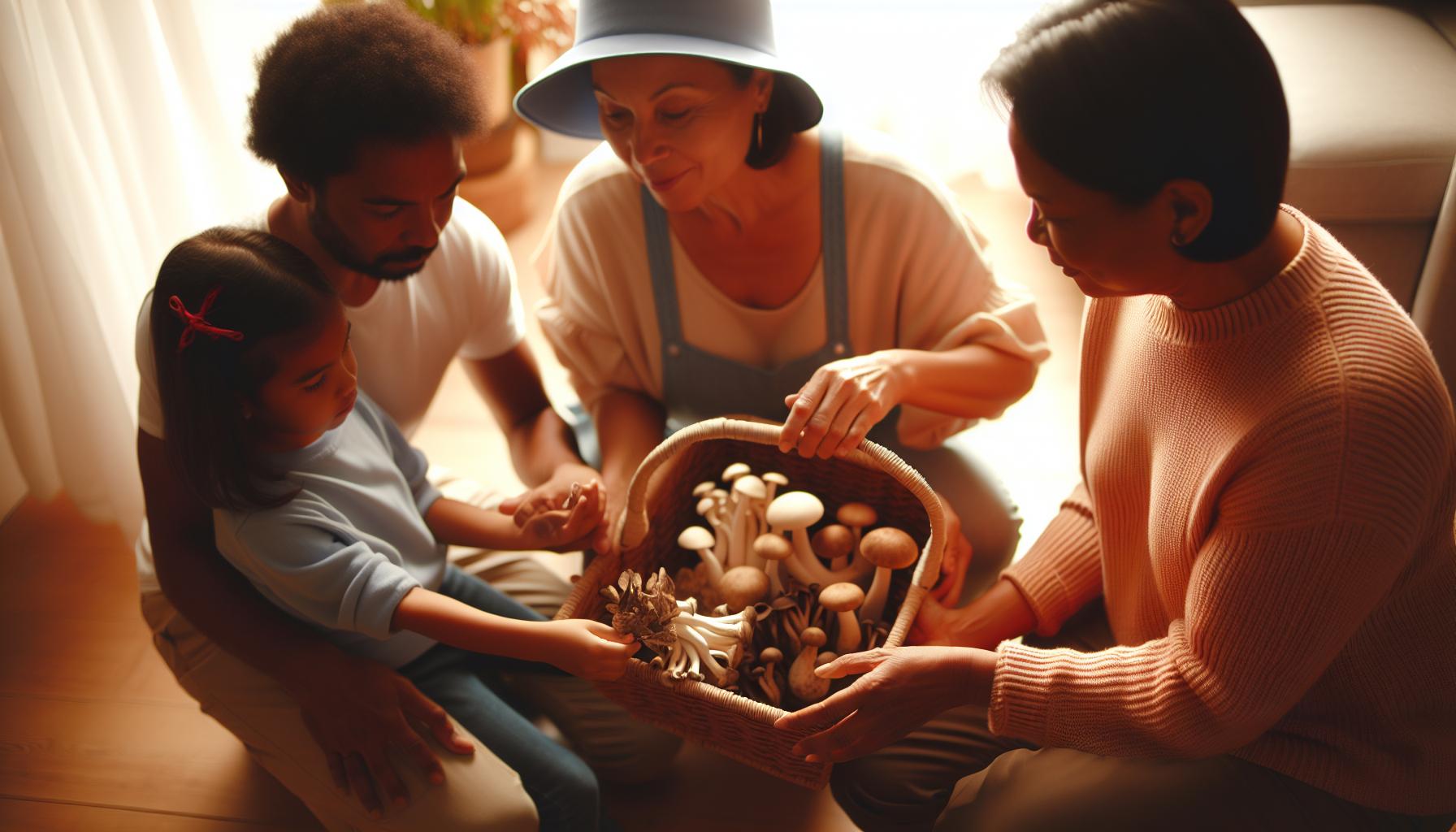
How Mushrooms Impact Your Baby’s Health: Insights for Nursing Moms
Mushrooms are not just a gourmet delight; they offer an impressive array of health benefits, especially for nursing mothers looking to optimize their diets for both themselves and their babies. when considering whether to include mushrooms in your breastfeeding diet, it’s essential to recognize their nutritional profile and how it impacts your baby’s health.
Nutritional Benefits of Mushrooms
Mushrooms are low in calories yet high in crucial vitamins and minerals. They are particularly rich in:
- Vitamin D: Essential for bone health and immune function.
- Vitamin B complex: Important for energy production and cognitive function.
- Antioxidants: Help combat oxidative stress and inflammation.
- Fiber: Aids in digestion, which can be beneficial for new moms.
Including these nutrients in your diet while nursing can contribute positively to your baby’s growth and development. For instance, adequate vitamin D levels are crucial for infants as they rely on their mothers’ supply to support bone formation and overall health.
How Mushrooms Can Enhance Breastfeeding Nutrition
When contemplating “Can I Eat Mushrooms While Breastfeeding? Nutrition and Safety Tips,” it’s important to focus on how the nutrients derived from mushrooms can fortify your breast milk. A nourishing diet rich in the right vitamins and minerals can lead to more nutrient-dense milk,providing your baby with the essential components needed for their growth.
Here’s a simplified breakdown of how mushrooms can enhance your nursing nutrition:
| Nutrient | Benefit for Mother | Benefit for baby |
|---|---|---|
| Vitamin D | Improves mood and strengthens immunity | Supports calcium absorption for bone health |
| B Vitamins | Boosts energy levels and reduces fatigue | Supports brain development and cognitive function |
| Antioxidants | Reduces inflammation | Enhances overall health by protecting against cell damage |
Safe Consumption Practices
While mushrooms are nutritious, safety is paramount, especially for breastfeeding mothers. Always choose fresh, organically grown mushrooms to minimize any risk of pesticide exposure. Avoid wild mushrooms unless you are absolutely certain of their safety, as some can be toxic. Cooking mushrooms thoroughly not only enhances their flavor but also makes them safer, as heat eliminates harmful bacteria and facilitates easier digestion.
By incorporating mushrooms wisely into your breastfeeding diet, you’re consciously enriching your meals with nutrients that can benefit both you and your baby. As you explore the question of whether it’s safe to eat mushrooms while breastfeeding, remember that balanced consumption, coupled with awareness of their nutritional properties, can lead to a satisfying and healthful experience for you and your little one.
Common Concerns: Allergies and Reactions to Watch For
Eating mushrooms can be a delightful culinary experience, but for breastfeeding mothers, it’s crucial to be aware of potential allergic reactions and sensitivities, both in themselves and their infants. Certain types of mushrooms may pose risks and have been associated with allergic responses, making it essential to proceed with caution.
Understanding Mushroom Allergies
Mushroom allergies are relatively uncommon but can lead to serious reactions in those affected. Symptoms to watch for include:
- Skin Reactions: Hives, rashes, or itching can signify an allergic response.
- Respiratory Issues: Sneezing, nasal congestion, or difficulty breathing may occur.
- Gastrointestinal Distress: Nausea, vomiting, or diarrhea can also manifest if an allergy is present.
In addition, be mindful of the possibility that infants may show signs of sensitivity to mushrooms through breast milk. Some common symptoms in infants include increased fussiness, gas, or diaper rashes. Keeping a food diary can help track dietary intake and any corresponding reactions in the baby,allowing for better management of allergies and food sensitivities.
Which Mushrooms to Avoid?
Certain wild mushrooms should be avoided entirely due to their toxicity and the risk of severe reactions. The following table outlines mushrooms that are best skipped during breastfeeding:
| Mushroom Type | Why Avoid? |
|---|---|
| Wild Mushrooms (e.g., certain varieties of morels or chanterelles) | Potential for toxicity and allergic reactions. |
| Exotic Varieties (e.g., Lion’s Mane, Enoki) | Less research on safety during breastfeeding. |
| Mushrooms from Unverified Sources | Increased risk of contamination or misidentification. |
Always opt for well-known, grocery store varieties, such as button or portobello mushrooms, ensuring they are fresh and properly cooked.Proper cooking methods can also help mitigate some allergy risks by breaking down certain allergens. If you or your baby exhibit any concerning symptoms after consuming mushrooms, consult with a healthcare professional instantly to discuss dietary adjustments and ensure safety.
Tips for Preparing Mushrooms Safely and Deliciously
Understanding Mushroom Selection and Preparation
Mushrooms are a versatile ingredient packed with nutrients, making them an excellent choice for enhancing your meals, especially during breastfeeding. though, it’s vital to ensure you’re selecting and preparing them correctly to enjoy their flavors safely. Before you incorporate mushrooms into your diet, consider these essential tips that address both nutrition and safety.
- choose Fresh Mushrooms: Freshness impacts flavor and nutritional value. Look for mushrooms that are firm, moist, and free from dark spots.Avoid any that appear slimy or have a strong odor.
- Identify Edible Varieties: Stick to well-known edibles like button, shiitake, or portobello mushrooms. Foraging for wild mushrooms can be dangerous if your not an expert, so it’s best to buy from reputable sources.
- Wash Thoroughly: Rinse mushrooms under cool water to remove any dirt or debris. This step is crucial, as mushrooms can retain soil and pesticides, impacting their safety and cleanliness.
Cooking techniques for Maximum Flavor and Safety
Properly cooking mushrooms not only enhances their taste but also ensures they are safe to eat, aligning with the nutritional considerations for breastfeeding mothers. Here are some effective cooking methods and tips:
- Sautéing: Quickly sauté mushrooms in olive oil or butter to bring out their rich flavor. Avoid overcooking, which can lead to a rubbery texture.
- Roasting: Roast mushrooms in the oven to caramelize their natural sugars,adding depth to their flavor profile. Toss with herbs for an extra punch.
- Steaming: Steaming mushrooms preserves their nutrients and provides a tender,juicy texture,perfect for incorporating into various dishes.
| Cooking Method | Benefits | Flavor Impact |
|---|---|---|
| Sautéing | Quick cooking time, preserves texture | Rich, buttery flavor |
| Roasting | Enhances natural sweetness | Deep, complex flavor |
| Steaming | Preserved nutrients, tender texture | Mild, earthy flavor |
By following these straightforward tips for selecting and preparing mushrooms, you can confidently answer the question, “Can I eat mushrooms while breastfeeding?” with a resounding yes. Enjoy their delicious taste and numerous health benefits, ensuring your meals are both safe and satisfying.
Balancing Your Diet: Incorporating Mushrooms with Other Foods
Did you know that incorporating mushrooms into your meals can drastically enhance both the flavor and nutritional profile of your diet? As a breastfeeding mother, balancing your diet is essential for both your health and your baby’s development. Mushrooms are a powerhouse of nutrients, offering B vitamins, selenium, and antioxidants, making them an excellent choice to include in your breastfeeding nutrition plan. But how can you integrate this versatile ingredient successfully with other foods?
Pairing Mushrooms with Nutrient-Dense Foods
To maximize the benefits of mushrooms while breastfeeding, consider combining them with other food groups that complement their nutritional profile. Here are some ideas:
- Whole Grains: Mixing mushrooms with whole grains like quinoa or brown rice can enhance your meals’ fiber content.Not only do these grains provide sustained energy, but they also help with digestion.
- Leafy Greens: Pair mushrooms with spinach, kale, or Swiss chard to create a nutritionally balanced dish. Leafy greens are rich in iron and calcium, which are crucial for postpartum recovery.
- Lean Proteins: Incorporating mushrooms into dishes with chicken,fish,or legumes can yield a complete protein source. This combination supports the energy levels needed for breastfeeding mothers.
Creative Meal Ideas
Here are some meal ideas that successfully blend mushrooms with other food groups to ensure your diet remains varied and balanced:
| Meal Type | Recipe Idea | Nutritional Benefits |
|---|---|---|
| breakfast | Mushroom and Spinach Omelette | Packed with protein and packed with iron and folate. |
| Lunch | Quinoa Salad with Roasted Mushrooms and Kale | High in fiber and loaded with antioxidants. |
| Dinner | Stir-Fried Chicken with Mushrooms and Broccoli | Rich in protein, vitamins, and minerals for overall health. |
| Snacks | Stuffed Mushrooms with Cream Cheese and Herbs | A delicious way to get calcium and healthy fats. |
By exploring these combinations and trying out various dishes, you can ensure a nutrient-rich diet that supports your breastfeeding journey. Remember, the question of “Can I eat mushrooms while breastfeeding?” is not just about safety but also about creating meals that are both enjoyable and beneficial for you and your baby.
Expert Recommendations: Navigating Mushroom Consumption During Lactation
Understanding the Safety of Mushrooms During Lactation
Mushrooms are not only versatile in culinary applications,but they also pack a nutritional punch that can be beneficial during lactation. However, the question of whether you can safely consume them while breastfeeding requires careful consideration. Certain mushrooms are laden with essential nutrients like vitamin D, B vitamins, and minerals, which can positively influence both the mother’s health and milk quality. Yet, knowledge is power—some mushrooms can be toxic, and others may not be well-tolerated by nursing infants.
Key Recommendations for Safe Mushroom Consumption
When incorporating mushrooms into a breastfeeding diet, adhering to expert recommendations is crucial. Here are some important tips:
- Choose Cooked Over Raw: Always opt for cooked mushrooms. Cooking not only enhances flavor but also reduces the risk of harmful bacteria and enhances nutrient absorption.
- Stick to Common Varieties: Familiar varieties such as button, shiitake, and portobello mushrooms are generally recognized as safe. It’s advisable to avoid wild mushrooms unless you are absolutely sure of their safety.
- Monitor for Allergies: Introduce mushrooms gradually and watch for any signs of allergies or intolerance in your child. Symptoms like rash, gastrointestinal distress, or unusual fussiness may indicate a negative reaction.
- Consult with a Healthcare Provider: If you have concerns about specific mushrooms or your diet while breastfeeding,consult with a qualified healthcare provider or a nutritionist specialized in maternal and child health.
Nutritional Benefits of Mushrooms for Nursing mothers
Mushrooms can be an excellent addition to lactating mothers’ diets, thanks to their rich nutrient profile.Below is a summary of some key nutrients found in commonly consumed mushrooms and their potential benefits:
| Mushroom Variety | Key Nutrients | Benefits During Lactation |
|---|---|---|
| Button | Vitamin D,B Vitamins | Promotes better immune function for mother and baby |
| Shiitake | Selenium,Copper | Supports healthy blood formation and metabolism |
| Portobello | Fiber,B vitamins | Aids in digestion and offers sustained energy |
while mushrooms can be a nutritious addition to your breastfeeding diet,selecting the right types and preparing them safely are essential steps. By following expert guidance and tuning into your body’s responses, you can confidently enjoy the variety of flavors and health benefits mushrooms offer during this crucial time.
Q&A
Can I Eat Mushrooms While Breastfeeding?
Yes, you can eat mushrooms while breastfeeding, but it’s crucial to choose safe varieties and ensure they are properly cooked. Common edible mushrooms like button, shiitake, and portobello are generally safe.
Always avoid wild mushrooms unless you are certain they are safe. If possible, consult a healthcare provider for personalized advice based on your health history and dietary needs.For more detailed dietary guidance, check out our article on nutrition during breastfeeding.
What are the nutritional benefits of mushrooms for breastfeeding mothers?
Mushrooms offer various nutritional benefits, including being a good source of vitamins D and B, minerals like selenium, and antioxidants. These nutrients can support both your health and your baby’s development.
Including mushrooms in a balanced diet can definitely help enhance your overall nutrition during breastfeeding, promoting energy levels and immune function. Always focus on moderation and balance with other food groups.
Why do some mushrooms need to be avoided while breastfeeding?
some mushrooms can be toxic or tough to digest, which may upset your baby’s stomach. Avoiding wild and unidentified mushrooms is essential due to potential risks of toxicity.
Even edible mushrooms can cause allergic reactions in some individuals, so it’s wise to monitor how your body responds when introducing new foods. Stick to well-known, commercially available varieties for safety.
Can eating mushrooms affect my breast milk quality?
Generally, eating mushrooms doesn’t negatively affect breast milk quality. However, strong flavors from certain kinds may alter the taste of your milk slightly.
Some mothers find that their babies may react to specific foods, but this varies by individual. If you notice changes in your baby’s behaviour or preference, consider discussing dietary adjustments with a pediatrician.
How should I prepare mushrooms while breastfeeding?
Always cook mushrooms thoroughly to eliminate harmful bacteria and enhance digestibility. Steaming or sautéing them with a bit of oil is a safe and delicious approach.
Avoid raw mushrooms, as they may harbor harmful pathogens. Pairing them with other healthy ingredients can enhance their health benefits and flavor, making them a versatile addition to meals.
Can I consume mushroom supplements while breastfeeding?
while some mushroom supplements claim health benefits, it’s best to approach them with caution during breastfeeding. Consult your healthcare provider before adding supplements to your routine.
Mushroom supplements can vary in composition and potency, and some may not be suitable during lactation. Always prioritize whole foods where possible to meet your nutritional needs.
Are there specific mushrooms that support lactation?
Medicinal mushrooms like reishi and cordyceps are known for their health benefits,but research on their effects during breastfeeding is limited.Always consult your healthcare provider before using them.
Focus on a diverse and balanced diet to naturally support lactation. Foods rich in iron, protein, and healthy fats, alongside safe mushrooms, can play a role in maintaining milk production.
Future Outlook
As you embark on the rewarding journey of breastfeeding, nourishing your body and your little one is paramount. Eating mushrooms can be a delightful addition to your diet, providing essential nutrients and variety. Remember to choose fresh, well-cooked varieties, and be mindful of any personal allergies or sensitivities. As you explore this vibrant food group, trust your instincts and consult your healthcare provider if you have any concerns.
Parenthood can often feel overwhelming, but you’re not alone in navigating these choices. By understanding the nutritional benefits and safety tips associated with mushrooms, you empower yourself to make informed decisions that support both your health and your baby’s growth. keep exploring new foods, listen to your body, and don’t hesitate to reach out for support when needed. Your journey is just beginning, and with every bite, you’re laying a loving foundation for your child’s future. Dive deeper into nutrition, keep asking questions, and enjoy the adventure—your well-being and your baby’s health are worth every effort.
Get our latest guides, news, and insights highlighted in your Google Search & AI Overviews.