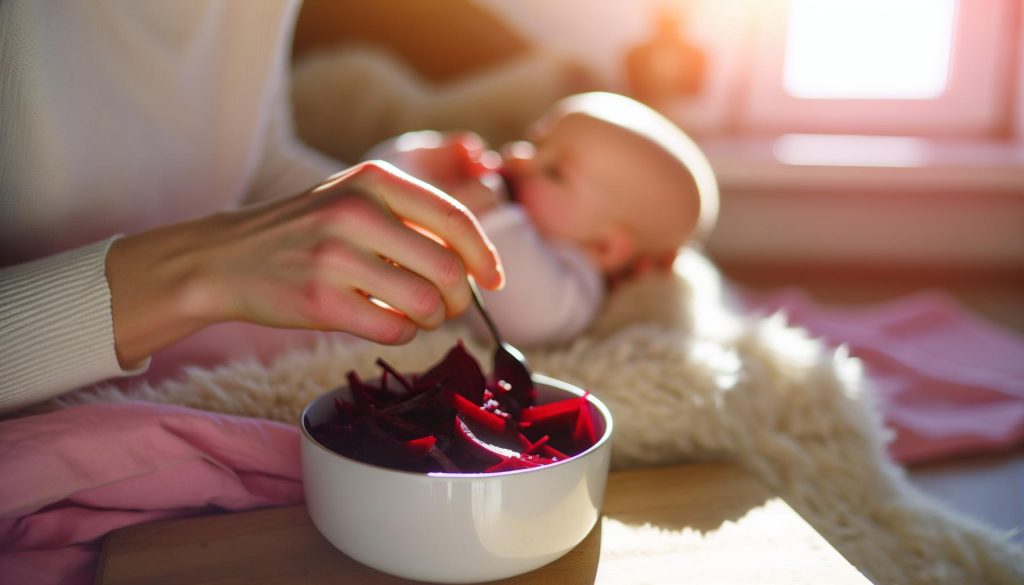

Are you wondering if beets are a safe and nutritious choice while breastfeeding? Rich in essential vitamins and minerals, beets can enhance your diet during this crucial time. Understanding their benefits and potential concerns can help nursing mothers make informed dietary choices that promote both their health and their baby’s development.
The Nutritional Power of Beets for New Moms
Did you know that beets are not only a vibrant addition to your plate but also packed with essential nutrients that can benefit new moms,especially those breastfeeding? this root vegetable is more than just a colorful salad ingredient; it offers a hefty dose of vitamins and minerals that can support both maternal health and lactation.
Nutritional Benefits of Beets
Beets are rich in vital nutrients that every new mom needs during the postpartum period. They contain:
- Folate: Important for DNA synthesis and repair, folate plays a crucial role in cell division and support of new mothers’ overall health.
- vitamin C: This powerful antioxidant boosts the immune system and aids in the absorption of iron, which can be particularly beneficial after childbirth.
- Iron: Beets are a plant-based source of iron, crucial for combating fatigue and maintaining energy levels, especially important during the demanding breastfeeding phase.
- Magnesium: This mineral contributes to muscle function and promotes relaxation, which can help new moms manage stress better.
Supporting Lactation with Beets
Incorporating beets into your diet while breastfeeding may also have a favorable impact on milk production. Natural compounds in beets, such as nitrates, can enhance blood flow and improve oxygen delivery to tissues, which might support overall bodily functions, including lactation. Here’s how you can enjoy the nutritional power of beets:
| serving Ideas | benefits |
|---|---|
| Roasted Beets Salad | Combines fiber-rich greens and healthy fats, enhancing nutrient absorption. |
| Beet Juice | Quick and refreshing way to hydrate while reaping the benefits of beets’ nutrients. |
| Beet Smoothies | A delicious way to consume beets with fruits for added flavor and nutrients. |
Experimenting with different recipes can definitely help ensure that you enjoy beets while breastfeeding without growing bored. Remember that the way beets are prepared can influence their nutritional profile, so aim for methods such as steaming or roasting to retain most of their health benefits.By embracing the health benefits of beets, new moms can nourish themselves while supporting their breastfeeding journey.
Understanding the Benefits of Beets for Breastfeeding
Did you know that beets have historically been considered a superfood? For breastfeeding mothers, this root vegetable offers a treasure trove of health benefits that can enhance both their nutritional intake and the quality of breast milk. Including beets in your diet can significantly benefit you and your little one, enriching your breastfeeding journey.
Nutritional Powerhouse
Beets are low in calories yet packed with essential vitamins and minerals. Their nutritional profile ensures that breastfeeding mothers recieve necessary nutrients for recovery and milk production. Key components include:
- Folate: Vital for DNA synthesis and repair, folate is crucial for both maternal health and the development of your baby.
- Iron: helps prevent anemia in mothers, which can be common postpartum, supporting overall energy levels.
- Vitamin C: Aids in iron absorption and boosts the immune system, benefiting both mother and child.
- Fiber: Encourages digestive health, crucial for postpartum recovery.
The blend of these nutrients not only supports your health but also promotes the production of high-quality breast milk.
Support for Lactation
Incorporating beets into your diet can enhance the lactation process. Recent studies have indicated that nitrate-rich foods, like beets, can improve blood flow. This increased circulation may help facilitate better nutrient transfer to breast milk.
| Nutrient | Benefit for Breastfeeding Mothers |
|---|---|
| Folate | Supports DNA synthesis and repair for both mother and baby |
| Iron | Prevents anemia and supports energy levels |
| Vitamin C | Aids iron absorption and boosts immune system |
| Fiber | promotes digestive health and aids postpartum recovery |
Safe and Delicious Ways to Enjoy Beets
When adding beets to your breastfeeding diet, consider how you can consume them safely and deliciously. Roasted,juiced,or blended into smoothies,beets can be a versatile addition to your meals. Their unique flavor can enhance salads,soups,or even hummus,enabling you to enjoy them without feeling restricted. Always ensure you’re consuming organic beets when possible to minimize exposure to pesticides, which is especially critically important during breastfeeding.
the impressive benefits of beets during breastfeeding extend far beyond their vibrant color. By including these nutritious roots in your meals, you can boost your health and provide your child with the best start possible.
How Beets Can Impact Your Milk Supply
Did you know that the vibrant color of beets is matched only by their potential to support your body’s lactation process? For breastfeeding mothers, the right dietary choices can make a significant difference in milk supply, and beets are starting to gain recognition for their numerous benefits.
The Nutritional Powerhouse of Beets
Beets are rich in essential vitamins and minerals, making them a valuable addition to the diet of nursing mothers. These tubers are loaded with:
- Folate: Critical for cell production and repair, folate can help enhance your overall health, potentially affecting milk quality.
- Iron: Vital for maintaining energy levels, sufficient iron intake can prevent fatigue often experienced during breastfeeding.
- Antioxidants: The antioxidants found in beets may aid in reducing inflammation, which can have positive effects on your body’s ability to produce milk.
Hydration and Milk Production
Staying hydrated is crucial for any breastfeeding mother, and beets contribute significantly to this need. They possess high water content, which can help keep you hydrated, thus supporting your milk production. Incorporating beets into salads, smoothies, or juices ensures you’re not only enjoying their distinct flavor but also benefiting from their natural juiciness.
A Real-World Example: Integrating beets
Incorporating beets into your diet is easier than you might think. Here’s a simple way to enjoy this nutritious root vegetable:
| Ingredient | Quantity |
|---|---|
| Roasted Beets | 2 medium beets |
| Mixed Greens | 2 cups |
| feta cheese | 1/4 cup |
| Walnuts | 1/4 cup |
| Balsamic Vinegar | 2 tablespoons |
Toss together roasted beets,mixed greens,feta cheese,and walnuts with a drizzle of balsamic vinegar for a delightful salad that not only pleases the palate but also supports your breastfeeding journey.
by including beets in your diet while breastfeeding, you’re not only savoring a delicious food but also making a positive choice for your milk supply and overall well-being.
Safe Ways to Introduce Beets During Breastfeeding
Beets are a vibrant, nutrient-rich vegetable that can add a unique flavor to your diet while breastfeeding. Packed with vitamins and minerals,including folate and iron,they can be an excellent choice for nursing mothers looking to enhance their nutritional intake. however,as with any new food,it’s essential to introduce them safely to both you and your baby.
Start Slow: Introducing Beets Gradually
When incorporating beets into your diet during breastfeeding, it’s wise to start with small amounts. Begin by consuming a modest serving, such as half a cup of cooked or roasted beets, and observe how your body and baby react over the next few days. This gradual approach can help you identify any potential sensitivities or allergies that might arise.
Opt for Nutrient-Dense Preparations
Choosing how you prepare beets can significantly impact their nutritional value. Here are some safe and healthy ways to enjoy beets:
- Roasted: Roasting brings out the natural sweetness of beets while retaining their nutrients.
- Boiled: Boiling is a simple way to prepare beets,ensuring they remain soft and easy to digest.
- In Smoothies: Blending beets in smoothies with fruits like bananas and berries can mask their earthy flavor, making it fun and appealing.
Consider avoiding pickled beets initially due to their higher sodium content, which may not be ideal during breastfeeding.
Monitor Your Baby’s Reaction
As you integrate beets into your meals, keep an eye on your baby for any signs of discomfort. Symptoms such as increased fussiness, gas, or changes in stool color, particularly a reddish hue (which can occur due to beet consumption), are worth noting.If you observe any troubling reactions, it might be best to pause beets for a while before reintroducing them later when your baby is older.
Benefits Beyond Nutrition
In addition to their rich flavor and nutritional benefits, beets contain antioxidants that may even improve your cardiovascular health. By maintaining your health, you can better support your breastfeeding journey. Here’s a quick overview of the benefits:
| Benefit | Description |
|---|---|
| Source of Folate | Essential for making red blood cells and avoiding anemia,which can be common postpartum. |
| Rich in Antioxidants | Helps combat oxidative stress, promoting overall health. |
| High in Fiber | Can aid in digestion and help prevent constipation, a common issue for new mothers. |
By introducing beets thoughtfully and with monitoring, you not only diversify your diet but also provide a host of nutritional benefits during your breastfeeding journey.
Creative Ways to Incorporate Beets into Your Diet
Did you know that beets are packed with essential nutrients such as folate, manganese, and potassium? These vibrant root vegetables not only add a pop of color to your meals but also offer a wealth of health benefits, especially for nursing mothers. If you’re looking to integrate more of this superfood into your diet while breastfeeding, here are some creative ideas that can transform your meals.
mix Them into Your Morning Routine
One of the easiest and most delicious ways to enjoy beets is to start your day with a vibrant beet smoothie.Blend cooked or raw beets with your favorite fruits like bananas, berries, and a scoop of yogurt or milk for a nutrient-dense breakfast packed with antioxidants. Alternatively, you can try beet-infused oatmeal. Simply grate raw beets and stir them into your morning oats, then top with nuts and a drizzle of honey for sweetness.
Add Color to Your Salad
Beets make a fantastic addition to salads, adding not just color but also a sweet, earthy taste. Roasted beets can be cut into cubes and tossed with mixed greens, goat cheese, walnuts, and a light vinaigrette for a refreshing and filling salad. If you’re short on time, pick up pre-cooked beets at your grocery store.They can easily be sliced and added to any salad for a flavorful upgrade.
Delicious Side Dishes
There’s no need to limit beets to just salads and smoothies. They shine as a hearty side dish too! consider beet fritters—combine shredded cooked beets with eggs, flour, and spices, then pan-fry until golden brown. You can also roast beets with a drizzle of olive oil and herbs for a simple yet delightful accompaniment to any main course. For a savory option, try making a classic borscht soup, a customary beet soup that is not only delicious but also nourishing.
Incorporate Beets into Snacks and Desserts
Beets are surprisingly versatile and can even find a place in your snacks and desserts. For a healthy treat, whip up some beet hummus by blending cooked beets with chickpeas, tahini, garlic, and lemon juice. Serve this colorful dip with whole-grain crackers or veggie sticks. If you have a sweet tooth, try making beet brownies—the pureed beets add moisture and richness without a strong flavor, making them a sneaky way to boost your nutrient intake.
| Dish | Key Nutrients | Breastfeeding Benefits |
|---|---|---|
| Beet Smoothie | Folate, Vitamin C, Potassium | Supports energy levels and immunity |
| Roasted Beet Salad | Fiber, Antioxidants | Promotes digestion and overall health |
| Beet Fritters | Iron, Vitamin B6 | helps in red blood cell production |
| Beet Hummus | Protein, Healthy Fats | Provides sustained energy |
With these various ways to incorporate beets into your diet, you can enjoy their rich flavors while reaping the nutritional benefits they offer, particularly during your breastfeeding journey. Whether in smoothies, salads, side dishes, or snacks, beets can become a delightful and healthful staple in your kitchen.
Potential Risks and Allergies: What to Watch For
Did you know that while beets are a powerhouse of nutrition, they might also pose certain risks for breastfeeding mothers and their infants? It’s essential to be mindful of potential allergies and adverse effects that can arise from consuming these vibrant root vegetables.
Understanding Allergies and Reactions
Although rare, some individuals may experience allergies to beets. Symptoms can vary widely and may include skin reactions, gastrointestinal disturbances, and even respiratory issues. For breastfeeding mothers,it’s crucial to monitor both your own reactions and those of your baby when introducing new foods like beets into your diet. Here are a few indicators to watch for:
- Skin Reactions: rash, hives, or redness.
- Digestive Issues: Diarrhea, bloating, or gas.
- Respiratory Symptoms: Wheezing, nasal congestion, or difficulty breathing.
If you notice any signs of an allergic reaction in either yourself or your baby after consuming beets, it’s advisable to consult with a healthcare professional to determine the best course of action.
Potential Nitrate Levels
Another aspect worth considering is the nitrate content in beets. While nitrates can have health benefits, they can also pose risks, especially for infants. High levels of nitrates can led to a condition known as methemoglobinemia or “blue baby syndrome,” which affects the blood’s ability to carry oxygen. To mitigate this risk, consider the following strategies:
- Source Fresh Beets: Choose fresh, organic beets rather than those that are canned or preserved, as processing can alter nitrate levels.
- Moderate Intake: Incorporate beets gradually into your diet, starting with small portions to assess tolerance.
- Keep Balanced: Pair beets with a variety of other vegetables to ensure a well-rounded nutrient intake.
by being attentive and informed, you can fully enjoy the delicious and nutritious benefits of beets while breastfeeding, all while minimizing any potential risks.Always prioritize interaction with your healthcare provider to ensure safety for both you and your child.
Balancing Beets with Other Essential Nutrients
Enhancing Nutritional Balance with Beets
Incorporating beets into your diet while breastfeeding not only offers vibrant color and flavor but also provides an array of essential nutrients important for both mom and baby. though, to maximize the health benefits of beets, it’s crucial to balance them with other dietary components. Beets are particularly rich in nitrates, which can aid in improving blood circulation and lowering blood pressure, but they should be complemented with nutrients that support breastfeeding.
To create a well-rounded diet,consider pairing beets with foods high in protein and healthy fats. For example, you can enjoy roasted beet salad topped with avocado or sprinkle feta cheese for a delicious blend of flavors. Each of these components contributes to maintaining energy levels and ensuring you are getting adequate calories, which is vital for milk production. Incorporating a variety of foods can also help diversify the nutrient profile of your breast milk, benefiting your baby’s development.
- Protein Sources: Include lean meats, legumes, or tofu to provide essential amino acids.
- Healthy Fats: Avocado, nuts, and seeds can help improve the absorption of fat-soluble vitamins found in vegetables like beets.
- Citrus Fruits: Pair beets with oranges or grapefruits to enhance iron absorption essential for postpartum recovery.
Important Nutrients to Consider
Balancing beets with a variety of other foods ensures that breastfeeding mothers meet their dietary needs. Below is a quick reference table of some essential nutrients to include alongside beets:
| Nutrient | Functions | Food Sources |
|---|---|---|
| Iron | Supports energy levels and immune function | red meat, spinach, lentils |
| Calcium | Important for bone health | dairy products, almonds, leafy greens |
| Omega-3 Fatty Acids | Supports brain health | Fatty fish, walnuts, flaxseeds |
Combining these nutrients with the natural benefits of beets can create a powerhouse of nutrition that supports breastfeeding. Ultimately, a diverse diet not only enhances the breastfeeding experience but also promotes overall well-being for both mother and child.
Expert Tips for Enjoying Beets While Nursing
Did you know that beets are not just a colorful addition to your plate but also packed with nutrients vital for nursing mothers? When it comes to your diet while breastfeeding, choosing the right foods can provide both you and your baby with essential vitamins and minerals. Incorporating beets can enhance your nutrient intake, but it’s critically important to do so thoughtfully. Here are some expert tips to help you enjoy beets safely and deliciously while nursing.
Start Slowly and monitor Reactions
introducing any new food into your diet, especially while breastfeeding, should be approached with caution. Start by consuming a small amount of cooked beets and pay attention to any changes. Note your baby’s reactions over the next 24 to 48 hours. Signs of sensitivity could include fussiness, gas, or allergic symptoms. If everything looks good, feel free to incorporate more into your meals over time.
Explore Different Preparation Methods
Beets can be enjoyed in various forms, making them easy to integrate into your meals. Here are some delicious ways to prepare beets:
- Roasted Beets: Roast peeled beets in the oven with a drizzle of olive oil,salt,and pepper for a sweet side dish.
- Beet Salad: Combine cooked and diced beets with goat cheese, walnuts, and arugula for a nutrient-rich salad.
- Beet Smoothies: Blend cooked beets with yogurt and fruits like bananas or berries for a refreshing smoothie.
- Pickled Beets: Pickle beets in vinegar and spices for a tangy snack or topping for sandwiches.
By varying the way you consume beets, not only do you keep meals captivating, but you also maximize the health benefits.
Balance with Other Nutrient-Dense Foods
While beets are highly nutritious, remember to balance them with other foods to ensure a well-rounded diet. Pair beets with:
| food Group | Nutritional Benefits |
|---|---|
| Leafy Greens | Rich in iron and folate |
| Proteins | Essential for muscle recovery and milk production |
| Healthy Fats | Support brain health for both you and your baby |
By ensuring diverse food intake, you can help enhance your overall health and that of your infant.
Stay Hydrated
Beets can be high in fiber, which is great for your digestion but may also lead to bloating if you’re not consuming enough fluids. aim to drink plenty of water throughout the day, especially while enjoying fiber-rich foods like beets.Staying hydrated helps maintain your milk supply and supports overall wellness during your nursing journey. Consider keeping a water bottle handy to remind yourself to hydrate regularly.
By following these expert tips,you can safely enjoy the unbelievable nutritional value of beets while breastfeeding,enhancing both your health and that of your little one.
FAQ
What are the nutritional benefits of beets while breastfeeding?
Beets are rich in essential nutrients like folate, iron, and vitamin C, which support both maternal health and breastfeeding. These nutrients help in boosting energy levels and improving overall wellbeing during the postpartum period.
Along with nutritional value, beets are known for their antioxidant properties, which can help reduce inflammation and support immune function. Including beets in your diet can also provide dietary fiber, promoting healthy digestion for both you and your baby. For more ideas on nutritious foods, check out our article on postpartum diets.
Can I eat beets while breastfeeding?
Yes, you can safely eat beets while breastfeeding. they are a healthy addition to your diet,offering valuable nutrients that can benefit both you and your baby.
It’s important to monitor your baby for any signs of sensitivity, as every infant reacts differently to foods consumed by their breastfeeding mothers.Starting with small amounts can help gauge tolerance. Remember that variety is key in a balanced diet; combining beets with other fruits and vegetables can enhance nutrient diversity.
why do beets sometimes cause a change in breastmilk color?
Consumption of beets may lead to a reddish hue in breastmilk, commonly referred to as beeturia. This phenomenon is harmless and temporary, resulting from the pigments in beets.
This change can occur in some women but not all, depending on individual digestion and metabolism. As long as your baby is thriving and doesn’t display any unusual reactions, there’s no need for concern. If you have questions about your diet affecting your milk, consult a lactation specialist.
Are there any safety tips for consuming beets while breastfeeding?
To safely include beets in your breastfeeding diet, opt for organic when possible to reduce exposure to pesticides. Wash them thoroughly to eliminate dirt and bacteria.
Additionally, cooking beets can help make them easier to digest and may also enhance their flavors. Try incorporating them into salads, smoothies, or tasty side dishes as part of a varied diet. Always consult your healthcare provider if you have specific concerns.
Will eating beets affect my baby’s digestion?
For most breastfeeding mothers, eating beets does not adversely affect their baby’s digestion. Though, each baby is unique and may react differently to various foods.
If you notice signs of digestive discomfort in your baby, such as gas or changes in stool, consider moderating your beet intake. Maintaining a food diary can definitely help identify any potential triggers in your diet.
How can I include beets in my diet while breastfeeding?
Incorporating beets into your breastfeeding diet can be easy and delicious. Try roasting, steaming, or juicing them as part of meals or snacks.
Beets can be added to salads, blended into smoothies, or used in soups. Experimenting with different recipes can definitely help keep your meals enjoyable while reaping the benefits of beets. For creative ways to cook beets, check out our recipe section.
Are there any recipes for beets suitable for breastfeeding mothers?
yes, there are many simple and healthy recipes featuring beets that are perfect for breastfeeding mothers. A popular option is a beet and feta salad.
This dish combines roasted beets with fresh greens,feta cheese,and a light vinaigrette. Other ideas include beet hummus,which makes a great snack,or adding beets to smoothies for a nutrient boost. Don’t hesitate to get creative with beet recipes!
In Retrospect
incorporating beets into your diet while breastfeeding can be a flavorful and nutritious choice, benefiting both you and your little one. With their rich array of vitamins, minerals, and antioxidants, beets not only boost your energy levels but also support your overall health during this special time.remember to introduce them gradually, keeping an eye on how your baby reacts, and consult with your healthcare provider if you have any concerns.
As you navigate the gorgeous journey of parenthood, know that every meal counts.Embrace the adventure of trying new foods and discovering what works best for you and your family. If you found this data helpful, we invite you to explore more resources on nourishing your body while caring for your child. Your well-being is a key part of this journey, and we’re here to support you every step of the way. Happy feeding!
Get our latest guides, news, and insights highlighted in your Google Search & AI Overviews.