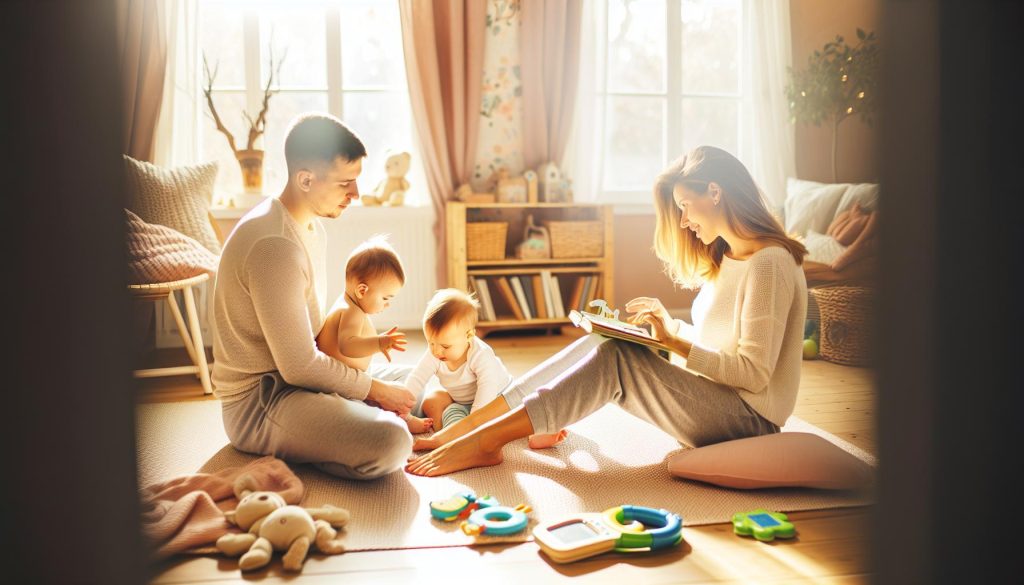

In a world increasingly filled wiht screens, many parents wonder: is it safe for infants to watch TV? Research indicates that exposure to television at such a young age can hinder crucial developmental milestones, affecting language acquisition, attention span, and social skills. Understanding these implications is vital for nurturing healthy growth in our little ones.
Understanding the Impact of Screen Time on Infant Development
Did you know that excessive screen time during infancy can significantly hinder critical areas of development? As technology becomes increasingly integrated into our daily lives, the implications of screens on young developing brains warrant careful scrutiny.When exploring why babies should not watch TV, one must consider the potential risks that come with early exposure to screens.
Cognitive Development Challenges
One vital area affected by screen time is cognitive development. Research suggests that infants who spend substantial time in front of screens may experience delays in language acquisition and problem-solving skills. Engaging in real-world interaction is paramount for babies to comprehend and process language nuances. Screens frequently enough provide fast-paced, visually overwhelming content that can distract rather than engage the mind.
- Language Learning: Babies learn language by hearing and responding to real voices and tones.
- Problem Solving: Physical interactions with toys and their environment promote critical thinking.
- Attention Span: Screen content can lead to shortened attention spans, making it harder for infants to focus on tasks.
Social Interaction and Emotional Skills
Another crucial impact of screen time is on social and emotional development. Interactions with caregivers and peers foster emotional intelligence, empathy, and social cues recognition. Babies learn to communicate and express feelings through face-to-face interactions,mimicking expressions,and responding to emotional signals. Passive screen time does not offer the same level of engagement, potentially leading to difficulties in social bonding and emotional health.
| Developmental Aspect | Impact of Screen Time | Recommended Alternatives |
|---|---|---|
| Cognitive Skills | Impaired language and problem-solving skills. | Interactive reading and conversation. |
| Social Skills | Weakened ability to interpret social cues. | Playdates and group activities. |
| Emotional Health | Underdeveloped emotional responses. | Responsive and nurturing interactions. |
reveals important developmental concerns linked to how babies engage with media. To promote a thriving environment, caregivers should prioritize enriched, interactive experiences over passive screen viewing. Engaging with your baby through play, conversation, and real-world exploration lays a robust foundation for their cognitive and emotional growth, reinforcing why limiting exposure to TV and other screens is essential for healthy infancy.
The Importance of Active Play for Growing Minds
Did you know that the first year of life is a critical time for brain development, with a staggering 700 new neural connections formed every second? Given this rapid growth, it is indeed essential to create an environment that fosters learning through engaging experiences. One of the most effective ways to nurture a child’s development is through active play.
Benefits of Active Play
Active play not only supports physical development but also enhances cognitive and emotional growth. When children are encouraged to engage in physical activities, they develop critical skills such as problem-solving, social interaction, and emotional regulation. Here are some specific benefits:
- Physical Health: Active play improves motor skills, builds strength, and enhances overall physical fitness.
- Cognitive Development: Engaging in play stimulates brain development, enhances memory, and promotes creative thinking.
- Emotional Resilience: Play teaches children how to cope with challenges and regulate their emotions, leading to better mental health.
- Social Skills: Interaction with peers during play helps children learn cooperation, negotiation, and sharing.
Real-World Examples
Consider the difference between a child spending countless hours in front of a TV versus one who plays actively. A research study found that children who engaged in active play showed significantly better language skills and creativity compared to those who consumed passive media. For instance, climbing, running, or even imaginative play with blocks or dolls can foster a rich tapestry of skills and insights that simply cannot be replicated by watching screens.
Promoting Active Play
To encourage active play in young children, parents and caregivers can implement several strategies:
- Design Enriched Environments: Provide spaces both indoors and outdoors that are safe and filled with opportunities for exploration.
- limit Screen Time: Establish clear guidelines for screen use to ensure that children have ample time for play.
- Join the Fun: actively participate in play with your child. This engagement not only fosters bonding but also models playful behavior.
- Encourage Varied Activities: Introduce a diverse range of toys and activities that stimulate different areas of development.
Active play is a vital component of a child’s growth, serving as a powerful antidote to the developmental concerns associated with excessive screen time like watching television. By prioritizing active play, we can help bridge the gap between developmental needs and the growing influence of digital media in our lives.
how Television Can Affect Language Development in Babies
The Critical Period for Language Acquisition
Did you know that the first three years of a baby’s life are crucial for language acquisition? During this time, infants are like sponges, absorbing sounds, words, and the rhythm of speech.However, when babies spend significant time in front of a screen, particularly television, they miss out on essential interactions that promote linguistic development. Research shows that passive screen time can lead to delays in language skills, as it detracts from engaging, face-to-face communication with caregivers.
Impact of Screen Time on Vocabulary Growth
A vast amount of literature suggests a strong correlation between the quantity of spoken language a child hears and their vocabulary development. This is where television falls short. While it may provide auditory stimulation, it cannot replace the nuances of live conversation. Here are some documented effects of excessive television viewing on vocabulary development:
- Limited Interaction: Television does not engage babies in conversation, reducing opportunities for them to practice and hear new words.
- absence of Contextual Learning: Children learn words better when they can relate them to their surroundings and experiences, something a screen cannot provide.
- Delayed Response Time: Watching TV does not offer babies the chance to respond or ask questions, wich is critical for developing communicative skills.
Real-World Examples and Recommendations
Imagine a toddler watching a colorful cartoon filled with animated characters singing rhymes. While the visuals may seem engaging, they are not as beneficial as direct interaction with a parent or caregiver who reads a book and encourages the child to repeat phrases or ask questions. To foster language development in your little one, consider the following practical strategies:
- Prioritize Interaction: Engage your child in conversations throughout the day, describing what you’re doing or identifying objects around you.
- Read Together: Incorporate story time into your daily routine, as reading exposes infants to new vocabulary and the rhythm of language.
- Limit Screen Time: Follow guidelines from pediatric associations, recommending no screens for kids under 18 months, except for video chatting.
it’s essential to understand how the passive activity of watching television can hinder language development during those formative early years.Making conscious efforts to reduce screen exposure while promoting interactive learning can lay a strong foundation for your child’s linguistic abilities.
The Role of Parental Interaction Over Passive Viewing
The Impact of Active Engagement
When it comes to cognitive development in infants,the quality of interactions they experience plays a crucial role in shaping their learning processes. Babies are naturally curious and eager to explore the world around them, and parental interaction can significantly enhance their ability to learn and grow. In stark contrast, passive activities like watching television do not provide the same benefits. During these early, formative years, the brain is rapidly developing, making meaningful engagement essential.
Active parental interaction helps to foster essential skills and cognitive abilities in ways that passive viewing cannot. When parents engage with their babies through activities like talking, reading, or playing, they provide a rich environment for learning.These interactions encourage language development, social skills, and emotional understanding. Here are some key benefits of parental interaction:
- Language Acquisition: Babies learn to recognize tones, patterns, and words through interactions, which can be far more effective than passive audio from a screen.
- Emotional Bonding: Engaging with a child strengthens the emotional connection and security, promoting a healthy attachment that is crucial for later development.
- problem-Solving Skills: Interaction ofen involves play that challenges babies to think critically, resolve issues, and understand cause-and-effect relationships.
- Social Development: Children observe and learn social cues and norms through direct interaction, which is not replicated in a television show.
The Dangers of Passive Viewing
Research indicates that passive viewing, especially for infants, poses several developmental concerns. While a brightly colored screen may capture a baby’s attention momentarily,the lack of interactive engagement can limit their growth opportunities. Television does not respond to a child’s actions or interests, creating a one-sided experience that fails to stimulate the brain in meaningful ways. Here are some developmental concerns related to passive screen time:
| Concern | Description |
|---|---|
| Delayed language Skills | Studies suggest that children who watch TV excessively frequently enough struggle with language acquisition later on. |
| Impaired Attention Span | High amounts of screen time can lead to difficulties in focus and attention, affecting overall learning. |
| reduced Social Interaction | Time spent in front of a screen may reduce opportunities for meaningful social interactions,leading to challenges in social development. |
To ensure optimal development, caregivers are encouraged to prioritize active engagement over passive viewing. Simple activities such as singing, playing peekaboo, or reading together can make all the difference. By dedicating time to interact with infants, parents can foster an enriching environment that promotes healthy developmental milestones, ultimately supporting the critical question of “why should babies not watch TV?” as they grow and learn.
Recognizing signs of Overstimulation in Young Children
Engaging with young children involves a nuanced understanding of their developmental needs, particularly regarding their sensory experience. When an environment is overly stimulating, it can impair focus and promote anxiety in little ones. Understanding the signs of overstimulation is crucial for fostering a healthy and nurturing space where children can thrive.
Identifying Overstimulated Behavior
It’s not always easy to pinpoint when a child is feeling overwhelmed, especially since behaviors can vary widely. Here are a few common indicators:
- Increased irritability: Frequent tantrums or displays of frustration can signal that a child is struggling to process their environment.
- Withdrawal: A child who suddenly becomes quiet or uninterested in play may be overwhelmed and retreating into themselves.
- Difficulty focusing: If a child struggles to maintain attention during activities, it could indicate their sensory processing system is at capacity.
- Physical symptoms: Watch for signs like headaches, stomachaches, or sudden fatigue, which may be physical manifestations of overstimulation.
Why Less Is More
Research suggests that children benefit from environments that allow for quieter, focused play rather than constant stimulation. Dramatic shifts in energy levels or mood frequently enough stem from exposure to distractions, such as screens or loud noises. By limiting such stimuli, caregivers can definitely help children engage in more meaningful interactions.
| Stimulus Type | Potential Effect |
|---|---|
| Television and Screens | Can overwhelm with fast-moving visuals and sounds, leading to attention issues. |
| High Energy Environments | May cause stress and fatigue, resulting in outbursts or withdrawal. |
| Calming Activities | Encourage processing, emotional regulation, and focus. |
Practical Tips for Managing Overstimulation
To help children navigate their environments with more ease, parents and caregivers can adopt a few strategies:
- Create a calming corner: Designate a quiet space filled with soft furnishings, books, or sensory toys.
- Monitor screen time: Limit exposure to screens and provide age-appropriate content if screen time is necessary.
- Encourage mindfulness: Introduce simple breathing exercises or short meditation sessions to help them regain focus and calm.
By observing how children react to their surroundings and employing supportive measures, caregivers can significantly reduce instances of overstimulation. Recognizing these signs not only enhances the child’s emotional well-being but also aligns with the insights detailed in discussions about the developmental concerns associated with excessive television watching.
Exploring Alternative Activities for Cognitive Growth
Rethinking Screen Time: Embracing Active Learning
Research consistently emphasizes the pivotal role of cognitive growth in early childhood. Rather of passive activities like watching TV, which can hinder developmental progress, engaging alternatives provide rich, interactive experiences that stimulate a baby’s brain. These hands-on experiences not only foster critical thinking but also enhance social skills and emotional intelligence—key components defined in *Why Should Babies Not Watch TV? developmental Concerns Explained*.
To ensure babies receive the full benefits of their formative years, consider incorporating the following alternative activities into their daily routines:
- Interactive Playtime: Engage your baby with toys that promote problem-solving and creativity. Building blocks or nesting cups, for example, encourage exploration and spatial awareness.
- Reading Together: Introduce colorful board books that capture their attention. Reading aloud helps in language acquisition and stimulates inventiveness.
- Musical Exploration: Provide instruments like shakers or drums. Music not only enhances auditory skills but also helps with rhythm and coordination.
- Outdoor Adventures: Simple walks in nature expose babies to new sights, sounds, and textures, promoting sensory development and curiosity.
Crafting moments of Connection
Incorporating family bonding activities reinforces emotional development. These moments deepen the attachment and create a secure environment that is crucial for any child’s growth. Below are examples of meaningful interactions:
| Activity | Cognitive benefits |
|---|---|
| Finger Painting | Encourages creativity and fine motor skills. |
| Hide and Seek | Enhances problem-solving and understanding of object permanence. |
| Simple Puzzles | Develops critical thinking and spatial reasoning. |
| Role Play with Dolls | Promotes social skills and emotional understanding. |
Investing time in these engaging, purposeful activities aligns perfectly with the need to address concerns about early screen exposure. by prioritizing interaction and creativity, we create pathways for our children to thrive, steering clear of the developmental setbacks discussed in *Why Should Babies Not Watch TV? Developmental Concerns Explained*. Each moment spent actively learning is a step towards a brighter, more capable future for our little ones.
Professional Guidance: Recommendations from Pediatric Experts
Understanding Expert Opinions on Screen Time for Infants
Research shows that engaging with screens, especially during the formative years, can have profound implications on a child’s development. Leading pediatric experts emphasize that, during the early stages of life, children primarily thrive on interactive experiences rather than passive consumption. This foundational understanding leads many experts to advocate strongly against exposing infants to television.
Developmental Risks Associated with Screen Exposure:
Pediatricians underscore several key concerns when it comes to screen time for babies. Here are some highlights of their recommendations:
- Impaired Language Development: Babies learn language through direct interaction. Screen time frequently enough reduces the amount of verbal communication they receive, impacting their ability to develop essential speech skills.
- Decreased Attention Span: Early exposure to fast-paced media can lead to longer-term issues with attention and focus.
- Reduced Parent-Child Interaction: The presence of screens can interfere with bonding moments that are crucial for emotional and social development.
- sleep Disruption: Screens emit blue light, which can interfere with a baby’s natural sleep patterns, leading to irritability and developmental delays.
Actionable Steps Parents Can Take
understanding what pediatric experts recommend is crucial for nurturing a baby’s development. Below are some targeted strategies based on expert guidance for ensuring healthy development without the screen.
| Advice | Description |
|---|---|
| Engage in Interactive Play | Focus on activities like reading,singing,and direct play,which promote vital developmental skills. |
| limit Screen Time | Experts suggest zero screen time for babies under 18 months, with gradual introduction for older toddlers. |
| Be a Role Model | Show healthy screen habits yourself, reinforcing the importance of in-person interactions over virtual ones. |
| Create Screen-Free Zones | Designate areas in the home, like the dining table or nursery, as screen-free spaces to encourage family interaction. |
By adopting these expert-backed recommendations,parents can significantly contribute to their child’s cognitive and emotional growth,steering clear of the developmental pitfalls associated with screen exposure. Understanding the question of why babies should not watch television is essential for fostering a nurturing environment that prioritizes direct interactions and learning.
Addressing Common Concerns About Baby Screen Time
Did you know that the American Academy of Pediatrics recommends that children under 18 months old should avoid screen time altogether, except for video chatting? As parents navigate the modern landscape of technology, concerns about screen exposure for infants and toddlers remain prevalent. Understanding the implications of screen time on a child’s development can be crucial for fostering a healthy upbringing.
The Impact on Cognitive Development
One of the most pressing concerns surrounding screen time is its effect on a baby’s cognitive development. Research indicates that passive viewing, such as watching television, does not support the kind of active engagement necessary for learning during early childhood. Instead of interacting with their environment, babies who spend time in front of screens may miss out on crucial developmental experiences such as:
- Building language skills through responsive interactions.
- Developing motor skills by engaging with physical toys.
- Fostering social connections during face-to-face interactions.
These interactions are vital as they lay the foundation for future learning and emotional growth. Rather of screens, prioritize more enriching activities that stimulate creativity and interaction.
Navigating Concerns About Educational Content
Many parents are drawn to educational programming, believing it will benefit their child’s early learning. However, experts caution that simply watching educational shows does not equate to effective learning. here’s why:
| Considerations | Potential Outcomes |
|---|---|
| Passive Learning | Children learn best through active participation, not passive observation. |
| Distraction | Screen time can distract from interactive play that promotes problem-solving skills. |
| Social Interactions | Over-reliance on screens can limit opportunities for meaningful social exchanges. |
Instead of television, opt for interactive playtime that involves books or toys, encouraging babies to explore and engage with their surroundings.This approach fosters a richer learning environment that screens simply can’t replicate.
Managing Screen Time Effectively
While it may be challenging to eliminate screen time entirely, especially in a tech-driven society, parents can adopt strategies to manage it effectively:
- Set clear boundaries: Designate specific times for screen use, ensuring that they do not replace interactive play.
- Be a role model: Limit your own screen time to emphasize the importance of human interaction.
- choose content wisely: If screens are used, select high-quality, age-appropriate materials and consider co-viewing to facilitate discussion.
Being conscious of how and why screens are used can alleviate concerns and prioritizes the developmental well-being of your child.
Q&A
Why should Babies Not Watch TV? Developmental Concerns Explained
Babies should not watch TV because it can hinder their developmental milestones, including language acquisition and social skills. The American Academy of Pediatrics recommends no screen time for children under 18 months, except for video chatting.
During early development, real-life interactions are crucial. Babies learn best through physical play, facial expressions, and engaging with their environment. Television cannot replace these rich experiences or provide the emotional connection that comes from caregiver interactions. For more insights, visit our article on developmental milestones.
What developmental concerns are associated with babies watching TV?
Babies watching TV risk delays in language and cognitive development. Passive screen time can substitute interactive learning with caregivers, who play a vital role in verbal skills acquisition.
Additionally, constant exposure to screens might lead to attention deficits as children age. Instead of screen time, parents should encourage their little ones to engage in play and explorative activities that stimulate growth and learning.
Can I let my baby watch educational shows?
While some educational programs claim to benefit learning, research suggests that *actual interaction* is far superior for babies under 18 months. The engaging content does not translate into developmental gains.
It’s essential to foster learning through real-world experiences, where caregivers narrate, discuss, and provide age-appropriate activities. These moments are foundational for building a child’s knowledge and skills.
Why does screen time affect a baby’s sleep patterns?
Screen time can disrupt a baby’s sleep patterns due to blue light emissions from devices. Exposure to this light, especially before bedtime, interferes with the body’s production of *melatonin*, the sleep hormone.
Establishing a calming bedtime routine that avoids screens is crucial. Encourage activities such as reading or singing to create a peaceful environment conducive to sleep. prioritizing sleep supports your baby’s overall growth and development.
How can I engage my baby without screens?
Engaging your baby without screens can be achieved through interactive play, storytelling, and sensory activities. Simple interactions like singing, playing peek-a-boo, or using toys effectively stimulate a baby’s senses.
Also, providing diverse materials such as blocks, textured items, or art supplies encourages exploration. These activities foster creativity and cognitive skills while nurturing the parent-child bond.
What should I do if my baby is already watching TV?
If your baby is currently watching TV, the best course is to gradually decrease their screen time. Focus on introducing interactive activities that promote healthy development.
Slowly replace TV time with *stories, playdates*, and *outdoor activities*. Encourage family interactions where children can explore and learn naturally. This transition brings positive changes to their daily routine and overall growth.
What are the recommended alternatives to TV for babies?
Recommended alternatives to TV for babies include engaging in board games, playing with toys, and going outside. Activities like building with blocks or exploring nature provide rich learning opportunities.
Additionally, incorporating *music or dance* encourages movement and strengthens the bond between you and your baby. The goal is to create an interactive environment that nurtures curiosity and development.
Closing Remarks
while the allure of screens may be tempting, the developmental concerns associated with exposing babies to television are significant. Research shows that excessive screen time can hinder vital brain development, language acquisition, and social skills. Rather, engaging in direct interaction, such as reading, talking, and playing, provides babies with the essential stimulation they need during these foundational years. By fostering a screen-free environment, you are laying the groundwork for a healthy, thriving future for your child. We encourage you to explore further articles and resources on child development, and join our community for support and shared experiences in navigating the rewarding journey of parenting. Your involvement makes a difference—let’s create a nurturing space for our little ones together.
Get our latest guides, news, and insights highlighted in your Google Search & AI Overviews.