
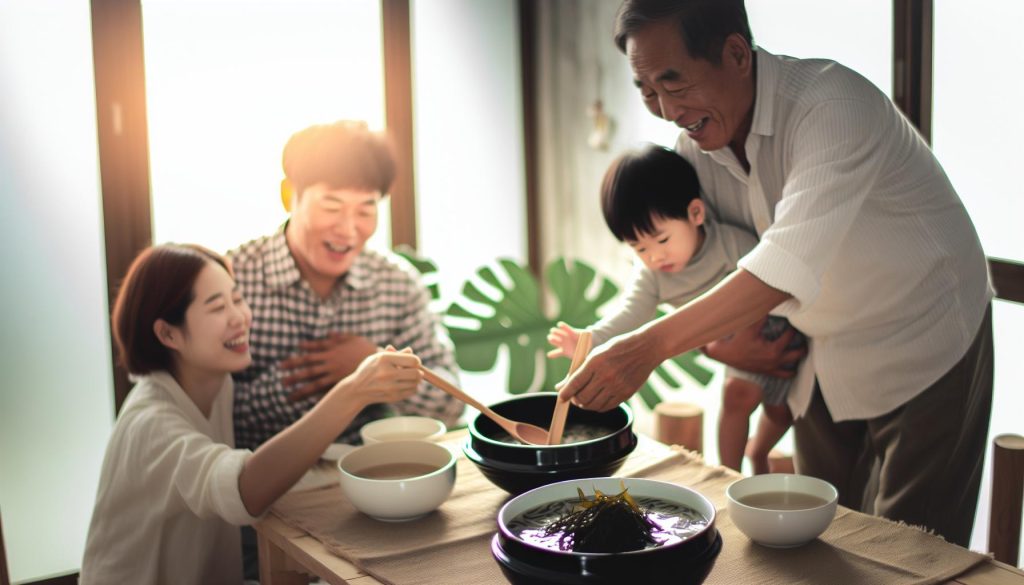

In Korean culture, consuming seaweed soup after childbirth is a cherished tradition, symbolizing nourishment and recovery. Packed with essential nutrients, this dish is believed to aid new mothers in their healing process. Understanding the significance of this ritual reveals how food intertwines with cultural identity and familial care during pivotal life moments.
Understanding the Cultural significance of seaweed Soup in Postpartum care
The Heart of Korean Postpartum Tradition
Korean culture places significant importance on the postpartum period, one of the most critical times in a woman’s life. Among the many customs practiced during this time, the consumption of seaweed soup, or miyeok-guk, stands out for its profound cultural significance. Traditionally, this nourishing broth is believed to offer vital health benefits, including aiding in recovery and boosting lactation. It’s more than just a meal; for many, it symbolizes care, love, and support from family and community during a vulnerable time.
Reasons for Consuming Seaweed Soup
- Nutritional Benefits: Seaweed is rich in vitamins and minerals, especially iodine, calcium, and iron, which are essential for mothers recovering from childbirth.
- Promotes Healing: The nutrients in miyeok-guk are thought to help with healing, replenishing lost strength, and enhancing overall well-being.
- Symbol of Love: Preparing and serving this soup is often a family tradition, reflecting the love and care extended to new mothers.
Historical and Cultural Context
Historically, miyeok-guk has been consumed by Koreans for centuries, not just as a postpartum food but also as a meal enjoyed during birthdays – another significant life milestone. This dual significance underscores the versatility and importance of the soup in celebratory contexts. By incorporating seaweed into the diet post-birth, families honor the mother’s new role and ensure she receives proper nourishment during her recovery.
Additionally, this ritual serves as a reminder of the societal role of women within the family structure, emphasizing the importance of women’s health and recovery after childbirth. With roots in Confucian values, the practice of serving seaweed soup reflects the nurturing aspect of familial relationships, highlighting how community and familial support are crucial during this transformative phase.
Practical Request of Tradition
Many new mothers may wonder how they can incorporate this tradition into their own postpartum care. Here are some practical steps to embrace the cultural significance of seaweed soup:
- Learn the Recipe: Familiarize yourself with traditional miyeok-guk recipes to prepare it with loved ones, sharing the experience and reinforcing family bonds.
- Include Family in the Process: Encourage family members to help prepare the soup, making it a communal activity that emphasizes support and care.
- Adapt the Recipe: While authentic recipes can be adhered to, adapt them according to personal preferences or dietary restrictions to ensure that the new mother enjoys every bite.
Incorporating the tradition of eating seaweed soup after giving birth is not just about nutrition but is also an enriching cultural experience that brings families closer together, all while honoring the new mother during one of the most significant times in her life. can enhance this precious experience, fostering better healing and emotional support.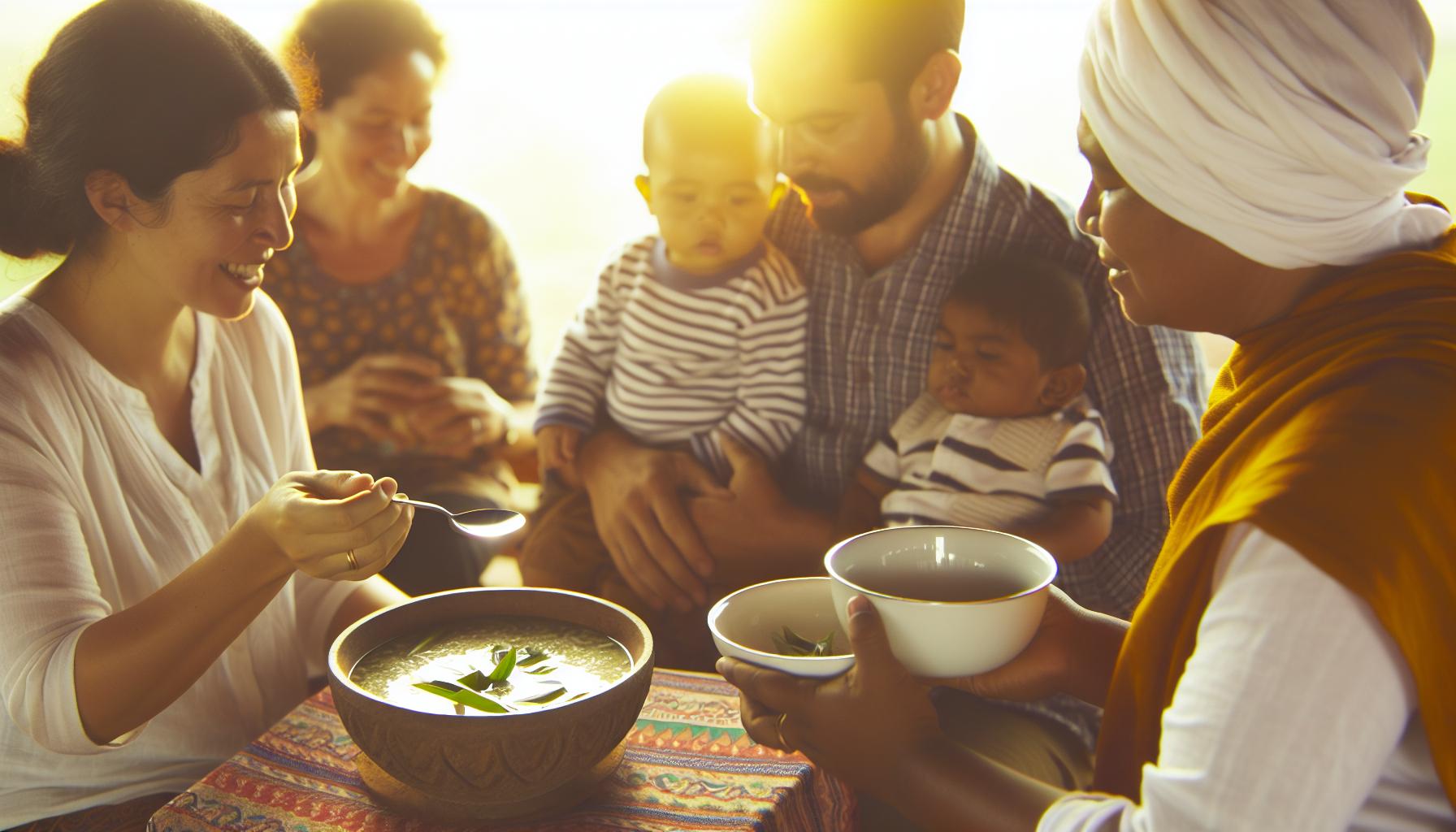
Nutrition and Health Benefits: Why Seaweed Soup is Ideal for New Mothers
Nutritional Powerhouse for New Mothers
After giving birth, many new mothers turn to seaweed soup, a comforting dish rich in nutrients essential for recovery. With approximately 88 calories per cup, this soup is a low-calorie option that provides much-needed sustenance without overwhelming the body during the postpartum period [[1]]. Seaweed is packed with vitamins and minerals, including iodine, calcium, and vitamin K, which are crucial for thyroid health and overall well-being. Incorporating seaweed into the diet can support recovery by promoting healing and replenishing nutrients that may have been depleted during pregnancy and childbirth.
Health Benefits That matter
Beyond its nutritional content, seaweed soup is believed to offer various health benefits that are especially relevant for new mothers. The high fiber content can aid digestion,which is often a concern post-birth. Furthermore, seaweed is known for its ability to support healthy cholesterol levels and has been linked to weight management [[2]]. Consuming seaweed soup regularly may help mothers feel more energetic and balanced as they navigate the demands of caring for a newborn.
Here’s a rapid overview of the nutrition benefits seaweed soup can provide:
| Benefit | Description |
|---|---|
| Rich in Essential Nutrients | Contains vitamins and minerals crucial for recovery and energy. |
| Low in Calories | Helps manage weight while ensuring nutritional intake. |
| Supports Digestion | High fiber content aids in maintaining digestive health. |
Embracing Tradition for Healing
Making seaweed soup a part of postpartum care aligns with traditional Korean beliefs about nurturing and recovery. This age-old practice not only connects new mothers with cultural heritage but also emphasizes the importance of nourishing the body during critical recovery periods. By incorporating this nutrient-rich soup into their diets, new mothers can find a comforting and effective way to support their health, honoring the tradition that emphasizes wellness and care after childbirth.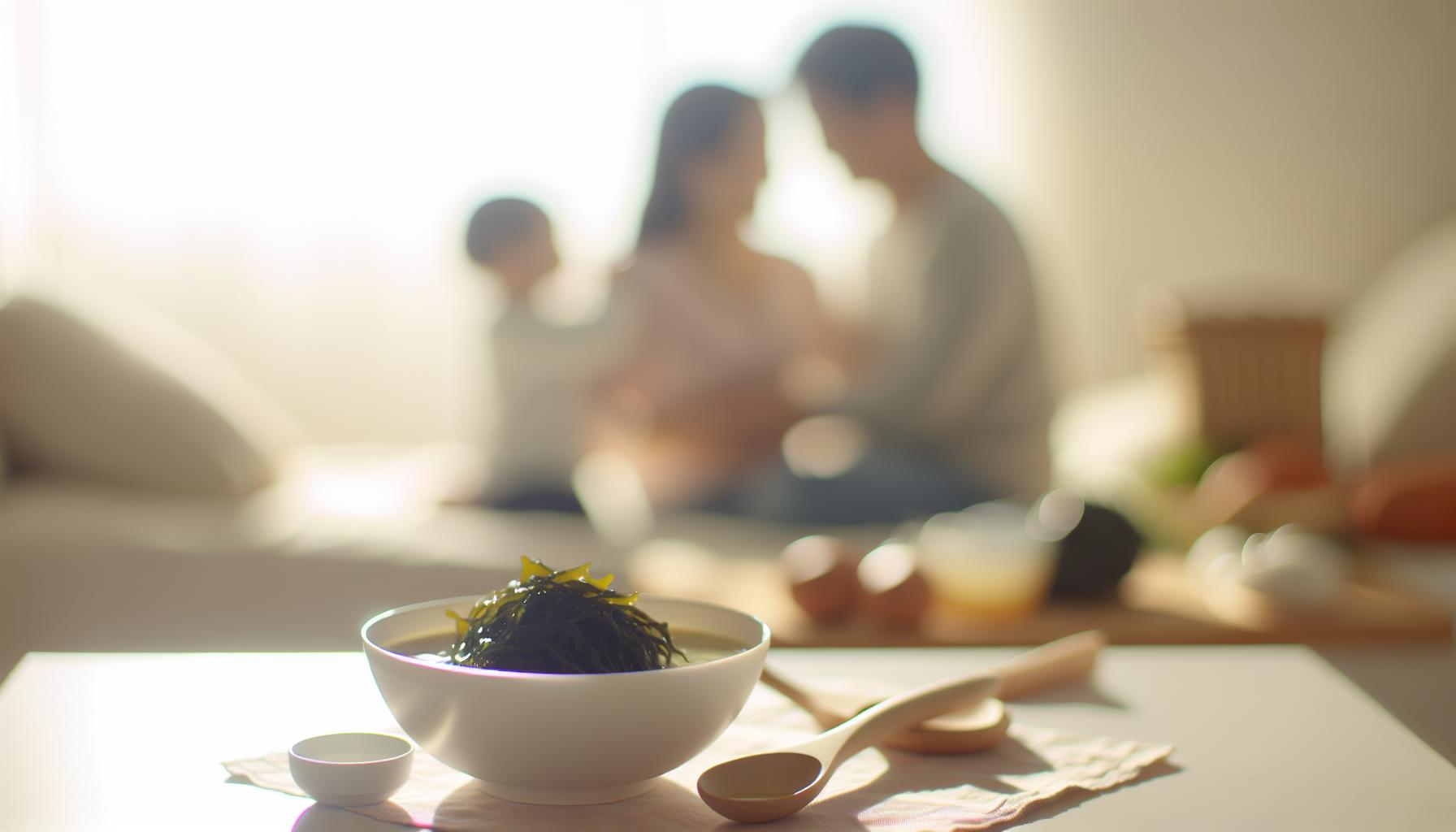
The Role of Seaweed Soup in Korean Traditions and family Bonding
The Significance of Seaweed Soup in Korean Culture
In Korea, the act of eating seaweed soup, known as 미역국 (Miyeok-guk), transcends mere nourishment; it embodies a profound cultural legacy that strengthens family bonds and honors motherhood. Traditionally served during birthdays and postpartum recovery, this cherished dish is more than just a meal; it serves as a heartfelt tribute to mothers who endure the trials of childbirth and nurture their newborns. The nutritional properties of the seaweed, rich in vitamins and minerals, symbolize health and vitality, making it an appropriate choice for celebratory occasions.
- Historical Significance: The practice of consuming Miyeok-guk can be traced back centuries, rooted deeply in Korea’s agrarian traditions. Historically, this dish was believed to provide strength and nourishment to birthing mothers, helping them recover and produce healthy milk for their infants.
- Family Connection: Eating this soup together strengthens familial ties. it is common for family members to gather during a birthday celebration or for a new mother to receive Miyeok-guk from her relatives, highlighting their support and love.
- Culinary Versatility: while traditionally associated with birthdays and childbirth, Miyeok-guk can be enjoyed at any time, allowing families to create new memories around this dish beyond significant life events.
Modern practices and Rituals
In contemporary Korean society, the role of Miyeok-guk has evolved yet remains a central part of various life celebrations. For instance, during birthdays, it is customary to serve seaweed soup to reflect recognition for life and well-being. This custom fosters a sense of continuity, connecting younger generations with their heritage.
| Event | Significance of Miyeok-guk |
|---|---|
| Birthdays | A celebration of the individual’s life and health. |
| Postpartum Recovery | Nourishment and support for new mothers. |
| Family Gatherings | Strengthening family bonds through shared meals. |
Emphasizing the importance of this tradition, Korean mothers instill in their children the values of family compassion and resilience. For those unfamiliar with Korean culture, preparing and sharing Miyeok-guk can be a beautiful way to embrace cultural diversity and foster connections with others. By understanding the significance behind “Why Do Koreans Eat seaweed soup After Giving Birth?” one can appreciate not only the rich flavors of this dish but also the deep meaning it carries within family dynamics and societal values.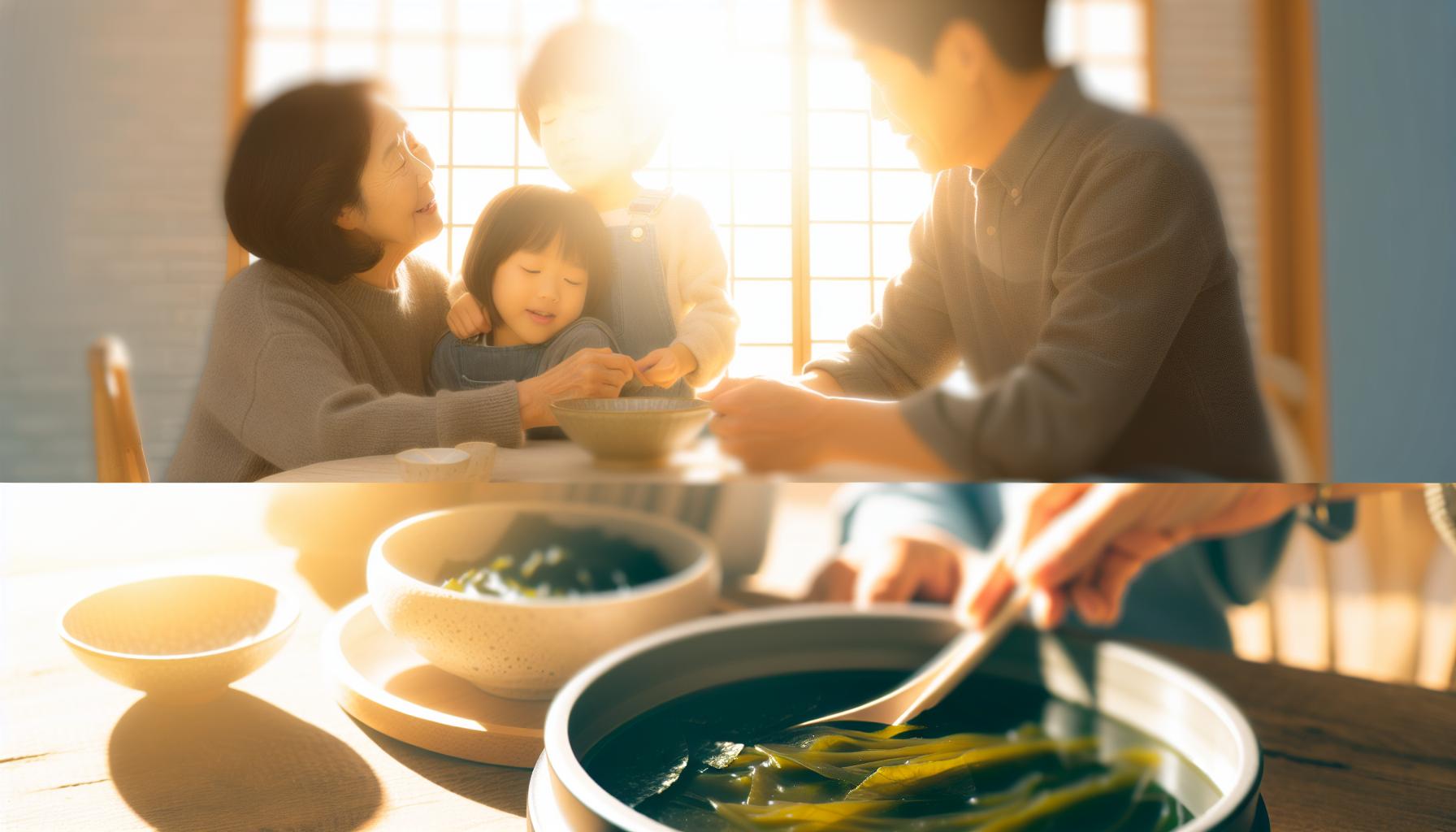
How to Prepare Seaweed soup: tips for New Parents and Caregivers
Crafting Nourishing Seaweed soup: Essential Tips for New Parents and Caregivers
For many Korean families, preparing seaweed soup, known as _miyeokguk_, is an important ritual following childbirth. This soup not only embodies the cultural significance of postpartum recovery but also offers numerous health benefits. The rich nutrients found in seaweed are believed to help replenish vital minerals lost during pregnancy and childbirth. Here are some actionable tips to help you prepare this comforting dish effectively.
- Selecting Quality Seaweed: Begin by choosing high-quality dried seaweed, such as _miyeok_ (wakame). Look for brands that are organic and free from additives to ensure you’re serving the best for recovery.
- Soaking Techniques: Before cooking, soak the seaweed in water for about 10-15 minutes until it expands and becomes tender. This step is crucial, as properly soaked seaweed enhances the soup’s texture and flavor.
- Flavor Enhancements: Traditionally,seaweed soup can be made with beef or seafood for added protein. If you opt for beef, consider using bone broth for a richer taste. Sauté the meat in a bit of sesame oil to bring out a nutty flavor before adding the soaked seaweed.
- Cooking Time: Allow the soup to simmer gently. Too much boiling can ruin the delicate texture of the seaweed.A simmering time of 20-30 minutes will extract full flavors from the seaweed and seasonings.
Sample Recipe Ingredients
| Ingredient | Quantity |
|---|---|
| Dried Seaweed (_Miyeok_) | 1 cup |
| Beef (or protein of choice) | 200 grams |
| Water | 6 cups |
| Sesame Oil | 1 tablespoon |
| Salt | to taste |
With these tips in mind, preparing seaweed soup can be a fulfilling experience for new parents and caregivers alike. Not only does it support physical recovery, but it also connects you to cultural traditions that promote well-being during a vulnerable time. For more insight into the cultural significance of why Koreans eat seaweed soup after giving birth, the rituals surrounding postpartum recovery are deep-rooted in wellness practices that go beyond mere sustenance.
Modern Adaptations: Balancing Tradition with Contemporary Nutritional Needs
The Nutritional Wisdom of Seaweed Soup
In the rich tapestry of Korean culture, the act of consuming seaweed soup after childbirth is not merely about tradition; it embodies a deep understanding of nutrition that has evolved over generations. This dish, known as miyeok-guk, is packed with vital nutrients that are crucial for postpartum recovery. Seaweed is rich in iodine, calcium, and vitamins, which help replenish the mother’s strength and support breastfeeding. This age-old practice demonstrates how traditional dietary habits align seamlessly with contemporary nutritional needs, fostering a holistic approach to health.
Integrating Tradition with Modern Practices
Today, as more families navigate the complexities of modern life, there’s a balancing act between preserving these cultural practices and adapting them for today’s health-conscious consumers. While miyeok-guk remains a staple in many households, variations have emerged that cater to diverse dietary preferences, including vegetarian and gluten-free options.For instance:
- plant-Based Alternatives: Some families opt for seaweed along with a variety of vegetables,creating a nutrient-dense broth that maintains the essence of the traditional recipe.
- Enhanced Flavor Profiles: modern cooks might incorporate spices or herbs that reflect global culinary trends, blending flavors while retaining the health benefits of the original dish.
This adaptability demonstrates a strong commitment to both nutritional wellness and cultural heritage,allowing new mothers to reconnect with their roots while addressing their modern dietary needs.
Practical Steps for Today’s New Mothers
For new mothers looking to embrace both tradition and contemporary nutritional wisdom, preparing miyeok-guk can be straightforward and rewarding. Here are a few actionable steps:
- Choose Quality Ingredients: Select fresh or dried seaweed, organic vegetables, and lean protein sources to create a wholesome dish.
- Adjust for Personal Needs: Don’t hesitate to modify the soup by adding other ingredients like tofu, which provides additional protein, or omitting certain items based on personal dietary restrictions.
- Meal Prep for Convenience: Preparing larger batches of seaweed soup can provide a quick, nutritious meal option during those busy postpartum days.
By maintaining the essence of this cultural dish while adapting it to fit their lifestyles, new mothers can ensure they are honoring their ancestry while catering to their contemporary health requirements—a beautiful melding of past and present that enhances postpartum care.
Expert Insights: What Nutritionists Say About Postpartum Diets
Nutritional Significance of Postpartum Diets
After childbirth, the nutritional choices a mother makes can significantly impact her recovery and overall well-being. A cornerstone of postpartum nutrition across various cultures is the focus on specific nutrient-rich foods designed to aid healing and provide essential vitamins and minerals. This is particularly evident in the Korean tradition of consuming seaweed soup, known as miyeok-guk. nutritionists emphasize the importance of this dish, which is rich in iodine, calcium, and various vitamins, all crucial for a new mother’s postpartum health.
Nutritionists recommend that a postpartum diet should aim to support both physical recovery and emotional well-being. Incorporating a variety of foods can help alleviate mood swings and reduce the risk of postpartum depression. As an example, leafy greens, whole grains, and lean proteins should dominate the plate. A balanced diet during this period not only aids in physical healing but can also enhance mental health, providing mothers with the energy they need to care for their newborns.
Key Nutrients for Postpartum Recovery
Nutritionists suggest focusing on the following nutrients that play a pivotal role during the postpartum period:
- Protein: Essential for healing tissues and muscles. Sources include poultry, fish, beans, and nuts.
- Calcium: Critically important for bone health, especially if breastfeeding.Dairy products, leafy greens, and fortified foods are excellent sources.
- Iron: Crucial for replenishing blood lost during delivery. Foods like red meat,lentils,and fortified cereals are recommended.
- Omega-3 fatty acids: These beneficial fats support brain health and can enhance mood. Fatty fish, walnuts, and flaxseed are ideal sources.
Including seaweed soup in the postpartum diet not only aligns with these nutritional recommendations but also provides a comforting, tradition-rich experience that nourishes both the body and the spirit. By embracing a diet that integrates both cultural practices and nutritional science, new mothers can enhance their recovery and embrace the early stages of motherhood with greater resilience and well-being.
Encouraging Rest and Recovery: the Role of Food in Post-Birth Well-being
Nourishing the Body: The Importance of Post-Birth Nutrition
After giving birth, a woman’s body goes through significant changes as it transitions from pregnancy to motherhood. One of the essential components of this transition is proper nutrition, which plays a crucial role in recovery and overall well-being. Traditional practices, such as consuming seaweed soup, highlight how specific foods can support healing and restoration during this period. This practice, prominent in Korean culture, underscores the importance of nourishing meals packed with nutrients necessary for both physical and emotional recovery.
Seaweed soup, known as miyeok-guk, is rich in vitamins and minerals, particularly iodine and calcium, which are vital for replenishing nutrients lost during childbirth. The consumption of this traditional dish is not merely about sustenance; it reflects a deep cultural understanding of the body’s needs post-delivery. Beyond seaweed, incorporating a variety of foods can enhance recovery:
- Lean Proteins: Foods like chicken, fish, and legumes aid in tissue repair and muscle recovery.
- Whole Grains: Quinoa, brown rice, and oats provide essential carbohydrates for energy, helping new mothers manage postpartum fatigue.
- Fruits and Vegetables: These foods offer antioxidants and vitamins to boost the immune system and promote healing.
- Healthy Fats: Sources such as avocados, nuts, and olive oil support brain health and hormone regulation.
Cultural Significance and Practical Integration
In addition to nutritional benefits,the cultural significance of foods like seaweed soup promotes a sense of community and support. New mothers often receive meals from family and friends, which not only nourishes them physically but also provides emotional comfort during the postpartum period. This practice can be a model for modern postpartum care—encouraging families to organize a meal train or prepare food in advance, ensuring that new mothers receive balanced meals that support their recovery.
Moreover, integrating food rituals establishes a positive mindset towards healing. Encouraging mothers to explore diverse cuisines that emphasize recovery, such as traditional soups and stews from various cultures, can enhance their dietary experience while providing necessary nutrients. celebrating these time-honored traditions—like eating seaweed soup after giving birth—not only fosters physical wellness but also integrates a sense of heritage and belonging that is invaluable during the transformative journey of motherhood.
| Food Type | Nutrition Benefits | Examples |
|---|---|---|
| Lean Proteins | Repair tissues and muscles | Chicken, Fish, Legumes |
| Whole Grains | Provide energy | Quinoa, Brown Rice, Oats |
| Fruits & vegetables | Boost immune system | Berries, Leafy Greens, Bananas |
| Healthy Fats | Support brain health | Avocados, Nuts, Olive Oil |
The role of food after childbirth extends beyond mere sustenance; it is about recovery, nurturing, and embracing community support. Integrating traditional meals like seaweed soup into the postpartum diet not only honors cultural practices but also promotes a holistic approach to recovery for new mothers.
Personal Stories: New Mothers Share Their Experiences with Seaweed Soup
Korean seaweed soup,known as *miyuk guk*,carries profound significance for new mothers,providing nourishment and comfort during the challenging postpartum period. Many women recount their experiences with this traditional dish, often filled with nostalgia and cultural pride. For instance, *Jina*, a recent mother from Seoul, fondly remembers her grandmother preparing large batches of seaweed soup during her confinement period. “Every time I took a sip, it felt like a warm hug,” she shares.this emotional connection to the soup illustrates not only its nutritional benefits but also its role in fostering familial bonds during a time of transition.
another new mother, *Minji*, highlights the planning of *miyuk guk* as a communal affair. “My friends and family all contributed to my postpartum meals,” she reveals. “Some brought ingredients, while others cooked their versions of the soup. It created a beautiful atmosphere of support.” This shared experience not only reflects the importance of the dish in Korean tradition but also emphasizes the collective nature of motherhood, where women support each other through food, love, and shared history.
- Nutritional Benefits: Many mothers believe that the high iron and micronutrient content of seaweed is vital for recovery.
- Healing traditions: The warm broth is thought to aid in healing post-birth, which is a key reason for its consumption.
- Cultural Significance: Women often pass down *miyuk guk* recipes, imbuing them with their own family stories and flavors.
While personal experiences range widely, there’s a shared sentiment among mothers that *miyuk guk* not only nourishes the body but also enriches the spirit.As *Soo-yeon*,a mother from Busan,notes,”I felt empowered every time I made the soup for myself. It reminded me of my strength and the strength of the women before me.” Such reflections emphasize how deeply intertwined the act of eating seaweed soup is with a sense of identity,healing,and community—key elements in understanding why Koreans eat seaweed soup after giving birth.
FAQ
Why Do Koreans Eat Seaweed Soup After Giving Birth?
Koreans eat seaweed soup, or miyeok guk, after giving birth to support recovery and provide essential nutrients. This tradition is rooted in the belief that the soup, rich in vitamins and minerals, helps new mothers restore vitality and promotes breast milk production.
Miyeok, or seaweed, is particularly valued for its health benefits, including calcium and iodine, vital during the postpartum recovery phase. The warm soup is comforting and traditionally shared with the new mother for nourishment and support from family.
What are the health benefits of seaweed soup for postpartum recovery?
Seaweed soup offers numerous health benefits that are particularly advantageous for postpartum recovery. It is indeed rich in vitamins such as A,C,E,and K,as well as minerals like calcium and iron,essential for replenishing nutrients lost during pregnancy.
Additionally, seaweed contains omega-3 fatty acids, which are known to support brain health, an critically important consideration for new parents.The warm nature of the soup also has a soothing effect, aiding relaxation during a perhaps challenging time.
Can I make korean seaweed soup at home?
Yes, making Korean seaweed soup at home is quite simple and requires just a few ingredients. Typical recipes include dehydrated seaweed, garlic, sesame oil, and broth, with variations that may include beef or other proteins for added flavor and nutrition.
To prepare, soak the dried seaweed until it expands, sauté with garlic in sesame oil, then simmer in broth. This easy recipe not only honors tradition but also allows family members to enjoy a nutritious dish together. For a detailed recipe,explore this source.
Why is miyeok guk considered a traditional dish for new mothers?
Miyeok guk has been a traditional dish for new mothers for generations, symbolizing care and nourishment. The custom is deeply entrenched in Korean culture, where emphasizing the health of the mother is pivotal during the postpartum period.
Historically, families prepare this soup to help their loved ones regain strength after childbirth and emphasize the cultural importance of supporting new mothers, celebrating their role in nurturing the family.
How does seaweed soup affect milk production?
Korean seaweed soup is believed to enhance breast milk production due to its nutrient-rich profile. ingredients like iodine and calcium in seaweed are particularly important for lactating mothers, providing essential nutrients for both mother and child.
The additional hydration from the soup can also contribute to overall milk supply. Many mothers find that including miyeok guk in their diet helps them feel more energized and balanced during the nursing period.
What should I consider when eating seaweed soup after childbirth?
When consuming seaweed soup postpartum, it’s important to consider personal dietary restrictions and preferences. While generally healthy, some may need to observe moderation concerning sodium levels, especially if they have dietary conditions.
Consulting with a healthcare provider or a nutritionist can provide personalized advice. Seaweed is nutritious but should be part of a well-balanced diet that meets all your postpartum needs.
Is there a specific time postpartum when seaweed soup is eaten?
Traditionally, seaweed soup is consumed starting from the immediate postpartum period and often during the first month after giving birth. This early consumption underscores its role in aiding recovery and providing essential nutrients during a time of significant physical change.
Many families continue to serve miyeok guk on special occasions, highlighting its lasting importance in Korean culture. as time passes, the soup may transition into a beloved family dish enjoyed for its comforting qualities.
wrapping Up
Understanding the tradition of eating seaweed soup, or Miyeok-guk, after giving birth is a beautiful reflection of Korean culture and the deep appreciation for motherhood. This nourishing dish is not only celebrated during birthdays but also holds significant importance in the postpartum period. Consuming seaweed soup is believed to provide health benefits for new mothers,aiding their recovery and promoting lactation,while simultaneously honoring the sacrifices made during childbirth and nurturing a new life.
As you explore this rich tradition, remember that it embodies a profound respect for mothers, recognizing their strength and resilience. Embracing these kinds of cultural practices can enhance our connection with our heritage, offering insights and support as we navigate the challenges of parenthood.
We encourage you to delve deeper into the meanings behind this tradition and consider how similar customs might exist in your own culture. Sharing stories and learning from one another strengthens our community and fosters a more profound understanding of the journeys we all share as parents. Together, let’s celebrate these traditions that remind us of the blessings and responsibilities of motherhood.
Get our latest guides, news, and insights highlighted in your Google Search & AI Overviews.

