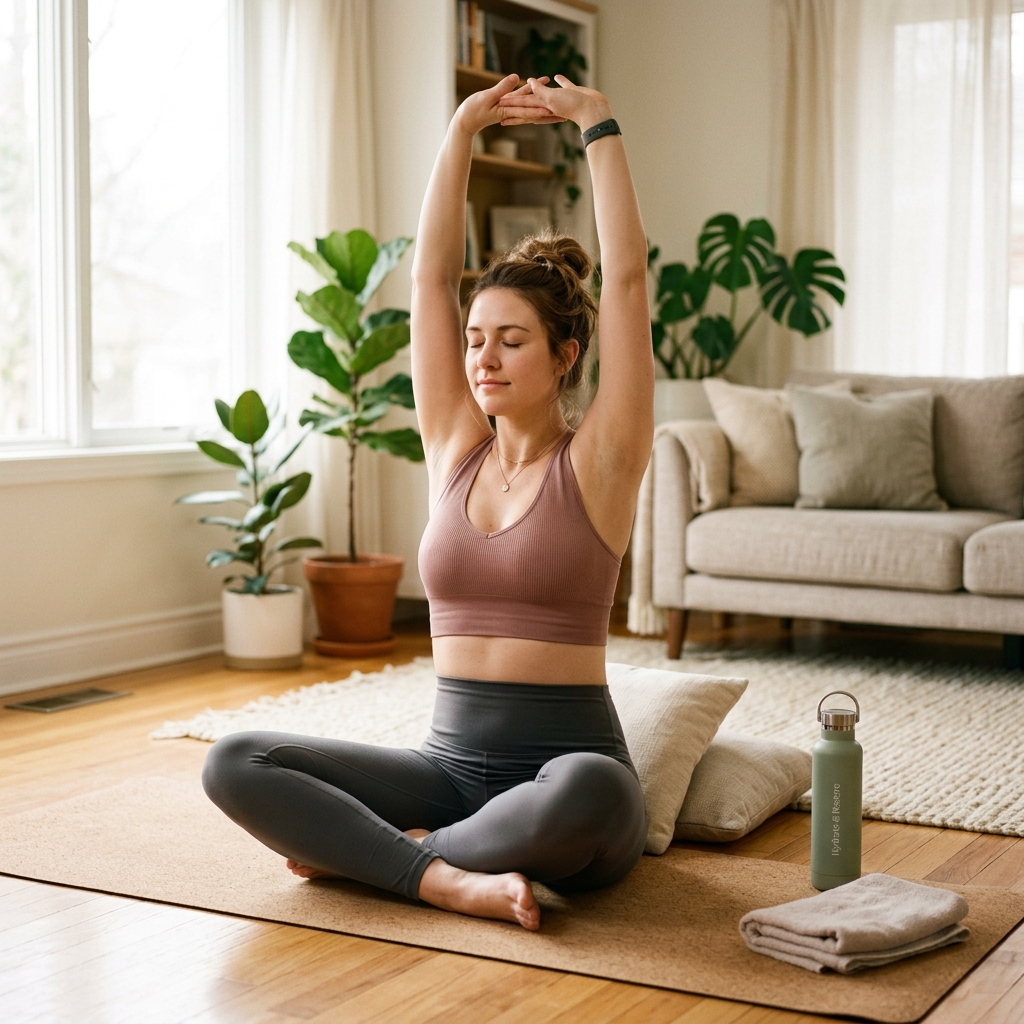

The question of when to start exercising postpartum is fraught with anxiety, conflicting advice, and the immense cultural pressure to “bounce back.” The reality, however, is grounded in biology rather than fitness trends. According to the American College of Obstetricians and Gynecologists (ACOG), postpartum exercise is crucial for reducing the risk of deep vein thrombosis, alleviating postpartum depression, and restoring muscle strength. Yet, jumping into high-intensity workouts too soon is one of the leading causes of long-term pelvic floor damage and prolapse.
The outdated rule of “wait 6 weeks to do anything” has been widely replaced by a more nuanced, individualized approach. Depending on the type of delivery you had, your physical fitness prior to birth, and whether you experienced any complications, you may be cleared for gentle, restorative movement just a few days after delivery — or you may need several months of dedicated physical therapy before attempting a jog.
Key Takeaways
- If you had an uncomplicated vaginal delivery, you can begin gentle movement (like short walks and deep breathing) within days of giving birth, provided you feel ready.
- A C-section is major abdominal surgery. You must wait until your 6-to-8-week postpartum checkup before resuming anything beyond light walking.
- High-impact exercises (running, jumping) and traditional core work (crunches) should be avoided for at least 12 weeks to protect your pelvic floor and healing abdominal wall.
The Official ACOG Guidelines on Postpartum Exercise
The American College of Obstetricians and Gynecologists (ACOG) recently updated their guidelines to emphasize that the postpartum period is a critical time for physical and mental recovery. Their official stance is that women should resume physical activity gradually, as soon as it is medically safe and they feel physically capable.
ACOG specifically notes that returning to exercise can significantly decrease the incidence of postpartum depression and anxiety. However, they caution against the “all or nothing” approach. The goal is not to immediately return to your pre-pregnancy marathon training; the goal is to use movement to facilitate healing. They recommend building up to 150 minutes of moderate-intensity aerobic activity every week, spread across multiple days, once you have fully recovered.
Vaginal Delivery vs. C-Section Recovery Timelines
The method by which you delivered your baby dictates the trajectory of your physical recovery. The trauma sustained by your pelvic floor and abdominal wall varies dramatically between the two.
Uncomplicated Vaginal Delivery
If you had a vaginal delivery without significant perineal tearing (third or fourth degree) or postpartum hemorrhage, your timeline to movement is relatively short. Within 24 to 48 hours, you can begin foundational recovery exercises. This does not mean “working out.” It means taking slow, 10-minute walks around your house or down the street, and practicing diaphragmatic breathing to reawaken your core. If you experience no pain and your bleeding does not suddenly increase, you can gradually extend your walks over the first four weeks.
Cesarean Section (C-Section)
A C-section requires surgeons to cut through skin, fat, connective tissue, and the uterus. The abdominal muscles are separated (though typically not cut) to extract the baby. Because of this massive structural disruption, your primary focus for the first 6 weeks is strictly wound healing.
Walking is encouraged almost immediately to prevent blood clots, but any exercise that engages the core or involves lifting anything heavier than your baby is strictly forbidden. You must wait for your doctor to physically examine your incision and clear you at your 6-to-8-week postpartum appointment before beginning an active exercise routine.
Red Flags: When to Stop Exercising Immediately
Your body has highly effective alarm systems to warn you when you are pushing too hard. If you experience any of the following symptoms during or after a workout, stop immediately and rest for at least 48 hours:
- Increased Lochia (Bleeding): If your postpartum bleeding had faded to brown or pink, and a walk causes it to turn bright red and heavy again, you have overexerted yourself.
- Pelvic Heaviness: A feeling that things are “falling out” or a dragging sensation in your vagina is a cardinal sign of pelvic organ prolapse. High-impact exercise must stop.
- Incontinence: Leaking urine when you exercise is common, but it is not “normal.” It means your pelvic floor cannot currently handle the pressure you are putting on it.
- Abdominal Coning: If your stomach bulges into a ridge or cone shape down the midline during an exercise, you are exacerbating diastasis recti (abdominal separation).
💡 Pro Tip: The “Talk Test”
During the first three months postpartum, you should pass the “talk test” during every workout. If you are breathing so heavily that you cannot comfortably hold a conversation, you are working out too intensely for this stage of recovery. Dial the intensity back by 20%.
5 Safe Exercises to Start With (Days 1–14)
Once you feel ready to move, these five foundational exercises will help reconnect your brain to your core and pelvic floor without risking injury.
1. 360-Degree Diaphragmatic Breathing
Sit or lie down. Inhale deeply so that your ribcage expands outward like an umbrella. As you exhale, gently draw your belly button in and up toward your spine, while simultaneously performing a light Kegel. This is the foundation of all postpartum recovery.
2. The Slow Walk
Walking improves circulation and boosts endorphins without straining the pelvic floor. Start with 10 minutes at a leisurely pace. If you feel good the next day, increase to 15 minutes. Ensure you are walking on flat, even terrain.
3. Pelvic Tilts
Lie on your back with knees bent. Inhale to let your belly relax. Exhale, engage your deep core, and gently tilt your pelvis upward so your lower back presses completely flat against the floor. Hold for 3 seconds, then release.
4. Glute Squeezes
Your glutes “turned off” during pregnancy as your posture shifted. Reawaken them by lying on your back, knees bent. Exhale and squeeze your glutes tightly together for 5 seconds, then release. This prepares your body for future squats and lunges.
5. Ankle Pumps
Especially vital if you are recovering from a C-section or spent time on bed rest. Simply point and flex your feet repeatedly while lying in bed to promote blood flow and reduce the risk of deep vein thrombosis (blood clots) in the legs.
Exercises to Completely Avoid in the First 12 Weeks
The relaxin hormone, which loosened your ligaments for childbirth, remains in your system for up to five months postpartum (even longer if you are breastfeeding). This makes your joints incredibly vulnerable to injury. Avoid the following until your core and pelvic floor are fully rehabilitated:
- Running and Jogging: The repetitive impact puts catastrophic downward force on a healing pelvic floor.
- Jumping and Plyometrics: Box jumps, burpees, and jump rope carry the same pelvic floor risks as running.
- Heavy Weightlifting: Specifically, exercises that require holding your breath or heavy bracing (like heavy deadlifts or barbell squats).
- Traditional Ab Work: Sit-ups, crunches, and Russian twists spike intra-abdominal pressure and prevent diastasis recti from healing.
⚠️ When to See a Pelvic Floor Physical Therapist
If you experience painful intercourse, ongoing urine leakage, lower back pain, or a visible gap in your abdominal muscles at your 6-week checkup, do not attempt to “workout through it.” Request a referral to a pelvic floor physical therapist. They are the gold standard for postpartum functional recovery.
Frequently Asked Questions
When can I start running again after having a baby?
Most pelvic floor physical therapists recommend waiting a minimum of 12 weeks postpartum before attempting to run. Running is a high-impact activity that requires your pelvic floor to absorb significant shock. Attempting it before the muscles have regained tension can lead to prolapse or incontinence.
Will exercising decrease my breast milk supply?
No, moderate exercise does not decrease breast milk supply or affect the nutritional quality of the milk. However, intense, exhausting exercise can lead to dehydration, which will tank your supply. Ensure you drink extra water and consume adequate calories on days you work out.
Why do my joints hurt when I exercise postpartum?
The hormone relaxin, which softens the ligaments in your pelvis to allow the baby to pass through, remains in your bloodstream for several months after delivery. This causes joint instability throughout your entire body, making you more prone to sprains, strains, and joint pain during exercise.
Can I do planks postpartum?
Full front-facing planks should be avoided in the early postpartum weeks, as gravity pulls your internal organs against the weakened abdominal wall, worsening diastasis recti. You can modify them by doing wall planks or incline planks on a sturdy countertop until your deep core strength returns.
What should I do if my bleeding gets heavier after a workout?
If your lochia (postpartum bleeding) suddenly turns bright red, increases in volume, or contains large clots after a workout, it is a clear sign that you have overexerted yourself. Stop exercising, rest horizontally for 24 to 48 hours, and scale back the intensity of your workouts moving forward. Call your doctor if the heavy bleeding does not stop with rest.
Returning to exercise after having a baby requires a profound shift in mindset. You are not “bouncing back”; you are rehabilitating a body that has undergone a massive physical trauma. Treat your first few months of movement with the same caution and respect that an athlete would use when returning from a major injury. Walk slowly, breathe deeply, protect your pelvic floor, and celebrate what your body is capable of healing, rather than what it looks like in leggings.
Get our latest guides, news, and insights highlighted in your Google Search & AI Overviews.