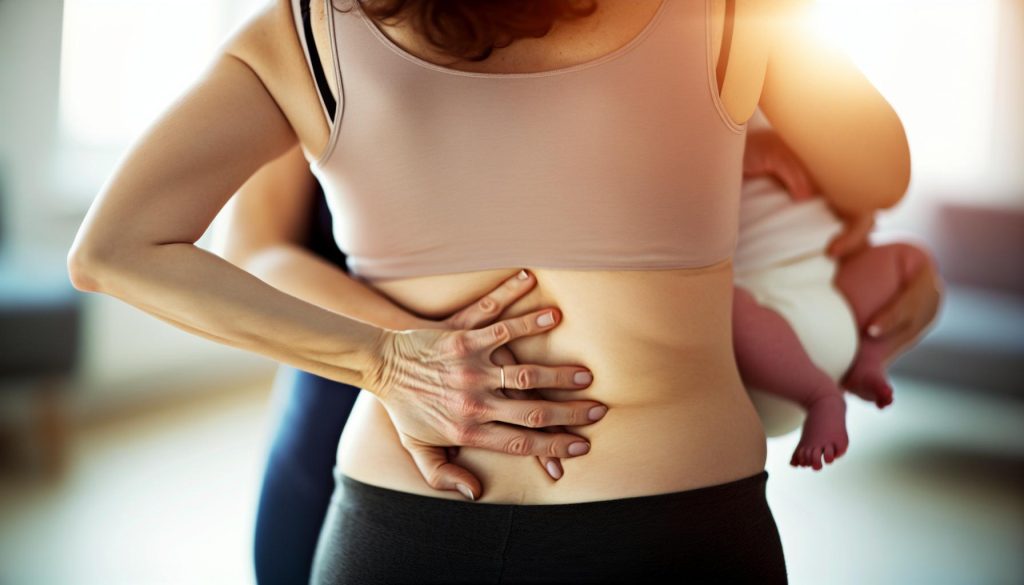

After childbirth, many new mothers encounter the nagging challenge of upper back pain, which can disrupt their joy in motherhood. Understanding the causes and effective treatments is essential for recovery and overall well-being. This article explores expert strategies to alleviate postpartum discomfort, helping you reclaim your comfort and confidence as you embrace your new role.
Understanding the Causes of Upper Back Pain After Childbirth

The Impact of Postpartum Body Changes
Following the amazing journey of childbirth, many women experience various types of discomfort, particularly in the upper back.Hormonal fluctuations and physical changes during and after pregnancy can lead to altered posture and muscle tension. The sheer act of caring for a newborn—feeding, lifting, and carrying—frequently enough exacerbates these issues. New mothers may find themselves hunching over while nursing or bending awkwardly to pick up their baby,all of which can lead to notable upper back pain.
Common Causes of Upper Back Pain After childbirth
Several factors contribute to upper back pain postpartum, and understanding these can help mothers seek effective solutions:
- Poor Posture: Extended periods of sitting or standing in awkward positions can strain the muscles and ligaments in the upper back.
- Muscle Weakness: Pregnancy can weaken the core muscles and affect overall stability, leading to reliance on othre muscle groups, including those in the back, to compensate.
- Physical Strain: Lifting and carrying infants and changing diapers can place additional strain on the upper back.
- Hormonal Changes: Hormones like relaxin remain in the body postpartum, maintaining joint looseness and putting stress on the back muscles.
Real-World Implications
Many new mothers report their upper back pain affects their daily activities, from caring for their baby to returning to work. A caregiver’s posture can greatly influence the likelihood of developing pain. For instance, those who frequently rock their babies while seated in low chairs or on couches may exacerbate their discomfort. Finding proper ergonomic support and techniques is crucial.
Effective Strategies for Relief
To combat upper back pain postpartum, consider the following actionable steps:
- Strengthening Exercises: Engaging in targeted exercises can restore strength to weakened areas. Focus on core strength to provide better back support.
- posture Correction: Practicing good posture while sitting,standing,and holding your baby can considerably reduce strain.
- Physical therapy: A physical therapist can offer personalized exercises and therapies to relieve pain and improve mobility.
- Massage and Acupuncture: These therapies are reported by many mothers as effective means to alleviate upper back discomfort and should be considered as part of a holistic treatment plan.
is essential not only for alleviating discomfort but also for empowering new mothers to resume their active lifestyles. By addressing posture,strengthening muscles,and utilizing professional therapies,postpartum pain can be effectively managed,allowing women to enjoy motherhood with greater ease.
Practical Tips for Alleviating Discomfort at Home

Effective Strategies to Soothe Discomfort at Home
Navigating the postpartum period can be particularly challenging for new mothers dealing with upper back pain. Frequently enough, discomfort arises from changing body mechanics and carrying the new responsibilities that come with motherhood. Though, there are practical, at-home strategies that can significantly alleviate this pain and promote recovery.
- Mindful Posture: Practicing good posture while breastfeeding or bottle-feeding can definitely help reduce strain on your upper back. use supportive pillows and ensure you are seated comfortably to avoid hunching over.
- gentle Exercises: Incorporate simple exercises such as neck stretches, shoulder rolls, and thoracic spine mobility. Focus on building core strength, which can stabilize your back and improve your overall posture. Explore options like yoga or Pilates,which are beneficial for new mothers.
- heat Therapy: Applying a warm compress or heating pad to the affected area can offer immediate relaxation and pain relief. Try to set aside time each day for this soothing practice.
- Regular Movement: Find opportunities to stand, stretch, and walk throughout the day. engaging in light physical activity helps prevent stiffness and encourages better circulation.
Building a Supportive Habitat
Your living space can significantly impact your comfort levels during the postpartum recovery. Here are a few adjustments to consider that can definitely help ease upper back pain:
| Modification | Benefit |
|---|---|
| Adjustable Chairs | Encourages proper posture during baby care activities. |
| Pillows for Support | Provides extra support while nursing, reducing strain on the back. |
| Baby Carrier with Back Support | Distributes weight evenly, preventing strain on the upper back while carrying your baby. |
Implementing these changes can create a nurturing environment that aids recovery from upper back pain postpartum. Listen to your body and make adjustments wherever necessary to foster both your and your baby’s well-being.
Expert-Recommended Exercises to Strengthen Your Back
Effective Exercises for postpartum Upper Back Strength
Experiencing upper back pain postpartum is not uncommon, especially due to the physical and hormonal changes that occur during and after pregnancy. Incorporating targeted exercises into your routine can significantly alleviate discomfort and strengthen the muscles around the upper back. Here are some expert-recommended exercises that can help you regain strength and flexibility.
- Scapular Retraction: Sit or stand up straight. Pull your shoulder blades together and down, as if trying to tuck them into your back pockets. Hold for five seconds and release. Repeat this ten times to strengthen your upper back muscles.
- Cat-Cow Stretch: Begin on your hands and knees in a tabletop position. As you inhale, arch your back, letting your belly drop (Cow Pose). Exhale and round your back,tucking your chin (Cat Pose). Alternate between these positions for 1-2 minutes to improve flexibility and relieve tension.
- Wall Angels: Stand with your back against a wall, feet about four inches away. With your arms bent at 90 degrees, slide them up and down against the wall. Aim for ten repetitions. This exercise helps improve posture and strength in the upper back.
- Pelvic Tilts: Lie on your back with your knees bent and feet flat on the floor. Tighten your abdominal muscles and pull your belly button towards your spine while flattening your lower back against the floor. Hold this position for 5-10 seconds before releasing. Repeat ten times to engage the core and support your back.
Creating a Routine for Success
To effectively strengthen your upper back and combat postpartum pain, consistent practice is essential. Following a routine that incorporates these exercises 3-4 times a week can offer substantial benefits. You might consider integrating them into your daily activities, such as doing a few sets while watching TV or practicing stretches during your baby’s nap time.
Moreover, keeping a journal of your progress can definitely help motivate you. note improvements in your strength, flexibility, and any reduction in pain. In just a few weeks, many new mothers report feeling more comfortable and stronger in their movements, which directly impacts their ability to care for their babies and engage in everyday activities.
| Exercise | Repetitions | Frequency |
|---|---|---|
| Scapular Retraction | 10 | Daily |
| Cat-cow Stretch | 1-2 minutes | Daily |
| Wall Angels | 10 | 3-4 times a week |
| Pelvic Tilts | 10 | 3-4 times a week |
By incorporating these exercises into your postpartum recovery routine, you’ll not only strengthen your upper back but also enhance your overall well-being, allowing you to tackle the demands of motherhood with greater ease and comfort. Remember to consult with a healthcare professional before starting any new exercise program, especially after pregnancy, to ensure it’s suitable for your specific needs.
When to Seek Professional Help for Postpartum Pain

Recognizing Complications That Require Immediate Attention
Understanding when to seek professional help after experiencing upper back pain postpartum is crucial for a swift recovery. While some discomfort is expected during the postpartum period,certain symptoms may indicate a more serious issue. If you encounter persistent pain that does not improve with rest or basic pain management techniques, it may be time to consult a healthcare professional. This is especially vital if you notice any of the following signs:
- Severe and Sudden Pain: A sudden, intense spike in pain can suggest a severe underlying condition.
- Numbness or Tingling: If you experience numbness or a tingling sensation in your arms or hands,this may indicate nerve involvement.
- Difficulty Breathing: Upper back pain accompanied by breathing difficulties is a serious symptom that requires immediate medical attention.
- Signs of Infection: Fever, chills, or unusual drainage from an incision site following surgery can be signs of infection.
When Pain Impacts Daily Activities
If your upper back pain postpartum interferes with daily tasks such as caring for your baby or performing routine household duties,it is a signal to seek assistance. Pain that limits your ability to engage in basic activities can lead to compounded stress and hinder your recovery journey. A healthcare professional can provide targeted treatment, which may include physical therapy, pain management strategies, or choice therapies tailored to your specific needs.
In some cases, early intervention can prevent chronic pain conditions that might develop if the underlying issues are left unaddressed. Here are additional symptoms that warrant contacting your healthcare provider:
- Persistent Pain: Any pain lasting longer than a few weeks should be evaluated.
- Radiating Pain: Pain that radiates into your arms or legs can indicate more severe conditions.
- Swelling or Redness: Noticeable swelling or redness around the painful area can signal inflammation or other conditions requiring attention.
Ultimately,listening to your body and understanding the signs indicating when to seek professional help can significantly enhance your recovery experience. Remember, you don’t have to endure postpartum discomfort alone; expert solutions are available to ease your upper back pain and improve your quality of life.
The Importance of Posture in Managing Back Pain

The Crucial Role of Posture in Alleviating Upper Back Pain
Maintaining proper posture is essential not only for overall health but also significantly impacts the prevention and management of upper back pain, especially in the postpartum phase.Many new mothers find themselves in awkward or unsupported positions while breastfeeding, caring for their babies, or during daily tasks, which can exacerbate discomfort in the upper back. Poor posture can lead to strain on the spine, create muscle imbalances, and contribute to chronic pain conditions if not addressed promptly.
Why Good Posture Matters
When the spine is aligned correctly, it distributes body weight evenly and minimizes stress on the surrounding muscles and ligaments. Conversely, slouching or leaning forward places additional pressure on the spinal structures, leading to fatigue and pain. Here are some key reasons why good posture is vital:
- Reduces Spinal Strain: Proper alignment helps to distribute force evenly through the spine, reducing the likelihood of strain and injury.
- improves Muscle Efficiency: Good posture allows muscles to work efficiently, thus decreasing the risk of muscle fatigue and discomfort.
- Enhances Breathing: Standing or sitting tall opens up the chest, facilitating better airflow and oxygenation, which can improve overall energy levels.
Posture tips for Postpartum Recovery
Incorporating small habits into your daily routine can lead to significant improvements in posture, thus easing upper back pain. Here are some practical suggestions:
- Breastfeeding Position: Use cushions or pillows to support your arms and baby while breastfeeding to maintain an upright posture.
- Ergonomic Furniture: Invest in chairs and workspaces that promote good posture, especially when spending extended periods sitting.
- Regular Stretching: Engage in stretches that target the shoulders, chest, and back to relieve tightness and strengthen supporting muscles.
| Posture Habit | Benefits |
|---|---|
| Maintain a neutral spine | Reduces back strain and supports spinal health |
| Engage core muscles | Stabilizes the torso and improves overall posture |
| Pacing activities | Prevents fatigue and allows the body to recover |
Integrating these posture-conscious practices into daily life can significantly mitigate the discomfort that often accompanies upper back pain postpartum. By focusing on proper alignment and body mechanics, new mothers can pave the way to a smoother recovery and a healthier lifestyle overall.
Integrating Self-Care into Your Parenting Routine

Embracing Self-Care for Better Postpartum Well-Being
Navigating the journey of motherhood can sometimes feel overwhelming, especially with the physical strain that follows childbirth, such as upper back pain. As you focus on caring for your newborn, remember that attending to your own needs is equally vital. Small, intentional acts of self-care can significantly alleviate discomfort and enhance your overall well-being. When you prioritize your health, you are better equipped to care for your child, creating a positive cycle of nurturing and wellness.Practical Self-Care Strategies
Integrating self-care into your daily routine doesn’t have to be time-consuming. Here are some simple yet effective strategies:
- Set aside short breaks: Dedicate 10 to 15 minutes each day for activities you enjoy. Weather that’s reading a book or meditating, these moments can help recharge your spirit.
- Incorporate gentle stretches: Engaging in light stretching or yoga can relieve tension in the upper back. Specifically, child’s pose and cat-cow stretches are excellent for easing postpartum back pain.
- Go outdoors: A brief 10-minute walk in nature can do wonders for your mental health. The fresh air and change of scenery will invigorate you.
- Mindful breathing: Practicing mindful breathing exercises can help reduce stress levels. Deep inhales and slow exhales can ease both physical discomfort and emotional strain.
Creating a Self-Care Routine
Establishing a regular self-care routine can enhance your emotional and physical resilience. Consider these steps to weave self-care seamlessly into your parenting schedule:
Schedule Your Time
Just as you would schedule a pediatric appointment or a feeding time,mark self-care moments on your calendar. Treat these times as non-negotiable commitments to ensure you maintain your health while managing upper back pain postpartum.
| Time of Day | Self-Care Activity |
|---|---|
| Morning | 10 minutes of gentle stretching |
| Afternoon | A 10-minute walk outside |
| Evening | 15 minutes of reading or a relaxing bath |
By thoughtfully incorporating these self-care practices into your day, you not only counteract upper back pain postpartum but also cultivate a nurturing environment for both you and your child. Prioritizing your health is a vital step in your parenting journey, fostering a happier and healthier family dynamic.
Finding the Right Support: Therapies and Treatments Available
Complete Therapies for Upper Back Pain Postpartum
Experiencing upper back pain after childbirth is a common issue for many new mothers. The joy of welcoming a new baby can often be overshadowed by discomfort, but there are numerous effective therapies and treatments available to address this pain. Understanding your options is the frist step toward relief and recovery.
Physical Therapy:
Engaging with a licensed physical therapist can make a significant difference in managing upper back pain postpartum. Physical therapy frequently enough includes tailored exercise programs that focus on strengthening the back and core muscles, which are vital for supporting your body during motherhood. Techniques like pelvic floor therapy can also provide relief by addressing underlying muscular tensions that may be contributing to your discomfort [[3]].
Home Remedies:
For immediate relief at home, many women can benefit from simple, non-invasive strategies.some of the most effective methods include:
- Heating Pads: applying heat can soothe tight muscles and improve blood circulation.
- Ice Packs: These can help reduce inflammation and numb sharp pain.
- gentle Stretches: Incorporating stretches specifically designed for new moms can alleviate tension and promote flexibility.
It’s essential to consult with professionals who can guide you in identifying the best stretches suited for your condition [[2]].
Medications and Injections:
If pain persists despite conservative treatments,discussing further options with a healthcare provider is crucial.Some may recommend over-the-counter pain relief medications or more advanced treatments such as epidural steroid injections or radio-frequency ablation for persistent back pain [[1]]. These therapies can provide significant pain relief,allowing new mothers to return to their daily activities with greater ease.
Finding the right support for upper back pain postpartum is not just about alleviating discomfort; it’s also about empowering mothers to enjoy their new roles. Explore these therapies and treatments to discover a tailored approach to your recovery journey.
Nurturing Your Body: Breastfeeding and Back Pain Connection
Breastfeeding is a beautiful and intimate experience, but it often comes with its own set of physical challenges, particularly in the form of back pain. Recent studies indicate that a striking 84% of breastfeeding mothers report experiencing back pain at least once a month, with pain occurring frequently in the cervical and mid-back areas[[1](https://pmc.ncbi.nlm.nih.gov/articles/PMC11360292/)]. This connection between breastfeeding and back discomfort can largely be attributed to posture and the physical demands of infant care.
Understanding the Causes of Back Pain
As new mothers adjust to breastfeeding, they may find themselves in awkward positions for extended periods, leading to muscle strain and discomfort. Common culprits include slumping in chairs, leaning too far forward, or hunching shoulders while holding the baby. These positions not only strain the spine but can also create tension in surrounding muscles. To combat this, it’s essential to be mindful of ergonomic breastfeeding positions that support the body effectively.
Practical Solutions for Pain Relief
To alleviate back pain while breastfeeding, consider the following actionable tips:
- Choose Optimal Positions: Utilize supportive pillows to elevate the baby to breast height, reducing strain on your back and neck.
- Take Breaks: Change positions frequently and take short breaks to stretch and relieve any tension.
- Incorporate Gentle exercise: Engaging in walking or postpartum yoga can help strengthen back muscles and improve flexibility.
In addition, integrating stretching exercises specifically targeting the upper back can provide immediate relief. Such as, a simple upper back stretch involves clasping your hands together and reaching forward while rounding your shoulders.
Utilizing Supportive Resources
Many mothers find relief through additional resources such as physical therapy or massage. these options can tailor recovery plans to individual needs, addressing both immediate discomfort and long-term postural issues. Heat packs, applied to sore areas, also work wonders in easing tension.
By being proactive about posture and incorporating supportive techniques, mothers can enjoy a more comfortable breastfeeding journey, effectively reducing the incidence of back pain postpartum. Remember, nurturing your body is just as essential as nurturing your baby during this precious time.
Frequently Asked Questions
What is Upper Back Pain Postpartum?
Upper Back Pain Postpartum refers to discomfort experienced in the upper back areas after childbirth. This condition is common among new moms due to changes in body mechanics and posture during pregnancy and childbirth.
As your body adjusts after delivering the baby, muscle tension and strain from lifting and carrying can lead to this painful condition. It’s essential to recognize these symptoms and explore appropriate solutions. Seeking guidance from qualified practitioners in postpartum care can offer tailored strategies for relief and recovery.
Why does Upper Back Pain occur after childbirth?
Upper Back Pain Postpartum can arise from several factors, including hormonal changes, physical strain, and altered posture. these changes can lead to muscle imbalances that affect how you move.
During pregnancy, the body’s hormones loosen ligaments, which may cause instability. After childbirth, new moms frequently enough experience changes in their physical workload, such as frequent lifting, which can exacerbate upper back discomfort. Understanding these factors can definitely help in developing targeted recovery strategies.
How can I relieve upper Back Pain Postpartum?
To ease Upper Back Pain Postpartum, consider gentle stretching and strengthening exercises specifically designed for postpartum recovery. Engaging in physical therapy can be particularly effective.
Practices like yoga or specialized stretching routines can help restore flexibility and strength. Additionally,consulting with a certified pelvic therapist can provide personalized approaches to tackle this discomfort effectively. You can explore more about therapeutic options on our site.
Can I prevent Upper Back Pain during breastfeeding?
Yes, you can prevent Upper Back Pain Postpartum during breastfeeding by maintaining proper posture. Using supportive pillows and ensuring your baby’s alignment can significantly reduce strain.
Consider setting up a comfortable breastfeeding station with adequate back support to minimize the chances of tension building up in your upper back. Regular breaks and adjustments are also advisable to maintain comfort and prevent pain.
What are common signs of Upper Back Pain Postpartum?
Common signs of Upper Back Pain Postpartum include discomfort during movement, tightness around the shoulder blades, and pain worsening after lifting or nursing. These symptoms can vary in intensity.
Recognizing these signs early can assist in seeking timely interventions. If your experiencing persistent pain, it’s advisable to consult a healthcare professional for evaluation and treatment options.
when should I seek professional help for Upper Back pain Postpartum?
Seek professional help for Upper Back Pain Postpartum if your discomfort is severe, persistent, or affects daily activities. This can indicate underlying issues that may require targeted intervention.
Early consultation with a healthcare provider can help you create an effective management plan and prevent long-term complications. Don’t hesitate to reach out for support; managing pain is crucial for your overall well-being.
What treatments are available for Upper Back Pain Postpartum?
There are several effective treatments for Upper Back Pain Postpartum, including physical therapy, chiropractic adjustments, and improved ergonomic practices during daily activities.
Using modalities like heat therapy,gentle exercise,and relaxation techniques can enhance recovery. Consider exploring comprehensive therapy options available to aid your healing process. A proactive approach can significantly improve your quality of life during the postpartum phase.
To Wrap It Up
managing upper back pain postpartum is not just about addressing physical discomfort; it’s about nurturing yourself during this transformative phase of parenthood. By incorporating strategies such as core strengthening, seeking professional help from pelvic health therapists, and exploring alternative therapies like acupuncture and massage, you can find relief and regain your strength [[1]](https://legacytherapystl.com/post-partum-shoulder-neck-and-upper-back-pain/) [[2]](https://www.integratedneurologyservices.com/blog/postpartum-back-pain-how-to-get-relief) [[3]](https://www.reddit.com/r/beyondthebump/comments/16gr0rc/struggling_with_severe_mid_to_upper_back_pain/). Remember, you are not alone in this journey—many parents experience similar challenges, and there are practical solutions available. We encourage you to explore these methods further and connect with supportive communities that understand your experiences. your well-being is crucial, and by taking proactive steps, you can ease discomfort and embrace this beautiful chapter of parenthood with confidence.
Get our latest guides, news, and insights highlighted in your Google Search & AI Overviews.