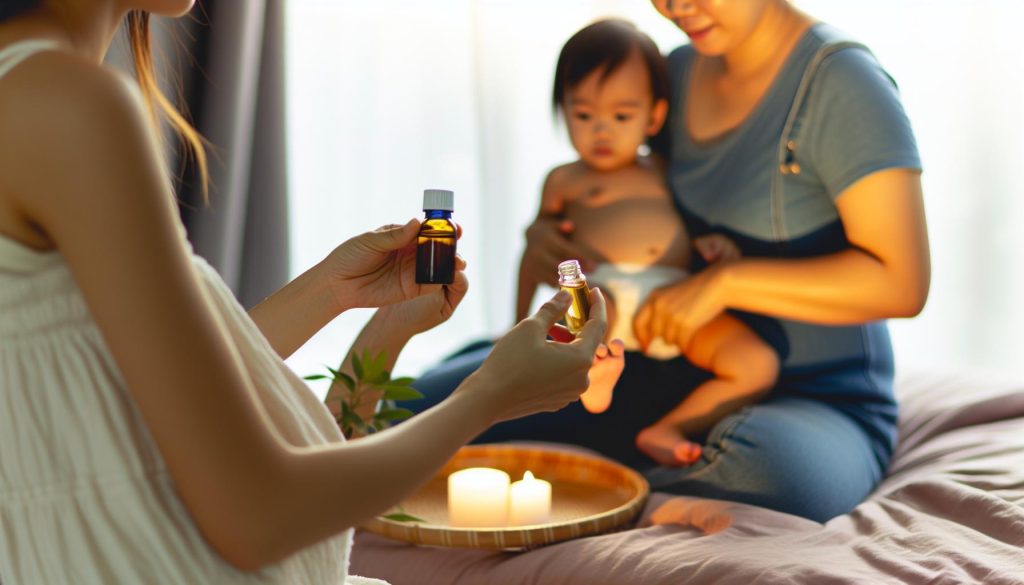

Navigating postpartum recovery can be challenging, especially when it comes to managing discomfort. Many are turning to the soothing properties of tea tree oil for their padsicles, but how safe and effective is it? Understanding the benefits and precautions of this natural remedy is essential for a smoother healing process.Let’s explore how this essential oil can enhance your recovery while keeping safety in mind.
Understanding the Soothing Properties of Tea tree Oil
Unveiling the Calming Effects of Tea Tree Oil
Did you know that tea tree oil, derived from the leaves of the Melaleuca alternifolia tree, has been used for centuries for its remarkable soothing properties? This essential oil is renowned not only for its potent antimicrobial effects but also for its ability to calm irritated skin and promote healing. When included in padsicles—cooling, soothing pads designed for postpartum comfort—tea tree oil can provide added relief during the recovery process.
One of the key components of tea tree oil is terpinen-4-ol, which is responsible for much of its therapeutic effects.This compound helps fight inflammation and can aid in reducing redness and swelling in the affected areas. By incorporating tea tree oil into your padsicles, you can harness these natural anti-inflammatory powers to enhance comfort during the postpartum period.Here are some notable benefits:
- Antimicrobial Action: Helps prevent infection, ensuring that the area remains clean and less prone to irritation.
- Anti-inflammatory Properties: Reduces swelling and redness, making it ideal for soothing sensitive skin.
- Natural Pain Relief: Provides a cooling sensation that can alleviate discomfort.
Using Tea Tree Oil in Padsicles
To maximize the benefits of tea tree oil in your padsicles, it is essential to follow safe dilution practices. A typical advice is to mix a few drops of tea tree oil with a suitable carrier oil, such as coconut or almond oil, before applying it to the pads. This not only enhances the soothing effect but also minimizes the risk of skin irritation. For those considering this approach, conducting a patch test prior to widespread use is advisable to ascertain individual skin sensitivity.
Here’s a simple guideline for making your own tea tree oil-infused padsicles:
| Ingredients | Instructions |
|---|---|
| 4-5 menstrual pads | Start with clean and dry pads. |
| 1 tablespoon of tea tree oil | Blend with 2 tablespoons of carrier oil. |
| Sealable plastic bag | Place the pads in the bag and saturate with the oil mixture. |
| Freezer | Freeze until ready to use for soothing relief. |
incorporating tea tree oil in your postpartum care routine can greatly enhance your comfort and promote healing. Remember, while tea tree oil offers numerous benefits, it’s essential to consider personal allergies or sensitivities. Being informed and prepared can lead to a much smoother recovery process.
How to Safely incorporate Tea Tree Oil into Your Padsicles

Benefits of Tea Tree Oil in Padsicles
Incorporating tea tree oil into your padsicles can offer a refreshing and soothing experience.Known for its antimicrobial properties, tea tree oil can help reduce the risk of infections during recovery. It has been shown that it effectively combats various skin issues, making it an excellent addition to padsicles particularly for postpartum care. The natural properties of tea tree oil not only aid in healing but can also help alleviate any discomfort or irritation in sensitive areas.
to safely incorporate tea tree oil into your padsicles, consider the following steps:
- Choose the Right Concentration: Always use diluted tea tree oil. A concentration of 1% to 2% is generally considered safe for topical submission. This can be achieved by mixing a few drops of tea tree oil with a carrier oil, like coconut or olive oil.
- Patch Test: Before applying your infused pads, perform a patch test on a small area of skin to ensure no allergic reactions occur. Wait 24 hours and check for any irritation.
- Mix with Other Ingredients: Blend the diluted tea tree oil with soothing ingredients such as aloe vera gel or calendula oil. This combination can enhance the soothing effects and reduce any potential irritation.
- Application Method: When preparing your padsicles, add a few drops of the tea tree oil mixture to each pad.Ensure even distribution to avoid concentrated areas that could irritate the skin.
Storage and Usage Tips
To maintain the potency of your tea tree oil padsicles, consider the following storage tips:
| Tip | Description |
|---|---|
| Keep Refrigerated | Store your padsicles in the refrigerator to enhance their soothing effects and prolong durability. |
| Limit Exposure to Air | Seal your padsicles in airtight containers to prevent evaporation and contamination. |
| Expiration check | Use your padsicles within a few weeks to ensure the ingredients remain effective and safe. |
By following these guidelines,you can safely incorporate tea tree oil into your padsicles,harnessing its many benefits while minimizing any risk.Take care to adjust your ingredients based on your skin’s sensitivity and enjoy a calming, healing experience during your postpartum recovery.
The Healing Benefits of Tea Tree Oil for Postpartum Care
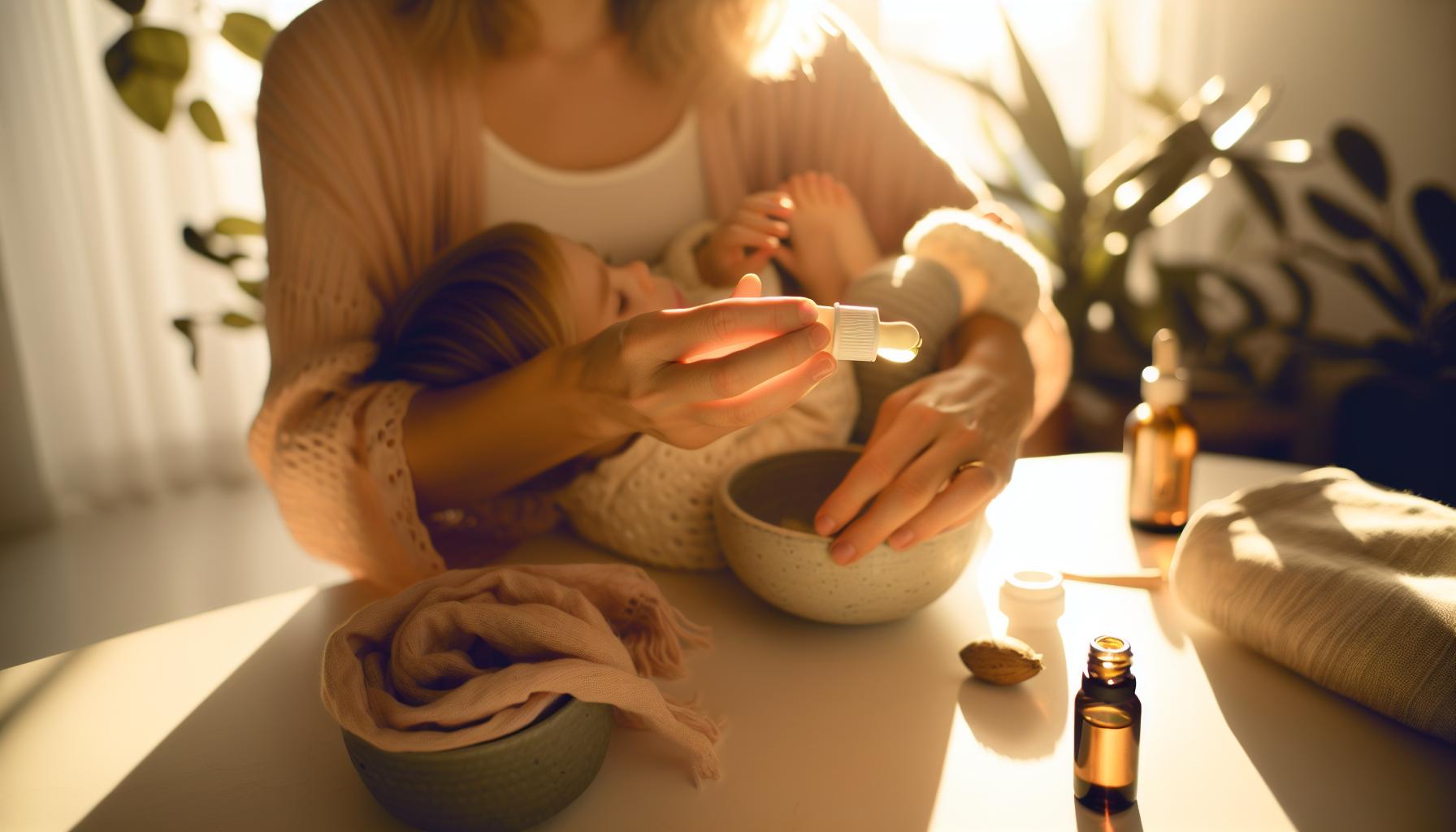
Tea tree oil is renowned not just for its antibacterial properties, but also for its myriad benefits in postpartum recovery. After childbirth, many women experience a range of physical changes, including inflammation and irritation in sensitive areas. Incorporating tea tree oil into your postpartum care routine can help soothe discomfort and promote healing. Its natural antiseptic qualities help prevent infections, making it a valuable ally during the healing process.
Using tea tree oil in homemade padsicles is an effective way to harness its soothing properties. Padsicles, which are cold, infused pads, can provide refreshing relief to the perineal area. To create tea tree oil padsicles, simply soak a pad in a mixture of water, aloe vera gel, and a few drops of tea tree oil before freezing. This combination not only cools the area but also delivers anti-inflammatory benefits, promoting a faster recovery.
- Natural Healing: Tea tree oil helps in reducing redness and swelling.
- Antimicrobial Action: It combats bacteria, ensuring the healing site remains clean.
- Calming Aromatherapy: The scent of tea tree oil can also provide a soothing aromatherapy experience, enhancing relaxation during recovery.
While tea tree oil is generally safe for topical use, it is essential to ensure proper dilution to prevent skin irritation. Always perform a patch test before using it on sensitive areas, especially after childbirth when the skin might potentially be particularly sensitive. By integrating tea tree oil into your postpartum care plan, you can not only feel more agreeable but also speed up the healing process effectively.
Essential Precautions When Using Tea Tree Oil

Understanding the Importance of Precautions with Tea tree Oil
Tea tree oil is renowned for its potent antimicrobial properties, making it a popular choice for various skincare applications, including padsicles. Though,its strength necessitates caution to avoid potential adverse effects. Proper usage can maximize the benefits while safeguarding your skin and health.
- Patch Test First: Before incorporating tea tree oil into your routine, especially in products like padsicles, perform a patch test. Apply a small amount diluted with a carrier oil to a discreet area of skin and wait 24 hours to monitor for any allergic reactions, such as redness or irritation.
- Dilution is Key: Applying tea tree oil directly to the skin can lead to irritation. Always dilute it with a carrier oil, such as coconut or sweet almond oil, especially when using it for sensitive areas. A general guideline is to mix one drop of tea tree oil with at least five drops of carrier oil.
- avoid Sensitive Areas: Despite its benefits, tea tree oil is not recommended for use on broken skin or mucous membranes. This includes areas prone to irritation during postpartum healing; use it judiciously, avoiding direct contact with open wounds or sensitive tissues.
- Consult Healthcare Providers: If you are pregnant, nursing, or have underlying skin conditions, seek advice from your healthcare professional before using tea tree oil. Its crucial to ensure that its use is safe in your specific circumstances.
Storage and Expiration Considerations
To maintain the efficacy of tea tree oil, proper storage is essential. Keep it in a cool, dark place away from sunlight to prevent degradation. Also, be aware of the expiration date; using expired tea tree oil can lead to diminished effectiveness and potential skin irritation.
| Storage Tips | Best practices |
|---|---|
| Keep away from light | Store in a dark glass bottle |
| Store in a cool area | Avoid high humidity spaces,like bathrooms |
| Check expiration date | Dispose of expired oil properly |
By observing these precautions,users can safely enjoy the many advantages of tea tree oil for padsicles while minimizing any potential risks,ensuring a soothing and beneficial experience during recovery.
Tips for Making DIY Padsicles with Tea Tree Oil
Crafting Your own Padsicles with tea Tree Oil
Making DIY padsicles can be a refreshing and nurturing way to provide comfort during your menstrual cycle or postpartum recovery. By adding tea tree oil, you not only harness its soothing properties, but you also take advantage of its natural antiseptic qualities. Before diving in, consider these essential tips to create your own effective and rejuvenating padsicles.
- Choose the Right Ingredients: Opt for organic cotton pads,as they are free from synthetic materials and chemicals,making them more suitable for sensitive skin. Ensure you select a tea tree oil that is 100% pure and high-quality to maximize benefits.
- Infusion Recipe: For a soothing blend, combine approximately 1 to 3 drops of tea tree oil with about 30 ml of a carrier oil, such as coconut oil or almond oil. This dilution helps to ensure that the tea tree oil is gentle on your skin while still delivering its beneficial properties.
- Cooling Technique: Once you have created your mixture, gently spread it over the pads and place them in a resealable plastic bag.Freeze the pads for at least a couple of hours prior to use. The cooling sensation will help reduce inflammation and provide a refreshing relief.
- Application Timing: Use the padsicles during your period or after childbirth when swelling and discomfort might be more pronounced. Applying them for 20-30 minutes can optimize their soothing effects without overexposure to the cold.
Safety Precautions to Consider
While tea tree oil is known for its many benefits, it’s crucial to use it thoughtfully. here are some key precautions to observe:
| Consideration | Details |
|---|---|
| Patch Test: | Before applying the tea tree oil mixture,conduct a patch test on a small area of skin to ensure no allergic reactions occur. |
| Moderation: | Use tea tree oil sparingly. Overapplication may cause irritation, especially in sensitive areas. |
| Consultation: | If you have any underlying medical conditions,or are pregnant or breastfeeding,consult a healthcare professional before using tea tree oil in your padsicles. |
By following these practical tips for creating DIY padsicles infused with tea tree oil, you can ensure a soothing and beneficial experience that addresses discomfort while prioritizing your health and safety.
Navigating Sensitivities: Is Tea Tree Oil Right for You?
Understanding Your Skin’s Response
When it comes to incorporating tea tree oil into padsicles, it’s vital to be aware of how your skin might respond to this potent essential oil. Often praised for its antimicrobial and anti-inflammatory properties, tea tree oil offers notable benefits, especially for postpartum recovery. However, not everyone’s skin will react the same way, and sensitivity to tea tree oil can range widely.
Before using tea tree oil, consider performing a patch test. To do this, dilute a drop of tea tree oil with a carrier oil such as coconut or almond oil in a small area on your forearm. Wait for 24 hours to observe any reaction. If you experience redness, itching, or irritation, it’s best to avoid using it in your padsicles altogether. Remember, a little goes a long way, and moderation is key.
Potential Allergic Reactions
Some individuals may have an allergy to tea tree oil, which could lead to more serious reactions. Here are some signs to look out for:
- red or inflamed skin: Persistent irritation may indicate an allergic reaction.
- Hives or rash: Look for raised, itchy welts as a sign to stop use.
- Swelling: Any swelling around the application site warrants immediate discontinuation.
If you have a history of allergies to essential oils or sensitive skin conditions, consult a healthcare professional before introducing tea tree oil into your regimen. Your provider can give tailored advice and may suggest alternatives that can still provide relief without the risk of adverse reactions.
Combining Tea tree oil with Other Ingredients
When crafting your padsicles, it’s essential to consider how tea tree oil interacts with other ingredients.For a safe and effective blend, follow these guidelines:
| Ingredient | Compatibility with Tea Tree Oil | tips for Use |
|---|---|---|
| Witch Hazel | Highly compatible | Add for soothing relief and anti-inflammatory effects. |
| Aloe Vera Gel | Highly compatible | Hydrates and calms irritated skin; mix for a soothing effect. |
| Coconut Oil | Moderately compatible | Dilutes tea tree oil effectively; use in moderation to avoid greasiness. |
| Alcohol-based products | Incompatible | Avoid mixing as it can lead to irritation. |
By understanding how tea tree oil works and the potential sensitivities it can create, you can make informed decisions about whether it’s the right fit for your postpartum recovery padsicles. Always prioritize your skin’s health and respond to its needs wisely.
Expert Advice: When to Seek Alternatives to Tea Tree oil
While tea tree oil is heralded for its antiseptic properties and soothing effects, there are scenarios where an alternative may be a wiser choice. For those exploring its use in padsicles, understanding when to opt for other treatments is essential for safety and effectiveness.
Recognizing Allergic Reactions
If you notice any signs of an allergic reaction after using tea tree oil—such as redness, itching, or rash—it’s crucial to discontinue use immediately. In such cases, alternatives like lavender oil or a simple coconut oil application may provide soothing benefits without the risk of irritation. Always conduct a patch test before using any new product, especially on sensitive skin areas.
Infections or Severe Discomfort
In situations involving clear signs of infection or severe discomfort, such as persistent itching, unusual discharge, or unusual odors, it’s advisable to seek medical attention rather than relying on tea tree oil. Conditions like bacterial vaginosis or yeast infections require tailored treatments. Always consult a healthcare provider for the best approach, as tea tree oil is not a substitute for medical advice or treatment.
When Pregnant or Nursing
Pregnant or nursing individuals should exercise caution with tea tree oil. As the safety of essential oils during these periods is not fully established, considering alternatives like specialty formulated calendula or chamomile creams could be safer options. Always discuss with a healthcare professional prior to incorporating any new products into your regimen to ensure both mother and child are protected.
| Situation | Recommended alternatives |
|---|---|
| Allergic Reaction | Lavender Oil, Coconut Oil |
| Signs of Infection | Consult Healthcare Provider |
| Pregnancy/Nursing | Calendula Creams, chamomile Infusions |
By being aware of these circumstances and having a plan in mind, you can navigate your wellness journey more confidently, ensuring that your treatment choices remain safe and appropriate for your specific needs.
Empowering Your Recovery: Holistic Approaches to Postpartum Comfort
Did you know that incorporating essential oils into your postpartum care can elevate your recovery experience significantly? As new mothers navigate the physical and emotional challenges of postpartum healing, holistic approaches can offer comfort and support. Among these, the use of tea tree oil for padsicles stands out as a natural and effective method to enhance wellness.
Understanding the Role of Tea Tree oil
Tea tree oil is renowned for its antiseptic properties, making it a valuable asset in postpartum care.When added to padsicles, it can help soothe irritated skin, reduce inflammation, and ward off potential infections in an area that is particularly vulnerable during the recovery phase. The refreshing scent of tea tree oil can also have a calming effect, promoting emotional well-being while navigating the complexities of new motherhood.
creating Your Healing Padsicles
Making tea tree oil-infused padsicles is a simple process that can provide immediate relief and empowerment during your recovery. Here’s how you can create these healing pads:
- Supplies Needed: Unbleached cotton pads, organic aloe vera gel, a few drops of tea tree oil, and a resealable plastic bag.
- Preparation Steps:
- Begin with clean hands and workspace.
- In a bowl, mix a tablespoon of organic aloe vera gel with 2-3 drops of tea tree oil.
- Coat the cotton pads with this mixture.
- Pack the prepared pads into the resealable bag and place them in the freezer for a few hours.
- Application: When your ready to use, simply remove a padsicle from the freezer and place it in your underwear for immediate soothing relief.
Precautions and Best Practices
while tea tree oil for padsicles offers numerous benefits,it’s essential to proceed with caution. Here are some key considerations to ensure a safe and effective experience:
| Precaution | Description |
|---|---|
| Patch Test | Before using tea tree oil, apply a small amount to the inside of your wrist to check for any allergic reactions. |
| Avoid Overuse | Using excessive amounts of tea tree oil can lead to skin irritation; always stick to 2-3 drops per padsicle. |
| Consult Your Healthcare Provider | If you have sensitive skin or a history of allergies, discuss the use of essential oils with your obstetrician or midwife. |
By embracing holistic practices such as tea tree oil for padsicles, new mothers can carve out a path for a more comfortable and empowering recovery. Prioritizing self-care through natural remedies not only promotes physical healing but also nurtures emotional well-being during this transformative life stage.
Q&A
What is Tea Tree Oil for Padsicles?
Tea Tree Oil for Padsicles refers to the use of tea tree oil infused in frozen pads designed to provide soothing relief after childbirth or during menstrual discomfort. This essential oil is known for its antimicrobial, anti-inflammatory, and healing properties.
This combination of tea tree oil and padsicles helps to calm irritated skin,reduce swelling,and promote healing. Many women find this remedy comforting and effective during postpartum recovery. However, it’s essential to consider precautions when using tea tree oil due to its potency and potential sensitivity for some individuals.
Why should I use Tea Tree Oil for Padsicles?
Using Tea Tree Oil for Padsicles can greatly benefit new mothers by providing soothing relief and promoting faster recovery post-birth. Its natural properties help alleviate discomfort and support skin healing.
Many women value tea tree oil for its ability to fight infections and reduce inflammation. When combined with ice, the cooling effect can also numb pain, offering a dual approach to postpartum care. Always ensure to use it safely by properly diluting the oil before application to avoid irritations.
Can I use Tea Tree Oil for Padsicles on sensitive skin?
yes, but caution is necessary. If you have sensitive skin, it’s crucial to dilute tea tree oil with a carrier oil, like aloe vera or coconut oil, before incorporating it into your padsicles.
Testing a small patch of skin first can definitely help determine any possible reactions. It’s importent to remember that while tea tree oil is natural, it can still cause irritation for some. Listening to your body and adjusting usage is vital in making sure your postpartum experience remains comfortable.
How do I make Tea Tree Oil Padsicles at home?
Making Tea Tree Oil padsicles is simple. Start by taking a standard sanitary pad and adding a few drops of diluted tea tree oil to it, then roll it up and freeze. This creates a cold, soothing pad to use during recovery.
For best results, use natural pads without added chemicals or fragrances.Feel free to experiment with adding other soothing ingredients, like chamomile or witch hazel, to enhance the padsicle experience. For a detailed guide, check out our complete article on padsicles recipes.
Are there any precautions to consider when using Tea Tree Oil for Padsicles?
Yes, several precautions should be taken. Tea tree oil is a concentrated substance and should always be diluted to avoid skin irritation.Pregnant women should also consult with their healthcare provider before use.
Moreover, it’s crucial to store your padsicles in a safe and hygienic manner. If you experience any adverse reactions, such as redness or itching, discontinue use immediately. Prioritizing safety ensures a positive experience during your recovery period.
Can I use tea Tree Oil for Padsicles after a C-section?
Yes, but it’s best to consult your doctor first. If you’ve had a C-section, ensuring that all healing is going smoothly before applying any topical treatments is critically important.
Your healthcare provider can give you tailored advice based on your individual recovery journey. Some women report that padsicles help with residual discomfort, but personal sensitivity or complications should always be discussed with a medical professional first.
How often can I use Tea Tree Oil Padsicles?
Tea Tree Oil Padsicles can typically be used as needed. Many women may find comfort and relief by using them multiple times a day, depending on their level of soreness.
listening to your body is key. If a particular frequency is causing irritation or discomfort, adjust your usage accordingly. It can also be helpful to alternate with other soothing therapies, making self-care versatile and effective during postpartum recovery.
In Retrospect
as we wrap up our exploration of tea tree oil for padsicles, it’s essential to remember the balance between natural remedies and safety. The soothing properties of tea tree oil can provide much-needed relief during postpartum recovery, but it’s crucial to use it wisely. Always dilute it properly and consider any sensitivities your body may have.Parenting comes with its challenges, and taking care of yourself is just as important as caring for your little one.We hope this guide empowers you to make informed choices and encourages you to trust your instincts. If you’re curious to delve deeper into other self-care practices or have questions about natural remedies,we invite you to explore more on our website. Your journey is unique, and we’re here to support you every step of the way.
Get our latest guides, news, and insights highlighted in your Google Search & AI Overviews.