

Many new mothers experience foot pain,particularly due to conditions like plantar fasciitis exacerbated by the physical demands of caring for a newborn. Understanding how to alleviate this discomfort is crucial for maintaining mobility and overall well-being during postpartum recovery. This article provides effective tips for managing foot pain, helping you regain comfort and confidence in your daily activities.
Understanding Postpartum Plantar Fasciitis: What You Need to Know

Understanding Postpartum Plantar Fasciitis
Postpartum plantar fasciitis is an often-overlooked complication that can significantly impact the daily lives of new mothers. This condition arises from inflammation of the plantar fascia, a thick band of tissue that runs across the bottom of the foot and connects the heel bone to the toes. After the physical demands of pregnancy and childbirth,many women experience changes in foot mechanics,leading to discomfort and pain,particularly during the first steps in the morning or after prolonged periods of inactivity.
- Symptoms: New mothers may notice a sharp heel pain that subsides with movement but returns after rest.
- Risk Factors: Factors such as weight changes, hormonal shifts, and increased foot pronation can contribute to this painful condition.
practical Steps to Address Pain
To alleviate postpartum plantar fasciitis, a multi-faceted approach is frequently enough the most effective. Here are some actionable tips to consider:
- Footwear Choices: Invest in supportive footwear that provides adequate arch support and cushioning. This can mitigate strain on the plantar fascia.
- Stretching Exercises: Regularly stretch your calves and feet. Simple exercises, such as calf raises and standing on your toes, can enhance flexibility and reduce pain.
- Orthotic Inserts: Consider using orthotic inserts, like Superfeet, which can offer additional support and help correct postural issues that contribute to foot pain [[3](https://www.reddit.com/r/beyondthebump/comments/up47em/postpartum_plantar_fasciitis/)].
When to Seek professional Help
While self-care strategies can significantly alleviate symptoms,some cases of postpartum plantar fasciitis may require professional intervention. If pain persists despite home treatments, or if it severely limits daily activities, consulting a healthcare provider specializing in physical therapy is essential. They can assess your condition and recommend specific treatments, such as manual therapy or tailored rehabilitation exercises.
By understanding the dynamics of postpartum plantar fasciitis and actively engaging in these practical steps,new mothers can find relief and reclaim their mobility during this transformative stage of life.
Common Symptoms of Foot Pain After Pregnancy
Understanding Foot Pain in the Postpartum Period
Experiencing foot pain after pregnancy is a common yet often overlooked aspect of postpartum recovery. This discomfort frequently manifests as sharp or aching pains, particularly noticeable in the morning or after extended periods of standing or walking. Such pain can significantly impact daily activities, making it crucial for new mothers to recognize the symptoms and seek relief.
Key Symptoms of Postpartum foot Pain
Among the most prevalent symptoms of postpartum foot pain, particularly plantar fasciitis, the following can be identified:
- Morning Pain: A common symptom includes sharp pain upon waking, which tends to lessen with movement throughout the day.
- Sustained Discomfort: persistent ache after being on your feet for long periods, indicating the need for rest and potential interventions.
- Swelling: Many women experience fluid retention that contributes to swelling in the feet and ankles, exacerbating discomfort.
- Stiffness: Stiffness in the arches of the feet can occur, especially after sitting for extended periods.
These symptoms frequently enough arise due to collapsed arches and ligament laxity that many women face post-pregnancy, leading them to develop conditions such as plantar fasciitis that might potentially be difficult to manage (as noted by various practitioners) [[2]].
Real-World Impact on Daily life
the implications of not addressing foot pain can extend beyond discomfort – they can interfere with the joys of motherhood. For instance, activities such as carrying the baby, playing with older children, or even the simple task of running errands can become daunting if foot pain is left unmanaged.
To combat these symptoms, it’s vital to incorporate strategies that focus on both relief and prevention. Simple steps such as wearing supportive footwear, practicing gentle stretches, and consulting with healthcare professionals specializing in postpartum care can facilitate recovery and enhance overall well-being.Considering these insights from the realm of postpartum plantar fasciitis, new moms can take proactive steps towards feeling better and reclaiming their mobility.
Practical Tips for Alleviating Plantar Fasciitis Discomfort
Understanding and Managing Discomfort After Pregnancy
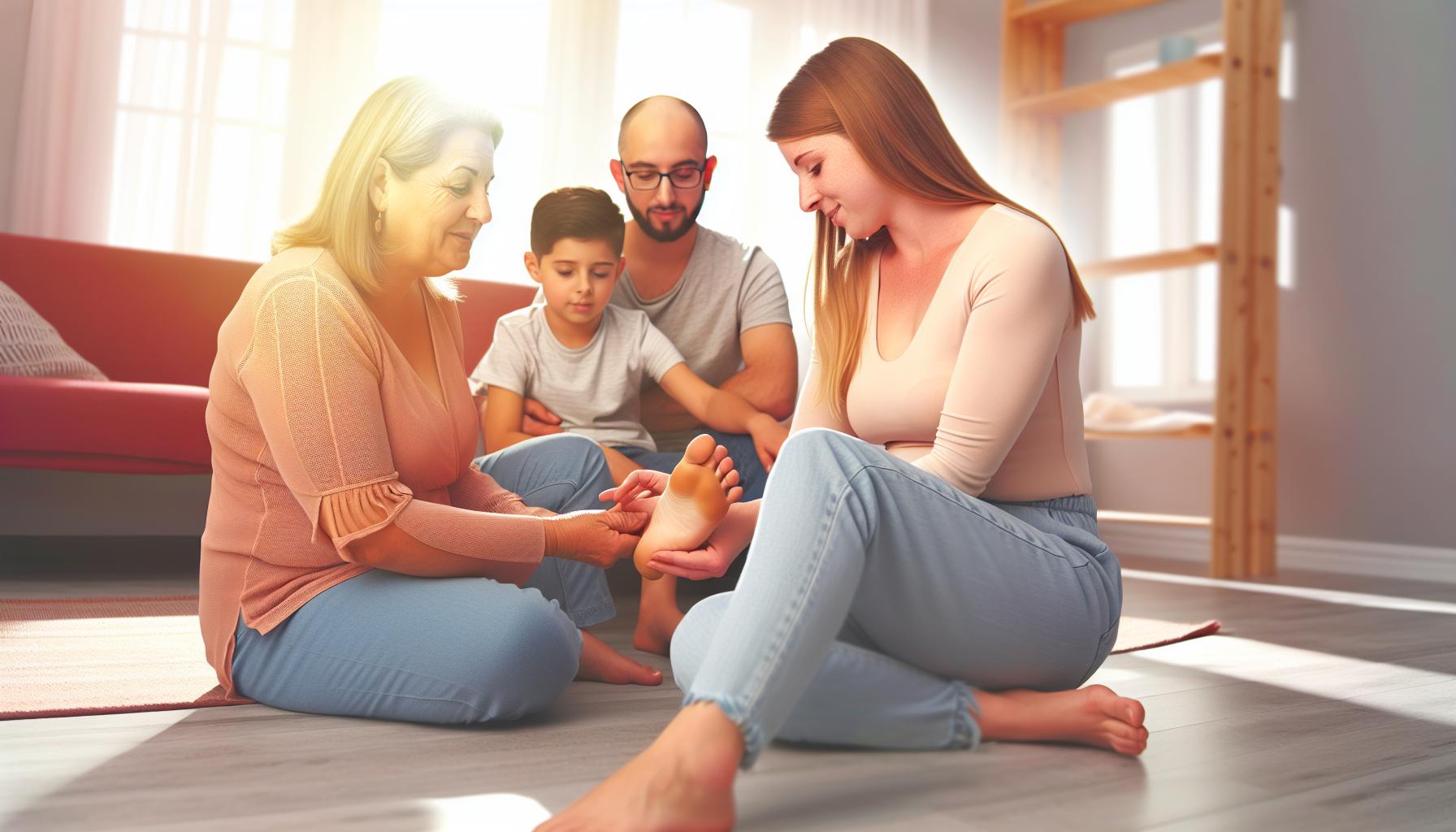
Experiencing foot pain after pregnancy is not uncommon, and postpartum plantar fasciitis can be a significant source of discomfort for many new mothers. This condition arises when the plantar fascia—the thick band of tissue that runs across the bottom of your foot—becomes inflamed. Fortunately, there are several practical strategies to alleviate this pain and promote healing.
- Stretching and Strengthening Exercises: engage in a regular routine of lower-body stretching. Focus on calf stretches and toe curls to enhance flexibility and strength. Simple exercises, such as standing on a step and letting your heels drop below the level, can significantly help in easing tension on your plantar fascia.
- Footwear Choices: Invest in supportive shoes that provide the necessary stability to your foot structure. look for footwear with arch support and cushioning. Avoid walking barefoot or wearing flat shoes, as they can exacerbate pain.
- Cold Therapy: Implement cold therapy for relief from inflammation. Using a cloth-covered ice pack on the affected area for 15-20 minutes several times a day can help reduce swelling and numb the pain, offering significant temporary relief.
- Self-Massage Techniques: Practicing self-massage on your feet can help alleviate tension in the plantar fascia. Roll a tennis ball or a specialized foot roller under your foot for a few minutes each day to stimulate circulation and ease discomfort.
Creating a Supportive Recovery Routine
Establishing a daily routine that incorporates these practical tips will promote healing and reduce the discomfort associated with postpartum plantar fasciitis.Adjust your activities to include restorative measures, such as elevating your feet when resting and applying gentle pressure through massages.
| Tip | Description |
|---|---|
| Stretching Routine | Incorporate calf and toe stretches into your daily exercise regimen. |
| Proper Footwear | Choose shoes with arch support and cushioning to alleviate stress on your feet. |
| Cold Treatment | Apply ice to the area of pain for effective inflammation reduction. |
| Self-Massage | Use a tennis ball to massage the sole of your foot for pain relief. |
By consistently applying these strategies, you can manage the discomfort of postpartum plantar fasciitis effectively, allowing you the freedom to care for your new baby without the burden of foot pain. Remember,healing takes time,so be gentle with yourself and consider consulting a healthcare professional if symptoms persist.
The Importance of Footwear: Choosing the Right Shoes for Healing

The Role of Footwear in Recovery from Postpartum Foot Pain
Selecting the appropriate footwear is crucial for new mothers experiencing postpartum plantar fasciitis. Proper shoes can alleviate discomfort and promote faster healing,significantly impacting daily activities—weather it’s caring for a newborn or returning to pre-pregnancy fitness routines.Research indicates that supportive shoes, particularly those designed with advanced cushioning and arch support, can help in minimizing the strain placed on the foot’s structure, leading to reduced pain and enhanced comfort throughout the day[[3](https://pubmed.ncbi.nlm.nih.gov/26342178/)].
When choosing the right shoes, consider the following elements that contribute to foot health and recovery:
- Arch Support: Good arch support can help distribute weight evenly and reduce pressure on the plantar fascia.
- Cushioning: Shoes with ample cushioning absorb shock during walking,aiding in pain relief.
- Heel Height: Low-heeled shoes are generally recommended. Avoiding high heels promotes natural foot positioning.
- fit: Ensure that shoes fit snugly without being too tight and allow enough room for your toes to move easily.
Types of Shoes to Consider
Investing in footwear that supports recovery not only helps in managing pain but also improves overall mobility. Here are a few options that fit these criteria:
| Type of Footwear | Benefits |
|---|---|
| KURU Shoes | Utilize patented heel-hugging technology to relieve foot fatigue and provide superior support[[1](https://www.kurufootwear.com/?srsltid=AfmBOooDax7r4Gq262QxpA3DmdfesLepxoHEjnwcBNPfuzxktPLljTxu)]. |
| VELOUS Footwear | Designed for recovery,they help restore foot health after strain from activities[[2](https://www.velousfootwear.com/?srsltid=AfmBOorhvxb-Houe2NiPWVgY360fMyqqL_vkoG5Fm7fbh3vtVWTvfy_K)]. |
Incorporating these types of footwear into your daily routine greatly supports healing from postpartum plantar fasciitis. Each step taken in supportive shoes fosters recovery, allowing mothers to enjoy their new roles without being hindered by foot pain. By prioritizing footwear that enhances comfort and provides necessary support, new moms can focus on what truly matters—bonding with their child and rediscovering their strength.
Strengthening Exercises to Support Your Feet Post-Pregnancy

Understanding Foot Strength Post-Pregnancy
Pregnancy places significant strain on a woman’s body, including the feet, which can lead to conditions like plantar fasciitis. Strengthening your feet after childbirth is not only beneficial for relieving pain but also crucial for long-term foot health. Incorporating targeted exercises can help restore balance, improve flexibility, and build strength in the foot’s arch and surrounding muscles.
Effective Strengthening Exercises
Begin your journey toward healthier feet with these simple yet effective exercises designed specifically for postpartum recovery:
- Heel Raises: Stand with your feet shoulder-width apart. Gently rise up onto your toes, hold for a moment, and then roll back onto your heels. Repeat this movement 10 times to build strength in your calves and arches.
- toe Yoga: This exercise helps enhance toe dexterity. While seated or standing, lift all your toes off the ground together and then lower them back down. You can also practise lifting each toe individually to improve your foot’s coordination.
- Pelvic Tilts: Even though aimed at your core, pelvic tilts also engage the lower body, including your feet. Lie on your back with your knees bent and feet flat, then tighten your belly muscles by pulling your belly button in toward your spine.Hold for a few seconds, and repeat this exercise for added stability.
| Exercise | Target Area | Repetitions |
|---|---|---|
| Heel Raises | Calves, Arches | 10 |
| Toe Yoga | Toes, Coordination | 5-10 |
| Pelvic Tilts | Core, Lower Body | 10 |
Creating a Routine
Consistency is key when it comes to alleviating postpartum foot pain. Aim to integrate these exercises into your daily routine, starting with short sessions and gradually increasing the duration and intensity as your strength improves. By committing to these strengthening exercises, you enhance your recovery journey from postpartum plantar fasciitis, ensuring you regain your comfort and mobility effectively.
When to Seek Professional Help for Persistent Foot Pain
Recognizing
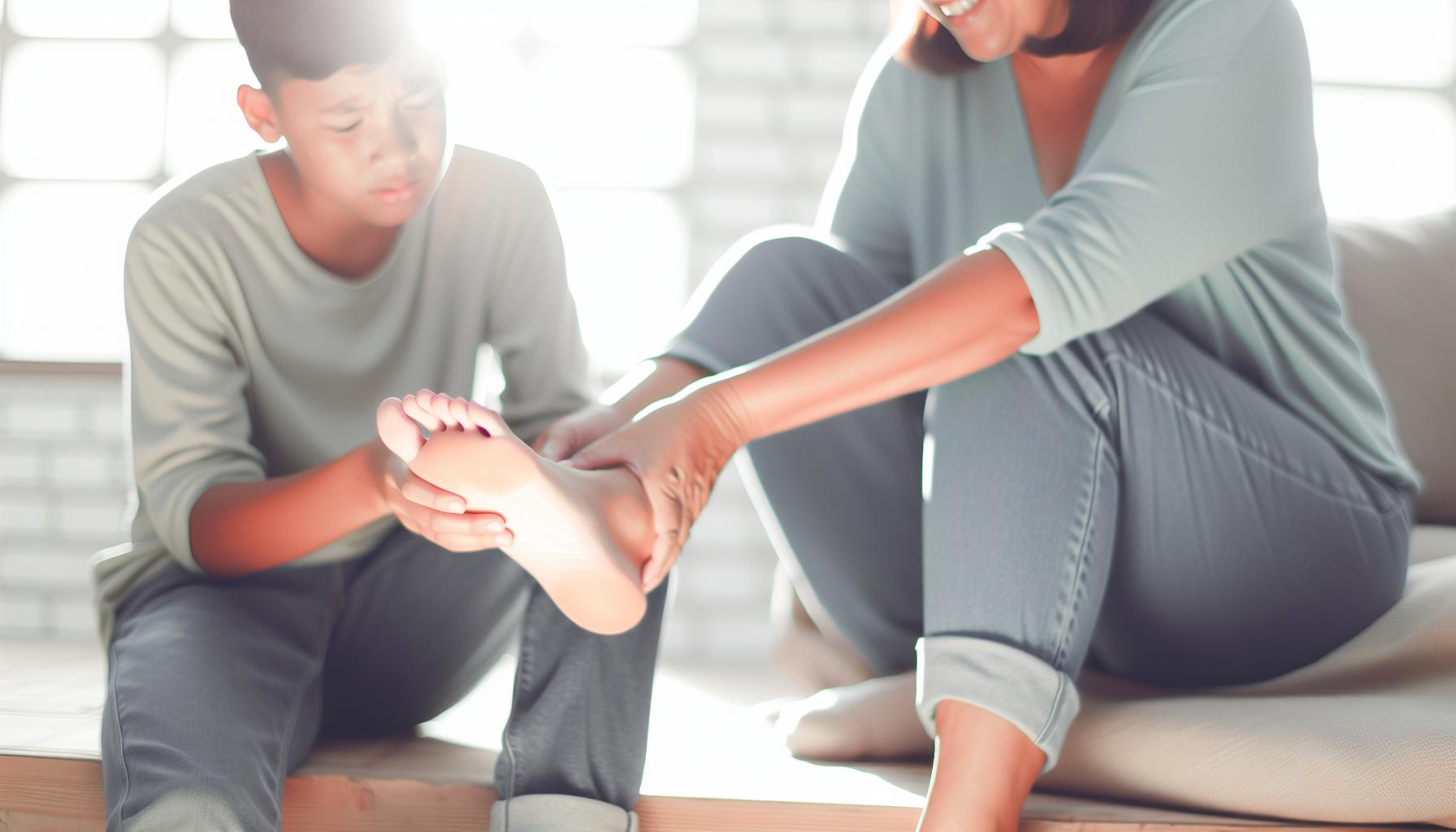
Experiencing foot pain after pregnancy can be a common yet distressing issue for many new mothers. While some discomfort is expected during the postpartum period, recognizing the signs that indicate the need for professional help is crucial for preserving your mobility and quality of life. If your foot pain persists beyond a few weeks or worsens despite home remedies, it might potentially be time to consult a healthcare provider.
Signs to Watch For: Persistent pain that affects your daily activities, or pain that is accompanied by swelling, redness, or warmth in the foot, shoudl not be ignored. These symptoms could indicate inflammation or injury that requires medical intervention. Other red flags include difficulty in standing or walking, or if you notice a sudden change in your foot structure, such as the appearance of a flat foot or a high arch.
- Duration: If pain lasts more than a couple of weeks.
- Severity: If the pain is sharp, debilitating, or significantly impacts daily tasks.
- Symptoms: Accompanying symptoms like swelling, redness, or signs of infection.
- Mobility: Any increase in difficulty with movement or balance.
Consulting a Specialist
If you find yourself exhibiting any of these symptoms, consider reaching out to a podiatrist or a specialist in postpartum recovery. They can provide a comprehensive evaluation of your condition and recommend appropriate treatments based on the diagnosis. Treatments might include custom orthotics, physical therapy, or in more severe cases, surgical options. Your foot pain does not have to be a permanent aspect of your postpartum experience; seeking professional guidance can lead to effective solutions and a quicker return to your normal activities.
Remember, addressing foot pain early can also alleviate the risk of developing chronic conditions such as Postpartum Plantar Fasciitis. Engaging in proactive care not only enhances your physical health but also boosts your overall well-being during this transformative time in your life.
Balancing Self-Care with parenting: Finding Moments for Healing
Discovering Healing in the chaos of Parenthood
Navigating the complexities of parenthood often means putting your own needs on the back burner, especially when faced with challenges like postpartum plantar fasciitis. Though, prioritizing self-care is essential not only for your physical well-being but also for your emotional health. Just as your little one relies on your strength and attentiveness,you deserve moments to recharge and heal. By carving out small slices of time for yourself, you can alleviate foot pain and cultivate a nurturing environment for both you and your child.
To effectively manage postpartum foot pain, consider integrating self-care practices into your daily routine. Here are some practical steps to help you balance your healing with parenting responsibilities:
- Establish a Routine: Set specific times for self-care—this could be a few minutes of stretching during your child’s nap or engaging in a relaxation exercise after bedtime.
- Incorporate Foot Care: Use those quiet moments to relieve foot pain with simple treatments, like soaking your feet in warm water or using a cold pack to reduce inflammation.
- Mindfulness and Breathing Exercises: Even just five minutes of mindfulness or deep breathing can significantly lower stress and improve your perception of pain.
- Utilize Support Systems: Don’t hesitate to ask for help. Whether it’s having a partner take over for a short while or relying on family and friends,sharing the load can provide you with essential time for self-care.
Creating Space for Self-Care
Implementing a flexible schedule allows you to set clear expectations and dedicate time not just to parenting but also to your own recovery from postpartum plantar fasciitis. Balancing responsibilities can be overwhelming, but by intentionally scheduling “me time,” you signal that your well-being matters.For instance, you might designate quiet hours where you engage in restorative activities, such as gentle yoga or relaxation techniques designed for foot pain relief.
Consider using technology to remind you of short self-care breaks. apps that send notifications for stretching or breathing reminders can be invaluable tools in fostering a habit of prioritizing your needs. Additionally, platforms designed for parents frequently enough include practical self-care tips that are easy to implement, making it simpler to integrate healing practices into your parenting journey.
By recognizing that self-care and caring for your child can coexist, you pave the way for a more fulfilling and balanced life, ultimately leading to better outcomes for both you and your family. Embrace these healing moments; they are not just beneficial but essential for thriving through the postpartum experience.
FAQ
What is Postpartum Plantar Fasciitis?
Postpartum plantar fasciitis is a type of foot pain that affects many new mothers. It occurs due to the stretching of the plantar fascia, a band of tissue that runs across the bottom of the foot, often exacerbated by the changes in weight and flexibility during pregnancy.
Several factors contribute to this condition, including hormonal changes, weight gain, and the physical strain of pregnancy and childbirth. New mothers may experience discomfort, especially after periods of rest, which can make everyday activities challenging. managing this pain is crucial for maintaining overall well-being during the postpartum period.
How can I relieve Postpartum Plantar Fasciitis pain?
To relieve postpartum plantar fasciitis pain, try gentle stretching exercises, applying ice to the affected area, and using supportive footwear. These methods can definitely help reduce inflammation and provide relief.
It’s also beneficial to gradually increase activity levels and focus on low-impact exercises. Using orthotic inserts can further support the foot’s arch and help distribute pressure evenly.For more detailed guidelines, consider consulting a physical therapist who can tailor a recovery plan to your specific needs.
Why does foot pain occur after pregnancy?
Foot pain after pregnancy, including postpartum plantar fasciitis, is frequently enough due to changes in the body’s biomechanics and increased foot size. Hormones like relaxin cause ligaments to loosen, which can lead to instability in the feet.
The weight gain during pregnancy also puts extra stress on the feet, which may lead to conditions like plantar fasciitis. Proper foot care, including choosing the right shoes and maintaining a healthy weight, can definitely help mitigate these effects.
Can I return to exercising with Postpartum Plantar Fasciitis?
Yes, you can return to exercising with postpartum plantar fasciitis, but it’s essential to start slowly and choose low-impact activities.Focus on stretching and strengthening exercises to support healing.
Activities like swimming or cycling can definitely help maintain fitness without putting too much strain on your feet.Always listen to your body, and consult with a healthcare professional if pain persists or worsens.
What footwear is best for Postpartum Plantar Fasciitis?
For postpartum plantar fasciitis, wearing supportive footwear is crucial. Look for shoes with good arch support and cushioning that helps absorb shock.
Avoid high heels and flat shoes that lack support. Instead, opt for well-fitted sneakers or sandals with adequate arch support and shock-absorbent soles. Adding custom orthotics can also enhance comfort and promote healing.
When should I see a doctor for foot pain after pregnancy?
If foot pain persists beyond a few weeks after giving birth, it’s advisable to see a doctor. Persistent pain may indicate a more serious underlying issue like chronic plantar fasciitis or nerve entrapment.
A healthcare provider can assess your symptoms and provide an accurate diagnosis, along with targeted treatments or referrals to physical therapy. Early intervention is key to ensuring a smooth recovery.
Are there any home remedies for Postpartum Plantar Fasciitis?
Yes, several home remedies can help alleviate postpartum plantar fasciitis. Common approaches include applying ice packs to reduce swelling, performing gentle stretches, and soaking your feet in warm water.
Additionally, rest and elevating your feet can provide relief. Consider using foam rollers or massage balls to gently massage the foot arch, which can enhance blood flow and reduce tension.
How long does it take to recover from Postpartum Plantar Fasciitis?
The recovery time for postpartum plantar fasciitis varies but often ranges from a few weeks to several months. Factors such as the severity of the condition and how consistently one follows treatment recommendations can influence healing time.
Commitment to daily stretching, proper footwear, and activity modifications can significantly aid recovery. Monitoring your progress and consulting a healthcare provider will help ensure you’re on the right track.
To Wrap It Up
As we journey through the intricacies of postpartum recovery, it’s essential to recognize the challenges that come with foot pain, particularly postpartum plantar fasciitis.From the impacts of pregnancy-related ligament laxity to the toll of daily parenting duties, your feet have likely endured significant stress. Yet, relief is absolutely possible with proactive steps such as gentle stretching, wearing supportive footwear, and consulting with a healthcare professional when needed.
Remember, you’re not alone in this experience; many parents face similar challenges. Embracing this journey with compassion for yourself can make a world of difference. We encourage you to explore further tips and stories from fellow parents as you work towards regaining comfort and mobility. Your well-being matters, and each step you take is a stride toward healing and happiness in your parenting journey.
Get our latest guides, news, and insights highlighted in your Google Search & AI Overviews.


