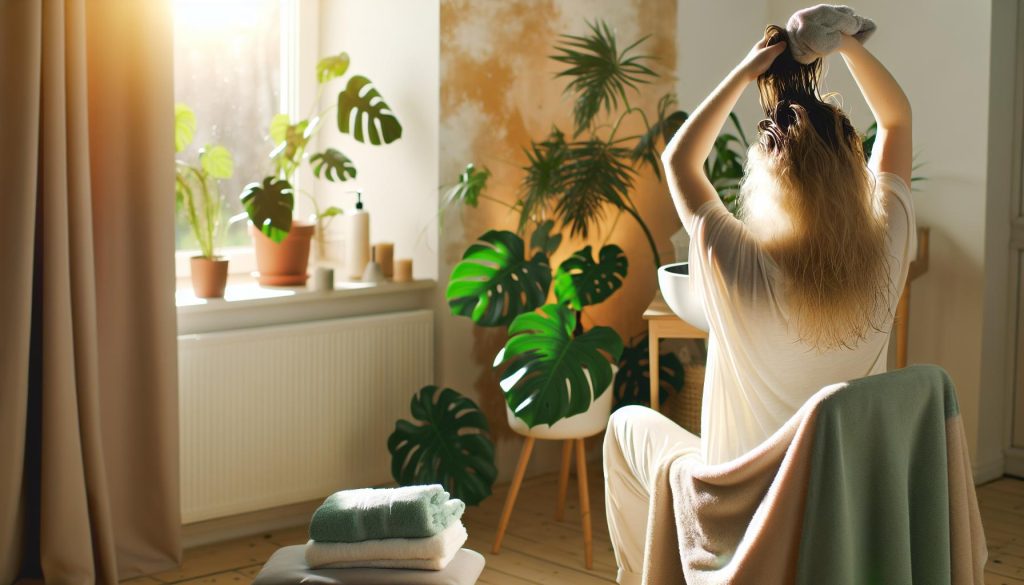

Postpartum hormonal shifts can leave many new mothers grappling with oily hair, impacting their confidence during a transformative time. Discovering effective ways to restore balance is crucial for both self-care and overall well-being. This article offers practical tips to manage oily hair fast, ensuring you feel refreshed and empowered as you navigate motherhood.
Understanding Postpartum Oily Hair: Causes and Concerns
Experiencing a sudden shift in hair texture and oiliness after childbirth can be a startling reality for many new mothers. the surge of hormones during pregnancy creates a lush, vibrant mane for some, but the aftermath of childbirth can lead to unexpected changes, including postpartum oily hair. Understanding the underlying causes can definitely help in addressing this common concern effectively.
hormonal changes
After giving birth, the body undergoes a notable hormonal adjustment as estrogen and progesterone levels decrease. This fluctuation can increase sebum production,leading to hair that seems greasier than before. For many, this shift can be distressing, not only affecting hair texture but also impacting self-esteem during a period that is already emotionally charged.
Increased Stress Levels
The transition to motherhood is often accompanied by elevated stress levels, which can exacerbate oily hair. Stress triggers the body’s adrenal glands to produce hormones that may stimulate oil production in the scalp. New moms juggling their responsibilities may find it hard to practice self-care,making oily hair an even more pronounced issue.
Hair Care routines
Postpartum life can make it challenging to maintain consistent grooming routines. Lack of time might lead to infrequent washing or the use of heavy styling products, compounding the oily hair issue. To combat this, developing a tailored hair care regimen focused on suitable products and practices is essential.
- Choose the Right Shampoo: Look for clarifying or balancing shampoos specifically designed to tackle excess oil.
- limit Hair Product Use: Minimize the use of oils, serums, and heavy conditioners that may weigh down the hair.
- Establish a Washing Schedule: Depending on yoru hair type, aim for washing every one to three days to maintain cleanliness without over-drying.
Dietary Influences
Nutrition plays a critical role in postpartum recovery, including hair health. A diet rich in vitamins and minerals can definitely help restore balance. Foods with omega-3 fatty acids, zinc, and vitamins A and E can promote healthier scalp conditions.
Foods to Include:
| Food | Benefit |
|---|---|
| Salmon | rich in omega-3s, promoting a healthy scalp. |
| Nuts | Source of zinc and vitamin E, supporting hair vitality. |
| Spinach | High in iron and vitamins A and C for healthy sebum production. |
By understanding the multifaceted reasons behind postpartum oily hair, new mothers can take actionable steps to mitigate the effects and boost their confidence. Embracing a balanced approach to hair care, dietary choices, and stress management can lead to significant improvements and a return to a more manageable hair routine.
Gentle Cleansing Techniques to Combat Excess Oil

Gentle Cleansing Techniques
Many new mothers experience a surge of oil production in their hair, a phenomenon that can be attributed to hormonal changes during the postpartum period. Combatting excess oil without harsh treatments is crucial, as gentle cleansing techniques not only restore balance but also maintain the health of your hair and scalp. Here are some effective methods to consider:
- Use Sulfate-free Shampoos: These products are less likely to strip your hair of its natural oils, helping maintain a healthy scalp environment. Look for formulations that are specifically designed for oily hair or are labeled as gentle cleansers.
- Opt for Dry Shampoo: On days when you don’t wash your hair,a good dry shampoo can absorb excess oil while providing volume. Look for talc-free options that won’t contribute to product buildup.
- Limit Washing Frequency: Over-washing can lead the scalp to produce even more oil. Try washing your hair every other day or even every third day and see how your hair responds.
- Rinse with Cool Water: After conditioning, wash your hair with cool water. This can help close the hair cuticles, minimizing oiliness while adding shine.
Mindful Submission Techniques
The way you apply products can make a notable difference in managing oily hair. Consider the following tips:
- Focus on the Scalp: When shampooing, concentrate primarily on the scalp rather than the lengths of your hair. This ensures that you clean the oily roots without stripping moisture from the ends.
- Massage Gently: Use your fingertips to massage the scalp gently during washing. This stimulates circulation without irritating sensitive areas, allowing for a deeper cleanse.
- Condition Wisely: Always apply conditioner to the ends of your hair to prevent your scalp from becoming greasy. choose lightweight, oil-free conditioners that won’t weigh your hair down.
| Technique | Description |
|---|---|
| Sulfate-Free Shampoo | Gentle formula that cleans without stripping oils. |
| Dry Shampoo | Rapid solution that absorbs oil for fresh-looking hair. |
| cool Water Rinse | Helps to seal cuticles and reduce frizz while minimizing oil production. |
| Gentle Scalp Massage | Encourages circulation, aiding in better oil management. |
Adopting these gentle cleansing techniques can be a game changer for new mothers navigating the challenge of postpartum oily hair. Not only will your hair feel fresher,but these methods will also contribute to the overall health of your hair and scalp,paving the way for balance and beauty in your routine.
Nourishing Treatments: Restoring Hair Balance Naturally
The Power of Nature in Hair care
Did you know that natural ingredients often hold the key to transforming your hair without harsh chemicals? Postpartum changes can lead to oily hair, which can be frustrating for new mothers. Embracing nourishing treatments from nature is a gentle and effective way to restore balance and vitality to your locks. Utilizing common household ingredients allows you to take control of your hair care while nourishing your scalp and roots together.
Essential Oils for Oily Scalp Relief
Incorporating essential oils into your hair care routine can help regulate oil production while adding a delightful fragrance. Some of the most effective oils include:
- tea Tree Oil: Known for its antibacterial properties, it helps unclog hair follicles and balance scalp oil.
- Lavender Oil: Calms irritation and promotes hair growth while balancing oil levels.
- Peppermint Oil: Offers a refreshing sensation, stimulates blood circulation, and helps balance oil secretion.
To create a simple oil treatment, mix a few drops of your chosen essential oil with a carrier oil like coconut or jojoba oil. Massage this blend into your scalp, allow it to sit for 30 minutes, and then wash it out with a gentle shampoo.
DIY Hair Masks for nourishment
Using DIY hair masks can also be a game changer in your postpartum oily hair management. These masks not only provide deep nourishment but also help absorb excess oil. here are a couple of recipes you can try:
| Mask | ingredients | Benefits |
|---|---|---|
| Yogurt & Honey Mask | 1 cup yogurt, 2 tbsp honey | Hydrates and soothes the scalp while reducing excess oil. |
| Aloe Vera & Lemon Juice Mask | 1/2 cup aloe vera gel, 1 tbsp lemon juice | Balances scalp pH and absorbs excess oil while providing moisture. |
Apply any of these masks to your hair and scalp, leaving them on for 20-30 minutes before rinsing thoroughly. incorporating these practices into your routine a couple of times a week can lead to noticeable improvements.
Herbal Rinses to Detoxify
Adding herbal rinses can also enhance the natural balance of your hair. Ingredients like chamomile, green tea, and rosemary not only help clarify the scalp but also impart shine and vitality. To prepare an herbal rinse, steep your choice of dried herbs in hot water for 15-20 minutes, strain, and allow the mixture to cool. After shampooing, use it as a final rinse to leave your hair refreshed and nourished.
With these nourishing treatments, you can effectively restore your hair’s balance while embracing the beauty of natural solutions in your postpartum journey. Simple adjustments in your hair care routine can lead to significant improvements, allowing you to shine as you care for your little one.
Styling Hacks for Oily Hair: quick Solutions for Busy Parents

Quick Fixes for On-the-Go Parents
Juggling the demands of parenthood can leave little time for elaborate hair routines,especially when dealing with postpartum oily hair. While you can’t control the day-to-day chaos, you can master a few quick styling hacks that will help your hair look fresh even on the busiest of days.With these handy approaches, you’ll be able to restore balance to your oily locks without a large time investment.
- Dry Shampoo Rescue: A game-changer for oily hair, dry shampoo absorbs excess oil and gives hair a fresh appearance. Simply spray or sprinkle into your roots, massaging it in, and voilà—instant volume and a scent boost!
- Top Knots and Braids: These styles not only look chic but also effectively hide greasy roots. A messy bun or a fishtail braid can elevate your look while keeping you effortlessly stylish.
- Texturizing Sprays: If you’re in a pinch, use a texturizing spray. It can add grit and define your hair while making it look less oily. Plus, it effectively works well in beachy waves or tousled locks.
- Scalp Massages: Spend a few minutes massaging your scalp in the shower. This stimulates blood flow, which can help in reducing oil production over time.Combine it with a gentle clarifying shampoo for best results.
Smart Accessories for a Polished Look
Sometimes the secret to managing postpartum oily hair lies in the accessories you choose. A headband or stylish scarf can not only camouflage oiliness but also make a bold fashion statement. Consider investing in a range of both casual and dressy headpieces that you can grab in seconds. Here’s how to add style without the fuss:
| Accessory | Style Tips |
|---|---|
| Headbands | Wear them with loose hair for a boho look, or choose wide bands to sweep hair back effortlessly. |
| Scarves | Wrap a colorful scarf around a ponytail or braid for a pop of color and a chic finish. |
| Hair Clips | Use decorative clips to pin back sections of your hair,keeping it off your face while showcasing your style. |
With these simple and swift styling hacks, you’ll not only manage postpartum oily hair but also regain a sense of control over your appearance, all while balancing the demands of parenthood. embrace these practical solutions and enjoy a fresh look that resonates with your busy lifestyle!
the Role of Diet in Managing Oily Hair Postpartum

The Connection Between Diet and Oily Hair
Did you know that the foods you eat play a crucial role in the health of your hair, especially during the postpartum phase? After giving birth, hormonal changes can substantially impact sebum production, leading to oily hair. Adjusting your diet can definitely help manage this condition by restoring balance to your body and scalp.
Identifying Key Nutrients
To effectively combat postpartum oily hair, focus on incorporating the following nutrients into your daily meals:
- Omega-3 Fatty Acids: Found in fish like salmon and flaxseeds, these essential fats help reduce inflammation and regulate oil production in your scalp.
- Biotin: A crucial B vitamin found in eggs, nuts, and whole grains, biotin supports hair health by strengthening hair follicles.
- Zinc: This mineral aids in reducing excess oil. Foods like pumpkin seeds, chickpeas, and lentils are excellent sources.
- Vitamins A and E: Carrots and leafy greens provide these vitamins, which promote healthy scalp conditions and regulate oiliness.
Sample Meal Plan for Balanced Hair
Implementing a nutrient-rich diet can be simpler than you think. Here’s a one-day meal plan that supports healthy hair while tackling postpartum oiliness:
| Meal | Food Options |
|---|---|
| Breakfast | Scrambled eggs with spinach and a side of whole-grain toast |
| Snack | A handful of mixed nuts and a piece of fruit |
| Lunch | Quinoa salad with chickpeas, avocado, and a drizzle of olive oil |
| Snack | Carrot sticks with hummus |
| Dinner | Grilled salmon with steamed broccoli and sweet potatoes |
By incorporating these foods into your diet, not only can you help manage oily hair postpartum, but you also nourish your body as you recover from childbirth. With a mindful approach to nutrition, you can promote healthier hair and scalp conditions while enjoying a variety of delicious meals. remember, every small dietary change can have a significant impact on your hair’s health as you navigate this new chapter of motherhood.
Expert-Recommended Hair Care Products for New Moms
finding balance with the Right Hair Care Products
Navigating the world of postpartum hair care can feel overwhelming, especially when dealing with oily hair. New moms frequently enough experience hormonal changes that can lead to increased oil production, making it essential to choose the right products to help restore balance. Expert-recommended hair care products can make a significant difference by addressing specific needs while being gentle on your hair and scalp.
When selecting hair care products, look for those specifically designed to combat oiliness while providing nourishment. Here are a few key categories of products to consider:
- Shampoos for Oily Hair: Opt for clarifying shampoos that remove excess oil without stripping your hair. Ingredients like tea tree oil, witch hazel, and citrus extracts are fantastic at balancing oil levels.
- Conditioners: Use lightweight conditioners that hydrate without adding extra grease. Look for formulas labeled ’oil-free’ or ‘lightweight’ to ensure your hair feels clean yet moisturized.
- Dry Shampoos: These are lifesavers for busy moms, providing a quick refresh between washes. choose a formula that blends well with your hair color to avoid any white residue.
For a practical approach, consider incorporating the following expert-recommended products into your hair care routine.
| Product Name | Key Benefits | User Recommendations |
|---|---|---|
| Neutrogena Anti-Residue Shampoo | Deep cleans to remove buildup and excess oil. | highly rated for its effectiveness in balancing oily scalps. |
| Living Proof Triple Detox Shampoo | Removes impurities while controlling oil production. | Recommended for its gentle formula that doesn’t dry out hair. |
| Batiste Dry Shampoo | Quick oil absorption and volume boost. | Popular for its variety of scents and easy application. |
By focusing on these essential products and tips, new moms can effectively manage postpartum oily hair and reclaim their confidence.Remember, finding the right balance is key, and the right hair care routine can help you feel fresh and revitalized, even on the busiest days.
Establishing a Self-Care Routine: Prioritizing Your Hair Health
understanding the Effects of Hormonal Changes on Hair Health
After giving birth, many women experience significant changes in their hair due to hormonal fluctuations. Increased oil production is a common concern, often leading to a scalp that feels greasy and hair that looks limp. This is where establishing a self-care routine that prioritizes hair health can make a ample difference. by implementing targeted strategies, you can effectively combat postpartum oily hair and restore balance fast.
Simple Self-Care Tips for Managing Oily Hair
Creating a self-care routine that focuses on your hair can definitely help you regain a sense of control and enhance your overall well-being. Here are some practical tips to consider:
- Choose the Right shampoo: Look for clarifying shampoos that are specifically designed to remove excess oil without stripping your hair of moisture. Aim to wash your hair at least twice a week to prevent buildup.
- Incorporate Scalp Treatments: Natural oils, such as tea tree or peppermint oil, can help reduce oiliness. Consider massaging a few drops into your scalp before washing to balance oil production.
- Limit Heat Styling: Excessive heat can exacerbate oiliness. Allow your hair to air dry when possible, and limit the use of heated styling tools.
- regular Haircuts: Visiting your stylist regularly can improve hair texture and lessen the appearance of oiliness by removing split ends and promoting healthier growth.
Daily Routine Adjustments for Hair Health
Integrating self-care practices into your daily life can further enhance the effects of your targeted hair care. Here’s how to modify your routine:
| Action | Benefits |
|---|---|
| Stay Hydrated | Drinking plenty of water helps maintain moisture levels in your hair. |
| Eat a Balanced Diet | Incorporating vitamins and minerals can promote healthier hair growth and reduce oiliness. |
| Manage Stress | practicing stress-reducing techniques,such as yoga or meditation,can positively impact hormonal balance. |
By addressing the specific needs of postpartum oily hair, you can create a self-care routine that not only supports your hair health but also fosters a deeper sense of well-being.Establishing consistency with these practices will be key to achieving long-term results, leading to healthier hair and a renewed confidence.
Q&A
What is postpartum oily hair?
Postpartum oily hair refers to the excessive oiliness of hair after childbirth due to hormonal changes. These fluctuations can affect oil production in the scalp, leading to greasy hair that can feel unmanageable. New mothers often experience this as a shift in hair texture during the postpartum period.
Why does my hair become oily after pregnancy?
After pregnancy, hormonal changes, especially fluctuations in estrogen and progesterone, can lead to increased oil production in the scalp. Stress, sleep deprivation, and changes in diet can also contribute to the condition. It’s important to recognise that this issue can be temporary and is a common experience for many mothers.
How can I manage postpartum oily hair?
To manage postpartum oily hair, try using a gentle clarifying shampoo and adjust your washing routine. Additionally, incorporating dry shampoo can help absorb excess oil and provide a quick refresh. Natural remedies like apple cider vinegar rinses may also balance oil levels and maintain scalp health.
Can I use regular shampoos for oily hair postpartum?
Yes, regular shampoos can definitely help, but opt for those specifically designed for oily hair. Look for products that contain ingredients such as tea tree oil or lemon extract,which can help reduce oiliness. Avoid heavy conditioners and styling products that can weigh hair down.
Are there any dietary changes I can make for postpartum oily hair?
Yes, a balanced diet can significantly impact your hair’s oiliness. Consuming foods rich in omega-3 fatty acids, such as salmon and flaxseeds, can promote healthy hair. Staying hydrated and limiting sugary or greasy foods may also help maintain balance.
What are some natural treatments for oily hair postpartum?
Natural treatments like using a baking soda scrub or an aloe vera mask can definitely help absorb excess oil. Another effective option is a green tea rinse, which can promote scalp health.These methods not only relieve oily hair but also nourish the scalp, supporting overall hair health.
How long does postpartum oily hair last?
Postpartum oily hair typically lasts a few months, but it can vary for each individual. Hormonal levels gradually return to their pre-pregnancy state,leading to a decrease in oiliness. Though, maintaining a proper hair care routine can definitely help manage symptoms during this transition.
Are there any professional treatments for postpartum oily hair?
Yes, you can consult a dermatologist or a trichologist for professional treatments tailored to oily hair. Treatments like scalp treatments or specialized shampoos can effectively reduce oiliness and improve scalp health. Always discuss any concerns with your healthcare provider before trying new treatments.
Concluding Remarks
Navigating the postpartum journey can be challenging, and dealing with oily hair is just one of the many ways your body is adjusting. Remember, you’re not alone in this – many parents experience similar changes, and there are effective solutions at your fingertips. By incorporating simple tips like adjusting your washing routine, using natural hair products, and maintaining a balanced diet, you can restore harmony to your hair and feel more like yourself again.
Don’t hesitate to explore these strategies, and give yourself the grace to adapt as you care for both your little one and yourself.Embrace this time of transformation and prioritize your self-care.For more insights and support, we invite you to continue exploring our resources. Your journey is critically important, and together we can find the balance that suits your unique needs.
Get our latest guides, news, and insights highlighted in your Google Search & AI Overviews.