

As new mothers navigate the challenges of postpartum recovery, many may face an unexpected hurdle: hearing loss. Understanding the causes behind this condition is crucial, as it can affect communication, bonding wiht the baby, and overall well-being. This article explores the factors contributing to postpartum hearing loss and offers practical coping strategies for affected women.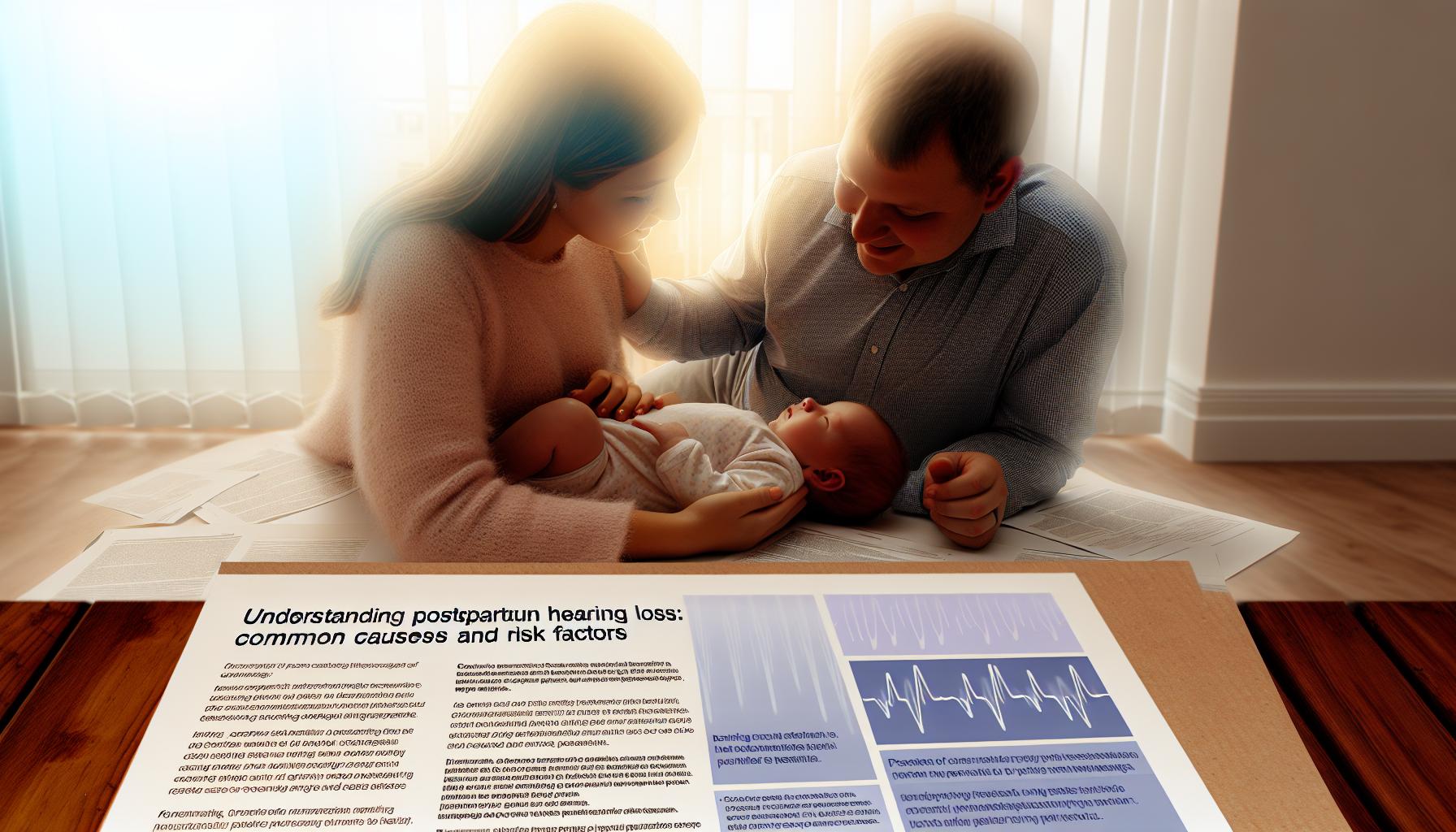
Understanding Postpartum Hearing Loss: Common Causes and Risk Factors
Did you know that hearing loss can affect new mothers, impacting not only their well-being but also their interactions with their newborns? Understanding the underlying causes and risk factors associated with postpartum hearing loss is essential for early detection and management.
Common Causes of Postpartum Hearing Loss
Several factors contribute to postpartum hearing loss, and recognizing these can help in identifying those at risk.Here are some of the most prevalent causes:
- Fluid Retention: After childbirth, many women experience hormonal fluctuations that can lead to fluid retention in the inner ear, affecting auditory function.
- Noise Exposure: New environments, including hospitals and home settings, may introduce new sounds that can be overwhelming. Prolonged exposure to high volumes can lead to temporary or permanent hearing impairment.
- Infections: Conditions such as middle ear infections (otitis media) are common during pregnancy and postpartum, which can result in hearing issues if not promptly treated.
- Stress and Fatigue: The emotional and physical challenges of motherhood can exacerbate existing health issues, including hearing loss, by increasing stress levels or resulting in a lack of adequate rest.
Risk Factors for Hearing Loss After Childbirth
While postpartum hearing loss can affect any new mother, certain risk factors can heighten the likelihood of experiencing auditory issues:
- Previous Hearing Loss: Women with a history of hearing loss before pregnancy are more susceptible to further decline in their hearing abilities postpartum.
- Genetic Predisposition: Family history of hearing impairment can play a significant role in assessing risk levels for new mothers.
- Chronic Conditions: Conditions such as diabetes or autoimmune diseases can lead to increased risk for hearing loss owing to compromised blood flow to auditory structures.
- Medication Side Effects: Certain medications prescribed during or after pregnancy may carry side effects that impact hearing health, making consultation with a healthcare provider critical.
Recognizing these causes and risk factors not only empowers women to seek solutions but also highlights the importance of monitoring hearing health in the postpartum period. Keeping open communication with healthcare providers can enhance awareness and lead to timely interventions that promote overall wellness for both mother and child.
Recognizing the Signs: how to Identify Hearing Changes After Childbirth
Did you know that the journey to motherhood can sometimes leave unexpected marks on your body, including your hearing? Though often overlooked, postpartum hearing loss is a condition that some new mothers experience due to various factors related to childbirth.Recognizing the signs early can help you take proactive steps towards addressing potential hearing changes.
Common Symptoms of Hearing Changes
After giving birth, it’s crucial to monitor your auditory health. Here are some common signs that may indicate hearing changes:
- Difficulty focusing on conversations: You might find it harder to follow discussions,especially in noisy environments.
- Increased sensitivity to loud sounds: Sounds that previously felt normal may now seem overwhelming.
- Perceived muffling of sounds: Everyday noises might feel muted or unclear, affecting your ability to perceive music and speech.
- Ringing in the ears (tinnitus): A constant ringing or buzzing sensation can develop, making it challenging to concentrate.
- frequent asking for repetition: You might notice yourself repeatedly asking others to speak louder or to repeat what they said.
Behavioral Changes to Watch For
Alongside physical symptoms, there are behavioral changes that can hint at shifts in hearing ability. Consider the following:
- Withdrawal from social situations: If you notice yourself avoiding gatherings due to difficulty hearing, it’s a clear signal.
- Increased frustration during communication: Feeling stressed or upset during conversations may indicate challenges in processing auditory information.
- Over-reliance on visual cues: If you find yourself relying heavily on lip-reading or body language, your hearing might need evaluation.
When to Seek Help
Listening to your body is essential, particularly after the transformative experience of childbirth. If you observe any of the above symptoms persisting over a few weeks,consider consulting an audiologist or healthcare provider. An early diagnosis can lead to effective coping strategies, such as hearing aids or auditory training, tailored to your specific needs.
| Signs of Hearing Changes | Recommended Action |
|---|---|
| Difficulty focusing on conversations | Schedule a hearing test. |
| Increased sensitivity to loud sounds | Consult with an audiologist for potential solutions. |
| Frequent asking for repetition | Engage in conversation strategies like positioning in quiet areas. |
By being vigilant and proactive, you can navigate the challenges of postpartum hearing loss and reclaim your auditory health.
The Emotional Impact: Navigating Feelings of Isolation and Concern
For new parents, the joy of welcoming a child into the world can frequently enough be clouded by unexpected challenges. Among these, postpartum hearing loss can significantly affect one’s emotional well-being. This condition, though sometimes overlooked, can invoke feelings of isolation and concern, as communication barriers may distance a new mother from her baby and support network, making an already overwhelming experience even more arduous.
Understanding Feelings of Isolation
The sudden alteration in hearing ability can leave new mothers feeling alone at a time when they desperately need connection. Along with the physical symptoms,emotional responses including anxiety and depression can almost feel inevitable. Feeling disconnected from your baby during such a crucial bonding phase can lead to:
- Increased anxiety: Fears of not hearing your baby cry or missing crucial milestones can lead to heightened worry.
- Lack of support: If family and friends don’t understand or recognize the hearing loss, they may unintentionally create feelings of isolation.
- Self-blame: Many mothers may find themselves questioning their capabilities, wondering if they’re “not cut out” for motherhood.
Addressing Concerns with Practical Steps
Recognizing and addressing these emotional impacts is vital for mental health. Here are some actionable strategies to help navigate these feelings:
- Open Communication: share your experiences with close family and friends, helping them understand what you’re going through. Expressing your feelings not only relieves some emotional burden but also invites support.
- Seek Professional Help: Don’t hesitate to consult with a therapist or counselor. They can provide vital coping strategies tailored to managing emotions surrounding postpartum hearing loss.
- Join Support Groups: Connecting with other women who are experiencing similar issues can be incredibly validating. Online forums or local support groups can be sources of understanding and encouragement.
Building Your Support System
A support system plays a crucial role in easing feelings of isolation. Having individuals around you who are willing to listen and help can make a substantial difference. Here is a simple guide on how to cultivate this support:
| Action Step | How It Helps |
|---|---|
| Identify Trusted Friends/Family | Having a few key people you feel agreeable reaching out to can reduce feelings of loneliness. |
| Communicate Your Needs | Letting your support system know how they can help will create a proactive network of assistance. |
| Participate in Community events | Engaging with other parents, even virtually, can help create bonds and reduce feelings of isolation. |
Postpartum hearing loss doesn’t just impact the physical realm; it’s an emotional journey that requires understanding and support. By implementing these steps, new mothers can start to navigate the complex feelings associated with this condition and work towards a path of healing and connection.

Expert Insights: What Healthcare Providers Want You to Know
Understanding Postpartum Hearing Loss
It’s surprising to learn that hearing loss can be a significant yet frequently enough overlooked issue for new mothers. Many healthcare providers emphasize that postpartum hearing loss can result from various factors, including hormonal changes, stress, and even the physical demands of caring for a newborn. Research indicates that up to 15% of new mothers may experience some degree of hearing impairment in the months following childbirth, which can profoundly affect their well-being and their ability to engage with their newborn.
Factors Influencing Hearing in New Mothers
Healthcare professionals want patients to know that certain conditions during pregnancy and after delivery can contribute to hearing loss. These include:
- Fluid retention: Many women experience increased fluid retention during and after pregnancy, which can lead to middle ear disorders.
- Hormonal changes: Fluctuations in hormones like estrogen can affect auditory function.
- Stress and fatigue: The demands of motherhood can elevate stress levels,perhaps exacerbating existing hearing conditions or creating new issues.
Advice for New Mothers
If you suspect you or someone you know is dealing with postpartum hearing loss, seeking a thorough evaluation from a healthcare provider is crucial. Here are some actionable steps:
- Screening: Schedule a hearing test if you experience symptoms such as ringing in the ears or difficulty understanding conversations.
- Communicate: Talk to your healthcare provider about any changes in hearing. Open dialog can lead to better management strategies.
- Support: Engage with support groups or counseling. Sharing experiences with others can provide emotional relief and practical coping strategies.
Conclusion
Awareness and early intervention are key to managing postpartum hearing challenges. By understanding the causes and taking proactive steps, new mothers can safeguard their hearing health while navigating the exciting yet challenging transition to motherhood.
Coping Strategies: Practical Tips for Managing Hearing loss in Early parenthood
Navigating Challenges with Hearing Loss in Early Parenthood
Experiencing hearing loss during the postpartum period can be overwhelming, yet many parents have learned to adapt by employing effective coping strategies. These methods not only improve communication but also ensure meaningful engagement with their newborns, promoting a nurturing habitat. Utilizing a blend of practical techniques can significantly ease the transition into parenthood while managing the unique challenges posed by hearing impairment.
Establish Clear Communication Channels
It’s essential to create an environment where communication is as seamless as possible. Here are some practical strategies to enhance interactions with your baby and others:
- Use Visual cues: Gesture and facial expressions can help convey messages effectively. Consider using simple sign language or hand signals when communicating with your child as they grow.
- Maintain Eye Contact: Position yourself at your baby’s eye level to facilitate better communication. This practice can help in picking up on non-verbal cues and strengthening the bond.
- Utilize Assistive Devices: Invest in hearing aids or other auditory devices specifically designed for communication during caregiving. Consult with audiologists for tailored options.
Fostering a Supportive Environment
Creating a supportive atmosphere is crucial. The journey of early parenthood coupled with hearing loss can feel isolating; though, several strategies can definitely help:
- involve Family and Friends: Inform close relatives and friends about your hearing loss so they can adapt their communication styles, such as speaking clearly and facing you directly.
- Join Support Groups: Connect with other parents facing similar challenges. Sharing experiences and advice can provide emotional relief and practical tips.
- Educate Yourself and Your Partner: Understanding the causes and coping mechanisms of postpartum hearing loss can empower both parents. this knowledge can foster patience and enhance collaboration in caregiving.
By integrating these strategies into your daily routine, you can effectively manage the impact of postpartum hearing loss, creating a richer, more engaging experience for both you and your baby. Embracing these practical tips can not only alleviate some of the stress associated with hearing challenges but also enhance your overall well-being as a new parent.
Support Systems: finding Help and Resources for Your Journey
Connecting with Resources for Awareness and Support
Coping with postpartum hearing loss can feel isolating, but connecting with the right support systems can make a significant difference in the journey toward healing and adaptation. It’s vital to remember that you’re not alone; many women face similar challenges, and numerous resources are available to help. engaging with specialists who understand the nuances of postpartum health is essential.Audiologists can provide tailored assessments and solutions while offering insights about the potential causes of hearing loss during this critical period.Types of Support Available:
- Healthcare Providers: Reach out to your obstetrician or midwife for initial guidance.They can definitely help coordinate care and refer you to specialists.
- Audiology Clinics: Specialized clinics can conduct comprehensive hearing tests and provide assistive devices that may enhance your auditory experience.
- Support Groups: Connecting with mothers who have gone through similar experiences can provide emotional support.Online forums and local meet-ups can foster a sense of community.
- Educational Resources: Look for workshops or online webinars that focus on postpartum health, including hearing loss. Understanding your condition can empower you to take actionable steps.
Utilizing Family and Friends for Emotional Support
Friends and family can play a crucial role in your support network. Communicate openly about your experiences with postpartum hearing loss and the specific ways they can assist you. Whether it’s helping with chores, caring for your baby, or simply being present for a heartfelt conversation, these interactions can provide much-needed relief and connection.
Consider setting up regular check-ins with loved ones to discuss your feelings and any challenges you face. Building a strong support system at home not only enhances your emotional well-being but also equips you with the strength to navigate the complexities of postpartum life.
Professional Counseling and Therapy
Along with practical support, professional counseling can be invaluable for processing the emotional aspects of postpartum hearing loss. Therapists experienced in postpartum issues can help address feelings of anxiety,sadness,or frustration that might arise from your situation. Cognitive-behavioral therapy (CBT) is one approach that has shown effectiveness for many mothers dealing with health-related challenges.
If financial constraints are a concern, many communities offer low-cost or sliding scale therapy services. Don’t hesitate to ask about these options, as investing in your mental health can have profound effects on your recovery journey.
By utilizing various resources and support systems, you can find a path that leads you toward healing and empowerment in the face of postpartum hearing loss.
When to Seek Professional Help: Understanding Your Options
When to Seek Professional help
Postpartum experiences can be both enriching and overwhelming,particularly when hearing changes arise. While mild fluctuations in hearing capabilities might be manageable for some, it is crucial to recognize the signs that indicate the need for professional assistance. Understanding when to seek help can make a significant difference in your recovery and overall well-being.
If you notice any of the following symptoms, it is indeed time to reach out to a healthcare professional:
- persistent Hearing Loss: If you experience ongoing difficulty hearing clearly, especially after the initial weeks postpartum.
- Tinnitus: If you begin to hear ringing or buzzing sounds that interfere with your ability to concentrate or rest.
- Balance Issues: If you feel dizzy, off-balance, or have difficulty with spatial awareness, as these can be related to auditory changes.
- Emotional Distress: If hearing loss is affecting your mood or interactions,leading to feelings of isolation or frustration.
Understanding your Options
When it comes to postpartum hearing loss, various professionals can assist you along your journey. Here’s a breakdown of the specialists who can provide tailored support:
| Specialist | Role | What to Expect |
|---|---|---|
| Otolaryngologist (ENT) | Diagnoses ear, nose, and throat disorders, including hearing issues. | Medical examination, possible imaging tests, and treatment plans. |
| Audiologist | Conducts hearing tests and assessments. | Comprehensive hearing evaluation, fitting for hearing aids if necessary. |
| Primary Care Physician | Initial point of contact; can refer to specialists. | General health evaluation, potential referrals to specialists. |
Engaging with these professionals can provide not only clarity regarding your auditory health but also pathways for coping and managing any challenges. Don’t hesitate to seek guidance—taking the leap toward professional help is a vital step in addressing postpartum hearing loss effectively.
Preventative Measures: Steps to Take for Healthy Hearing Post-Delivery
Understanding the Risks of Hearing Loss After Childbirth
Postpartum hearing loss can be a surprising complication of childbirth, yet many new mothers are unaware of its potential effects. Hormonal changes, increased fluid retention, and stress can all contribute to this condition. Taking proactive steps toward your hearing health is essential, especially during the postpartum period when your body is healing from the birth process. By prioritizing your auditory wellness, you can mitigate risks and foster a healthier recovery.
Healthy Habits for Protecting Your Hearing
Implementing good practices in your daily routine can significantly impact your hearing health post-delivery. Here are a few actionable measures to consider:
- Limit Exposure to Loud Sounds: Protect your ears by avoiding loud music, construction zones, or anything that can cause auditory strain.
- Maintain Regular Check-ups: Schedule appointments with an audiologist during your postpartum check-ups to monitor any changes in your hearing.
- Practice Good Ear Hygiene: Keep your ears dry and clean. Avoid inserting objects that could cause inner ear damage or infections.
- Stay Hydrated: drink plenty of water to help balance the fluid in your body, which can support ear health and reduce fluid retention.
- Dietary Considerations: Incorporate foods rich in antioxidants, omega-3 fatty acids, and vitamins that promote circulation and ear health.
Creating a Supportive Environment
A nurturing environment can also play a crucial role in maintaining your hearing health during the postpartum period. Surround yourself with supportive individuals who understand the challenges of motherhood, and don’t hesitate to discuss any concerns you may have with your healthcare provider. Incorporating stress-reducing practices,such as mindfulness or yoga,can improve overall well-being,which may indirectly benefit your auditory system.
Monitoring Changes and Seeking Help
It’s crucial to stay vigilant about any changes you notice. If you experience symptoms such as muffled hearing, ringing in the ears, or increased sensitivity to sound, make sure to reach out for professional evaluation. Early intervention can be vital for management and treatment, ensuring that any potential issues related to postpartum hearing loss are addressed promptly.
For additional guidance, consider the table below for a speedy overview of symptoms and when to seek help:
| Symptom | Action |
|---|---|
| Muffled Hearing | Consult with an audiologist. |
| Ringing in the Ears | Keep a log and report during your next check-up. |
| Increased Sensitivity to Sound | Seek advice from a healthcare provider. |
| Feeling of Fullness in Ear | Schedule a hearing test. |
By adopting these preventative measures, you can ensure a healthier, happier postpartum experience, supporting both your auditory health and overall well-being in this pivotal stage of life.
FAQ
What is postpartum Hearing Loss: what Causes It and How to Cope?
Postpartum hearing loss refers to the hearing difficulties some women experience following childbirth. It may result from factors like hormonal changes, fluid retention, or stress, impacting the auditory system.
During pregnancy and after delivery,women undergo many changes. This can include fluid accumulation in the ears or hormonal shifts that affect hearing. It’s essential to discuss concerns with your healthcare provider, as they may recommend audiology evaluations for persistent issues.
Why does Postpartum Hearing Loss occur?
Postpartum hearing loss can occur due to various reasons,including hormonal changes and increased fluid in the ear. Stress and sleep deprivation may also exacerbate existing hearing issues.
As your body adjusts after giving birth, fluid retention can affect your ear pressure and lead to temporary hearing loss. Additionally, the stress of new motherhood can heighten awareness of *existing* any hearing difficulties, making them feel more pronounced.
Can I prevent Postpartum Hearing Loss?
Preventing postpartum hearing loss isn’t always possible, but managing stress and ensuring good hydration can support ear health. Proper prenatal care may also play a role.
Maintaining a healthy lifestyle during and after pregnancy can enhance overall well-being. Staying hydrated helps minimize fluid retention. If you have a history of hearing disorders, informing your healthcare team may help them monitor your ear health more closely.
How can I cope with Postpartum Hearing Loss?
Coping with postpartum hearing loss may involve seeking support from audiologists or therapists,using hearing aids,and practicing communication strategies with family and friends.
Sharing your experiences with others can provide both emotional support and practical tips.Setting up *phone alerts* or using visual cues at home may help you stay connected. Consider exploring resources on hearing health within the parenting community for further guidance.
is Postpartum Hearing Loss permanent?
Postpartum hearing loss is often temporary, but some women may experience lasting effects depending on underlying conditions. It’s crucial to monitor changes in hearing and communicate with a healthcare professional.
In many cases, hearing improves as the body returns to its pre-pregnancy state, but persistent issues warrant further investigation. Regular check-ups with an audiologist can help track recovery and identify effective coping strategies.
Are there any long-term effects of Postpartum Hearing Loss?
Long-term effects of postpartum hearing loss can vary; some women may experience a return to normal hearing, while others might face ongoing challenges. Promptly addressing hearing issues is essential for effective management.
Noticing changes in hearing early can lead to more successful coping techniques, such as therapy or hearing devices. Engaging in regular discussions with your healthcare team can help provide the necessary support for your recovery.
What should I discuss with my doctor about Postpartum Hearing Loss?
When discussing postpartum hearing loss with your doctor, address any symptoms you’re experiencing, your medical history, and how it affects daily life. This comprehensive view will help your provider offer tailored advice.
Open communication is key! Bring a list of concerns and symptoms to the appointment,including when you first noticed changes in your hearing. Your doctor may refer you to specialists or suggest immediate tests to get a clearer picture of your ear health.
The Conclusion
understanding postpartum hearing loss is a vital step in navigating the often overwhelming journey of new parenthood. By recognizing the potential causes and signs of hearing loss, you can prioritize your well-being and ensure that both you and your baby thrive in these formative months. Whether it’s seeking professional guidance, connecting with support groups, or simply allowing yourself the grace to adapt to these changes, know that you’re not alone in this experience.We encourage you to explore further, arm yourself with knowledge, and reach out whenever you need support. Your health and your baby’s future are worth it—embracing this journey with awareness and compassion can make all the difference.Together, let’s foster a nurturing environment for you and your little one.
Get our latest guides, news, and insights highlighted in your Google Search & AI Overviews.