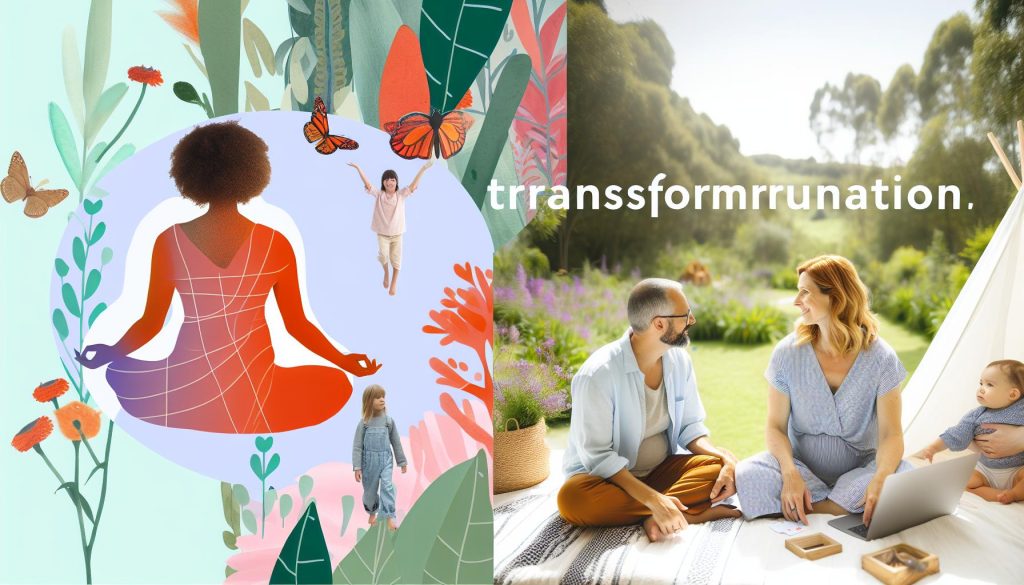

Experiencing disappointment with your postpartum body is a common struggle for new mothers. This journey of physical transformation can undermine confidence and self-esteem. Embracing these changes is crucial not only for personal well-being but also for fostering a positive self-image as a mother. Discover actionable steps to cultivate self-love and acceptance, empowering you to feel confident and stunning again.
Understanding the Emotional Impact of Postpartum Body Changes
The transition into motherhood can feel overwhelming, and one of the most profound challenges women face in this journey is adapting to the drastic changes in their bodies. These changes are not only physical but deeply emotional, affecting self-esteem and body image. According to research, fluctuations in hormones during the postpartum period can considerably influence mood and emotional regulation, often leading to feelings of anxiety and insecurity about one’s body[[2](https://itsbodily.com/blogs/birth-recovery-postpartum/postpartum-emotions-changes-after-giving-birth)].
In the weeks and months following childbirth, it’s normal for women to experience a range of emotions regarding their bodies. Many might find themselves struggling with body dissatisfaction, which is exacerbated by societal pressures and unrealistic portrayals of postpartum bodies in media. It’s crucial to acknowledge these feelings as valid and common experiences rather than simply dismissing them as a phase to “get over.” Practical strategies can help in embracing change and fostering a more positive body image.Here are a few actionable steps:
- Practice Self-Compassion: Start by being kind to yourself. Allow space for emotions and recognise that your body has accomplished the incredible feat of bringing new life into the world.
- Reconnect with your Body: Engage in gentle exercises, such as yoga or walking, to help rebuild strength and foster a sense of connection with your body.
- Focus on Health, not Appearance: Shift your mindset from aesthetics to wellness. Enjoy nutritious foods and activities that make you feel good, emphasizing health over appearance.
- Seek Support: Join a community of new mothers or engage in support groups where shared experiences can foster understanding and acceptance of one’s body.
Addressing postpartum body changes also involves recognizing the intersection of emotional well-being and physical recovery. It’s essential for new mothers to be aware of the potential for postpartum mood disorders as these can compound the emotional distress linked to body changes[[3](https://pmc.ncbi.nlm.nih.gov/articles/PMC10613459/)]. By opening conversations around these experiences, we can encourage women to seek help when needed and normalize discussions of body image, ultimately guiding them toward embracing their new selves and feeling confident again as outlined in “I Hate My Postpartum Body—How to Embrace Change and Feel Confident Again!”
Realistic Expectations: Navigating the Journey of Postpartum Recovery
Understanding the Importance of Realistic Expectations in Postpartum Recovery
The journey through postpartum recovery is as unique as each individual’s experience. It’s crucial to recognize that the body undergoes important changes during pregnancy and childbirth, and these transformations don’t simply disappear overnight. Instead of succumbing to unrealistic comparisons or societal pressures, it’s vital to set achievable goals that accommodate your new lifestyle and physical state. Embracing the expectation that it takes time to heal and adjust can alleviate stress and foster a more positive self-image.To cultivate body confidence in the postpartum phase, consider adopting the following approaches:
- celebrate Small Wins: Acknowledge every step forward, whether that’s fitting into a favorite pair of jeans or simply feeling more energized each day.
- Prioritize Recovery: Understand that your body needs recovery time.Engage in gentle activities like walking or yoga that support your healing process.
- Seek Support: Surround yourself with a community that uplifts you.Sharing experiences with other new parents can bolster your morale and reinforce positive body image.
setting Achievable Goals
When crafting your recovery journey, it can be beneficial to set realistic goals that align with your current physical capabilities.Instead of aiming for immediate weight loss or dramatic changes, think in terms of gradual improvements.This can include:
| goal | Timeline | Action Steps |
|---|---|---|
| Increase daily activity | Within 6 weeks | Start with short walks, then gradually increase duration. |
| Re-establish a fitness routine | 2-3 months | Incorporate postnatal yoga or join a supportive exercise group. |
| Boost emotional well-being | Ongoing | Practice self-care and mindfulness techniques regularly. |
In allowing yourself to embrace your new body and the journey it represents, you’ll find that each milestone—no matter how small—contributes to a greater sense of confidence and pride. Remember, the path to self-acceptance and body positivity isn’t a race; it’s a deeply personal and transformative process that encourages compassion and understanding towards yourself. As you navigate this period of change, keep in mind that you’re not alone, and your experiences are valid and worthy of recognition.
Self-Compassion and body Positivity: Strategies for Embracing Change
Understanding Self-Compassion in the Journey of Body Positivity
Embracing change, especially after childbirth, can be a profound journey filled with mixed emotions. Many mothers struggle with feelings of disconnection from their bodies, often compounded by societal pressures that prioritize unrealistic beauty standards.However, incorporating self-compassion into your life is a transformative strategy that not only fosters body positivity but also nurtures a healthier relationship with yourself. Research shows that self-compassion encourages individuals to treat themselves with the same kindness they would offer a friend, which can significantly reduce self-criticism and enhance emotional well-being [[3]].
- Practice Mindfulness: Engage in mindfulness exercises to cultivate a non-judgmental awareness of your thoughts and feelings.This can help in recognizing negative self-talk that often accompanies postpartum body image issues.
- Reframe Your Thoughts: Challenge negative beliefs about your body by reframing them with positive affirmations. Instead of saying, “I hate my postpartum body,” try stating, “My body is strong and has created life.” This shift in language can be incredibly empowering.
- Celebrate Small Victories: Acknowledge and celebrate every step toward self-acceptance. Whether it’s wearing a favorite outfit or looking in the mirror without self-judgment, each victory counts towards feeling more confident.
- Connect with Supportive communities: Surround yourself with positive influences, whether they are friends, support groups, or online communities focused on body positivity. Engaging with others who share similar experiences can help normalize the feelings associated with postpartum changes.
Building a Positive Body Image Through Self-Compassion
Integrating self-compassion into your daily routine creates a nurturing habitat that can diminish the sting of societal pressures. Self-compassionate practices, such as gentle self-talk and acceptance of one’s flaws, can lead to a more positive body image. as you embrace your postpartum body, remind yourself that it tells a story of resilience and love [[2]].
| Strategy | Description |
|---|---|
| journaling | Write daily reflections on your body image and feelings about postpartum changes to help process your emotions. |
| Body Neutrality Practice | Focus on what your body can do rather than how it looks. Recognize its strength and capabilities. |
| Healthy Movement | Engage in physical activities that you enjoy, promoting a sense of wellness without the pressure of weight loss. |
Ultimately, embracing the journey of loving your postpartum body is about shifting perspectives and nurturing self-acceptance. By employing self-compassion strategies, you can cultivate a resilient mindset that not only honors your body but also restores your confidence postnatally. Remember, you are not alone in this process; many women share similar feelings, and together, you can inspire each other to celebrate your unique journeys.
Practical Tips for Celebrating Your Postpartum Body
Embrace the Journey of Your body
Many new mothers grapple with the complexities of accepting their postpartum bodies, often feeling disconnected from the person they used to be. Yet, acknowledging the remarkable journey your body has taken is a powerful first step toward self-acceptance. Remember, each mark, curve, and change tells a story of strength and resilience. To help celebrate this unique chapter in your life, here are some practical tips to foster a positive relationship with your postpartum body.
Practice Positive Affirmations
Daily affirmations can significantly shift your mindset. start each morning by looking in the mirror and appreciating your body for what it has accomplished. Consider phrases like:
- I am strong and capable.
- I embrace my body’s changes.
- My body tells a beautiful story.
Reinforcing these positive statements can definitely help reshape your body image over time, allowing you to recognize the beauty in your new form.
Find Joy in Movement
Engaging in physical activity that you enjoy can make a world of difference. This could mean leisurely walks with your baby, gentle yoga, or even dance sessions at home. Not only does this help strengthen your body, but it also releases endorphins that improve your mood.Seek exercises that make you feel good rather than focus solely on weight loss. Approaching fitness from a place of joy rather than obligation can aid in fostering a healthier appreciation for your body.
Connect with Others
Building a support network with fellow mothers can be incredibly uplifting. Sharing experiences, challenges, and victories can definitely help normalize your feelings. Consider joining a postpartum support group or online community where you can freely discuss body image, expectations, and self-love. Connecting with others on similar journeys reminds you that you are not alone in embracing your postpartum body.
Celebrate Small Wins
Measure progress through actions rather than numbers on the scale.Celebrate accomplishments that make you feel good about yourself, whether it’s putting on a favorite outfit, engaging in a new activity, or simply feeling more like yourself. Keeping a journal can definitely help you track these moments and reflect on your journey, fostering a sense of gratitude and recognition for all aspects of your growth.
By implementing these strategies, you can nurture a sense of love and acceptance for your postpartum body, transforming feelings of dislike into a celebration of its incredible capabilities and changes. Embrace the process with patience, and allow yourself the grace to experience this new phase of life fully.
Finding Your style: Fashion and Fitness After Baby
Rediscovering Your Personal Style
Finding a style that feels right after giving birth can be a journey filled with ups and downs. Often, new moms feel caught between the desire to embrace their new bodies and the urge to return to their pre-pregnancy look. However, it is essential to shift the focus towards clothes that celebrate the changes while providing comfort and confidence. Think about incorporating versatile pieces that can transition easily from day to evening. For instance, consider investing in a stylish jumpsuit that flatters your figure and can be dressed up or down based on the occasion.
- Emphasize Comfort: Look for materials like cotton or jersey that offer stretch and adaptability to your changing shape.
- Choose Flattering Cuts: High-waisted pants and wrap dresses are perfect for enhancing your silhouette while offering support.
- Accessorize Wisely: A great pair of shoes or a bold scarf can elevate even the simplest outfit, allowing you to feel stylish without much effort.
Balancing Fashion with Fitness
Postpartum fitness is not just about physical recovery; it’s also about fostering a positive body image. As you explore postpartum workouts, consider how your activewear can affect your mindset. Opt for flattering, functional workout clothes that make you excited to exercise. Look for items designed specifically for postpartum bodies to provide the necessary support and comfort. brands are increasingly offering stylish options that feature high waistbands and supportive bras,tailored to accommodate nursing as well.
| Activewear Essentials | Features |
|---|---|
| High-Waisted Leggings | Supportive and flattering |
| Breathable Tanks | Cozy for layering |
| Nursing Sports Bras | Convenient and supportive |
Embrace your postpartum journey by experimenting with styles that make you feel both fashionable and comfortable. As you find what works best for you, remember that feeling confident in your body is a process. Each small step towards embracing your unique style can contribute significantly to your overall confidence and well-being in this new chapter of life.
Seeking Support: Building a Community to Boost Your Confidence
Finding Connection in Your Journey
Struggling with body image after childbirth is a common yet deeply personal experience,and building a community around this journey can significantly enhance your confidence. Connecting with others who are navigating similar feelings can provide a safe space to share your thoughts and feelings, forming bonds that foster healing and encouragement. Many women feel isolated during this time, but by reaching out, you can discover strength in numbers—as the saying goes, “shared experience is a powerful teacher.”
Participating in support groups, whether online or in-person, can be immensely beneficial. These gatherings offer not only emotional support but also practical advice on embracing your postpartum body. As an example, you might hear stories from fellow mothers about their struggles and triumphs, which can offer new perspectives and inspire you to embrace your own changes. Look for local or virtual groups like those organized by Postpartum Support International, which create inclusive environments for mothers to share and connect [[1](https://psichapters.com/ca/)].
Ways to Engage with Your Community
To boost your confidence and embrace your postpartum body, consider the following actionable steps to engage with your community:
- Join local support groups: Many areas offer in-person meetings where mothers can share their experiences.
- Use online platforms: Websites like Smart Patients provide communities specifically for postpartum support,where you can ask questions and get instant feedback [[2](https://postpartum.net/smart-patients-postpartum-community-a-safe-supportive-place-to-connect/)].
- Attend workshops or classes: Look for local events focused on postpartum health, fitness, or wellness; these can offer a dual benefit of details and community.
- Participate in social media groups: Online forums or private groups can feel like an extension of your home, offering a wealth of shared stories and resources.
Building a network is not just about finding support; it’s also about giving support. Sharing your journey through challenges can empower others and reinforce your own growth. Embrace your postpartum changes—as reflected in your community—you are not alone in navigating this transformative phase.
Professional Insights: When to Consult a Therapist or Nutritionist
Recognizing the Need for Professional Support
adjusting to the physical and emotional changes that follow childbirth can be overwhelming. Many women find themselves struggling with body image and self-esteem, leading to feelings of anxiety and sadness. When these feelings begin to interfere with daily life or relationships, it’s crucial to recognize when it’s time to seek professional help. A therapist or nutritionist can provide valuable insights and personalized support tailored to your individual needs, helping you navigate the complexity of postpartum challenges.
When to Consult a Therapist
Consider seeking therapy if you find yourself experiencing the following:
- Persistent Negative Thoughts: If you are regularly thinking, “I hate my postpartum body,” and these thoughts dominate your self-perception or daily activities.
- Difficulty Coping With Emotions: Feeling overwhelmed, sad, or anxious to the point where it affects your ability to care for yourself or your baby.
- Relationship Strain: If your body image issues are causing tension in your relationships, either with your partner or friends and family.
- Isolation: Withdrawing from social interactions or activities you once enjoyed due to body image concerns.
A qualified mental health professional can help you develop coping strategies, reframe negative thoughts, and build a healthier relationship with your body.
consulting a Nutritionist for Body Confidence
Nutrition plays a significant role in how you feel both physically and emotionally postpartum. If you’re struggling with eating patterns or nutritional choices, it may be beneficial to consult a nutritionist. Here are signs that professional nutrition guidance could be helpful:
- Unhealthy Eating Habits: Experiencing disordered eating behaviors or emotional eating, particularly as a response to body image issues.
- Confusion About Healthy Choices: Not knowing what constitutes a balanced diet, especially in relation to postpartum recovery.
- Weight Concerns: Feeling anxious about weight loss or maintenance without a structured or informed plan.
Nutritionists can help you create a relevant eating plan that not only supports your physical health but also promotes mental well-being, guiding you towards an empowered approach to nutrition and body image.
| Signs You May Need Professional Help | preferred Specialist |
|---|---|
| Negative body image impacting daily life | therapist |
| Persistent emotional eating or unhealthy habits | Nutritionist |
| Strain in personal relationships related to body image | Therapist |
| Need for nutritional guidance for postpartum recovery | Nutritionist |
By consulting the right professionals,you can gain clarity and support as you work towards embracing the changes in your body and finding ways to feel confident again. Remember, reaching out for help is a sign of strength and a critical step in your postpartum journey.
Mindfulness and Self-Care: Nurturing Your Well-Being as a New Parent
Finding Calm Amidst the Chaos
Becoming a new parent brings immense joy, but it can also be overwhelming, especially when grappling with changes in your body and identity. many new mothers experience a struggle with their self-image postpartum, often leading to feelings akin to “I Hate My Postpartum Body—How to Embrace Change and Feel Confident Again!” This struggle can be compounded by the demands of caring for an infant, making mindfulness and self-care crucial components of nurturing well-being during this challenging period.
Incorporating mindfulness into daily routines can be a transformative tool for new parents.By engaging in simple practices like deep breathing or meditation,parents can create moments of peace amid the hectic pace of caring for a newborn. Here are some actionable mindfulness strategies:
- Start the Day Mindfully: Upon waking, spend a few moments focusing on your breath. This sets a positive tone for the day.
- Mindful feeding: Whether breastfeeding or bottle-feeding, take time to savor this bonding moment, focusing on the warmth and connection rather than your body image.
- Gratitude journaling: Dedicate just five minutes a day to write down three things you’re grateful for, shifting your focus from negative aspects to positive experiences.
Prioritizing Self-Care
While it might seem like ther’s no time for self-care, prioritizing it is essential when grappling with feelings of inadequacy. Just as you care for your newborn, you must also tend to your own needs. here are some ways to incorporate self-care into your routine:
| Self-Care Activity | Implementation Tip |
|---|---|
| Short Exercise Sessions | Incorporate 10-minute walks with your baby or do quick workouts while they nap. |
| Relaxation Techniques | Set aside time for a warm bath or practice yoga, which can be done at home. |
| Connecting with Others | Join a new parent group or schedule regular calls with friends for support. |
Emphasizing self-care doesn’t just improve your well-being; it sets a healthy example for your child. By recognizing the need to care for yourself, you help foster a more balanced family life and gradually cultivate a more positive view of your postpartum body—transforming the narrative surrounding “I Hate My Postpartum body—how to Embrace Change and Feel Confident Again!” into one of acceptance and love.
Frequently Asked Questions
What is the postpartum body change experience?
The postpartum body undergoes significant changes as it adjusts after childbirth.This includes physical shifts like weight fluctuation, skin texture changes, and muscle tone alterations.
Emotionally, many women may feel a mix of joy and frustration as they navigate their new identity as a parent while dealing with these physical changes. Remember, it’s a natural process that takes time.
How can I embrace my postpartum body changes?
embracing your postpartum body starts with self-acceptance and understanding that changes are normal. Focus on the incredible experience of bringing life into the world.
Consider practices like mindfulness or gentle exercise that can build confidence. Sharing your feelings with a support group can also help you feel connected.
Why do I feel disconnected from my body after childbirth?
Feeling disconnected from your body postpartum is common and can stem from rapid changes and hormonal shifts. It’s essential to acknowledge these feelings.
As your body adjusts, finding ways to reconnect—through activities like yoga or simply taking time for self-care—can definitely help ease this sense of disconnection.
Can I regain my pre-pregnancy body?
Regaining your pre-pregnancy body varies for everyone and depends on several factors including genetics, lifestyle, and how you’ve cared for your body during recovery.
Focus on a healthy approach rather than an ideal image. Small steps toward fitness, balanced nutrition, and adequate rest can help nurture your body and mind.
What should I avoid saying about my postpartum body?
Avoid negative self-talk and comparisons to others. Phrases that criticize your appearance can reinforce feelings of inadequacy.
Instead, embrace a more positive dialog with yourself. Recognizing your body for its strength and abilities can help uplift your self-image.
Why is it important to talk about postpartum body image?
Talking about postpartum body image is crucial for reducing stigma and promoting mental health. Sharing experiences can foster community and support.
Open conversations help normalize various body experiences, making it easier for new parents to seek help and feel less isolated during the adjustment period.
How can support systems help during postpartum recovery?
support systems, including friends, family, or groups, play a vital role in postpartum recovery. They provide emotional reassurance and practical assistance.
Having a network can definitely help you navigate feelings about your body, share tips, and offer encouragement as you adapt to motherhood and your changing body.
To Conclude
Embracing the changes in your body after childbirth can feel daunting, but remember, you are not alone in this journey. Many new parents grapple with body image issues postpartum,yet it’s essential to prioritize your mental health and practice self-compassion. Engage in positive mindset shifts and celebrate your unique recovery journey—each step, no matter how small, is progress. From discussing the common experience of postpartum hair loss to employing practical confidence-boosting strategies, it’s crucial to seek support and acknowledge your feelings. By cultivating a positive body image,you can rebuild your self-esteem and foster a healthier relationship with yourself. Explore the resources and tips shared in this article, and take the first steps toward embracing your postpartum body with love and confidence. Remember, this is a transitional phase, and with time and care, you can reclaim your sense of self. For more insights and support, continue your exploration—every journey is significant, and yours matters.
Get our latest guides, news, and insights highlighted in your Google Search & AI Overviews.