
Navigating the journey of parenthood can be overwhelming, especially in the postpartum phase. many families seek specialized support, making postpartum certified Nursing Assistants (CNAs) indispensable. This guide outlines essential steps to embark on this fulfilling career, equipping you to provide critical care and compassion during one of life’s most transformative times.
Understanding the Role of a Postpartum CNA: Why It Matters
The crucial Contribution of Postpartum CNAs
The transition into parenthood is one of the most transformational experiences many individuals will face in their lives. Yet, despite the joy, it comes with numerous challenges. here is where the role of a Postpartum Certified Nursing Assistant (CNA) becomes vital—a professional who not only supports new mothers physically but also emotionally during this critical period. By understanding the multifaceted responsibilities these healthcare workers engage in, we can appreciate why their roles are indispensable in postnatal care.
Essential Duties of a Postpartum CNA
A Postpartum CNA is trained to facilitate a smooth recovery for mothers and to lay the foundational habits necessary for proper infant care.Their responsibilities encompass a variety of essential tasks, including:
- Monitoring the mother’s health—vital signs, physical recovery, and emotional well-being.
- Assisting with infant care—bathing, feeding, and diaper changes.
- Providing education and resources about postpartum recovery techniques and infant care practices.
- Offering emotional support—a listening ear can make all the difference during stressful moments.
Such support not only aids in the physical recovery of mothers but also promotes mental health,which is just as crucial during this time.
Importance of Postpartum CNAs in Healthcare
The role of postpartum CNAs directly impacts mother and baby health outcomes. Studies show that having trained support personnel like CNAs reduces the incidence of postpartum complications and enhances maternal satisfaction in the healthcare experience. consider the following aspects of their contributions:
| Impact Area | Positive Outcome |
|---|---|
| Maternal Recovery | Faster physical healing |
| Emotional Support | Reduction in postpartum depression rates |
| Infant Care | Improved breastfeeding success rates |
By recognizing the role of Postpartum CNAs and the importance of their work, new parents are more likely to receive comprehensive care during a vulnerable time. For those interested in this rewarding career path,understanding how to become a Postpartum CNA is a important first step toward making a meaningful difference in the lives of families.
Essential Skills and Qualities Every Postpartum CNA Should Have
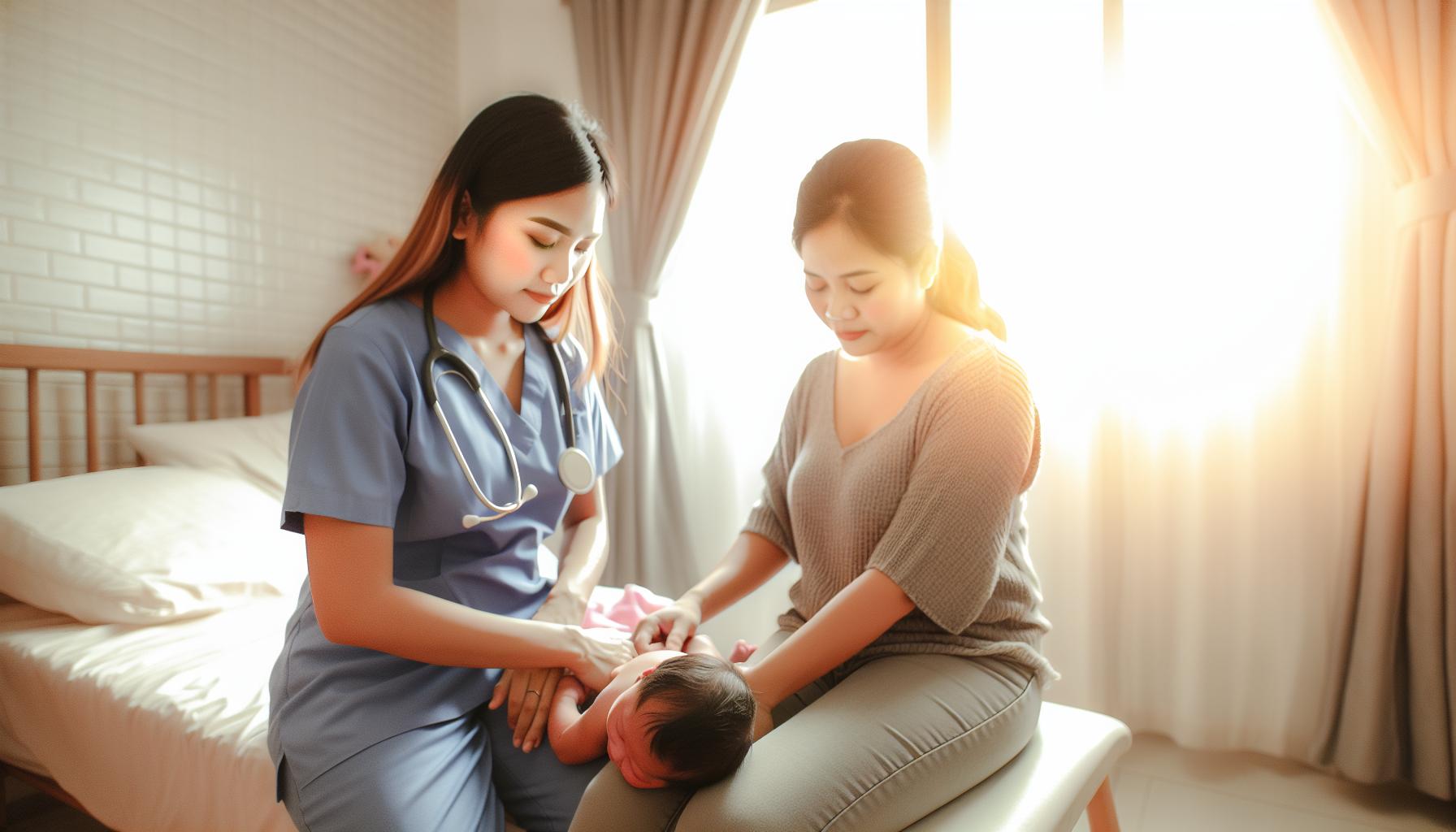
In the delicate period following childbirth, the role of a Postpartum Certified Nursing Assistant (CNA) is pivotal. A postpartum CNA not only cares for the newborn but also provides essential support to the new mother during a time of profound physical and emotional change. To excel in this critical role, a diverse set of skills and qualities are required, all of which contribute to creating a supportive and healing environment.
core Skills for Postpartum CNAs
- Compassion and Empathy: Understanding the emotional and physical challenges postpartum women face is crucial. Being compassionate helps build trust and allows mothers to express their concerns freely.
- Communication Skills: Effective communication is vital,not only for fostering relationships with new parents but also for ensuring clear interactions with the healthcare team. A postpartum CNA must be able to listen actively and speak clearly.
- Basic Medical Knowledge: While not a substitute for a nurse, a postpartum CNA should have a fundamental understanding of postpartum care, including physical recovery and infant care basics.
- Attention to Detail: Observing changes in a mother’s condition or a newborn’s behavior can help detect potential complications early. Attention to detail also applies to following care plans and medication schedules accurately.
Personal Qualities to Cultivate
- Patience: The postpartum journey can be unpredictable.Exhibiting patience when dealing with new mothers who might potentially be experiencing overwhelming emotions is essential for effective care.
- Physical Stamina: The demands of assisting with daily tasks and providing care can be physically taxing. Maintaining good health and stamina is vital.
- Adaptability: The ability to adapt to varying family dynamics and individual needs is crucial in providing tailored support to each family.
- Teamwork: working closely with nurses and doctors is essential. A collaborative spirit will ensure cohesive care for mothers and their babies.
Practical Experience
Gaining hands-on experience through internships or volunteer work can considerably enhance these skills. Many training programs offer simulated environments to help aspiring CNAs practice and refine their abilities in real-world scenarios. Additionally, connecting with established postpartum CNAs for mentorship can provide invaluable insights into daily responsibilities and effective caregiving strategies.
| Skill/Quality | Importance |
|---|---|
| Compassion | Builds trust and rapport with mothers. |
| Communication | Ensures clarity and understanding in care. |
| Attention to Detail | facilitates early detection of complications. |
| Patience | Helps manage the emotional needs of new mothers. |
Developing these essential skills and attributes not only enhances your effectiveness as a postpartum CNA but also contributes to a rewarding career path. For those considering how to become a postpartum CNA, understanding and cultivating these qualities will be instrumental in your professional journey.
Steps to Get Certified as a Postpartum CNA: Your Roadmap
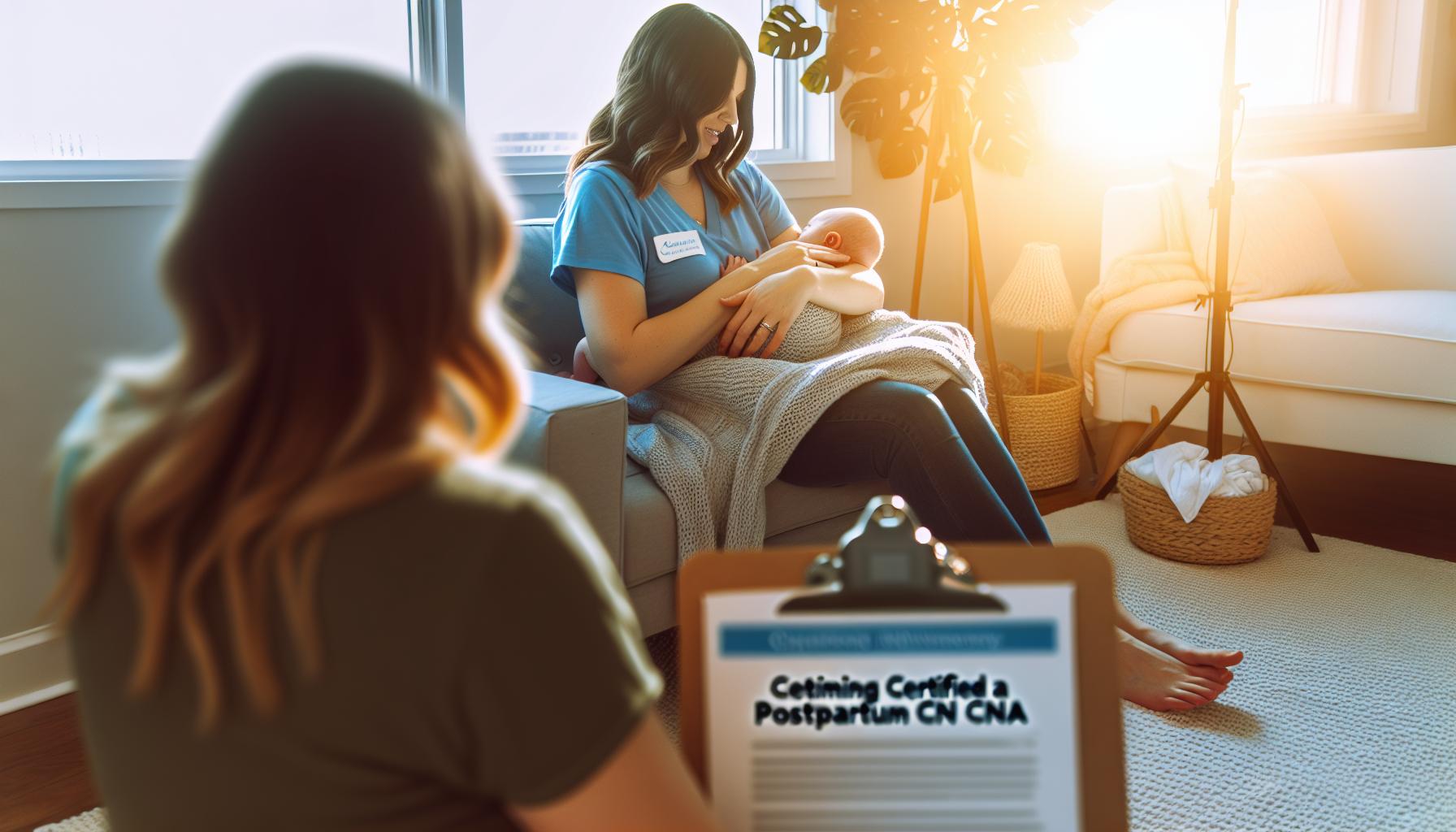
In the transformative field of maternal health, becoming a Certified Nursing Assistant (CNA) with a specialization in postpartum care can be an incredibly rewarding career choice. This role enables you to make a lasting impact on new mothers’ lives, providing them with necessary support during a crucial time. Here’s your roadmap to becoming a postpartum CNA, highlighting the actionable steps you need to follow.
Educational Prerequisites
Before you can embark on your journey to becoming a postpartum CNA, you need to ensure that you meet the educational requirements. Generally, this involves:
- High School Diploma or GED: Completing high school is a foundational step. This credential is often a minimum requirement for CNA programs.
- Basic Health Courses: Some programs may recommend or require you to complete courses in biology, anatomy, or health sciences.
Once you have these prerequisites in place, you can proceed to the next stage.
Enroll in a CNA Training Program
Finding the right training program tailored to postpartum care is crucial. Look for accredited institutions or community colleges that offer CNA programs,ensuring they include modules on maternal and infant health.
Key components to investigate include:
- Clinical Rotations: The program should provide hands-on training in a clinical setting, allowing you to gain experience working directly with postpartum patients.
- Duration: Most programs typically last between 4 to 12 weeks, so check for one that aligns with your time availability.
After completing the training, you will be equipped with the essential nursing skills and postpartum care knowledge, preparing you for the next step: certification.
Pass the CNA Certification Exam
Certification is a critical step in legitimizing your qualifications. The process usually involves:
- Written examination: This tests your knowledge of nursing principles and practices.
- Practical Skills Test: You will demonstrate essential nursing skills in a controlled environment, frequently enough related to patient care and postpartum assistance.
Many states require you to register with a governing body before sitting for the exam, so be sure to check the specific requirements for your region.
Consider Additional Postpartum Certifications
While becoming a CNA is a great starting point, you might consider pursuing further certifications tailored to postpartum care. These may include:
- Certified Postpartum Doula: This certification focuses on the emotional and physical support provided to new mothers.
- education in Lactation Consulting: Expanding your knowledge in breastfeeding support can greatly benefit your postpartum clients.
Investing in these certifications enhances your credentials, making you a more competitive and effective caregiver.
| Certification | Focus Area | Duration |
|---|---|---|
| Postpartum CNA | Basic postpartum care | 4-12 weeks |
| Postpartum Doula | Emotional and physical support | Varies; typically a few months |
| Lactation Consultant | Breastfeeding support | 6-12 months |
By following these steps, you can confidently navigate your pathway to becoming a postpartum CNA. With the right education, certification, and additional training, you position yourself to provide vital support during one of the most significant times in a woman’s life.
Navigating Job Opportunities: Where to Find Postpartum CNA Positions
The demand for Certified nursing Assistants (CNAs) specializing in postpartum care is on the rise, given the increasing emphasis on maternal health and newborn care. As new mothers navigate their early days of parenthood, the role of a postpartum CNA becomes crucial. If you’re looking to step into this rewarding field, discovering where to find these job opportunities is an essential first step in your journey.
Online Job Boards
One of the most effective ways to uncover available postpartum CNA positions is through online job boards. Websites like the following can be invaluable resources:
- Indeed: Offers a comprehensive listing of CNA positions, with filters for location and specialty.
- Monster: Features job postings across different industries, including healthcare roles related to postpartum care.
- LinkedIn: Not only can you browse job listings, but you can also network with healthcare professionals in your area.
- Glassdoor: This platform provides insights on company culture along with job postings,helping you to choose the best fit for your career.
Networking within Healthcare Communities
Building connections within healthcare can led to job opportunities that may not be listed publicly. Engaging with local healthcare networks, attending workshops, and joining specialized groups on social media platforms can expand your reach. Here are some suggestions:
- Local hospitals and clinics: Participate in community events or programs directed at postpartum wellness to meet professionals who could inform you about openings.
- Professional associations: Organizations such as the National Association of Healthcare Assistants often provide job boards and networking opportunities.
- Online forums and social media: Groups dedicated to nursing and maternal healthcare can be found on platforms like Facebook and Reddit, where job leads are frequently shared.
Utilizing Recruitment Agencies
Recruitment agencies focused on healthcare can be an excellent avenue for securing a postpartum CNA position. These agencies have connections with facilities in need of skilled CNAs and can match your qualifications with their requirements. Some well-regarded agencies include:
| Agency Name | specialization | Location |
|---|---|---|
| AMN Healthcare | Healthcare Staffing | Nationwide |
| AscellaHealth | Pediatric and Maternal Care | Regional |
| Insight Global | Healthcare Professions | Nationwide |
By exploring these avenues, you’ll increase your chances of finding a fulfilling postpartum CNA role. Don’t forget to tailor your resume and cover letter to highlight your specific training and passion for maternal care,making you a standout candidate in this important field.
Building Compassionate Connections: Effective Communication with New Parents

Effective communication is essential for establishing trust and fostering positive relationships with new parents, especially in the role of a Postpartum CNA. As caregivers, understanding the unique challenges and emotions that new parents face can lead to more compassionate support. Research shows that effective communication plays a significant role in ensuring parents feel heard and valued during the postpartum period.
- Practice Active Listening: When engaging with new parents, listen intently to their concerns and emotions. This shows that you value their outlook and helps in addressing specific needs.
- Use Empathetic Language: Communicate in a way that reflects understanding and empathy. Phrases like “I can only imagine how you must be feeling” can go a long way in making new parents feel supported.
- Provide Clear Information: Share relevant information about postpartum care practices clearly and concisely. Ensure that the parents comprehend everything by checking in with them to confirm their understanding.
- Encourage Open Dialogue: Invite questions and discussions to create an environment where parents feel agreeable expressing their thoughts and concerns.
moreover, it is crucial to adapt your communication style to fit the context of your interactions with parents. Each family may have their own communication preferences, influenced by personal experiences and cultural backgrounds. When you are mindful of these differences, you can build stronger connections, ultimately providing better care.
| Communication Techniques | Benefits |
|---|---|
| Active Listening | Creates a supportive environment, reducing anxiety for new parents. |
| Empathetic Responses | Builds trust and deepens the parent-caregiver relationship. |
| Clear Explanations | Enhances understanding and reduces confusion regarding postpartum care. |
| Open-Ended Questions | Encourages parents to share their feelings and experiences, fostering connection. |
By mastering these effective communication skills, you can empower new parents in their postpartum journey, enabling them to feel more confident and supported. This approach not only enhances the overall experience of parents but also fulfills your role as a caregiver outlined in “How to Become a Postpartum CNA: Steps to Start Your Career.” Ensure you apply these techniques consistently to become a trusted advocate for those you serve.
Continuing Education: Expanding Your Skills in Postpartum Care

In the ever-evolving landscape of healthcare, the demand for specialized knowledge in postpartum care continues to grow. With the right education and training, aspiring professionals can make a significant impact in the lives of new mothers and their families. Expanding your skills through continuing education not only enhances your expertise but also positions you favorably in the job market, notably as a Certified Nursing Assistant (CNA) focusing on postpartum care.
The Value of Specialization
Postpartum care requires a comprehensive understanding of maternal health, newborn care, and the emotional needs of new parents. By pursuing targeted continuing education courses, you will acquire essential skills that can include:
- Breastfeeding Support: Knowing how to assist new mothers with breastfeeding techniques and challenges enhances your capability to provide holistic care.
- recognizing postpartum Complications: Training can definitely help you identify common issues, such as postpartum depression and infections, allowing for timely intervention.
- Newborn Care: Understanding infant care basics helps support parents in their early days with their newborns.
Programs offered through reputable institutions, such as those by the CDC and Harvard Division of Continuing Education, provide valuable resources tailored to these needs, ensuring that your skills remain relevant and effective [[2]] [[3]].
Practical Steps for Professional Advancement
When considering how to further your career as a postpartum CNA,take these practical steps:
- Research accredited continuing education courses that focus on postpartum issues.
- Participate in hands-on workshops to practice skills in real-world scenarios.
- Network with professionals in the field through classes or online forums to share practices and experiences.
By integrating these experiences into your education, you will solidify your understanding and create a strong foundation for providing exceptional care.
| Course Name | description | Duration |
|---|---|---|
| Postpartum Care Essentials | Overview of maternal health, infant care, and support resources. | 4 Weeks |
| Breastfeeding basics | Techniques and challenges related to breastfeeding. | 2 Weeks |
| Recognizing Postpartum Depression | Signs, symptoms, and support strategies for new mothers. | 3 Weeks |
Continuing education is not just a requirement; it’s an opportunity to elevate your practice in postpartum care. By committing to lifelong learning, you empower yourself to provide empathetic, knowledgeable support to families during one of their most critical times.
Balancing Your Career and Personal Life as a Postpartum CNA
Did you know that nearly 20% of women experience perinatal mood disorders such as postpartum depression? As a Certified Nursing Assistant (CNA) specializing in postpartum care, you play a critical role not only in supporting new mothers but also in managing your own well-being. Striking a harmonious balance between your professional responsibilities and personal life is essential, especially in a field that demands emotional resilience and physical stamina.
Prioritize Your Well-being
Taking care of yourself is the first step to effectively supporting others. Here are a few practical strategies to help you maintain your health and energy:
- Establish Boundaries: Design clear boundaries for your work hours and personal time. This could involve setting a specific time when you stop checking work emails or taking calls.
- Practice Self-Care: Engage in activities that rejuvenate you, whether it’s reading, practicing yoga, or simply enjoying quiet time to reflect.
- Seek Support: Connect with fellow CNAs or join support groups for postpartum specialists. Sharing experiences and advice can reduce stress and foster camaraderie.
Effective Time Management
Balancing work and personal responsibilities requires effective time management. Utilize the following tips to optimize your schedule:
- Plan Your Day: Start each week with a planner to outline your work shifts and personal commitments. Include time for relaxation and family activities.
- Prioritize Tasks: Use a simple priority matrix to determine which responsibilities are urgent and important, allowing shifts in focus as needed.
- Maximize Downtime: Take advantage of quieter moments during your shifts—read professional literature, catch up on personal projects, or practice mindfulness.
Creating a Supportive Environment
Your surroundings greatly influence your ability to balance professional and personal life. Foster a supportive home and work environment by:
- Communicating Needs: Share your work schedule with family and friends to help them understand your availability, and ask for help when necessary.
- Creating a Home Routine: Establish reliable routines at home that include chores, meal prep, and leisure activities. this predictability allows for smoother transitions between work and home life.
By adopting these strategies, you not only nurture your own well-being but also enhance the care you provide to postpartum patients. Remember, learning how to become a postpartum CNA encompasses understanding both the professional role and the importance of self-care. Through thoughtful management of your time and commitments, you can thrive in both your career and personal life, ultimately benefiting the families you serve.
Tips for Thriving in the Postpartum Care Environment: Insights from Experts
Understanding the Postpartum Care Environment
Navigating the postpartum care environment can be a crucial aspect of ensuring new mothers thrive after childbirth. It’s essential for certified nursing assistants (CNAs) specializing in postpartum care to foster an atmosphere of support and understanding. Experts suggest that knowledge of postpartum recovery is key; understanding the physical and emotional changes a new mother experiences can significantly enhance the care provided.
Practical Strategies for Effective Postpartum Care:
- Emphasize Communication: maintain open lines of communication with new mothers about their needs, emotions, and any concerns they may have. This not only helps build trust but also aids in tailoring care to their specific situations.
- Encourage self-Care: Educate mothers on the importance of self-care, including adequate hydration, nutrition, and rest. Simple reminders and resources can empower them to take charge of their recovery.
- Provide Resources: Equip mothers with information on postpartum support groups and mental health resources. This is particularly vital as many experience postpartum mood disorders.
- Adaptability in Care: Be prepared to adapt care strategies based on individual recovery processes. Each mother’s journey is unique, and a flexible approach can lead to better outcomes.
Tools and Techniques to Enhance Care Quality
Implementing effective tools and techniques can improve the quality of care CNAs provide in the postpartum environment. Here’s a snapshot of some key strategies:
| Technique | Description |
|---|---|
| Education Sessions | Conduct regular sessions to inform mothers about postpartum health, including warning signs that require medical attention. |
| Customized Care Plans | Develop personalized care plans that include physical therapy, family involvement, and mental health screenings, ensuring a holistic approach. |
| Support Networks | create or connect mothers to local support groups, fostering community and shared experiences. |
Incorporating these expert insights and practical techniques into the everyday routine of a postpartum CNA can greatly enhance the recovery experience for new mothers. The right combination of empathy, knowledge, and resources enables cnas to provide care that not only meets physical needs but also supports emotional well-being, which is vital for thriving in the postpartum care environment.
FAQ
what is a Postpartum CNA?
A Postpartum Certified Nursing Assistant (CNA) specializes in supporting new mothers and their newborns during the recovery period following childbirth.
Postpartum CNAs assist with basic care for the mother and baby, including hygiene support, feeding guidance, and emotional reassurance. Their role is crucial for helping families transition into parenthood, providing not just physical care but also emotional support as new parents navigate this significant life change.
How to Become a Postpartum CNA: Steps to Start Your Career?
To become a Postpartum CNA, start by completing a state-approved CNA training program followed by certification, then specialize in postpartum care.
This process typically includes undertaking hands-on training that focuses on maternal and infant care. Once certified, consider additional training or courses specifically designed for postpartum care to enhance your skills and knowledge in this specialized field.
Can I work as a Postpartum CNA without experience?
Yes, while previous experience in healthcare can be beneficial, it is not mandatory to start a career as a Postpartum CNA.
Many training programs offer practical experience as part of their courses, which equips you with the essential skills needed for this role. Additionally, internships or volunteer positions in maternity wards can provide valuable exposure, assisting you in gaining confidence and competence as you embark on your career.
Why does postpartum care matter?
Postpartum care is crucial as it supports new mothers’ physical, emotional, and mental health during a sensitive period after childbirth.
Many new parents face challenges such as physical recovery, breastfeeding difficulties, and emotional highs and lows. By focusing on postpartum care, you help ensure that mothers receive the guidance and support they need, leading to healthier outcomes for both mother and baby.
What skills do I need to become a Postpartum CNA?
Essential skills for a Postpartum CNA include effective communication, empathy, attention to detail, and basic healthcare knowledge.
these skills are vital for understanding the needs of new mothers and their infants. Practicing good listening skills allows you to provide tailored support while being attentive to the subtle cues that indicate a mother’s or baby’s needs. Being compassionate and patient also fosters a supportive atmosphere for families during this transitional phase.
Where can I find training programs for Postpartum CNAs?
You can find training programs for Postpartum CNAs at community colleges, vocational schools, and online platforms offering CNA certification courses.
When researching options,look for programs that include specific training in postpartum care,which may cover topics like maternal health,infant care,and emotional support for new families. Additionally,consider connecting with local hospitals to see if they offer any specialized training or job opportunities.
Can I specialize in postpartum care after becoming a CNA?
Yes, once you become a CNA, you can pursue additional training or certifications that focus specifically on postpartum care.
Many organizations offer workshops or online courses that dive deeper into subjects like breastfeeding support or postpartum mood disorders. This specialization can enhance your job prospects and provide a more comprehensive skill set for working with new families during this critical time.
To Wrap It Up
As you embark on this rewarding journey to become a postpartum Certified Nursing Assistant,remember that you are not just pursuing a career; you are embracing a vital role in supporting families during one of life’s most transformative moments. By following the steps outlined, from education and certification to gaining hands-on experience, you’re not only building your professional foundation but also contributing to the health and well-being of new parents and their precious infants.
Navigating the challenges of parenting can be overwhelming, but as a postpartum CNA, you’ll become a trusted resource for families, helping them through their unique transitions with compassion and expertise. We encourage you to explore further and engage with the community around you. Whether it’s connecting with other professionals, deepening your knowledge, or sharing your experiences, each step will enhance your journey and the impact you make.Your dedication to helping new families is commendable, and we wish you all the best as you take these critically important steps towards building a fulfilling career. Remember, you don’t have to walk this path alone—support and resources are available every step of the way. Embrace this opportunity to grow, connect, and empower those around you!
Get our latest guides, news, and insights highlighted in your Google Search & AI Overviews.