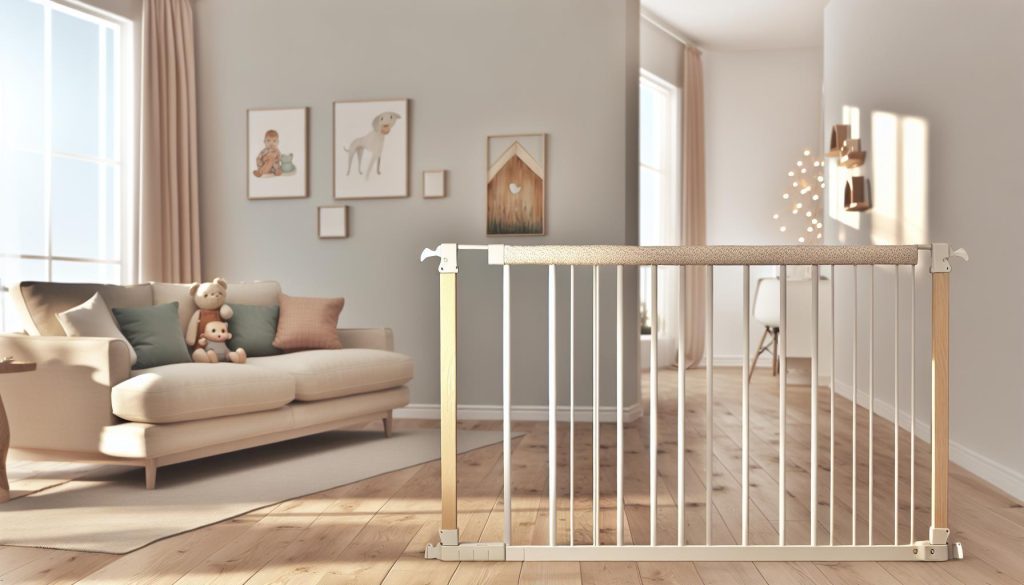

Creating a safe space for your little ones in larger homes can be challenging, especially when traditional baby gates just won’t fit. This guide explores practical and stylish DIY solutions tailored for wide openings, ensuring both security and aesthetic appeal. discover how easy it can be to enhance your home’s safety without sacrificing style.
Understanding the Need for Baby Gates in Large Spaces
why Baby Gates Matter in Expansive Areas
Every parent understands the importance of creating a safe habitat for their little ones, especially in large spaces where the potential for accidents increases. Baby gates are essential tools that aid in this task,helping to establish secure boundaries in open areas such as living rooms,wide stairways,and long hallways. With a properly installed baby gate, you can efficiently prevent infants and toddlers from accessing possibly hazardous locations while allowing for a degree of mobility for parents and caregivers.
benefits of Using Baby Gates
- Enhanced Safety: Baby gates provide a physical barrier that keeps children away from stairs, kitchens, and other unsafe areas.
- Peace of Mind: Knowing your child is safe in a defined space allows for easier monitoring and supervision, especially in larger homes.
- Multi-Purpose Use: Many baby gates can also serve as pet barriers, offering a dual solution for families with pets.
- Stylish Options: With various designs available, these gates can complement your home decor while maintaining functionality.
When selecting a DIY baby gate for large openings, consider the following aspects to ensure it meets your specific needs:
| Feature | Description | Importance |
|---|---|---|
| Width adjustment | Gates should be adjustable to fit the specific dimensions of your openings. | Ensures a secure fit and prevents gaps where a child might slip through. |
| Ease of Use | Mechanisms should be easy for adults to operate but challenging for children. | Allows access for caregivers while keeping children secure. |
| Durability | Materials should be sturdy and able to withstand daily use. | Ensures long-term safety and reduced need for replacements. |
| Installability | Easy installation methods that do not damage walls. | Convenience in setup and relocation if necessary. |
In essence, baby gates are not just safety measures; they represent an investment in the well-being of your children and the peace of mind of parents. Opting for a DIY baby gate tailored to large openings can integrate safety seamlessly into your home while maintaining a stylish appearance, turning a necessity into a smart addition to your decor.
Choosing the Right Materials for Your DIY Baby Gate
When embarking on the creation of a DIY baby gate for large openings,selecting the right materials is crucial for ensuring both safety and aesthetic appeal. Not only does the material you choose impact how sturdy and secure the gate will be, but it also contributes to the overall look of your home. many opt for wood, metal, or a combination of materials, each offering distinct advantages and styles that can blend seamlessly with your interior design.
Wood is a popular choice for DIY baby gates due to its natural beauty and strength. It can be easily customized to match your home’s décor, with various stains and paints available to enhance its appearance. Common types of wood used include pine, oak, and maple. pine is lightweight and affordable, making it an excellent option for budget-conscious projects, while oak and maple provide added durability and a more refined look.
- Pros: Aesthetic adaptability,easy to work with,strong.
- Cons: May require ongoing maintenance and can be susceptible to wear and tear over time.
Metal, on the other hand, offers a modern, industrial look and is highly durable, making it less prone to breakage and wear. Metal gates, often made from aluminum or steel, can be painted or left with a metallic finish for an edgy appeal. When considering metal, ensure the design includes rounded edges to prevent injuries, especially for inquisitive little ones who may touch or lean against it.
- Pros: High durability, low maintenance, modern aesthetic.
- Cons: Less customizable in terms of appearance; may require specialized tools for assembly.
For a hybrid approach, combining wood and metal can offer the best of both worlds. As an example, a wooden frame with metal bars provides both safety and a unique aesthetic that can complement a variety of home styles.
| Material | best For | considerations |
|---|---|---|
| Wood | Custom designs, warm aesthetics | Requires upkeep, may warp |
| Metal | Durability, modern style | less customizable, potentially heavier |
| combination (Wood & Metal) | Unique aesthetics, strength | Complex assembly, cost may vary |
whether you prioritize aesthetics, strength, or a combination of both for your DIY baby gate for large openings, carefully contemplating your material choices is essential. Each option provides differing advantages that can enhance safety while adding a personal touch to your living space.
Step-by-Step Guide to Building a Stylish Baby Gate
Get Started with Your Stylish Baby Gate
Creating a stylish and functional DIY baby gate for large openings not only enhances your home safety but also allows you to express your personal style. Before diving into the construction process, consider the materials and design that will best complement your interior decor. As a notable example, wooden gates can be stained or painted in vibrant colors, making them a decorative piece that blends seamlessly with your home’s aesthetic.
Materials You’ll Need
When constructing your baby gate, ensure you have the following essential materials at hand:
- Wood boards (1×4 or 1×6 are typically recommended)
- Wood screws
- Hinges
- A latch (preferably a childproof one)
- Wood stain or paint (optional)
- Sandpaper and wood finish (if applicable)
- Measuring tape and saw
- Drill
Step-by-Step Construction Process
- Measure Your Opening: Determine the width and height required for your gate based on the opening you wish to block. Standard sizes provide a good reference, but custom measurements ensure a perfect fit.
- Cut the Wood to Size: Using your saw, cut your wood boards according to the measurements you’ve taken. Remember to account for the thickness of the hinges and latch mechanism in your calculations.
- Assemble the Frame: Lay out the boards to create a rectangular frame. Secure the corners with wood screws, ensuring they are tightly fastened for strength. You can add horizontal support boards for added sturdiness.
- Sand and Finish: Smooth out any rough edges with sandpaper. If desired, apply a wood stain or paint to match your decor. This not only adds aesthetic value but also protects the wood.
- Attach Hinges: Decide on the side that will hinge open, aligning your hinges at the top and bottom of the gate frame. Secure them with screws, ensuring they are tight and aligned.
- Install the Gate: Position your gate in the desired location and mark where the hinges will attach to the wall. Drill pilot holes and fasten the hinges to the wall.
- Add the Latch: Attach a childproof latch to keep your gate securely closed. Make sure it is positioned out of the reach of young children for safety.
Finishing Touches
Once your gate is installed,test its operation to ensure it opens and closes smoothly. You can further enhance the safety and style of your DIY baby gate for large openings by adding a decorative element, such as a fabric banner or a unique handle. This project blends functionality with decorative flair, allowing you to baby-proof your home in style while keeping your little ones safe.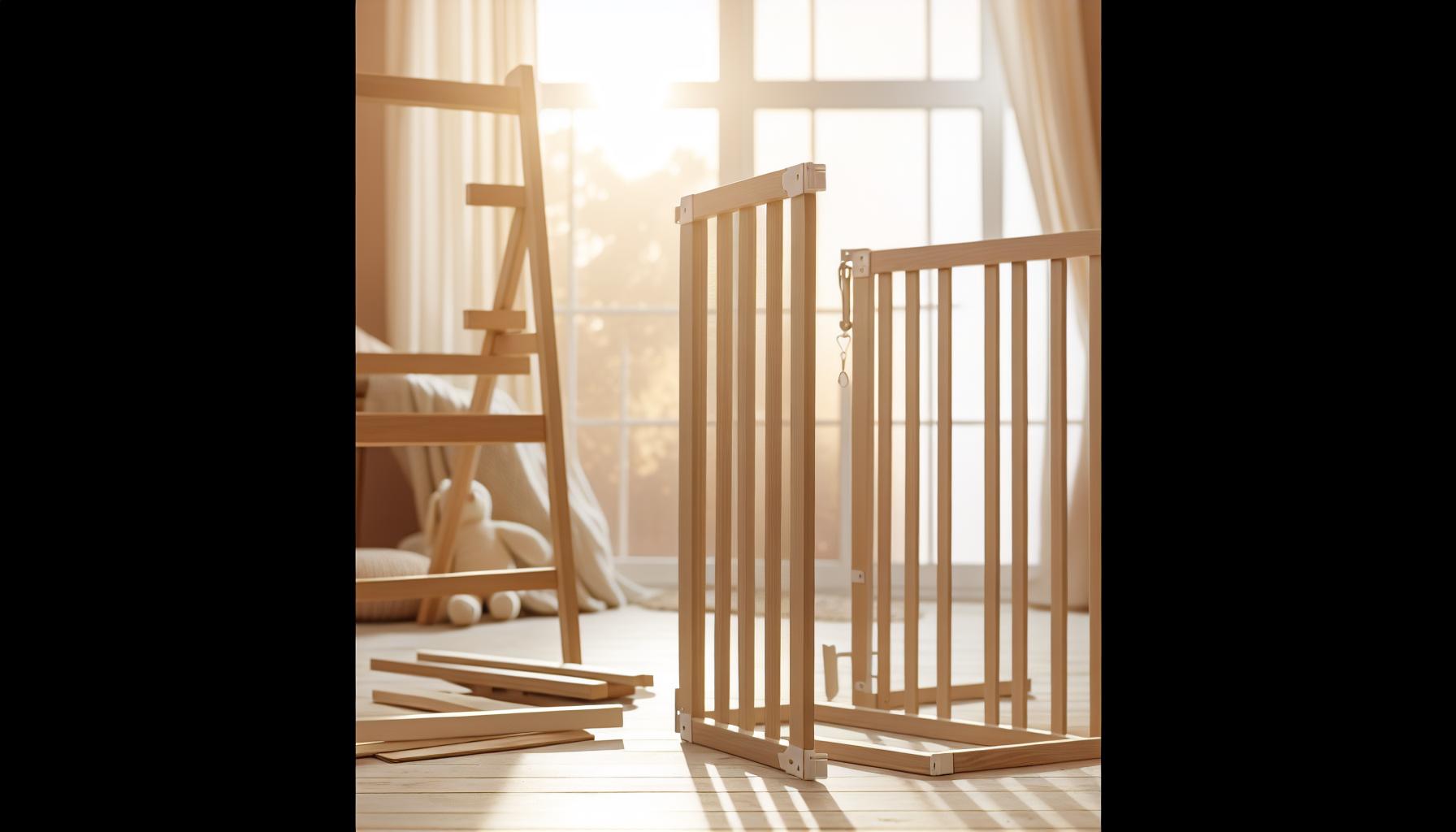
Safety Features Every Parents Should Consider
Key Safety Features for Your DIY Baby Gate
When it comes to safeguarding your little ones, the design and functionality of your DIY baby gate for large openings can make all the difference. Thoughtful features not only enhance safety but can also provide convenience for parents. Here are some essential elements to consider when constructing your gate.
- Secure Locking Mechanisms: Opt for gates with childproof locks that are out of reach of small hands. Single-handed operation is also an advantage for parents carrying children or items.
- Sturdy Construction: Ensure your baby gate is built from durable materials that can withstand force. A solid wooden frame is often recommended to resist pressure and prevent accidental collapses.
- Height and Width Considerations: Design the gate to be high enough to deter climbing and wide enough to effectively cover large openings. Typically, a minimum height of 30 inches is advisable.
- Non-Toxic Finishes: If painting or staining your gate, choose non-toxic, child-safe materials to ensure that any accidental exposure is harmless.
Custom Fit for Safety
For unique home layouts, a custom-fit baby gate is crucial. Measure the opening meticulously and consider adjustable designs that can expand or contract to fit various spaces. Below is a simple table outlining considerations for size and materials:
| Material | Durability | Potential Risks |
|---|---|---|
| Wood | high | Splinters (if unfinished) |
| Metal | Very High | Cold to touch in winter |
| Plastic | Moderate | Risk of breakage under pressure |
By integrating these vital safety features, your DIY baby gate for large openings will not only look stylish but also keep your children safe from potential hazards in your home.As you plan and create your gate, remember that thoughtful design can considerably enhance both functionality and aesthetics.
Customizing Your Baby Gate to Match Your Home Decor
Creating a Cohesive Look
When selecting a baby gate, it’s essential to ensure that it complements your home’s aesthetic rather than clashes with it. A well-chosen baby gate can enhance your decor, blending seamlessly into your living space. Consider the existing materials and colors in your home; as an example, if you have rustic wooden furniture, a custom wood baby gate with a matching stain can create a warm and inviting look.Many retailers, such as Etsy, offer handmade options that can be tailored to fit any size and finish you desire, making it easier than ever to find the perfect match.
Custom Design Options
To further personalize your baby gate, explore the variety of custom design options available. You can choose from different styles, such as modern geometric patterns or classic farmhouse designs, which can significantly enhance your home’s visual appeal. When working with companies like Gatekeepers, you can select wood types, stains, and paint colors that align with your current decor, ensuring a harmonious integration into your home.
- Material Selection: Opt for wood, metal, or composite materials that best suit your living environment.
- Color Coordination: Choose a paint or stain that matches your interior palette.
- Style Matching: Consider the architectural style of your home (e.g., contemporary, traditional) when selecting the gate’s design.
Functional Yet Fashionable
A baby gate does not have to sacrifice style for safety. Consider multi-functional designs that serve both purposes. For example, custom gates with intricate designs or accents can function as beautiful room dividers while ensuring safety in large openings. Look for options that provide the flexibility to adjust for various spaces,allowing them to fit permanently or temporarily within your home layout. This thoughtful approach not only maintains safety but also enhances your living space’s overall demeanor.
| Feature | Description | Benefits |
|---|---|---|
| Material Options | Wood, Metal, composite | Durability and style that matches your decor |
| Custom Colors | Multiple paint/stain choices | Seamless blending with your interior |
| Design Styles | Geometric, Classic, Rustic | aesthetic appeal that enhances your space |
By thoughtfully customizing your baby gate, you can achieve both style and function in your home. this blend of safety and aesthetics is the hallmark of a truly effective DIY baby gate solution for large openings, proving that you can safeguard your loved ones without compromising on design.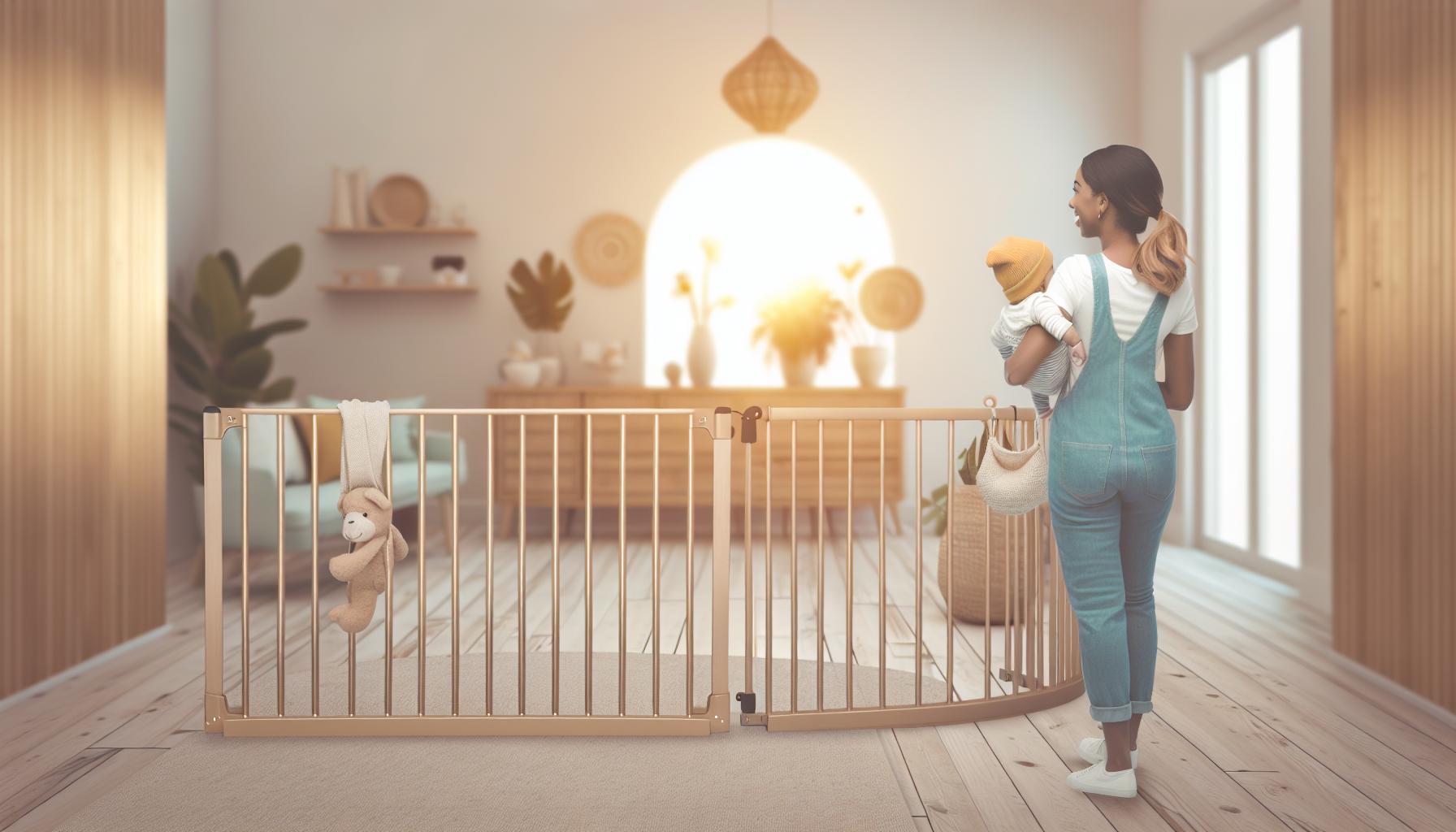
Tips for Installing Your Baby Gate Securely and Properly
Secure Your Installation with Precision
When it comes to keeping your little ones safe, ensuring your DIY baby gate for large openings is installed securely is crucial. One of the first tips is to carefully assess the space where you will install the gate. Measure the width at both the top and bottom of the opening to account for any differences, as walls may not be perfectly straight. This helps you select the right size gate and avoid any gaps that could pose safety hazards. For gates that use wall mounts, consider what kind of hardware will be needed; using appropriate screws and anchors can enhance stability.
Choose the Right Mounting Method
Baby gates can typically be installed using either pressure mounting or wall mounting. Pressure-mounted gates are easier to install and do not require any tools, making them ideal for renters or temporary solutions. However, for a more permanent and sturdy option, wall-mounted gates are advisable. If you’re opting for a wall-mounted gate, be sure to install it on a solid surface rather than drywall alone, as this will provide much stronger support. Always follow the manufacturer’s instructions closely; such as, many baby gates suggest mounting at a height of about 30 inches from the floor to prevent little ones from climbing over.
- Check Hardware Regularly: After installation, periodically check the screws and fittings to ensure they remain tight. Over time, vibrations or movements can loosen the mounts.
- Avoid Clutter: Keep the area around the gate clear. By minimizing clutter, you reduce the risk of slipping and falling near the gate.
- Ensure ease of Use: Make sure that the gate opens easily for adults while remaining secure against little hands. A gate that is difficult to open can lead to frustration.
Test the Gate Before use
Before putting your DIY baby gate into service, it is indeed vital to test its functionality thoroughly. Swing the gate open and closed several times to check for any resistance or instability. Pay attention to how securely it locks when closed; a faulty latch could lead to dangerous situations. It’s also advisable to give the gate a gentle shake to ensure it does not wobble.If you notice any movement, recheck your installation and adjust the mounting as necessary. An effective test frequently enough involves simulating a little one’s attempts to push or pull on the gate, ensuring it can withstand their curious explorations.
By following these , you can create a safe environment in your home, allowing both style and security to coexist beautifully in your DIY baby gate for large openings.
Creative Alternatives to Traditional Baby Gates
Innovative Solutions for Safety and Style
when it comes to childproofing your home, traditional baby gates may not always fit the aesthetic or functional needs of large openings.Fortunately, there are numerous creative alternatives that not only ensure safety but also enhance the decor of your home. As an example, using a decorative screen can serve dual purposes: it functions as a barrier while adding an element of design. Choose a screen that complements your interior style for a seamless look.
- PVC Pipe Gates: These are lightweight and can be easily constructed to fit the dimensions of your space. A simple DIY project involves connecting PVC pipes to create a custom gate that is both sturdy and visually appealing.
- Repurposed Crib Railings: Old crib sides can be transformed into chic baby gates. Sand and paint them to match your decor, and use brackets to secure them in place.
- Sliding Barn Door Gates: If your large opening allows for it,consider installing a sliding barn door. Not only does this create a stylish barrier, but it also saves space and is easy to operate.
Transformative DIY Projects
For those more creatively inclined, building a personalized baby gate can be a rewarding engineering project. A simple design modification using a pool noodle can help prevent small children from accessing stairs. By positioning the foam noodle along the edges of the opening, you create a visible boundary that discourages wandering while remaining soft and safe.
| Material | Pros | Cons |
|---|---|---|
| PVC Pipe | Lightweight, easy to customize | May not be as sturdy as wood |
| Repurposed Wood | Eco-pleasant, personalized design | Requires more effort to secure properly |
| Sliding Doors | Stylish, practical for large spaces | Can be costly and requires installation |
By leveraging these , you can effectively safeguard your child’s environment while maintaining the aesthetic appeal of your home. Explore DIY options and consider what materials you may already have to adapt to your space—it’s an excellent way to protect your loved ones without sacrificing style.
Maintaining and adjusting your DIY Baby Gate Over Time
Ensuring Longevity and Safety
A well-constructed DIY baby gate for large openings is not just a one-time installation but an ongoing commitment to safety. Over time, wear and tear can affect the functionality of your gate, which is why regular maintenance is crucial.Check the hinges and latch mechanisms periodically to ensure they are secure and functioning smoothly; any signs of rust or wear may require replacement. Keeping all screws tight will help maintain the gate’s stability, preventing any needless accidents or failures.
Adjustments for Safety and Effectiveness
Just like any other household installation, adjustments may be necessary as your baby grows or your home’s layout changes. Here are some actionable steps to keep your baby gate safe and effective:
- Height Adjustments: As your child grows, consider whether the height of the gate continues to provide adequate safety. If needed, adjust the gate or replace it with a taller design.
- Reinforce Stability: If you notice wobbling, reinforce the frame with additional brackets or support beams.This can help ensure the gate remains sturdy over time.
- Check for Gaps: Regularly inspect for gaps between the gate and the wall or floor. Over time, settling may create spaces that could pose a safety risk.
Weathering the Seasons
The environment in which your DIY baby gate is located can also affect its durability. Gates in high-traffic areas or near outdoor access points might potentially be exposed to different weather conditions. Make it a point to:
- Use Weather-Resistant Materials: If your gate is near external doors or windows, consider using treated wood or weather-resistant finishes to prolong its lifespan.
- Regular Cleaning: Dirt and grime can build up and affect the gate’s operation. regularly cleaning the surfaces, especially hinges and latches, will keep everything functioning well.
By keeping a close eye on the state of your DIY baby gate and making timely adjustments, you’ll ensure that it remains a safe and stylish solution for your home as your family grows. Remember,a little maintenance goes a long way in preserving both function and aesthetics in your DIY installation.
Faq
What is a DIY Baby Gate for Large Openings?
A DIY Baby Gate for Large Openings is a custom-made barrier designed to secure wide spaces in your home against unrestricted access by children or pets. Unlike standard gates, these are tailored to fit specific dimensions and can be made stylish to match your home decor.
Creating a DIY baby gate allows you to integrate safety into your living spaces without sacrificing style. you can choose materials and designs that complement your home’s aesthetic, ensuring that your safety solutions are both effective and visually appealing.
How do I build a DIY Baby Gate for large Openings?
To build a DIY Baby Gate for Large Openings, start by measuring the width and height needed. Gather materials such as wood, hinges, and a latch, and follow a simple step-by-step tutorial to assemble your gate.
Consider using lightweight materials for ease of use and ensuring the gate swings easily. You can find various designs and instructions online to help you through the process, making it a fun and rewarding project for every parent.
Why should I choose a DIY Baby Gate over a store-bought one?
Choosing a DIY Baby Gate offers customization that store-bought options often lack. You can design it to fit your space perfectly, making it safer and more functional.
Additionally, you have the freedom to select materials that fit your interior decor. A DIY gate can be a stylish accent in your home while still serving its critical safety purpose.
Can I use a DIY Baby Gate outdoors?
Yes, you can use a DIY Baby Gate outdoors, but ensure it’s made from weather-resistant materials. It’s essential to use treated wood or metal that can withstand the elements.
Consider the gate’s placement near pools or other hazards where children may wander. A well-constructed outdoor gate will keep your child safe while allowing them to enjoy outdoor spaces.
What materials are best for a DIY Baby Gate for Large openings?
The best materials for a DIY Baby gate for Large Openings are sturdy woods like pine or oak, metal for durability, or even composite materials, which can be lightweight yet strong.
Make sure to avoid sharp edges or toxic substances in your chosen materials to ensure the safety of your little ones. Paint or stain can also be added for aesthetic purposes, ensuring it blends seamlessly with your home decor.
How can I make my DIY Baby Gate more stylish?
To enhance the style of your DIY Baby Gate, consider painting it in a color that matches your decor or using decorative hardware for an elegant touch.Many parents choose to add features like decorative cutouts or unique latches.
You can also incorporate design elements like wood staining or using fabric elements for a soft touch. by customizing your gate, you create a piece that not only provides safety but also adds to your home’s charm.
Can I modify a pre-made gate for my large opening?
Yes, you can modify a pre-made gate to fit a large opening. This often involves adding extensions or modifying the hardware for better fit and function.
While this can be a practical solution, make sure that any alterations maintain the gate’s integrity and safety features. Consulting guides or experts in DIY projects can provide valuable insights on effective modifications.
Final Thoughts
Creating a DIY baby gate for large openings not only enhances your home’s safety but also allows you to express your personal style. As you explore various designs, remember the importance of durability and ease of use, ensuring that your solution fits seamlessly into your home environment. By selecting materials that resonate with your aesthetic while providing a sturdy barrier, you’re investing in the well-being of your little ones. We encourage you to dive deeper into our resources for step-by-step guides and creative ideas that can transform your baby gate project into a rewarding experience.Share your unique creations and connect with other parents facing similar challenges, fostering a community of support and inspiration. Together, let’s make our homes not just safe, but also inviting spaces for our growing families.
Get our latest guides, news, and insights highlighted in your Google Search & AI Overviews.