


Navigating skincare during breastfeeding can be challenging, especially when considering treatments like chemical peels. are they safe for new mothers? Understanding the potential effects on both skin health and breastfeeding is crucial for those looking to rejuvenate their complexion. This article explores the safety of chemical peels while nursing, ensuring you make informed choices for your skin.
Understanding Chemical Peels: The Basics for New Mothers
Getting to Know Chemical Peels
Did you know that your skin undergoes significant changes during and after pregnancy? From hormonal fluctuations to the demands of motherhood, many new mothers find themselves facing skin issues like pigmentation, acne, or dryness. Chemical peels have become a popular option to rejuvenate the skin, providing an effective solution to both new and enduring skin challenges.
But what exactly is a chemical peel? At its core, a chemical peel is a cosmetic treatment that involves applying a chemical solution to the skin to remove dead skin cells, revealing a smoother and more radiant layer underneath. These treatments can vary in strength, ranging from superficial peels that gently exfoliate the outer layer of skin to deeper peels that penetrate more deeply for significant correction. Here are some key types of chemical peels commonly considered:
- superficial Peels: Use mild acids like alpha hydroxy acid (AHA) to lightly exfoliate.
- medium Peels: Typically involve trichloroacetic acid (TCA) for a more pronounced effect.
- Deep Peels: Utilize phenol and are aimed at severe skin issues, requiring more recovery time.
Key Considerations for New Mothers
If you’re exploring chemical peels while breastfeeding,itS crucial to understand the implications for your skin and health. One of the primary concerns is whether ingredients in chemical peels can be absorbed into the bloodstream and affect breast milk. Studies suggest that while some active ingredients may be safe for use, it’s essential to consult with a healthcare provider to discuss the best options tailored to your individual needs.
For new mothers, timing is also everything. Consider scheduling your chemical peel treatment for after you have finished breastfeeding, or if that’s not possible, opt for a milder, superficial peel to minimize any potential risks. Always communicate openly with your skincare specialist about your breastfeeding status to ensure you receive the safest treatment plan.
| Type of Peel | Primary Ingredients | Recovery Time | Best For |
|---|---|---|---|
| Superficial Peel | AHA (Glycolic, Lactic) | 1-7 days | Fine lines, sun damage |
| Medium Peel | TCA | 7-14 days | Uneven skin tone, wrinkles |
| Deep Peel | Phenol | 2-3 weeks | Severe wrinkles, scars |
By understanding the basics of chemical peels and their implications during breastfeeding, you can make informed decisions about your skincare routine. Always prioritize your health and speak with professionals who can guide you based on the latest research regarding chemical peel and breastfeeding: is it safe for your skin? The journey of motherhood is transformative, and so is your skin—embracing its changes will lead to empowerment and confidence in your unique beauty.
The Impact of Hormonal Changes on Your Skin During Breastfeeding
Understanding Hormonal Effects on Skin During Breastfeeding
During the breastfeeding period,hormonal fluctuations can dramatically influence the condition of your skin. These changes stem primarily from the hormonal adjustments that occur as your body responds to the demands of lactation. When breastfeeding, the body produces prolactin and oxytocin, which are crucial for milk production and bonding but can also lead to various skin issues.
Common Skin Changes During Breastfeeding:
- Acne Breakouts: Increased hormone levels can lead to overactive sebaceous glands, causing oily skin and acne.
- dryness and Sensitivity: Hormonal fluctuations may affect moisture retention in the skin, leading to dryness or increased sensitivity.
- Melasma: sometiems referred to as the “mask of pregnancy,” this condition can persist during breastfeeding due to hormonal changes, resulting in dark patches on the face.
Skin Care During This Period: It’s essential to adapt your skincare routine to address these changes. Opt for gentle, hydrating products that nourish the skin without causing irritation. Incorporating a daily moisturizer and sun protection is vital, notably for those dealing with melasma or heightened sensitivity.
Chemical Peels and Safety Considerations
When considering treatments such as chemical peels during breastfeeding, it’s crucial to be cautious. While some are deemed safe,many contain ingredients that could possibly affect your milk supply or your baby. Always consult with a healthcare provider or dermatologist who is knowledgeable about skincare and breastfeeding. They can recommend safe skincare treatments and tailor solutions to fit your unique hormonal landscape during this transformative time.
The journey of breastfeeding is lovely yet complex, and understanding the interplay between hormones and your skin can empower you to make informed skincare choices during this period.
Navigating Skin Care: What You Need to Know Before a Chemical Peel
Understanding Chemical Peels: Safety and Considerations
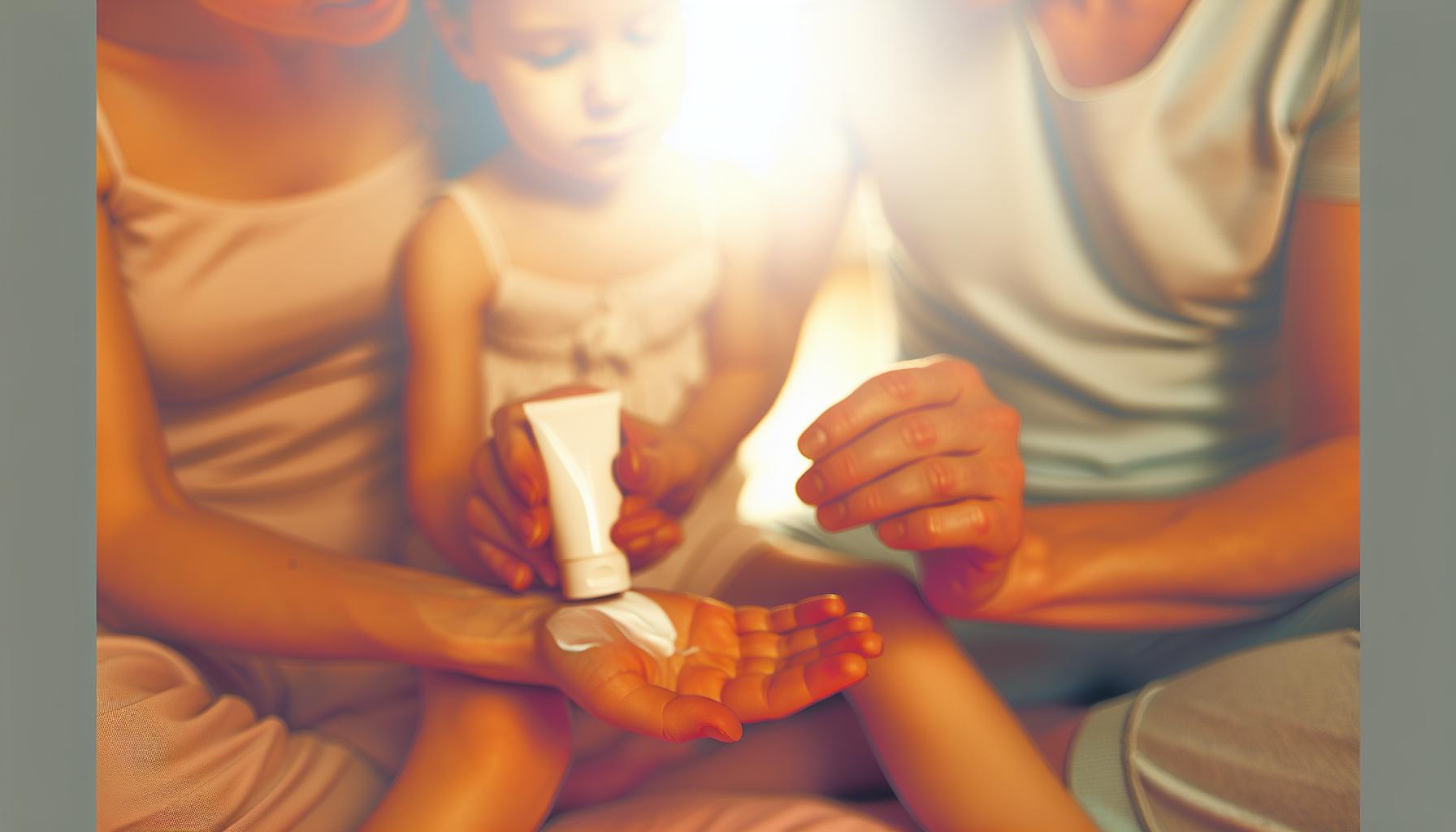
when considering the rejuvenating effects of a chemical peel, it’s essential to recognize its impact on your skin and overall health—especially for nursing mothers. Chemical peels involve applying a solution to the skin that induces controlled exfoliation, revealing smoother, healthier skin beneath. However, if you are breastfeeding, it’s crucial to ensure that the products used during the procedure are safe for both you and your baby. Many women feel anxiety about the potential risks,but with proper facts,you can make an informed decision.Before undergoing a chemical peel, breastfeeding mothers should consult with a qualified dermatologist or skincare professional to discuss suitable options. Some peels might contain harsh chemicals or ingredients that could be absorbed into the bloodstream. Your practitioner can suggest safer alternatives, like milder glycolic acid peels, which are often recommended for sensitive skin types. Moreover, it’s advised to perform a patch test prior to the procedure to assess how your skin reacts to the chemicals used, thereby minimizing any adverse reactions.
Things to Consider Before a Chemical Peel
- Consult with Professionals: Always speak to a skincare specialist familiar with treatments for breastfeeding mothers.
- Ingredient Awareness: Be aware of the active ingredients in the peel; opt for formulations that prioritize safety during lactation.
- Timing Your Treatment: Schedule your peel when breastfeeding is less frequent, allowing more time for your skin to recover.
- Post-Treatment Care: Follow the post-peel care instructions diligently to promote healing and avoid irritation.
While numerous women successfully undergo peels while breastfeeding, it’s imperative to focus on safety.Taking into account the specific formula of the peel and ensuring open communication with your healthcare provider can greatly enhance your peace of mind. By prioritizing safety and understanding the implications of your skincare choices, you can enjoy the benefits of a chemical peel without compromising your health or that of your child. Always remember that the best approach is one rooted in awareness and informed decision-making, ensuring the care you provide for your skin aligns with your overall wellbeing.
Expert Insights: Safe Skin Care Practices While Breastfeeding
Understanding Skin care Safety During breastfeeding
Breastfeeding is a transformative time in a mother’s life, and protecting both your skin and your baby is paramount. While many women find themselves grappling with skin changes post-pregnancy, it’s crucial to know which treatments and products are safe to use. One common question is regarding the safety of chemical peels for nursing mothers. Although chemical peels can effectively rejuvenate the skin, they often contain potent ingredients that could potentially affect nursing infants.When considering whether to undergo a chemical peel while breastfeeding, it’s essential to consult with a dermatologist who has experience with postpartum skincare. They can evaluate your skin type and any specific concerns while providing personalized recommendations.Generally, many dermatologists suggest opting for milder peels, such as superficial peels, which use lower concentrations of acids and are less likely to penetrate deeply into the skin.
Ingredients to Avoid
To ensure the safety of both you and your child, be vigilant about the skincare products you choose. Here’s a brief list of common ingredients that are advised against during breastfeeding:
- Salicylic Acid: High doses may be absorbed into the bloodstream and could affect breast milk.
- Retinoids: These vitamin A derivatives are potent and may pose risks for nursing infants.
- benzoyl Peroxide: While effective for acne,it can be harsh on sensitive skin and there are minimal studies on its effects on nursing.
For a safer skincare routine, focus on gentle, hydrating products that promote skin barrier health. Natural ingredients like hyaluronic acid and aloe vera can provide moisture without the chemical concerns.
Practical Skin Care Tips While Nursing
incorporating safe skincare practices doesn’t have to be overwhelming. Here are some actionable steps:
- Consult Professionals: always seek guidance from a healthcare provider before trying new treatments.
- Patch Test First: When introducing new products,perform a patch test to assess any potential skin reactions.
- Hydration is Key: Keep your skin hydrated with natural moisturizers; dry skin can exacerbate concerns.
- Listen to Your Skin: Pay attention to how your skin reacts to any new products or routines, and adjust as necessary.
By prioritizing safe skincare practices, you can maintain a healthy regimen that addresses your skin’s post-baby needs while ensuring the welfare of your nursing child. Embrace the journey of motherhood with confidence, knowing that there are effective, gentle options available that keep your skin healthy and your baby safe.
evaluating Risks: Are Chemical Peels Safe for Nursing moms?
Understanding Safety Concerns for Nursing Moms
Pregnancy and breastfeeding bring unique changes to a woman’s body, prompting many to rethink their skincare routines. While cosmetic treatments like chemical peels promise rejuvenated skin, nursing mothers often question their safety in terms of potential effects on breastmilk and infant health.Generally,the concern revolves around the absorption of chemicals through the skin and their likelihood of transferring to breastmilk.
Research indicates that most chemical peels use superficial agents that typically do not penetrate deeply enough into the skin to pose a significant risk to breastfeeding infants. Still, there are specific considerations mothers should keep in mind when evaluating whether to undergo treatment:
- Consultation with Healthcare Providers: Always discuss with both your dermatologist and pediatrician to evaluate risks tailored to your health and circumstances.
- Timing of the Peel: consider scheduling the treatment during a time when breastfeeding frequency is low, or plan to pump and discard milk for a short period post-treatment to ensure safety.
- Ingredient Awareness: Research and be aware of the chemicals in the peel solution. Certain ingredients may be contraindicated during breastfeeding.
Types of Chemical Peels and Their Safety
The depth and type of chemical peel play crucial roles in safety. superficial peels, such as, are generally considered safer for nursing mothers compared to deeper ones, as they involve milder acids that onyl affect the outermost skin layer. In contrast, medium or deep peels might involve stronger agents that can lead to significant skin absorption and potential transfer risks. Below is a brief comparison of the three types of chemical peels:
| Type of Peel | Depth of Penetration | Typical Ingredients | Safety for Nursing Moms |
|---|---|---|---|
| superficial Peel | Outer layer | AHAs, BHAs | Generally safe |
| Medium Peel | Outer and middle layers | Trichloroacetic acid (TCA) | Consult a doctor |
| Deep Peel | inner layers | Phenol | not recommended |
Seeking professional advice and weighing the benefits against potential risks will empower nursing moms to make informed decisions about undergoing chemical peels while breastfeeding.Always prioritize your and your baby’s health by approaching cosmetic skincare with caution and guidance.
Alternative Skin Care Solutions for Breastfeeding Mothers
Consider Natural Alternatives
When it comes to skin care during breastfeeding, many mothers opt for natural alternatives that avoid harsh chemicals. These solutions are frequently enough gentler and can be just as effective in addressing common skin concerns. For example, if you are struggling with dryness or irritation, consider incorporating oils such as coconut oil or jojoba oil into your daily routine. Both are excellent for moisturizing and have properties that help soothe sensitive skin.
Gentle Exfoliation methods
Rather of opting for aggressive treatments like chemical peels, breastfeeding mothers can benefit from natural exfoliation methods. Here are some gentle alternatives:
- Oatmeal Scrub: Ground oatmeal mixed with honey makes an ideal scrub that’s both soothing and effective.
- Sugar Scrub: A simple combination of sugar and olive oil can provide a mild exfoliation without irritating the skin.
- fruit Enzyme Masks: ingredients like mashed bananas or pureed papaya can help exfoliate naturally due to their enzyme content.
Hydration and Nutrition
Beyond topical applications, proper hydration and nutrition play a crucial role in maintaining healthy skin during breastfeeding. A balanced diet rich in vitamins and minerals will not only benefit your skin but also help ensure you are providing adequate nutrition to your baby. Focus on incorporating foods high in omega-3 fatty acids, antioxidants, and hydration, such as:
| Food | Benefit |
|---|---|
| Salmon | Packed with omega-3s for skin hydration |
| Blueberries | Rich in antioxidants that combat skin aging |
| Avocados | High in healthy fats and vitamins E and C |
| Spinach | loaded with nutrients that improve skin elasticity |
By focusing on natural alternatives, gentle exfoliation, and a nutrient-rich diet, breastfeeding mothers can maintain their skin’s health while ensuring the safety of their baby. Always consult with a healthcare professional before trying new products or treatments to ensure they align with your personal needs and breastfeeding guidelines.
Restoring Your Glow: Holistic Approaches to Skin Care Post-Pregnancy

Revitalize Your Skin Naturally
The journey of motherhood is beautiful,yet it can leave your skin feeling less than luminous. Many new mothers seek ways to restore their glow as they transition into postpartum life. One holistic approach gaining traction is the focus on safe, natural skincare methods. While some may wonder about the effects of chemical peels during breastfeeding, alternatives rooted in botanical ingredients and gentle therapies can provide effective results without the risks associated with harsh treatments.
To navigate the complexities of skincare post-pregnancy, embracing a holistic routine can be transformative. Incorporating nourishing botanical products rich in vitamins and minerals helps promote skin healing and restoration. Focus on ingredients like aloe vera, hyaluronic acid, and plant oils, which hydrate and soothe the skin. Additionally, consider the following actions to enhance your skincare routine:
- Stay Hydrated: Drinking plenty of water is crucial for maintaining skin elasticity and glow.
- Gentle Cleansing: Use mild cleansers to avoid stripping your skin of its natural oils.
- Moisturize Daily: Opt for organic moisturizers to lock in moisture and maintain hydration.
- Introduce Antioxidants: Incorporating serums rich in antioxidants can combat free radicals and promote a healthy complexion.
Choosing the Right Treatments
When considering treatments like chemical peels, many mothers express concern about their safety during breastfeeding. It’s vital to consult with a dermatologist to explore the safest options tailored to postpartum concerns. In many cases, milder alternatives such as enzyme-based exfoliants may offer a gentler way to achieve similar results without compromising safety.
Here’s a comparison of postpartum skincare options that balance effectiveness with safety:
| Skincare Method | Safety During Breastfeeding | Benefits |
|---|---|---|
| Chemical Peels | Depends on the type | Exfoliates and rejuvenates skin |
| Enzyme Exfoliants | Safe | Gentle on skin, promotes cell turnover |
| Botanical Moisturizers | Safe | Hydrates and nourishes skin |
| Natural Serums | Safe | Fights free radicals, boosts radiance |
Incorporating a holistic approach to skincare can be both rewarding and restorative. By prioritizing gentler methods and focusing on nourishing ingredients, you can safely and effectively rejuvenate your skin post-pregnancy, turning the page on a new chapter of motherhood with a renewed sense of yourself.
When to Consult a Professional: Making Informed Choices for Your Skin

Consider Your Skin’s Needs Before Treatment
Navigating skincare while breastfeeding can feel overwhelming, especially when considering treatments like chemical peels. While these procedures promise rejuvenated skin, it’s crucial to evaluate whether they’re appropriate for you during this sensitive time. Certain chemicals used in these peels may enter your system, leading to concerns about their safety for nursing infants. Always prioritize a thorough consultation with a dermatologist to discuss the specific formulation of the peel, ensuring it aligns with both your skincare goals and the well-being of your child.
Signs You Should Seek Professional Guidance
Before deciding on a chemical peel, it’s critically important to be attentive to your skin’s reactions and any existing conditions. Here are some indicators that professional advice is essential:
- Severe Skin Sensitivity: If your skin is frequently irritated or sensitive, it’s wise to consult a specialist.
- Existing Skin Conditions: Conditions such as eczema, rosacea, or active acne can be exacerbated by chemical treatments. Tailoring your skincare to your current health is critical.
- Concerns About Ingredients: If you’re uncertain about the safety of the ingredients in a peel, discussing these with a healthcare provider is imperative.
- Desired Results vs. Risks: Weighing the potential benefits against any adverse effects will help make a more informed decision.
Making Informed Choices for Your Skin
When contemplating a chemical peel while breastfeeding, it’s beneficial to gather thorough information. Start by asking your dermatologist specific questions about:
- The type of chemical peel and its ingredients.
- The expected outcomes, recovery time, and any risks involved.
- Alternatives to chemical peels that may be safer during breastfeeding.
Taking an informed approach not only enhances the likelihood of achieving the desired results but also minimizes potential risks, ensuring a safe skincare journey during this important phase. Always remember that your skin’s health and your baby’s safety should be the priority in your skincare choices.
Frequently asked Questions
What is a chemical peel?
A chemical peel is a cosmetic treatment that improves skin appearance by applying a solution that removes damaged outer layers. This treatment can enhance skin texture and promote renewal.
Chemical peels can vary in depth from superficial to deep, affecting how quickly you see results and the level of recovery needed. They are popular for addressing issues like acne scars, wrinkles, and uneven skin tone. For more detailed information, you can check out resources on the different types of peels.
Is it safe to get a chemical peel while breastfeeding?
<pSafety is paramount during breastfeeding, and many dermatologists recommend avoiding chemical peels during this period. The chemicals used in these peels may be absorbed into the bloodstream and could potentially affect your milk supply.
While some mild peels may have less risk, consulting with a healthcare provider is essential to assess potential impacts on both you and your baby. They can guide you in making informed decisions tailored to your health needs.
can I use at-home chemical peel products while breastfeeding?
Using at-home chemical peels while breastfeeding is generally not advisable. Many products contain chemicals that could be harmful if absorbed into your system.
Moreover, your skin might be more sensitive during breastfeeding, potentially leading to irritation. It’s always best to prioritize gentle skincare routines during this time.If you’re considering treatments, consult with a healthcare professional about safer alternatives.
What are the risks of chemical peels while breastfeeding?
The primary risk of undergoing chemical peels while breastfeeding involves the unknown effects of various chemicals on your milk and your baby. Some ingredients in peels may pose risks.
Additionally, the hormonal changes associated with breastfeeding can affect your skin’s reaction to peels, sometimes leading to unexpected side effects.Always consult a dermatologist or doctor before proceeding.
Why should I delay chemical peels until after breastfeeding?
Delaying chemical peels until after breastfeeding allows you to avoid any potential exposure to harmful chemicals that may affect your milk or baby’s health.
Moreover, your skin may be more sensitive during breastfeeding, which can increase the risk of adverse reactions. Waiting until you’re done nursing can ensure a safer and more effective outcome for your skin treatments.
What should I use rather of a chemical peel while breastfeeding?
Consider gentler skincare options like exfoliating with natural scrubs or using products with hyaluronic acid, which is safe during breastfeeding. These alternatives can help maintain skin health without the risks associated with chemical peels.
You can also explore moisturizers and treatments that focus on hydration and prevention without harsh chemicals. Always remember to consult your healthcare provider for personalized recommendations tailored to your skin needs.
are there any skincare treatments recommended during breastfeeding?
During breastfeeding, skincare treatments focusing on hydration and soothing the skin are highly recommended. Look for products free from retinoids and harsh acids.
Natural ingredients like aloe vera or chamomile can be beneficial. Consulting with a dermatologist can definitely help you find safe and effective products suitable for your unique skin concerns while breastfeeding.
Final Thoughts
As we’ve explored the relationship between chemical peels and breastfeeding, it’s clear that taking care of your skin while nurturing your little one is both a priority and a challenge. Remember, every mother’s journey is unique, and making informed choices is essential for your well-being and that of your child. if you’re considering a chemical peel, consulting with a healthcare professional can provide personalized advice tailored to your specific situation.
Don’t hesitate to reach out to other parents or professionals who can share their experiences and insights—building a community of support can be incredibly empowering. Whether you choose to proceed with a peel or adopt a different skincare routine, know that your skin health matters, and you are doing a marvelous job in this phase of motherhood. For more tips, insights, and encouragement, keep exploring our resources, and feel free to engage with us as you navigate this beautiful journey. Your skin and your parenting deserve the best!
Get our latest guides, news, and insights highlighted in your Google Search & AI Overviews.


