Pumpkin Seeds While Breastfeeding: Nutritional Benefits Explored
Are Pistachios Good for Breastfeeding? Nutritional Benefits Explained
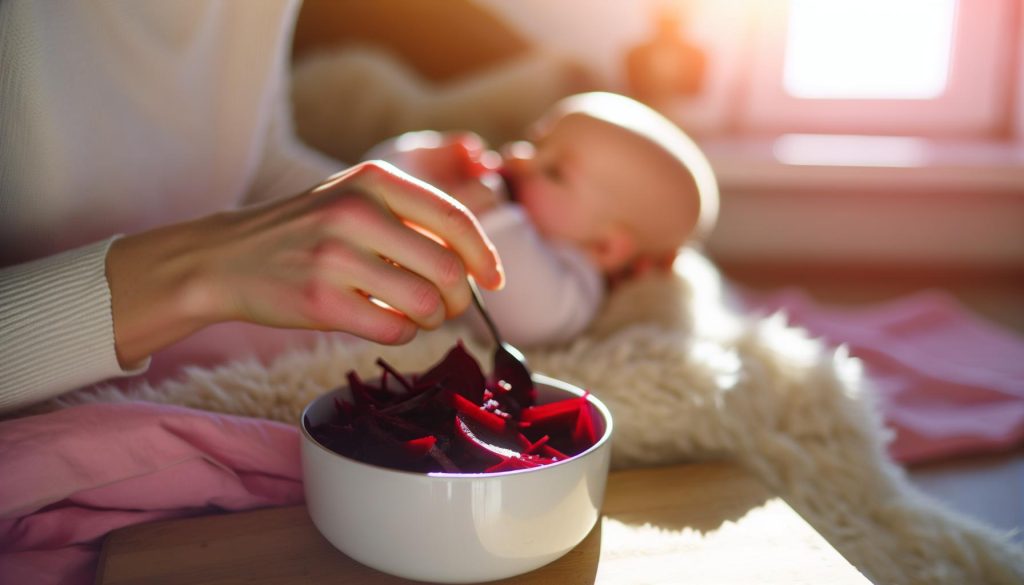
Beets While Breastfeeding: Nutritional Value and Safety Tips
DIY Baby Food Pouches: Easy, Healthy Recipes for On-the-Go Parents
Foundational Pillars (Start Here)
Baby Spitting Out Food? Common Causes and Solutions
Resolving infant food rejection, understanding the tongue-thrust reflex, and improving sensory tolerance to complementary solids.
Can You Feed a Baby in a Car Seat? Safety Tips for Parents
Airway mechanics, posture-related choking hazards, and pediatric guidance on upright feeding environments.
Feeding Newborns in Car Seats: Dos and Don'ts
Essential travel feeding dos and don'ts to prevent silent reflux, milk aspiration, and airway obstruction.
Late Night Breastfeeding Snacks: Healthy Options for Moms
Nutrient-dense maternal fueling strategies that optimize breast milk fatty acid composition and maternal stamina.
Pediatric Micronutrient Architecture: Bioavailability & Food Synergy
Infant nutritional needs per kilogram of body weight are higher during the first year of life than at any other developmental stage. While human milk or infant formula provides ideal hydration and caloric energy, innate infant iron stores (ferritin) begin naturally diminishing between 4 and 6 months of gestationally mature infants. Complementary feeding must therefore emphasize bioavailable heme iron and zinc from animal proteins, or non-heme plant iron paired strategically with ascorbic acid (Vitamin C) to enhance intestinal mucosal absorption by up to 300%.
In addition to mineral repletion, dietary fat quality plays a paramount role in pediatric myelination and neurodevelopment. Long-chain polyunsaturated fatty acids—particularly Docosahexaenoic Acid (DHA) and Arachidonic Acid (ARA)—constitute crucial building blocks of retinal and cortical tissue. Introducing healthy fats through full-fat yogurt, avocado, egg yolk, and cold-pressed olive oil supports fat-soluble vitamin absorption (Vitamins A, D, E, and K) and provides steady caloric density for rapid physical growth.
| Critical Nutrient | Biological Role in Infant Development | High-Bioavailability Food Source |
|---|---|---|
| Bioavailable Iron (Heme & Non-Heme) | Hemoglobin synthesis, oxygen transport, cognitive neurotransmission | Slow-cooked pureed beef, poultry liver, iron-fortified single grains paired with berry purees |
| Zinc | Cellular division, immune competence, taste bud receptor acuity | Pasture-raised egg yolks, pureed lentils, finely ground hemp seed meal in purees |
| Omega-3 Fatty Acids (DHA/EPA) | Retinal photoreceptor function, cerebral cortex neural myelination | Wild-caught low-mercury salmon, sardines, pasture-raised egg yolk, fortified breast milk |
| Vitamin D3 | Intestinal calcium absorption, skeletal mineralization, immune modulation | Daily 400 IU pediatric liquid cholecalciferol drop directly on maternal nipple or in bottle |
Topic Directory & Curated Guides
Infant Feeding Mechanics & Safety
Frequently Asked Questions
Why do exclusively breastfed infants need supplemental Vitamin D?
Human milk typically contains less than 50 IU of Vitamin D per liter, which is insufficient to prevent rickets. The AAP recommends daily supplementation with 400 IU of liquid Vitamin D drops starting within the first few days of life.
How can I maximize iron absorption in my baby's homemade meals?
Pair non-heme plant-based iron sources (like spinach, lentils, or fortified oats) with foods rich in Vitamin C (such as pureed bell pepper, strawberries, or sweet potato) to convert iron into an easily absorbable form.
When can babies drink cow's milk as a primary beverage?
Whole pasteurized cow's milk should not be offered as a beverage until 12 months of age, as it is difficult for infant kidneys to process, contains inadequate iron, and can cause occult intestinal blood loss in infants under 1 year.