

Navigating the postpartum period can be overwhelming, especially when addressing core and pelvic floor recovery. Incorporating 360 breathing techniques into your daily routine not only aids in healing diastasis recti but also enhances mental well-being, helping new parents regain strength and confidence as they embark on motherhood. Explore the transformative benefits of this mindful breathing practice.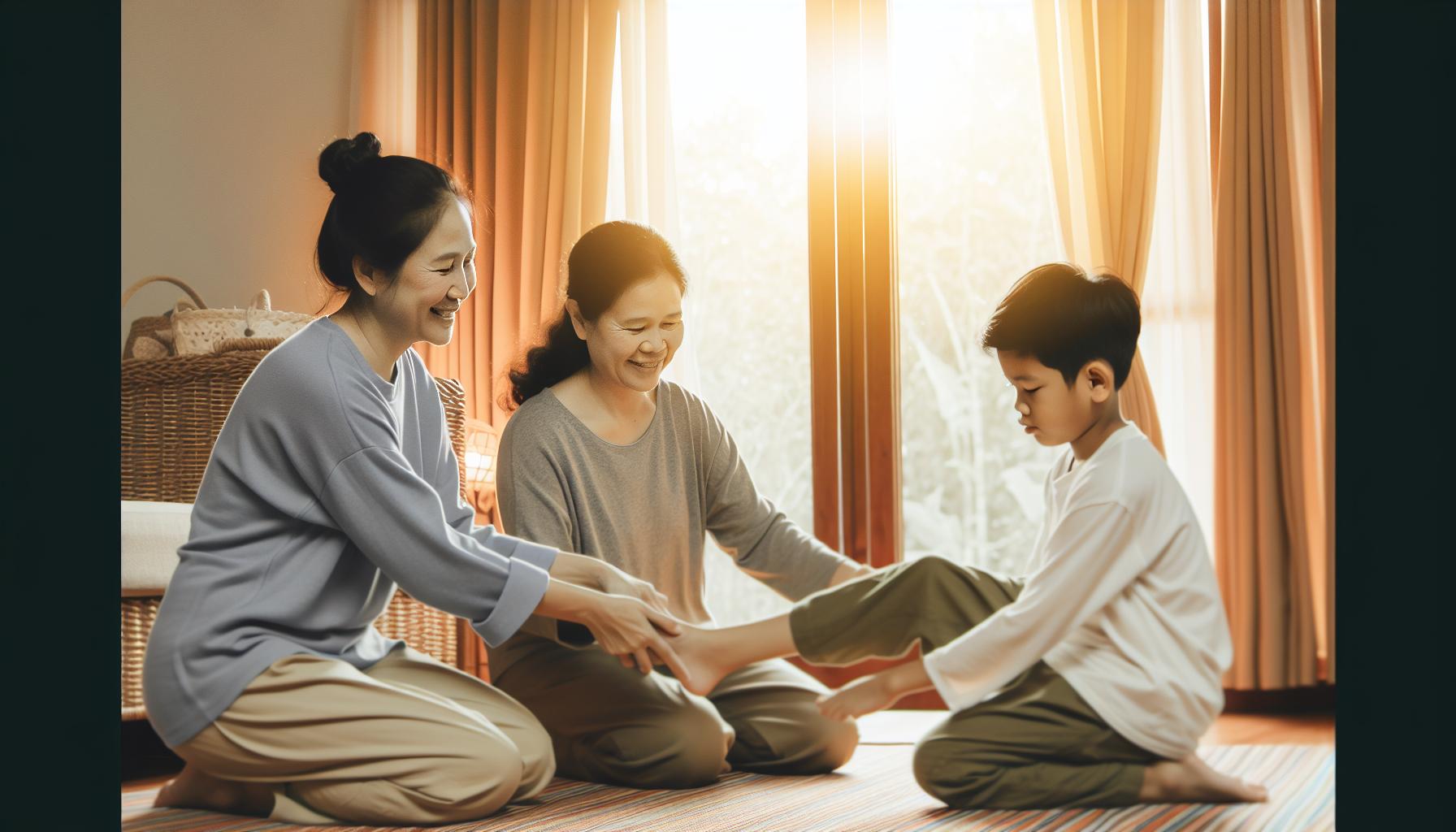
Understanding the Importance of Core and Pelvic Floor Health Postpartum
The Essential Role of Core and Pelvic Floor Health in Postpartum Recovery
Did you know that a notable number of women experience pelvic floor dysfunction after childbirth? The transition into motherhood brings profound changes to a woman’s body,especially affecting the core and pelvic floor muscles. These muscle groups play a critical role in stability,mobility,and overall wellbeing. Properly addressing core and pelvic floor health postpartum is vital for a strong recovery and can prevent complications such as incontinence and diastasis recti—a condition where the abdominal muscles separate.
Understanding Core Function
The core is more than just the “abs”; it consists of various muscles that provide support and alignment to the body. Engaging in practices such as 360 breathing can greatly enhance your recovery. This method emphasizes the importance of breathing deeply into the diaphragm, allowing the rib cage to expand in all directions. This not only strengthens the core but also aids in reconnecting with your body after the stress of pregnancy and delivery.
- Improves posture: Good core strength contributes to better posture, reducing back pain.
- Enhances stability: A strong core stabilizes the pelvis and spine, significantly benefiting daily activities.
- promotes functional Movement: Engaging your core properly leads to more efficient and safer movements.
Nurturing the Pelvic Floor
the pelvic floor supports vital organs and is essential in bladder and bowel control. After childbirth, this area can become weakened or overly tense, leading to issues such as leakage or pain. Addressing pelvic floor health through targeted exercises is vital. Techniques included in 360 Breathing Postpartum: A Guide to Core and Pelvic floor Healing help you connect with your pelvic floor, focusing on easing tension and strengthening the muscles.
To foster optimal pelvic floor health, consider the following practices:
- Kegel Exercises: Increases muscle strength and enhances control.
- Mindful Movement: Engage in gentle exercises like yoga or Pilates that encourage pelvic awareness.
- Breath Work: Incorporate breathing techniques to relax the pelvic floor and promote healing.
Practical Steps to Incorporate into Your Routine
As part of your postpartum recovery, integrating these practices can provide tangible benefits:
| Activity | Frequency | duration |
|---|---|---|
| 360 Breathing Exercises | Daily | 5-10 minutes |
| Kegels | 3 times a week | 10 reps, hold 5 seconds |
| Gentle Yoga/Pilates | 2-3 times a week | 30-60 minutes |
is critical for anyone recovering from childbirth. By prioritizing these aspects through methods outlined in 360 Breathing Postpartum: A Guide to Core and Pelvic Floor Healing, you’ll not only enhance your recovery but also equip yourself with the tools needed for a more confident and empowered motherhood journey.
The 360 Breathing Technique: A Gentle introduction for New Parents
The Importance of Breath for New Parents
did you know that the way you breathe can significantly impact your recovery after childbirth? As a new parent, you’re likely experiencing a whirlwind of emotions and physical changes, making it essential to reconnect with your body. One effective method to facilitate this process is through 360 breathing,a gentle yet powerful technique that encourages pelvic floor healing and core strengthening. This technique engages various muscle groups,helping to restore balance and stability after the physical demands of pregnancy and postpartum recovery.
Understanding 360 Breathing
360 breathing involves a mindful approach to breath that expands the diaphragm and engages the pelvic floor.This method encourages you to visualize your breath filling not just your chest but your entire torso, creating a “360-degree” expansion around your abdomen. Here’s how to practice it:
- Find a pleasant position: You can sit or lie down, ensuring your body is supported.
- inhale deeply: Focus on breathing in through your nose,allowing your belly to rise as your diaphragm expands.
- Engage your core: As you exhale through your mouth, gently pull your abdominal muscles in and lift your pelvic floor muscles.
- Repeat: Continue this process for several minutes, observing how your body responds.
This practice not only improves core stability but also assists in managing stress levels often experienced by new parents, enhancing overall well-being during the postpartum period.
Benefits of 360 Breathing for New Parents
Practicing 360 breathing can yield numerous benefits that extend beyond physical health. Some key advantages include:
- Enhances Core Strength: Targeting the deep core muscles reduces the risk of back pain and aids in faster recovery.
- Promotes Relaxation: This technique engages the parasympathetic nervous system, vital for emotional regulation.
- Improves Pelvic Floor Health: Regular practice can mitigate urinary incontinence issues common after childbirth.
Incorporating 360 breathing into your daily routine can support not only physical healing but also foster a deeper connection with your body during this transformative time. By dedicating just a few minutes each day to this practice, you can pave the way for a healthier and more fulfilling postpartum experience.
Key Exercises to Strengthen Your Core and Pelvic Floor
after childbirth, many individuals experience various changes in their bodies, particularly regarding core strength and pelvic floor integrity. Understanding how to effectively engage and strengthen these areas is crucial for recovery and overall health.The 360 Breathing Postpartum: A Guide to Core and Pelvic Floor Healing emphasizes practical approaches that can yield significant benefits.
Essential Exercises for core and Pelvic Floor strength
Incorporating targeted exercises can support your journey to recovery. Here are some key exercises that focus on both the deeper core muscles and pelvic floor:
- Diaphragmatic Breathing: This foundational exercise aids in engaging the diaphragm and pelvic floor together. Inhale deeply through your nose, allowing your belly to expand sideways and downwards. Exhale gently through your mouth, feeling your belly and pelvic floor muscles relax.
- Pelvic Tilts: This movement helps mobilize the spine and strengthen the abdominal muscles. Lie on your back with knees bent. Gently tilt your pelvis upward while flattening your lower back against the floor, then release.
- Kegels: An essential exercise for pelvic floor health,Kegels involve contracting and relaxing the pelvic floor muscles. Focus on squeezing these muscles as if trying to stop urination, holding for a few seconds, and then releasing.
- Bird-Dog: This exercise enhances core stability. Start on all fours, extend one arm and the opposite leg simultaneously while keeping your spine neutral. Hold briefly before returning to the starting position and switch sides.
Integrating 360 Breathing Techniques
Utilizing the principles of 360 breathing can elevate these exercises. When performing each movement,integrating the breathing technique will help activate the transversus abdominis,the deepest layer of your abdominal muscles,which plays a vital role in stabilizing the core and protecting the pelvic floor.
| Exercise | Focus Area | Key Tips |
|---|---|---|
| Diaphragmatic Breathing | Core & Pelvic Floor | Focus on full, deep breaths; engage pelvic floor on exhale. |
| Pelvic Tilts | Core | Keep movements slow; avoid straining the neck. |
| Kegels | Pelvic Floor | Find a quiet place; be consistent with practice. |
| Bird-Dog | Core Stability | Maintain balance; ensure proper spine alignment throughout. |
Regularly practicing these exercises can led to significant improvements in core and pelvic floor strength,promoting better posture,reduced back pain,and enhanced overall well-being. By embracing the techniques outlined in 360 Breathing Postpartum: A Guide to Core and Pelvic Floor Healing, individuals can regain confidence and strength following childbirth.

Common Postpartum Challenges and How to Overcome Them
Understanding Postpartum Challenges
The postpartum period can be a transformative time, yet it often presents a variety of challenges that can impact both physical and emotional well-being. One prevalent issue is the experience of postpartum depression,which affects many new mothers due to hormonal changes,fatigue,and the overwhelming nature of new responsibilities. The 360 Breathing Postpartum technique can serve as a powerful tool for addressing some of these challenges, particularly those related to core strength and pelvic floor health, essential for emotional and physical recovery.
- Fatigue and Sleep Deprivation: The demands of caring for a newborn often lead to chronic fatigue. To combat this, mothers should practice sleep hygiene by creating a calming bedtime routine and allowing themselves to take naps whenever possible. Seeking help from family and friends can also provide much-needed breaks.
- Breastfeeding Difficulties: Many mothers struggle with breastfeeding, which can lead to stress and anxiety. Consulting with a lactation expert can provide guidance and support, helping to improve the breastfeeding experience. Practicing 360 breathing can also facilitate relaxation during feedings, promoting a calmer environment.
- Mood Swings and Emotional Instability: Hormonal shifts can cause significant mood swings during the postpartum period. Engaging in self-care activities such as gentle yoga, mindfulness meditation, or postpartum exercise can stabilize mood levels. The 360 breathing technique aids in grounding and emotional regulation, making it a useful practice for emotional resilience.
Practical Strategies for Recovery
Integrating 360 Breathing Postpartum: A Guide to Core and Pelvic Floor Healing into daily routines can promote healing and strengthen the body postpartum. Here are some actionable steps:
| Challenge | actionable Strategies |
|---|---|
| Core weakness | Perform 360 breathing exercises daily to engage and strengthen core muscles, focusing on deep abdominal contractions. |
| Pelvic Floor Issues | Incorporate Kegel exercises into your routine along with 360 breathing to improve pelvic floor muscle function. |
| Emotional Distress | Practice 360 breathing as a mindfulness technique to calm the mind, reduce anxiety, and enhance emotional well-being. |
With these strategies, new mothers can navigate postpartum challenges effectively, harnessing the benefits of 360 breathing to not only aid in physical recovery but also cultivate emotional resilience. Engaging in a supportive community and seeking professional help when needed ensures a holistic approach to healing during this critical time.
Listening to Your Body: Knowing When to Seek Professional Help
Pay Attention to Your Body’s Signals
Understanding your body’s cues is crucial in the journey of postpartum recovery, especially when engaging in techniques like 360 breathing. It’s not uncommon to experience new sensations or discomfort during the early stages of motherhood. Though,certain signs may indicate the need for professional assistance. Recognizing these signals can enhance your recovery process and prevent further complications.
- Persistent Pain: If you encounter continuous pain in your abdomen, pelvic region, or lower back while practicing 360 breathing, it’s essential to consult a healthcare provider.
- Pelvic Floor Dysfunction: signs of pelvic floor issues, such as incontinence or a feeling of heaviness, should not be ignored. These symptoms can indicate a need for specialized pelvic floor therapy.
- breathing Difficulties: Struggling to engage in breathing exercises without feeling short of breath may signal an underlying issue that needs evaluation.
When to Reach Out for Professional Help
Incorporating 360 breathing postpartum can be a transformative experience, but it’s important to know when additional support is necessary. If you find yourself grappling with emotional challenges, including anxiety or depression, particularly during the postpartum phase, seeking help is crucial. A healthcare professional can offer strategies tailored to your needs, ensuring you achieve a healthy balance both physically and emotionally.
Moreover, consider scheduling an appointment with a pelvic floor physical therapist if you are unsure about your progress or feel that the exercises are not as effective as expected. These specialists can provide targeted treatment plans that cater specifically to your recovery needs, enhancing your understanding of 360 breathing’s benefits.
Key Takeaways
Listening to your body is fundamental in your journey of healing through techniques like 360 breathing.By being attentive to discomfort and other signs, you can proactively manage your recovery. Do not hesitate to reach out for help—early intervention can make a significant difference in achieving a healthy pelvic floor and core. Prioritize your well-being, knowing that professional guidance is available to support you through this transformative period.
Building a Supportive Community: Connecting with Other New Parents
Creating Connections for Shared Healing
Finding your community after childbirth can be incredibly powerful, especially when it comes to holistic healing practices such as 360 Breathing Postpartum: A Guide to Core and Pelvic Floor Healing. Engaging with other new parents provides a unique prospect to share experiences, exchange tips, and cultivate a supportive environment. Research shows that social connections can significantly enhance emotional well-being and even aid physical recovery postpartum.
Connecting with other new parents can take many forms. Here are a few practical ways to build these supportive networks:
- Join Local Parent Groups: Many cities have support groups specifically designed for new parents. Look for options in your area, such as the CAP4Kids parenting groups in Columbus, where you can connect with others on the same journey.
- Online Forums and Social Media: Platforms like Facebook and Reddit have countless groups dedicated to new parents. Participating in discussions can offer both advice on topics like pelvic floor health and a sense of camaraderie.
- Attend Community Events: Local organizations frequently enough host events for new parents, providing an informal setting to meet others while learning about resources, such as those mentioned in the CAP4Kids pregnancy resources.
Engaging in Shared Activities
Intentional group activities can also foster deeper relationships. Consider organizing or joining classes that focus on postpartum recovery techniques, including workshops on 360 breathing. Classes not only aid physical healing but also create a space for moms and dads to bond over shared experiences.
| Activity | Benefits |
|---|---|
| Parent Support Groups | Emotional support, shared advice on healing practices |
| Healing Workshops | Physical recovery techniques, learning about 360 Breathing |
| Social Events | Building friendships, networking for resources |
Creating a nurturing community not only enhances your postpartum experience but also emphasizes the importance of core and pelvic floor healing. As you share your journey with others, you’ll find encouragement, motivation, and practical insights to help you navigate this transformative phase of life.
Integrating 360 breathing into Your Daily Routine for Lasting Benefits
Incorporating 360 breathing into your daily routine can significantly enhance your recovery journey postpartum.This powerful technique not only supports the healing of your core and pelvic floor but also fosters a deeper mind-body connection that is essential during this transformative period. The practice of 360 breathing facilitates the engagement of your core canister muscles, which plays a vital role in stabilizing your body both physically and mentally after childbirth. By making it a part of your everyday life, you can ensure lasting benefits and a smoother transition as you navigate the postpartum phase.
To effortlessly integrate 360 breathing into your daily activities, consider the following practical tips:
- Morning Ritual: Start your day with a dedicated breathing session. Spend 5 to 10 minutes practicing 360 breathing while seated comfortably or lying on your back. This will set a positive tone for your day and activate your core muscles efficiently.
- Error Corrrection: Throughout the day, consciously remind yourself to incorporate 360 breathing while performing routine tasks, such as lifting your baby or household chores. Focus on expanding your ribcage fully as you inhale and gently contracting your core on the exhale.
- Mindful Moments: Pair moments of stillness—like nursing or rocking your baby to sleep—with 360 breathing to cultivate relaxation and strengthen your core simultaneously. This can help reduce stress and promote recovery.
Moreover, consistency is key to reaping the benefits of 360 breathing postpartum. Try to establish a daily routine that includes short, intentional sessions. Even during busy moments, take a brief pause wherever you are; a few deep breaths can help rejuvenate your mind and body and reinforce the engagement of your core. As you progress, aim to deepen your breathing technique, perhaps by adding a ‘shhh’ sound to your exhale, as suggested in various sources, which can enhance the contraction within your core muscles and pelvic floor [[2](https://letmommysleep.com/blog/2022/02/23/360-canister-breathing/)].
With dedication and a mindful approach, 360 breathing can transition from a postpartum exercise into a lifelong wellness practice, providing both immediate relief and ongoing support for your physical health and overall well-being. By embracing this technique regularly, you will not only strengthen your body post-pregnancy but also create a sense of calm and resilience that nurtures both you and your baby.
Nurturing Your Mind and Body: The Emotional Aspect of Postpartum Healing
Embracing the Emotional Journey
The period after childbirth is a transformative time, not just physically but emotionally as well. Engaging in practices like 360 Breathing can foster a deep sense of mindfulness, aiding in the emotional aspect of postpartum healing. This breathing technique encourages new mothers to reconnect with their bodies, promoting relaxation and reducing anxiety. Studies have shown that deep breathing exercises can lower cortisol levels, reinforcing a calm state of mind during the often chaotic early days of motherhood.
- Increase Self-Awareness: Take a few moments each day to focus on your breath.This practice not only enhances physical healing of the core and pelvic floor but also serves as a deep emotional check-in.
- Build a Support System: Reach out to families, friends, or support groups. sharing experiences can alleviate feelings of isolation and highlight common struggles many face.
- Prioritize Self-care: carve out time for activities that promote relaxation, whether that’s a warm bath, gentle yoga, or simply a quiet moment with a book.
Nurturing Body and Mind Together
integrating 360 Breathing into daily routines not only aids physical recovery but also serves as a foundation for emotional well-being. The mind-body connection is strengthened through awareness of bodily sensations and feelings, allowing new mothers to process their experiences constructively. Research indicates that engaging in these holistic practices can significantly diminish the risk of postpartum mood disorders, as the act of nurturing one’s body can lead to a profound sense of empowerment and joy.
Moreover, connecting with your feelings during this time is essential. Journaling about your experiences, positive or negative, can be a beneficial outlet. Here is a simple table that outlines the benefits of expressing emotions:
| Method | Benefit |
|---|---|
| Journaling | Clarifies feelings and encourages emotional processing |
| Creative Arts | Encourages self-expression and can be therapeutic |
| Talking with Loved Ones | Builds support networks and reduces feelings of isolation |
Adopting a holistic approach to postpartum healing encourages new mothers to embrace their journey, acknowledging the intertwined nature of emotional and physical recovery. By nurturing both body and mind through techniques like 360 Breathing, one can cultivate resilience and joy in the beautiful, yet challenging, transition into motherhood.
Frequently Asked Questions
What is 360 Breathing Postpartum?
360 Breathing postpartum is a technique designed to restore core strength and improve pelvic floor function after childbirth. it involves engaging your diaphragm and expanding your ribcage during breathing.
This breathing method not only strengthens your core muscles but also enhances awareness of the pelvic floor, which can be weakened during pregnancy and childbirth. Engaging in 360 breathing helps you connect with your body, promoting healing and recovery during the postpartum period.
How do I perform 360 Breathing Postpartum?
to perform 360 Breathing, start by sitting or lying comfortably. Place one hand on your upper chest and the other on your belly. Inhale deeply through your nose, aiming to expand your ribcage in all directions—front, back, and sides.
As you exhale, feel your belly gently draw inwards. Practicing this technique regularly can help reinforce the core and pelvic floor muscles, facilitating better recovery. For visual guidance, you can check out resources on postpartum core recovery exercises.
Why is 360 Breathing important after childbirth?
360 Breathing is crucial postpartum as it helps to rebuild the core and pelvic floor strength that may have been compromised during delivery. This technique supports the overall recovery process.
By focusing on deep,diaphragmatic breathing,you can enhance blood circulation,reduce stress,and foster a sense of relaxation. It’s an effective way to improve your physical and emotional well-being while adjusting to motherhood.
Can I use 360 Breathing during pregnancy?
Yes, 360 Breathing can be beneficial during pregnancy as well. It helps in maintaining core stability and pelvic floor health, preparing your body for childbirth.
Incorporating this practice into your routine can also empower you by increasing body awareness and strength, making the transition into postpartum recovery smoother. Many find it helpful alongside other prenatal exercises.
What are the benefits of 360 Breathing for pelvic floor health?
360 Breathing enhances pelvic floor health by promoting strength, awareness, and coordination of the pelvic muscles.This is particularly important postpartum, where pelvic support can be weakened.
Regular practice can alleviate issues such as incontinence and pelvic discomfort, contributing to a healthier recovery. Many resources, like those found on restoring core function postpartum, provide valuable insights into these benefits.
how frequently enough should I practice 360 Breathing Postpartum?
For best results, aim to practice 360 Breathing postpartum daily, even for just a few minutes. Consistency is key in rebuilding strength and flexibility.
Incorporating this practice into your daily routine can improve your overall core stability and pelvic health significantly. As you become more comfortable,you can gradually increase the duration and intensity of your sessions.
Can 360 Breathing help with diastasis recti?
Yes, 360 Breathing can aid in the recovery from diastasis recti by engaging the core muscles correctly and improving alignment. This technique helps in restoring muscle function and reducing the gap.
Combining 360 Breathing with other exercises specifically designed for diastasis recti can provide a thorough approach to recovery. Consultation with a healthcare provider or a physical therapist specialized in postpartum care can also be beneficial.
Future Outlook
incorporating 360 breathing into your postpartum recovery can be a transformative journey toward rebuilding your core and pelvic floor health. This deep breathing technique not only engages essential muscles—such as the diaphragm, transverse abdominis, and pelvic floor—but also supports emotional well-being, mitigating postpartum anxiety and stress [2[2[2[2][3[3[3[3]. By fostering a strong connection between your body and mind, 360 breathing empowers you to navigate the challenges of parenthood with greater ease and resilience.
We encourage you to explore this practice further,perhaps by integrating breathing exercises into your daily routine or participating in classes that emphasize these techniques. Embrace the journey of healing with compassion for yourself, and remember that every small step counts. For more resources and guidance, don’t hesitate to seek out expert support and connect with fellow parents on the same path.Together, we can create a nurturing community that uplifts and supports one another on this beautiful journey of motherhood.
Get our latest guides, news, and insights highlighted in your Google Search & AI Overviews.