Breastfeeding & Infant Feeding encompasses the biological, nutritional, and emotional mechanisms of human lactation and infant nourishment, supplying tailored antibodies, bioactive enzymes, and macronutrients vital for pediatric immunological and neurological maturation.
Neuroendocrine Physiology of Lactation: Supply, Demand & Latch Mechanics
Human lactation operates as an intricate neuroendocrine feedback loop mediated by prolactin and oxytocin. Prolactin synthesis in the anterior pituitary stimulates alveolar milk production, while infant suckling stimulates posterior pituitary oxytocin release, initiating the milk ejection reflex (let-down). In the early postpartum period (Lactogenesis II), milk production is driven primarily by endocrine hormonal shifts; by weeks 4 to 6 (Lactogenesis III), the system shifts to autocrine control—where milk removal directly dictates ongoing production volume via Feedback Inhibitor of Lactation (FIL).
Optimal infant transfer relies on an asymmetrical latch, wherein the infant’s lower jaw grasps a generous portion of the lower areola while the nipple angles upward toward the soft palate. Insufficient milk transfer or chronic nipple pain typically stems from sub-optimal positioning, tongue or lip restrictions (ankyloglossia), or secondary vasospasm. Mothers require an additional 450 to 500 kcal daily and approximately 3 to 3.8 liters of total fluid intake to sustain adequate milk synthesis without compromising maternal bone mineral density or metabolic health.
How do I know if my baby is transferring enough breast milk?
Reliable clinical markers include producing 6 or more wet diapers every 24 hours by day 5 of life, frequent audible swallowing during nursing, softening of the maternal breast post-feed, and steady weight gain following pediatric growth curves.
What causes the common 3-month breastfeeding crisis?
Around 12 weeks, maternal breasts often stop feeling engorged as milk production transitions from hormonal control to autocrine (on-demand) regulation. Simultaneously, infants experience a major cognitive leap, making them easily distracted while nursing.
Can certain foods cause colic or gas in a breastfed baby?
While most mothers can eat a varied diet without issue, some infants are sensitive to cow’s milk proteins transferred through human milk. Common symptoms include severe fussiness, bloody or mucousy stools, and eczema, which resolve after maternal dairy elimination.
Feeding your baby in a car seat can be tempting for busy parents, but it's essential to prioritize safety. Discover expert-backed tips and practical solutions to make mealtime both secure and stress-free for you and your little one.
Navigating breastfeeding can be overwhelming, and many parents wonder about the safety of castor oil. In this article, we’ll explore the potential risks and benefits, offering insightful guidance to help you make informed choices for your child's health.
Navigating the world of breastfeeding can be challenging, but a breastfeeding teether can ease your baby's discomfort while fostering your bond. Discover practical tips and expert insights that empower both you and your little one during this special journey.
Discover the benefits of pineapple for breastfeeding! Packed with vitamins and hydration, this tropical fruit can enhance your milk supply while delighting your taste buds. Explore tips and considerations to make the most of your breastfeeding journey.
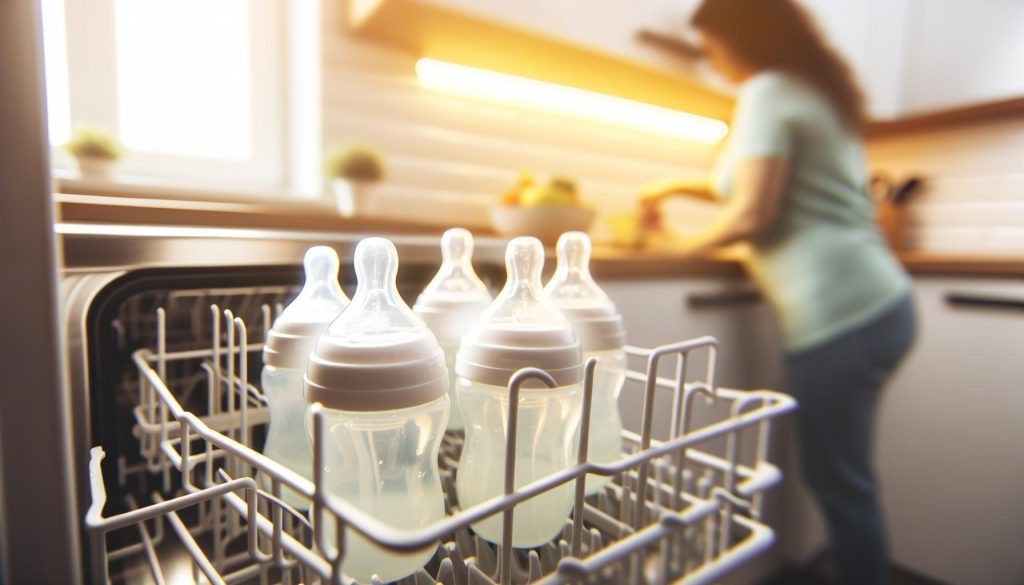
Washing baby bottles in the dishwasher can save you time, but it’s essential to do it right. In this guide, we’ll explore safe practices, tips, and the do's and don’ts, ensuring your little one’s feeding gear is always spotless and secure.
Wondering about sipping kombucha while breastfeeding? You're not alone! This guide explores its potential risks and benefits, helping you navigate your choices with confidence and care for you and your little one. Let’s journey together!
Traveling while breastfeeding can be daunting, especially when you have to leave your little one behind. Discover essential tips for pumping and maintaining comfort on your journey, ensuring both you and your baby feel connected and cared for.
Discover the power of bone broth in your postpartum journey! Packed with nutrients, our nourishing recipes support recovery while offering comfort. Let’s explore how these homemade delights can fuel your breastfeeding experience and elevate your wellness.
Navigating supplements like creatine while breastfeeding can feel overwhelming. Let’s explore its safety for you and your little one, providing clarity and support during this cherished bonding time. You’re not alone in this journey!
Navigating skincare during breastfeeding can be tricky. If you're considering kojic acid for skin brightening, it’s essential to prioritize safety and your little one’s wellbeing. Here are expert-backed tips to keep your glow while ensuring your baby’s health.